Shear Load Cell Specifications for Wholesale Buyers

application/shear-load-cell, application/shear-load-cell, 
Inquiry
Inquiry

shear load cell

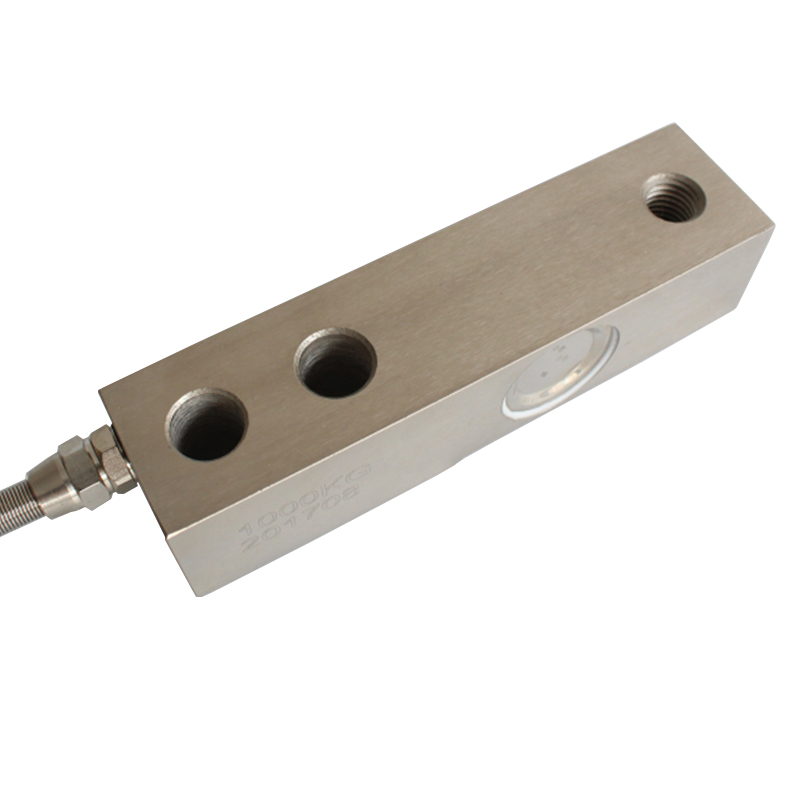
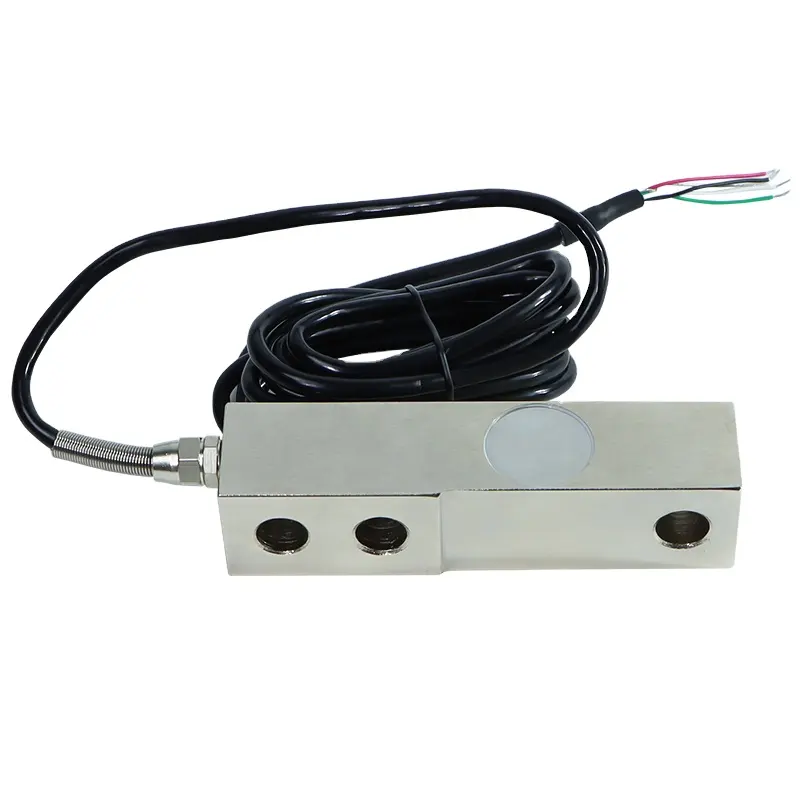
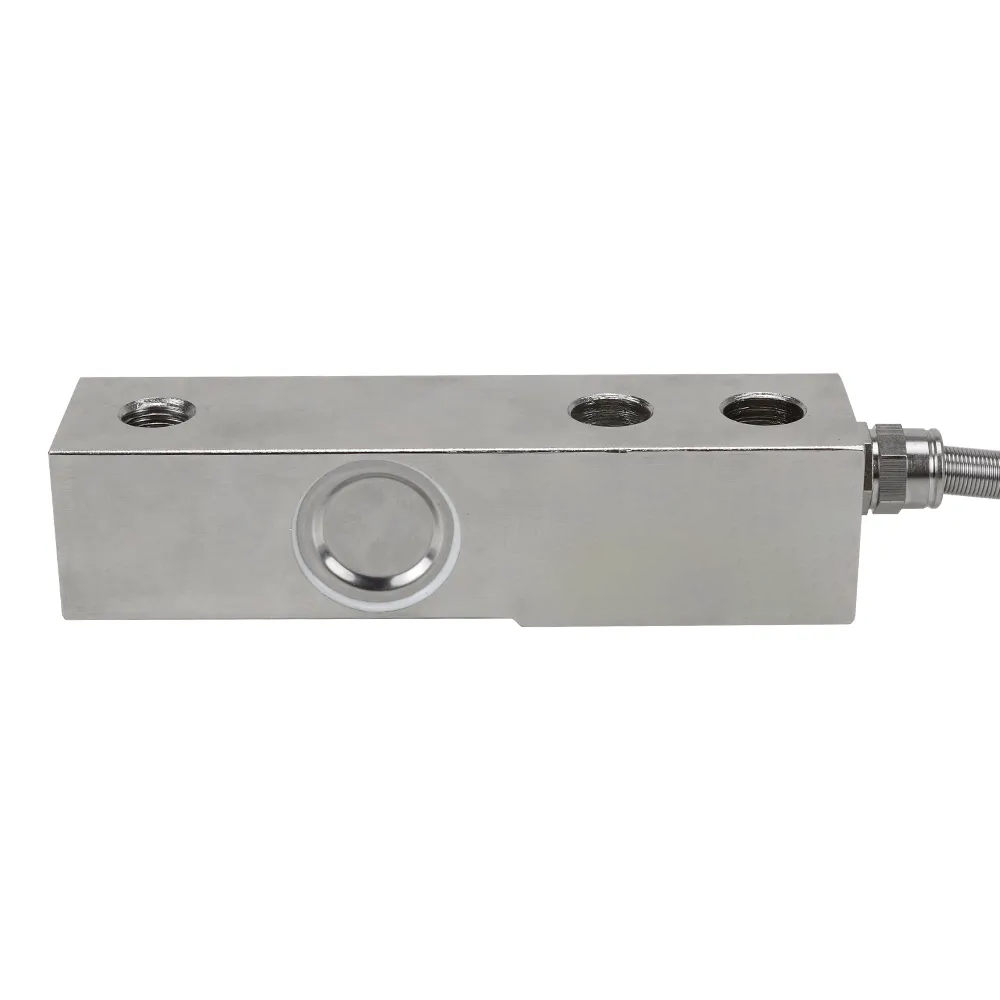
Shear load cells are  critical components in  various industrial applications, providing  precise  measurement of force  and  weight. As a  B2B buyer, understanding  shear  load  cell  specifications, selecting the appropriate model for your needs,  and sourcing reliable suppliers are vital steps in  ensuring  operational efficiency  and safety.  This article  aims to equip purchasing managers, engineers, and distributors  with the knowledge necessary to make informed decisions regarding  shear load cells. For more information about different types of load cells, you can visit our section on Load cell.

 
How to Choose the Right Shear Load Cell for Your Projects

How to Choose the Right Shear Load Cell for Your Projects

Selecting  the right shear load  cell  involves assessing your specific application requirements.  Here are critical factors to consider:

Application Type: Identify whether the load cell will be used in static or dynamic applications. For  dynamic applications, such as weighing moving loads, choose a load cell designed  to handle such conditions without losing accuracy.

Installation Space:  Evaluate the physical space available for installation. Shear load cells come in various shapes and sizes; a compact design may be necessary for tight  spaces.

Signal Output:  Determine the type of signal output required for your application. Common  outputs include analog (e.g., 4-20 mA) and digital (e.g., RS-232). Ensure compatibility with your existing systems.

Calibration and Installation: Consider whether the load cell will need to be calibrated after installation. Some models  come pre-calibrated, while others require additional  setup.


Customization Needs: If your application  has  unique requirements, such  as specific load  ranges or  mounting options, verify that  the supplier offers customization capabilities.

By carefully considering these factors, buyers can select a shear load cell that aligns  with their project requirements and operational parameters.

Where to Source Reliable Shear Load Cells for Your Business

Where to Source Reliable Shear Load Cells for Your Business

Sourcing reliable shear load cells requires careful supplier  evaluation. Here are steps to ensure you partner with the right manufacturer:

Research and Referrals: Start by researching potential suppliers online and asking for recommendations within your industry. Companies specializing  in load cell technology,  like JIANGXI JINGCE SENSING TECHNOLOGY CO., LTD., can provide valuable insights and product options.

Certifications: Verify that potential suppliers  hold relevant certifications, such as CE and  RoHS. These certifications indicate compliance with international safety and quality standards.


Quality  Control Processes: Inquire about the supplier's quality control processes. A robust  quality management system  ensures consistent product quality and performance.

Customer Service and Support: Assess the level of customer service  offered by the supplier. A responsive supplier can assist with technical inquiries, product training, and post-purchase support.

Production Capacity: Ensure the supplier can meet  your quantity requirements, especially if you anticipate placing  large  orders. Discuss minimum order quantities (MOQ) and  lead times.

By  following these steps, you can find a  reliable source  for shear  load cells  that meet  your business needs.

A Guide for Distributors

A Guide for Distributors

Distributors  play a crucial role in the supply  chain for shear load  cells. Here are key considerations for distributors when  handling these products:

Inventory Management: Maintain an adequate inventory of various  shear load cell models to  meet the diverse needs of your customers. This  includes different  capacities, materials,  and specifications.

Product Knowledge: Equip your sales team with  in-depth knowledge of shear load  cells and their applications. This enables them to provide informed recommendations to customers.

Marketing Strategies: Develop targeted marketing  strategies that highlight the benefits of shear load cells in specific applications, such as automation or industrial weighing. Use case studies and testimonials to illustrate success stories.

Customer Education: Offer resources such as technical sheets  and installation guides to help customers understand the features and benefits of the shear load cells you distribute.


Feedback Loop: Establish  a feedback mechanism with your customers.  Understanding  their experiences and pain  points can help you refine your product offerings and improve service.

By focusing on these  elements, distributors can enhance their market presence and better serve their clients in the shear  load cell industry.

Wholesale Purchasing Tips for Shear Load Cells from Trusted Suppliers

When purchasing shear load cells in  bulk, keep these tips in mind to ensure a successful transaction:

Request Detailed Quotes: Provide suppliers with comprehensive information about your requirements, including product specifications, application details, and  desired delivery timelines. This ensures accurate quotations and  avoids misunderstandings.

Evaluate Sample Products:  Before committing to a large order, request  samples  to evaluate quality and performance. Testing  the sample under actual operating conditions can reveal potential  issues.

Negotiate Pricing: Engage in discussions about pricing, especially for bulk orders. Suppliers may offer discounts based on order volume, but be sure to clarify terms to avoid hidden costs.


Confirm Lead  Times: Understand the lead times associated with your order. Discuss potential delays  and ensure the supplier  can meet your project deadlines.

Quality Assurance Checks: Establish quality assurance measures, such as third-party inspections, to verify that the products meet your specifications  upon delivery.

By following these wholesale  purchasing tips, buyers can navigate  the complexities of sourcing shear load cells effectively  and ensure  they receive quality  products that  fulfill their operational  needs.

Understanding Shear Load Cell Specifications for Wholesale Buyers

When evaluating shear load cells, several specifications are crucial to consider. Key parameters include capacity, accuracy, and environmental conditions.

Capacity: This refers  to the maximum load the load cell can measure. It’s essential to select a  load cell  with a capacity that exceeds your maximum expected load to avoid damage.


Accuracy: Typically expressed as a percentage of full-scale output, accuracy indicates  how close  the measured value is to the true value. High-precision applications, such  as in automation, benefit from load  cells with  lower accuracy percentages. In such cases, using an Absolute value encoder can help enhance the overall precision of the measurement system.

Environmental Conditions:  Shear load cells may operate in various environments. Consider factors like temperature range, humidity, and potential exposure to chemicals. Selecting models with adequate protection ratings (like  IP67 for dust and water resistance)  is  essential for  durability.

Material Composition: Load cells can be  made  from different materials, including  aluminum and stainless steel. Stainless steel models  are often preferred for  their corrosion resistance and durability in harsh environments.

Understanding these specifications ensures that wholesale buyers can select shear load cells that meet their operational demands and environment.

Frequently Asked Questions

What is a shear load cell used for?

A shear load cell measures lateral/shear forces and converts them to electrical signals for precise force monitoring in lifting, weighing, automation, and new energy applications.
Our shear load cells offer high-precision accuracy and come with CE and RoHS certifications to meet safety and regulatory requirements.
Yes. We offer OEM/ODM customization for capacity, mounting, connectors, and calibration to match specific application needs.
Shear load cells are designed for industrial conditions, with options for sealed housings and temperature compensation to withstand dust, moisture, and temperature variations.
We provide factory calibration, calibration certificates, technical documentation, and global after-sales support for installation, troubleshooting, and maintenance.

Get a Free Quote

Our representative will contact you soon.
0/1000