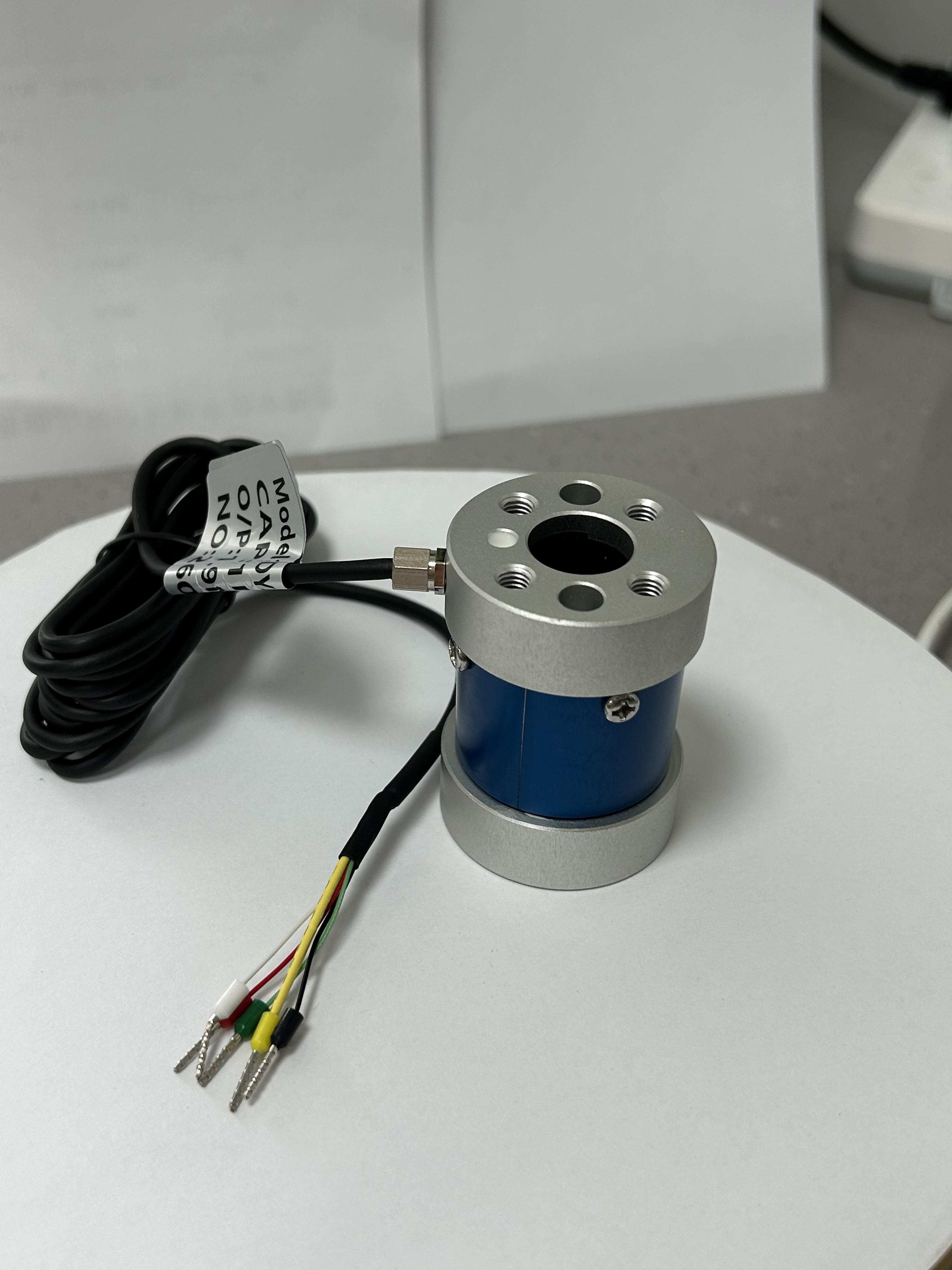
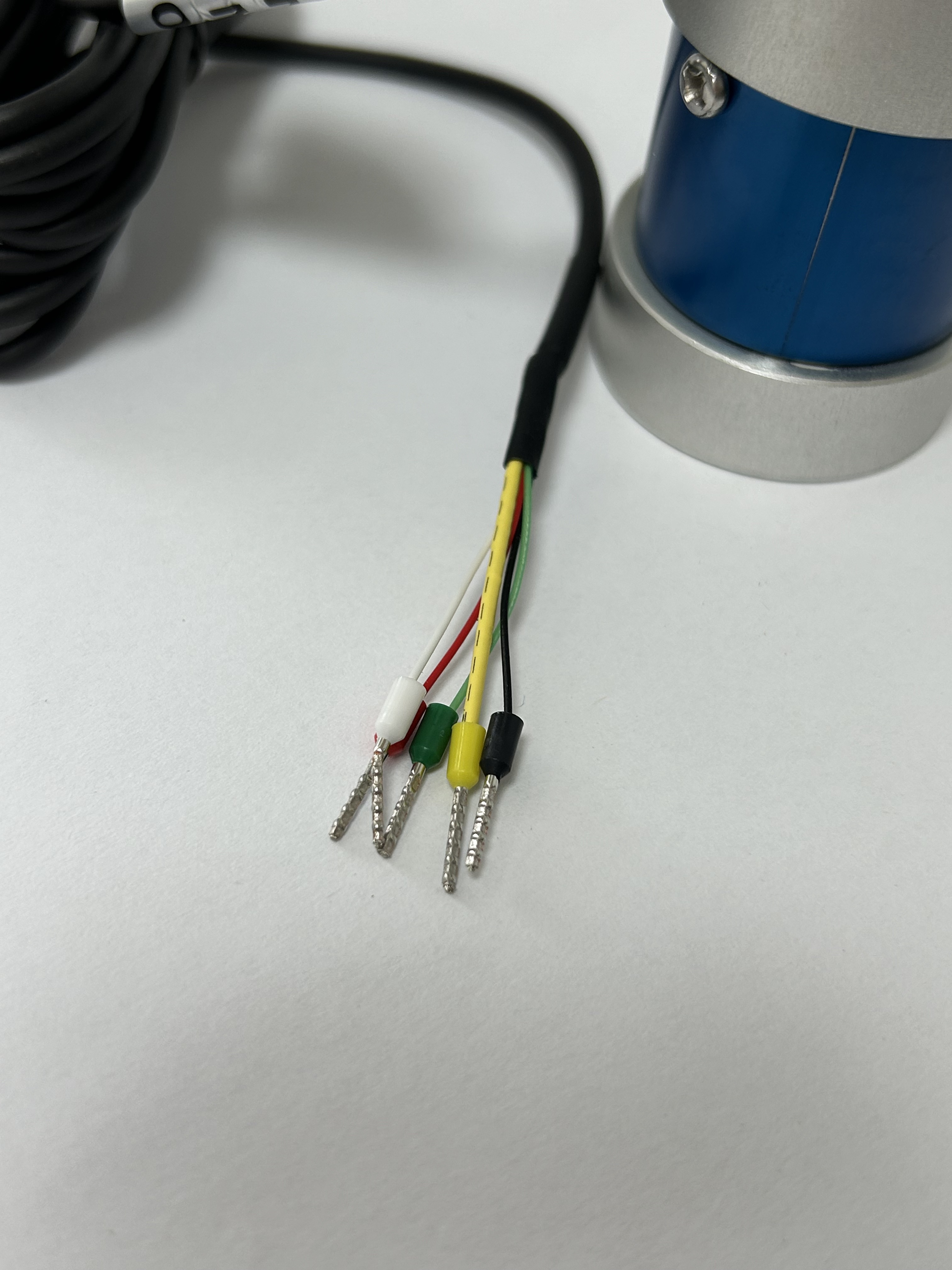
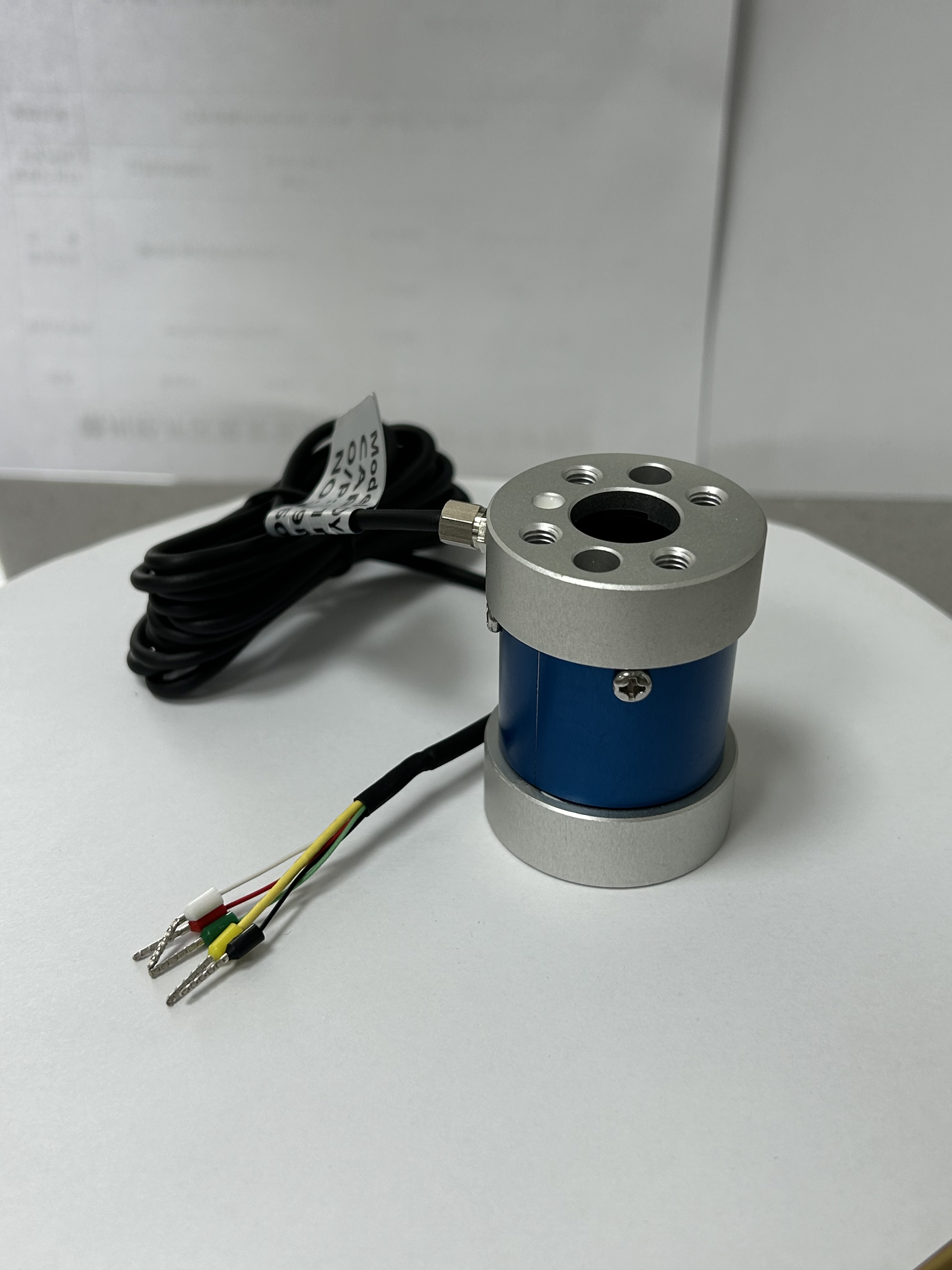
Strain Gauge Torque Transducers Overview

application/strain-gauge-torque-transducer, application/strain-gauge-torque-transducer, 
Inquiry
Inquiry

strain gauge torque transducer

Strain  gauge torque transducers are essential devices for  measuring torque in various  applications, providing highly accurate and  reliable  data. As a purchasing manager or  engineer,  understanding the intricacies of these transducers is  vital for ensuring optimal performance in your operations.  This  article will  delve  into the  key  specifications, common installation issues, practical applications across industries, and the  features  and  benefits  of strain gauge torque  transducers, helping you make informed decisions for  your projects.

Key Specifications of Strain Gauge Torque Transducers You Should Know

Key Specifications of Strain Gauge Torque Transducers You Should Know

Understanding the key specifications of strain  gauge torque  transducers is crucial for selecting the right  product for your application. Some important specifications include:


Measurement Range: This indicates the minimum and maximum  torque the transducer  can measure. It’s vital to choose a transducer with a range that fits your operational needs; otherwise, you may risk damage to the  device or inaccurate readings.

Sensitivity: Sensitivity reflects how much the output signal changes in  response to a given torque input. Higher sensitivity allows for more precise measurements,  particularly in applications requiring fine resolution.

Accuracy and Linearity: These specifications  determine  how closely  the output reading aligns with the actual torque value. Any deviations can lead to significant  errors in process control, making it essential to validate these metrics  before purchasing.

Operating Temperature Range: Ensure that the transducer can withstand the  environmental  conditions of your application. Extreme temperatures  can affect performance, so it’s critical to  confirm compatibility.

Output Type: Strain gauge  torque transducers may offer analog or digital outputs. Understanding your system's  input requirements will help in selecting the appropriate output type.

Common Installation Issues with Strain Gauge Torque Transducers and Their Solutions

Common Installation Issues with Strain Gauge Torque Transducers and Their Solutions

Proper installation is key to ensuring accurate  torque measurement. Here  are some common issues and their  solutions:

Alignment Problems: Misalignment during installation can  lead to inaccurate readings. Ensure  that the transducer is installed in a way that the applied  torque is aligned with the sensing element. A misaligned transducer might  not  only give faulty outputs but could also lead  to  mechanical failure.

Temperature Influence: Strain gauges  can be  sensitive  to  temperature  fluctuations, affecting their readings. To mitigate this, consider using thermal compensation techniques or materials that minimize thermal drift.


Electrical Noise: Electrical interference can  distort the signals from the transducer. Utilizing  shielded cables and proper grounding techniques can  help reduce noise and enhance signal integrity.

Inadequate Load Application: Ensure that the torque is applied gradually during testing. Sudden application  of torque can exceed the transducer’s limits, potentially damaging it. Implementing a controlled application process is advisable.

Applications of Strain Gauge Torque Transducers in Various Industries Explained

Applications of Strain Gauge Torque Transducers in Various Industries Explained

Strain gauge torque transducers find  applications across several industries due to their precision and reliability:

Automotive:  In automotive testing, these transducers  are used to measure engine torque, ensuring that performance meets specifications. They are also employed in testing drivetrain components to optimize efficiency and durability.

Aerospace: In the aerospace sector, accurate torque measurement is critical for component assembly and maintenance. Strain gauge torque  transducers help ensure that parts  are assembled  to the correct specifications, enhancing safety  and  performance.

Manufacturing: Many  manufacturing processes rely  on torque measurement for quality control.  Strain gauge transducers can  monitor assembly  lines, ensuring that  torque values  remain within specified limits, thus reducing  the risk of defects. Furthermore, utilizing precision tools like Mv Signal Amplifier for Load Cell can enhance overall measurement accuracy.


Renewable Energy: In the renewable  energy sector, strain gauge torque transducers are used in wind turbines to measure torque in gearboxes, ensuring optimal  operation  and maintenance schedules.

Features and Benefits Overview

Strain gauge torque transducers offer several  features and benefits that make them suitable for a wide range of applications:

High Precision and Accuracy:  The use of  strain gauges allows for exceptional  precision, making  these transducers  ideal for applications where accurate  torque measurements are  critical.

Robust Design:  Many strain gauge torque transducers are  designed to withstand harsh environments, enhancing  their durability and reliability  in demanding applications.

Versatile Output Options:  With options for both analog and digital outputs, these transducers can easily integrate with existing systems, offering flexibility for various applications.

Customization Capabilities:  Suppliers like JIANGXI JINGCE SENSING TECHNOLOGY CO., LTD. can provide  customized solutions tailored to specific industry  needs, ensuring that the transducer  meets unique operational  requirements.

Cost-Effectiveness:  While initial costs may be higher compared to other torque measurement solutions, the  long-term savings from reduced errors and increased  operational efficiency can make strain gauge torque transducers a cost-effective choice.

By understanding these aspects of strain gauge torque transducers, purchasing managers and engineers can make informed decisions  that align with their  operational needs and quality standards.

Supplier Insights

When selecting a supplier for strain  gauge torque transducers, consider their manufacturing capabilities  and expertise.  JIANGXI JINGCE SENSING TECHNOLOGY CO., LTD.  specializes in high-precision sensors and  has a solid background  in producing load cells and  force sensors. Their certifications,  including CE and  RoHS, underscore their commitment to quality and compliance with international  standards. Additionally, they offer Chinese Factory Weighing Compression Tension Junction Box, which showcases their expertise in load cell technology.

A  capable supplier should offer OEM and ODM solutions tailored to specific industry  requirements. Look for  a partner  who can  customize products  according to your  specifications, ensuring compatibility with your existing  systems. Additionally, evaluate their production capacity and lead times, especially if your operation requires large quantities  or rapid delivery.


Frequently Asked Questions

What is a strain gauge torque transducer?

A strain gauge torque transducer converts torque into an electrical signal using bonded strain gauges. It measures rotational force precisely for testing, control, and monitoring applications.
Our transducers provide high-precision accuracy with CE and RoHS certifications, ensuring reliable performance and safety for industrial use.
Common applications include lifting, weighing, automation, and new energy sectors where precise torque measurement is required.
Yes. We offer OEM/ODM solutions and can customize ranges, mechanical interfaces, and output options to meet specific application needs.
Available outputs include mV/V, analog, and optional wireless modules. Mounting flanges and shaft configurations can be tailored for easy integration.

Get a Free Quote

Our representative will contact you soon.
0/1000