Key Considerations When Sourcing Force Measurement Sensors

application/force-measurement-sensor, application/force-measurement-sensor, 
Inquiry
Inquiry

force measurement sensor

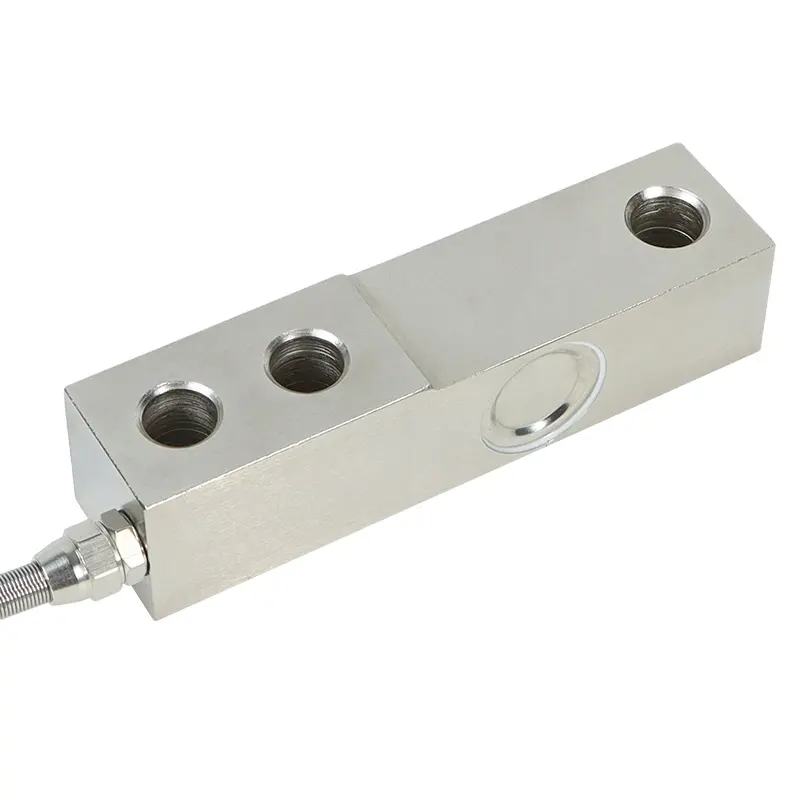
Force measurement sensors  are critical tools in various  industrial  applications,  providing accurate and reliable data for weighing, lifting, and automation  processes.  Buyers  in the manufacturing and engineering  sectors often have concerns regarding  the  precision,  compatibility, and overall performance of these devices. This  article aims  to guide purchasing managers,  distributors, and engineers  through  the essential aspects  of sourcing force measurement  sensors,  ensuring they make informed decisions that align with  their specific needs.

Where to Find Reliable Suppliers for Force Measurement Solutions

Where to Find Reliable Suppliers for Force Measurement Solutions

Finding trustworthy suppliers for force measurement solutions is essential for securing high-quality products. Here are some avenues to consider:

Industry Trade Shows:  Attending trade shows dedicated to manufacturing  and  automation can  provide firsthand  exposure to  various suppliers. This allows  buyers to assess product quality  and engage with manufacturers directly.

Online Marketplaces and Directories:  Platforms like ThomasNet or Alibaba can  be useful for identifying potential suppliers. Look for those with positive reviews and a proven track record in  the industry.

Certifications and  Standards: Ensure that potential  suppliers  hold relevant certifications, such as CE or RoHS, which indicate compliance with industry standards. This can be a key indicator of product quality and reliability.

Networking with Industry Peers: Engaging with other professionals  within your sector can yield recommendations for reputable suppliers. Personal experiences  shared by peers can provide insights that online reviews  may not capture.

By utilizing these resources, buyers can identify reliable suppliers that  meet  their specific needs  for force measurement sensors.

Cost Factors to Consider When Purchasing Force Measurement Sensors

Cost Factors to Consider When Purchasing Force Measurement Sensors

Understanding the cost factors associated with purchasing force  measurement sensors is crucial for budget planning.  Key considerations include:

Product Specifications: Higher accuracy and specialized  features typically come at a premium. Buyers should weigh the  cost  against the performance requirements of their application.

Customization: Custom solutions can drive up costs. If your application requires specific modifications or features, ensure that the  manufacturer provides a  detailed quote that outlines these additional expenses.

Order Quantity: Many manufacturers offer bulk pricing discounts. Evaluating  your needs against minimum  order quantities (MOQs) can help optimize costs.

Shipping  and Handling: Consider the logistics involved in  acquiring the sensors. Shipping costs  can vary significantly based on location,  and international orders may incur additional tariffs and customs fees.

Long-term  Value: While it may be  tempting to choose  cheaper options, consider the potential costs of lower-quality sensors, such as increased maintenance, downtime,  and  replacement frequency. Investing in higher-quality products can yield better long-term  value.

By understanding these cost factors, buyers can  make informed purchasing decisions that balance quality and budget.

Installation Guidance for Force Measurement Sensors in Your Systems

Installation Guidance for Force Measurement Sensors in Your Systems

Proper installation of force  measurement sensors is vital for  ensuring accurate performance.  Here are some practical tips:

Site Preparation:  Before installation, ensure that the installation site is clean and free from debris. This minimizes the risk  of contaminants affecting sensor performance.

Follow Manufacturer  Instructions: Each sensor may have specific installation guidelines. Adhering  to  these recommendations is crucial for optimal performance and  longevity.


Calibration: Post-installation calibration  is essential. This process ensures that the sensor is  accurately  measuring force according to its specifications. Regular recalibration may also be  necessary  based on usage and environmental conditions.

Testing: After installation, conduct performance tests to ensure  the sensor operates  correctly within the system. This can help  identify any issues before full-scale production.

By following these installation guidelines, buyers can maximize the effectiveness  of their force measurement  sensors in operational settings.

Applications of Force Measurement Sensors in Various Industries

Force measurement sensors find applications across multiple industries,  each leveraging their unique capabilities. Some notable applications include:

Manufacturing and Automation: In assembly lines, these sensors help  monitor and control the force applied during  operations, ensuring product quality and safety.

Aerospace: Force sensors are used  in testing and monitoring  aircraft components to ensure they can withstand operational loads.

Automotive  Testing: These sensors are  critical  in crash testing and in monitoring the forces experienced  by vehicles,  contributing to safety improvements.

Medical Devices: In healthcare, force sensors can be integrated into devices  such as prosthetics, providing feedback on pressure and force applied.

Research  and  Development: Many R&D departments utilize force measurement sensors to gather data on material properties and  performance under various conditions. For instance, various types of Load cell can be employed in these applications to achieve precise measurements.

By understanding  the diverse applications of  force measurement sensors,  buyers can better appreciate their value  and select solutions that  fit their  industry-specific needs.

Key Specifications to Evaluate When Sourcing Force Sensors

When  sourcing force measurement sensors, several key specifications  should be  evaluated to ensure they meet the application's requirements.

Measurement Range: The sensor's load capacity must align with the expected force levels in your  application. For instance,  sensors designed  for lightweight applications may not perform accurately  in high-load environments.

Accuracy and Precision: Look for specifications that detail  the sensor's accuracy, typically expressed as a percentage of full scale. This is crucial for applications where precision is paramount, such as in quality control or safety-critical systems.  Additionally, understanding the type of Encoder used can enhance accuracy in force measurements.

Output Signal: Determine the  type  of output  signal that best fits your system. Common options include analog (like voltage or current) and  digital  outputs. Each has its  advantages depending on the data processing systems you are using.

Environmental Conditions: Consider the operating conditions such  as temperature, humidity, and exposure to chemicals. Selecting a sensor with adequate protection against  these factors is vital to ensure longevity and reliability.

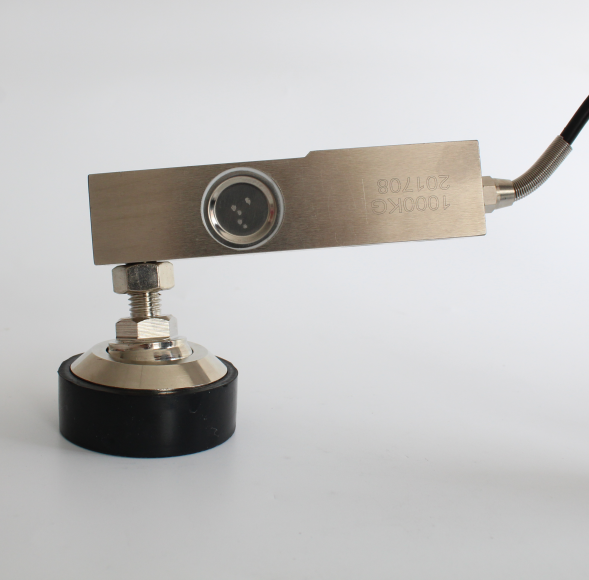
Mounting Compatibility: Make sure the sensor's dimensions and mounting options are compatible with your existing machinery. An improper  fit can lead to installation challenges  and  affect measurement accuracy.

By evaluating these specifications, buyers can ensure that the force measurement sensors selected will  function optimally in their specific applications.

Frequently Asked Questions

What is a force measurement sensor used for?

A force measurement sensor measures tension, compression, or load in applications like lifting, weighing, automation, and new energy systems for accurate force monitoring and control.
Our sensors offer high-precision performance and comply with CE and RoHS certifications, ensuring reliable measurement quality and regulatory safety.
Yes. We offer OEM and ODM solutions, customizing load cell specifications, form factors, and interfaces to meet industry-specific requirements.
Sensors support common outputs such as analog voltage/current and digital interfaces; wireless dynamometer options are available for remote monitoring.
Contact our sales or technical team with application details and specs. We will provide guidance, compatibility advice, and a tailored quotation for your project.

Get a Free Quote

Our representative will contact you soon.
0/1000