Choosing the Right Force Pressure Sensor

application/force-pressure-sensor, application/force-pressure-sensor, 
Inquiry
Inquiry

force pressure sensor

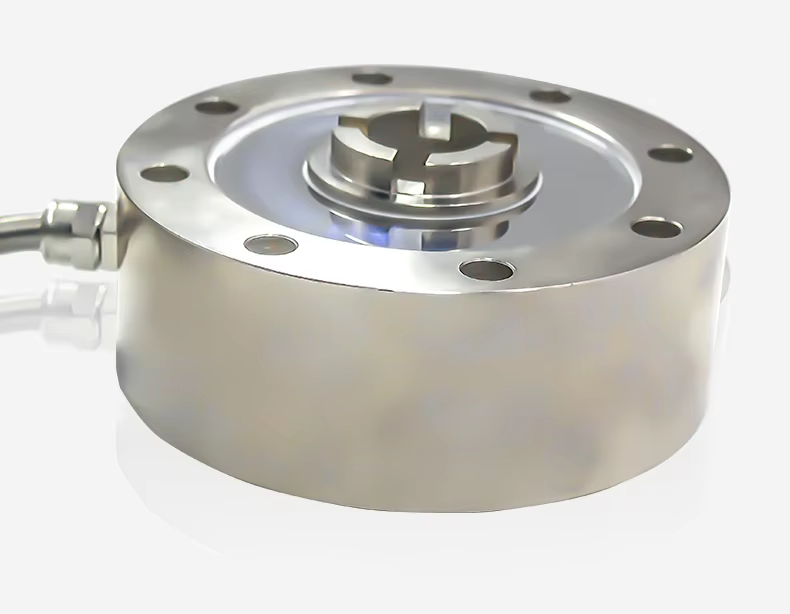
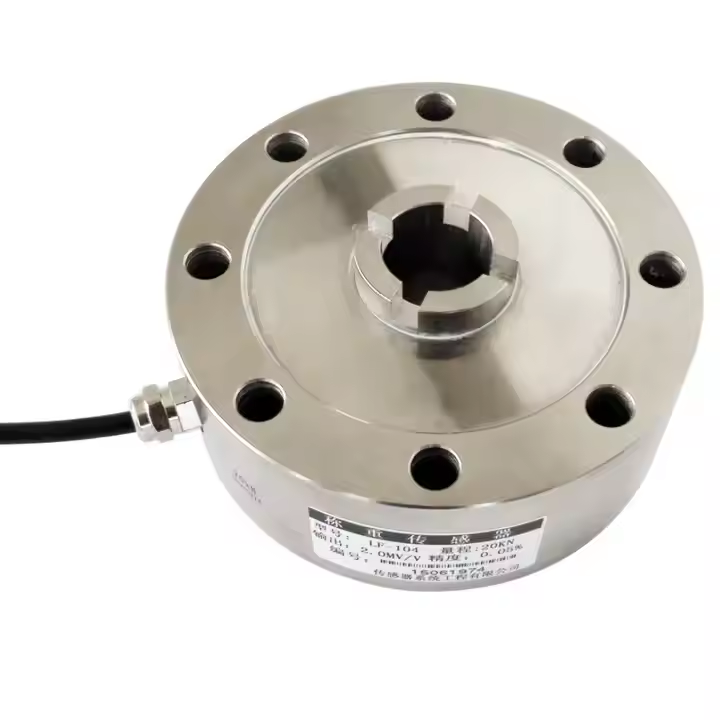
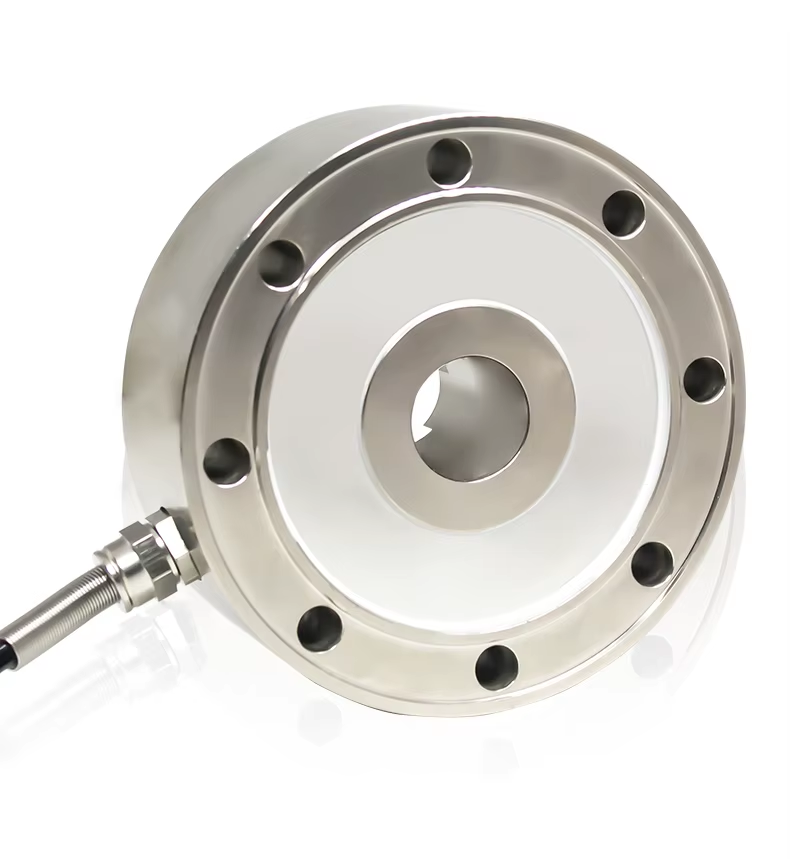
Understanding the intricacies of selecting the right force pressure sensor is essential for professionals in manufacturing, automation, and related fields. A force pressure sensor is a critical component used to measure the force exerted on an object, which is essential for applications ranging from weighing systems to robotic automation. Buyers often face concerns around product accuracy, compatibility, and cost-effectiveness. This article will guide you in choosing the right force pressure sensor, discuss key specifications, highlight important features, and provide insights into cost considerations.

 
Key Specifications to Consider When Sourcing Force Pressure Sensors

Key Specifications to Consider When Sourcing Force Pressure Sensors

When sourcing force pressure sensors, pay close attention to the following specifications:

Measurement Range: The sensor must support the maximum and minimum force or pressure levels relevant to your application. Oversizing or undersizing can lead to inaccurate readings or sensor failure.

Accuracy and Precision: Look for specifications that detail the sensor’s accuracy, typically expressed as a percentage of full-scale output. High-precision sensors are crucial in applications requiring detailed measurements, such as High Quality Industrial Load Cell Weight Sensor.

Temperature Coefficient: This specification indicates how the sensor's readings may vary with temperature changes. A low temperature coefficient is preferable for applications in fluctuating environments.

Output Signal: Determine the type of output signal required for your application. Common types include analog voltage/current, digital, and wireless signals. Ensure compatibility with your data acquisition system.


Material and Build Quality: The materials used in the sensor’s construction can affect its durability and suitability for specific applications. Look for sensors made from corrosion-resistant materials if they will be exposed to harsh chemicals.

What to Look for in Force Pressure Sensors

What to Look for in Force Pressure Sensors

Choosing the right force pressure sensor involves assessing several key features:

Calibration and Certification: Ensure the sensor is calibrated and certified according to relevant industry standards, such as CE or RoHS. This guarantees reliability and compliance with regulatory requirements.

Environmental Protection: Features like IP ratings indicate the sensor's resistance to dust and moisture. Sensors with higher ratings will perform better in challenging environments.

Response Time: Evaluate how quickly the sensor can respond to changes in force or pressure. Faster response times are necessary for dynamic applications where real-time data is crucial.

Size and Weight: Consider the sensor’s physical dimensions, especially if space is limited in your application. Compact sensors can be beneficial in confined installations.

Customization Options: Some manufacturers offer customization capabilities, allowing you to specify unique requirements such as custom outputs or mechanical designs, which can be important for specialized applications.

Cost Considerations for Force Pressure Sensors

Cost Considerations for Force Pressure Sensors

The cost of force pressure sensors can vary widely based on several factors:

Specifications: Higher accuracy, wider measurement ranges, and specialized materials typically increase the price. Assess the balance between the required specifications and your budget.

Volume Discounts: If you plan to purchase in bulk, inquire about volume discounts. Manufacturers often provide better pricing for larger orders.

Warranty and Support: Consider the warranty period and customer support offered by the manufacturer. A longer warranty may justify a higher initial cost, indicating confidence in product durability.


Lead Time: Custom sensors may have longer lead times, affecting project timelines. If time is a critical factor, balance the need for customization with the urgency of your project.

Total Cost of Ownership: Factor in potential maintenance, calibration, and replacement costs. A sensor with a lower upfront cost might end up being more expensive over time if it requires frequent servicing.

Features and Benefits Explained

Understanding the features of force pressure sensors can help you appreciate their benefits:

High Precision and Accuracy: High-quality sensors provide precise measurements that enhance product quality and operational efficiency, reducing errors in automated systems.

Versatile Applications: Force pressure sensors can be used across various industries, including manufacturing, automotive, aerospace, and healthcare, making them a versatile choice for many projects.

Integration with Automation Systems: Many modern sensors offer wireless connectivity, enabling easy integration with IoT and automation systems. This feature enhances data collection and real-time monitoring capabilities.

Durability and Reliability: Sensors constructed with high-quality materials and robust designs ensure longevity and reliability, even in demanding applications, reducing the risk of unexpected failures.

Customization Capabilities: The ability to customize sensors allows businesses to tailor solutions to their specific needs, improving overall operational efficiency and effectiveness.

In summary, selecting the right force pressure sensor involves careful consideration of application requirements, specifications, and features. By understanding the key specifications, evaluating costs, and recognizing the benefits of various features, you can make an informed decision that aligns with your operational goals. JIANGXI JINGCE SENSING TECHNOLOGY CO., LTD. offers a range of high-precision sensors, ensuring that you find the ideal solution for your needs.

How to Choose the Right Force Pressure Sensor for Your Projec

When selecting a force pressure sensor, begin by defining your application requirements. Consider the maximum force or pressure range your sensor needs to measure. For instance, a sensor designed for a dynamic weighing application will differ from one used in a static load test.

Next, evaluate the environmental conditions the sensor will be exposed to, such as temperature fluctuations, humidity, or potential chemical exposures. A sensor housed in a robust casing may be required for harsh environments, while a standard sensor might suffice in controlled settings. Additionally, if you are looking for advanced options, consider exploring Customizable PMC Sensors Load Cell Transmitter that can meet specific needs.

Finally, consider the integration aspects. Ensure that the sensor's output type (analog, digital, or wireless) matches your system's requirements. If your project involves automation, look for sensors that can seamlessly integrate with existing control systems.

Frequently Asked Questions

What types of force pressure sensors do you offer?

We provide high-precision load cells, inline force sensors, and wireless dynamometer options tailored for lifting, weighing, automation, and new energy applications.
Yes. Our force pressure sensors hold CE and RoHS certifications, ensuring compliance with safety and environmental standards required by many industries.
Yes. We offer OEM/ODM customization for sensor range, mounting, connectors, and calibration to meet specific application and integration requirements.
We supply sensors across a wide range of capacities with high precision; specific accuracy and range depend on model—custom calibration is available to meet exact specs.
Yes. We provide technical support for integration, calibration services, documentation, and guidance to ensure seamless deployment in lifting, weighing, and automation systems.

Get a Free Quote

Our representative will contact you soon.
0/1000