Choosing Quality Torque Cells for Your Needs

application/torque-cells, application/torque-cells, 
Inquiry
Inquiry

torque cells

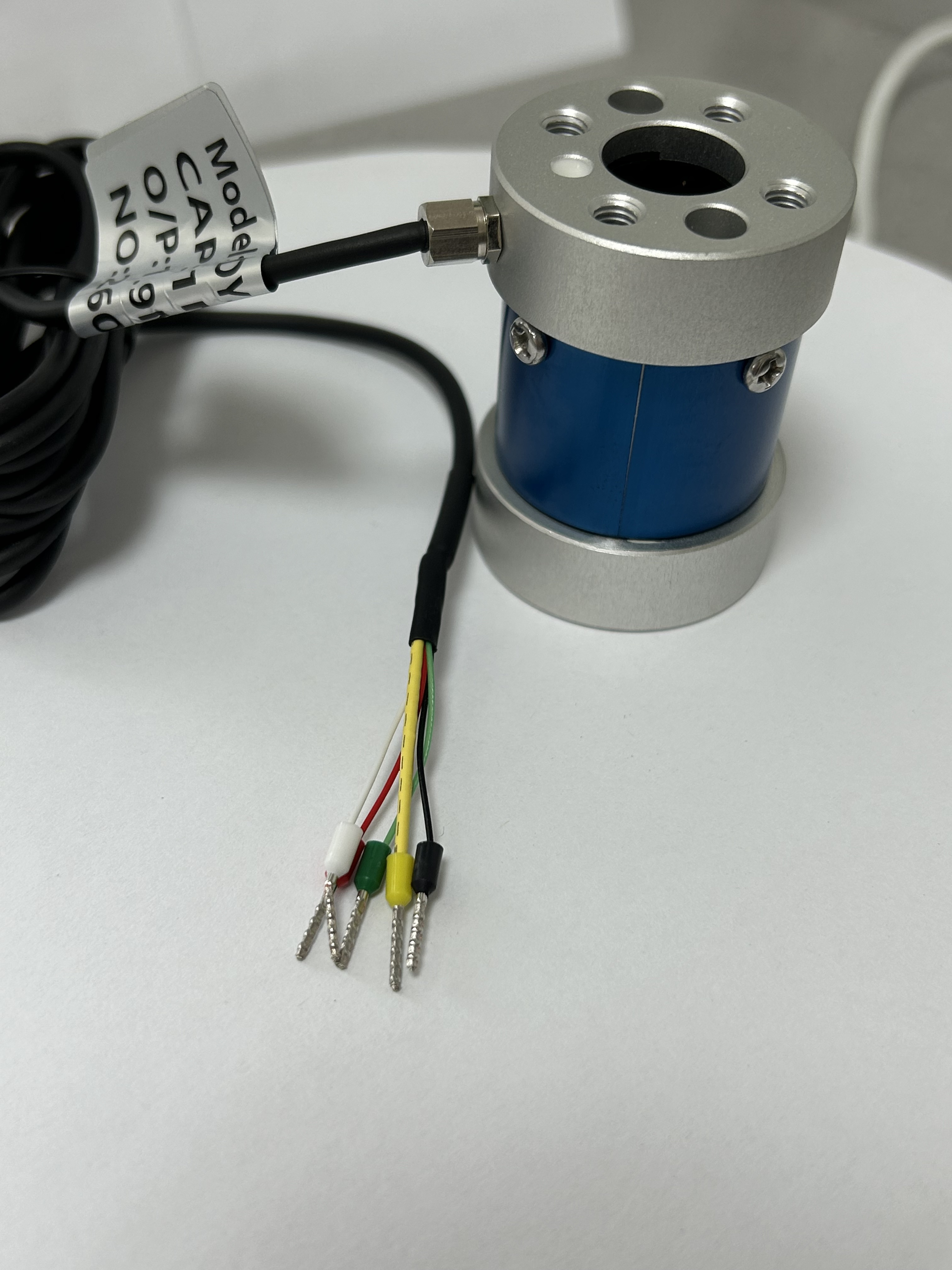
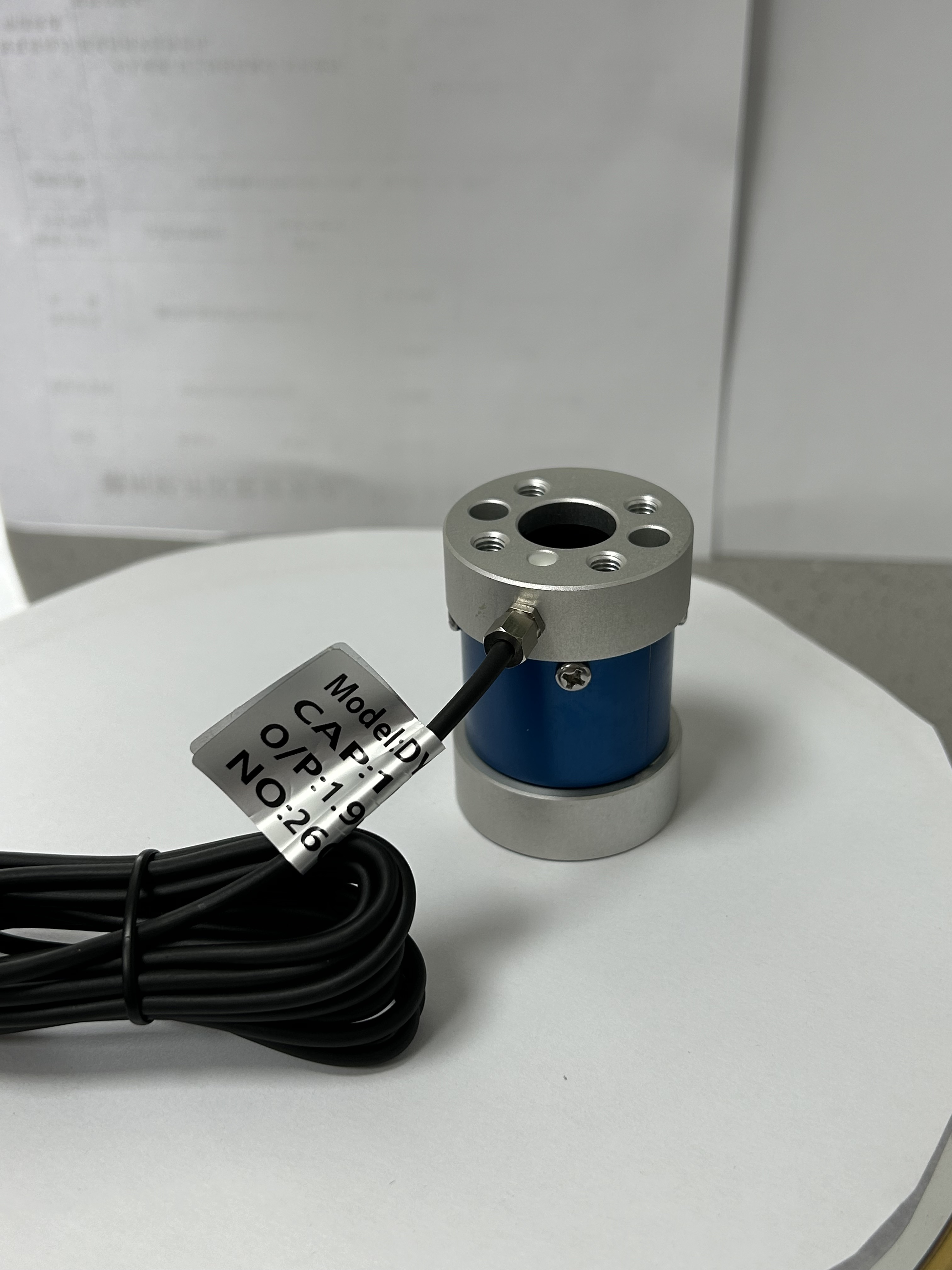
Torque cells are essential devices used  to measure  the torque applied to a rotating object, providing  vital data for  a variety of applications,  including  industrial automation and quality control. For purchasing managers and engineers, understanding the intricacies  of torque cells is  critical in selecting the right  product for  their specific needs. This article  will help you navigate the key aspects  of torque  cells,  including how to  choose quality options,  evaluate specifications, ensure optimal performance, troubleshoot common issues,  and understand the material  advantages  of high-precision torque cells. Additionally, understanding the role of a Torque rotary sensor can enhance your overall approach to torque measurement.

 
How to Evaluate the Quality of Torque Cells for Bulk Orders

How to Evaluate the Quality of Torque Cells for Bulk Orders

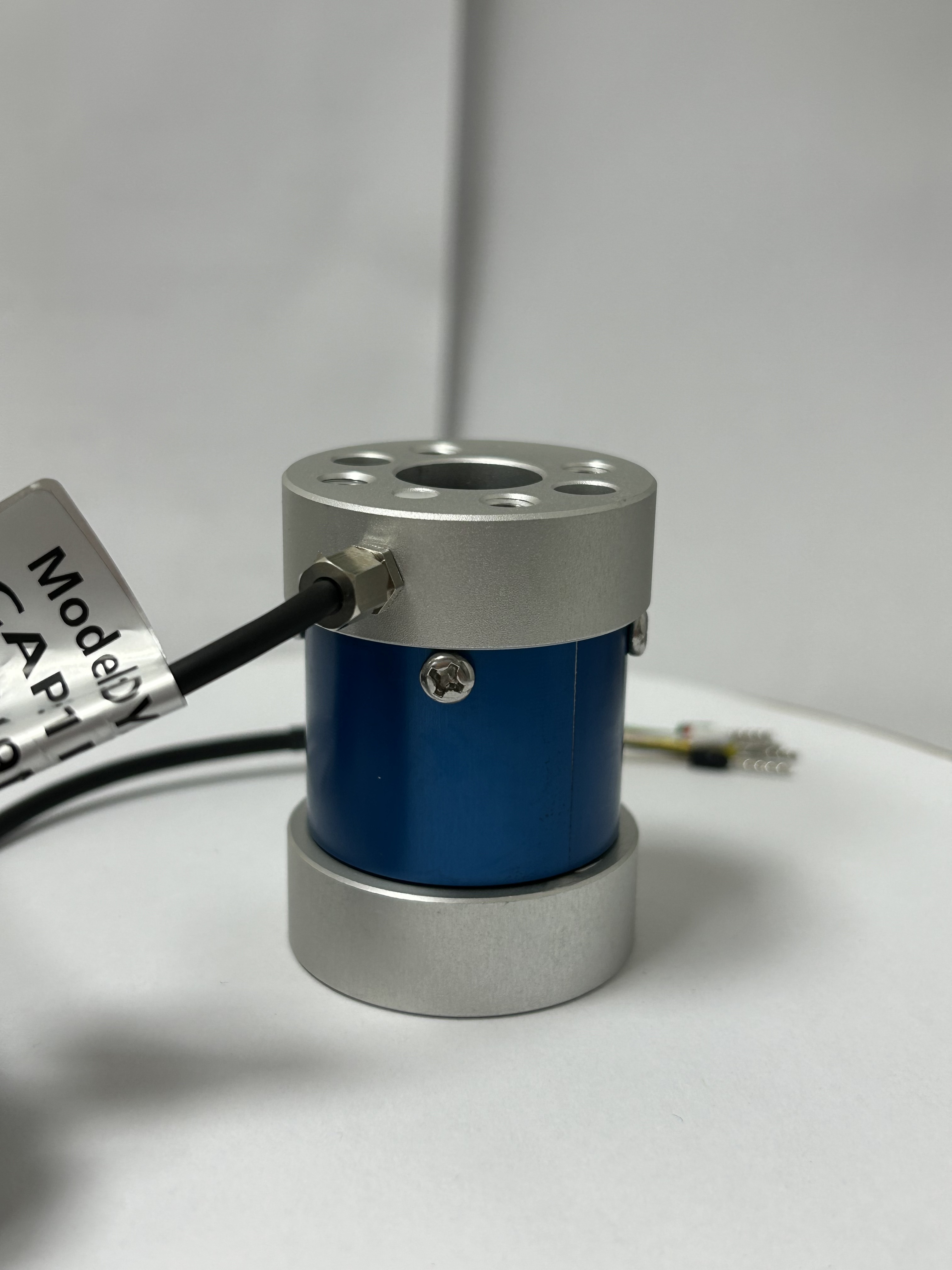
Understanding torque  cell specifications is crucial for selecting the right device for your application.  Key specifications to  evaluate include:

Torque Capacity: This indicates the maximum torque the cell can measure without  being damaged. It’s essential to choose a cell with a capacity that  exceeds the maximum expected torque in your  application to prevent failure.

Sensitivity: This refers to the smallest change in  torque that the cell can detect. Higher sensitivity  is crucial  for  applications that  require precise measurements, such as quality control in manufacturing.

Measurement Range:  It’s important to select a torque cell that operates effectively within the range relevant to your application.  Ensure that both low  and high extremes are adequately covered.

Temperature and Environmental Resistance: Torque cells may operate in various conditions.  Specifications should include information on temperature limits and resistance to moisture or chemical exposure, depending on the working environment.

Output  Signal Type:  Torque cells may provide different output signals, such as analog or digital. Ensure compatibility  with existing systems to avoid additional integration costs.

Confirming these specifications early in  the selection process  can help you avoid costly missteps later on.

Understanding the Cost Factors Involved in Torque Cell Purchases

Understanding the Cost Factors Involved in Torque Cell Purchases

To ensure optimal performance from  torque cells, it  is crucial to consider installation and operational factors. Begin by verifying that the torque  cell is installed correctly. Misalignment during installation can lead to inaccurate measurements  or premature  failure.

Additionally, regular calibration is  essential to maintain accuracy.  Depending on the application, it might  be necessary to calibrate the torque  cells periodically, especially if  they  are frequently subjected to extreme  loads  or environmental conditions.


It’s also important  to monitor the performance of torque cells during use. Look  for deviations in  expected output, which  may indicate  wear or damage. Implementing a routine inspection schedule can help identify  and rectify issues before they lead to more significant problems.

Exploring Applications of Torque Cells in Various Industries

Exploring Applications of Torque Cells in Various Industries

Common problems encountered  with torque cells include:

Inaccurate Readings: This can arise from improper installation,  electrical noise, or calibration issues.  Ensure that the installation aligns with manufacturer guidelines and that the electrical connections are secure. Regular calibration can  rectify inaccuracies.

Signal Interference: Electrical noise can disrupt signal transmission. Utilizing shielded cables and ensuring proper grounding can help mitigate this issue.

Mechanical  Failure: Overloading  torque cells beyond their specified capacity can lead to mechanical damage.  Always choose a torque  cell with a  suitable capacity for your application and ensure that it operates  within its limits.

Environmental  Factors:  Exposure to extreme temperatures  or corrosive chemicals can affect performance.  Selecting a torque cell designed for  harsh environments can prevent such issues.


By understanding these common problems and their  solutions,  purchasing managers can make informed  decisions that enhance the longevity and reliability of their torque measuring  systems.

Benefits of Using High-Quality Torque Cells in Your Projects

The materials used in manufacturing torque cells significantly  impact their performance and durability. High-precision  torque cells often utilize materials such as stainless steel or aluminum, which provide strength  while  maintaining a lightweight  profile.

Stainless Steel: Known for its corrosion resistance, stainless steel is ideal for  applications in humid or chemically  aggressive environments. It maintains its integrity under varying temperatures, ensuring  long-term reliability.

Aluminum Alloys: These materials offer high strength-to-weight ratios, making them suitable for portable or  mobile applications. Aluminum torque cells can  also be treated for additional corrosion resistance.

Polymer Coatings: Some torque cells may feature polymer coatings that enhance durability  and resistance  to environmental factors. This can be particularly beneficial in applications where exposure to chemicals  or moisture is a concern.


Choosing the right materials for  torque cells  not only affects their performance but also their lifespan and reliability in  demanding applications. Collaborating  with a  reputable manufacturer that understands these material considerations can  lead to better product performance tailored to specific operational needs.

Choosing the Right Torque Cells for Your Manufacturing Needs

When selecting  torque cells for  bulk orders, focus on several critical  factors. First, consider the specifications that dictate performance, such  as maximum torque capacity, sensitivity, and  measurement range. These specifications  should align with  the intended application to ensure accurate readings.

Next,  evaluate the  manufacturer’s reputation  and experience. Companies like JIANGXI JINGCE SENSING TECHNOLOGY  CO., LTD. provide high-precision torque cells and have the necessary certifications, such as  CE and RoHS, which  assure compliance with international standards. Additionally, inquire about production capacity and lead times to ensure timely delivery. If you're looking for specific types, consider exploring options like Load cell technologies that can complement your torque measurement needs.

Lastly, consider customization  options. Many manufacturers offer OEM and  ODM solutions that  can tailor torque  cells to meet unique project requirements.  Providing clear specifications and anticipated usage scenarios can facilitate a more accurate and  tailored  product offering.

Frequently Asked Questions

What are torque cells used for?

Torque cells measure rotational force in applications like motor testing, drivetrain analysis, and assembly torque monitoring, providing high-precision data for control and quality assurance.
Our torque cells deliver high-precision measurements across a wide range of capacities. Specific accuracy and range depend on model; please contact us with requirements for exact specifications.
Yes. We offer models with wired analog outputs and wireless digital options, compatible with common data acquisition systems and automation controllers.
Yes. We provide OEM/ODM customization including mechanical fittings, output configurations, calibration, and certificates to meet industry requirements.
Our torque cells come with CE and RoHS compliance where applicable, plus factory calibration and optional test reports to ensure reliability in lifting, weighing, automation, and energy sectors.

Get a Free Quote

Our representative will contact you soon.
0/1000