Single Ended Shear Beam Load Cells for Distributors

application/single-ended-shear-beam-load-cell, application/single-ended-shear-beam-load-cell, 
Inquiry
Inquiry

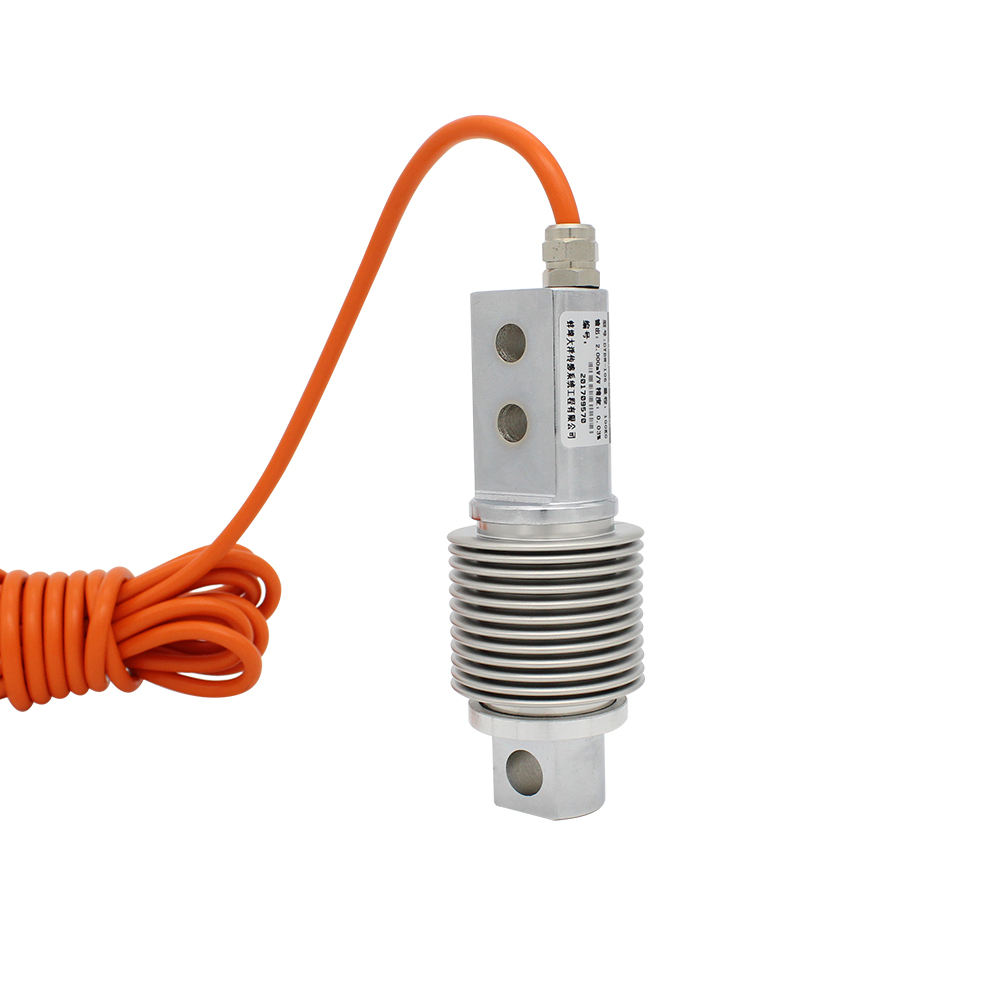
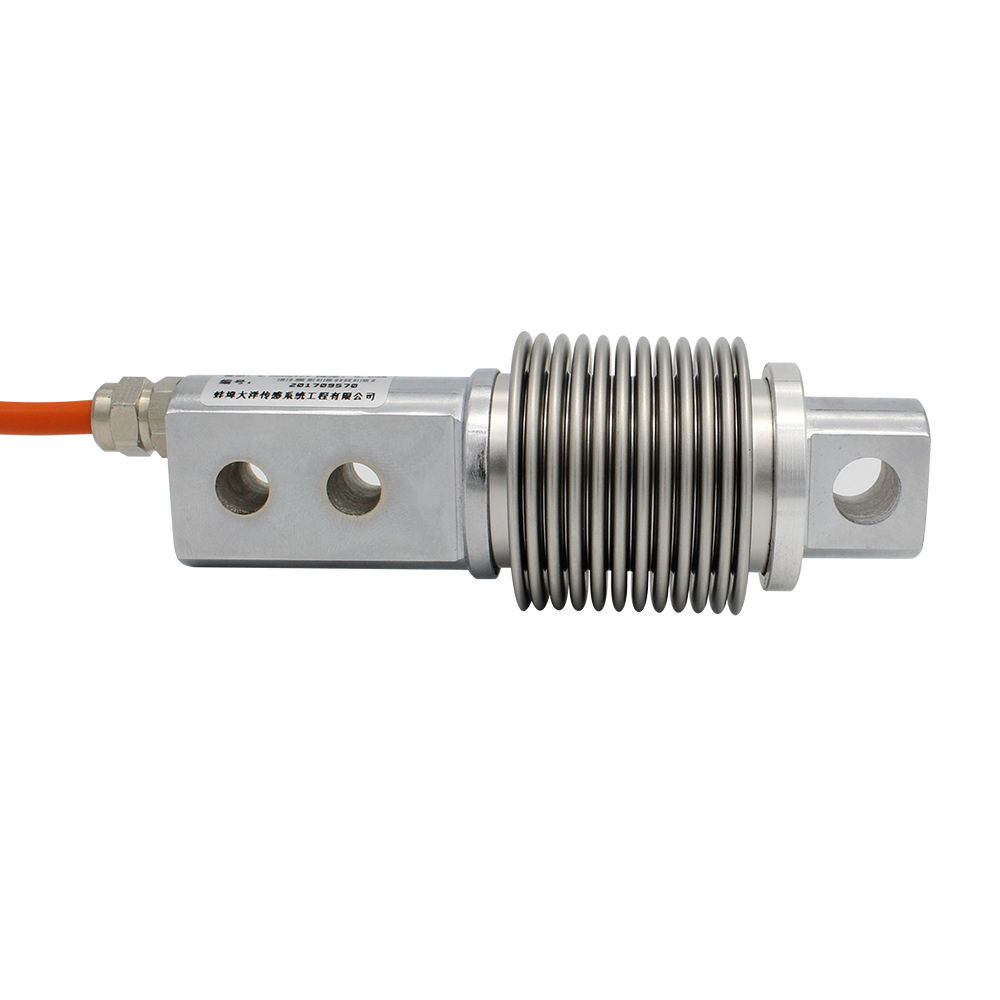
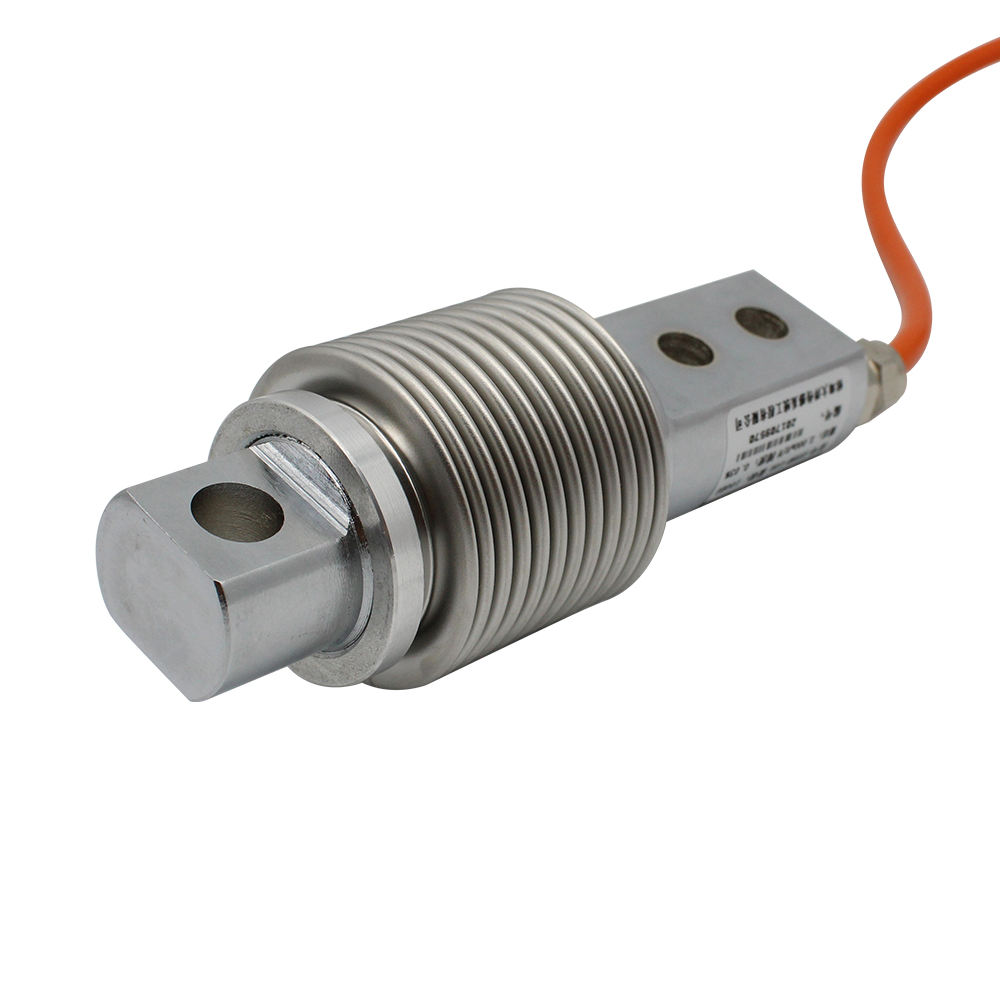
single ended shear beam load cell

Single ended shear beam load  cells are  critical components in various industrial applications, providing accurate measurement  of  force or  weight for a  wide  range of  processes. As a purchasing  manager or distributor, understanding  their  specifications,  benefits, and potential issues is essential for making informed sourcing decisions. This  article will  guide you through key specifications,  the advantages  of bulk ordering,  common  problems and solutions, supplier evaluation, and diverse  applications of single ended shear beam load cells.

 
Bulk Order Benefits of Single Ended Shear Beam Load Cells for Distributors

Bulk Order Benefits of Single Ended Shear Beam Load Cells for Distributors

For distributors, purchasing single ended shear beam load cells  in bulk can yield several significant advantages:

Cost  Efficiency: Bulk purchasing  often leads  to reduced unit costs. Manufacturers may offer  discounts  on larger orders, decreasing  overall procurement expenses and improving profit  margins.

Consistent Supply: Ordering in bulk ensures a  reliable supply of products to meet customer demand, minimizing the risk of stockouts. This is particularly important in industries where downtime  can lead  to significant financial losses.

Reduced Lead Times: By maintaining a sufficient inventory  of load cells, distributors can respond more swiftly to customer  orders, enhancing service levels and customer satisfaction.

Standardization: Bulk  orders allow  distributors to standardize products across their inventory, simplifying inventory  management and reducing complexity in  handling multiple product variations.


Customization Opportunities: Working closely with  manufacturers, distributors can negotiate custom specifications for bulk orders, tailored to their customers’ needs, thereby enhancing value-added services. For example, they can consider options like the Customizable PMC Sensors Load Cell Transmitter to better meet specific requirements.

 
Common Problems with Load Cells and Effective Solutions

Common Problems with Load Cells and Effective Solutions

Despite their reliability, single ended shear  beam load cells may encounter several common issues that can affect performance:

Calibration  Drift: Over time, load cells  might experience calibration drift, leading to inaccurate readings. Regular calibration checks  and adjustments should be part of your maintenance schedule to  ensure  ongoing accuracy.

Environmental Factors: Moisture, dust, or extreme temperatures can affect load cell performance. Ensuring proper sealing and selecting  load cells  with  appropriate IP ratings can mitigate  these issues.

Mechanical Stress: Misalignment or improper installation can lead to excess stress on  the load  cell, resulting in  damage. Always follow installation guidelines  and ensure  proper alignment during setup.

Electrical  Noise: Electrical  interference can distort the signals from load  cells.  Utilizing shielded cables and proper grounding techniques can help reduce noise and improve signal integrity.

By identifying potential problems early and implementing effective solutions, buyers can  enhance the longevity and reliability of their load cells.

Where to Find Reliable Suppliers of Single Ended Shear Beam Load Cells

Where to Find Reliable Suppliers of Single Ended Shear Beam Load Cells

Finding a trustworthy supplier for  single ended  shear beam load cells is critical for ensuring quality and performance. Here are  some steps to identify reliable sources:

Industry Reputation: Research suppliers with a strong reputation  in the industry. Look  for companies with positive customer reviews, case studies, or endorsements  from reputable  organizations.

Certifications:  Verify that suppliers have relevant industry certifications, such as ISO or CE/RoHS. These certifications indicate adherence to quality standards and regulatory compliance.

Technical  Support: A reputable supplier should  offer technical support and assistance in product selection, installation, and troubleshooting. This can  be invaluable in ensuring  you choose the right load cell for your  application.

Customization Capabilities: Suppliers that provide customization options may better meet specific requirements, such as unique dimensions or environmental adaptations. For instance, you might find options like the High Performance 100Nm Static Torque Sensor Load Cell to suit specialized needs.

Sample Evaluation: Request  samples  before committing to  a bulk order. Testing samples under  actual operating conditions will provide insight into performance and  compatibility.

By diligently evaluating  potential suppliers, you can secure a reliable source for your  load cell needs.

Applications of Single Ended Shear Beam Load Cells in Various Industries

Single ended shear beam load cells  are versatile components used across  multiple industries, including:

Manufacturing and Industrial Automation: They are essential in automated weighing systems, providing accurate load measurements in production lines for quality control.

Logistics and Warehousing:  Used in weighbridges and pallet scales, these load cells facilitate accurate weight measurements for freight handling and inventory management.

Beverage and Food Processing: Load cells are employed in bottling and packaging lines to  ensure accurate measurements of ingredients and products, maintaining quality and  compliance with standards.

Renewable Energy: In wind and solar applications, load cells are used  to  monitor loads on structures  and equipment, ensuring integrity and safety.

Construction: Load cells monitor loads on cranes and lifting  equipment, contributing to safe operation and load management.

Understanding these  applications can help buyers appreciate the versatility of single ended shear beam load cells  and  identify  the best  fit  for their specific industry needs. Additionally, options like the Large Capacity 2T-150T Wireless Shackle Load Cell demonstrate their wide applicability in various settings.

By considering the specifications,  benefits of  bulk ordering, common issues, supplier evaluation methods, and various  applications of single ended shear beam load cells, you can  make informed decisions that enhance  operational efficiency and product quality in your organization.

Key Specifications to Consider When Sourcing Load Cells Wholesale

When sourcing single ended shear  beam load cells, several key specifications  should  be evaluated  to ensure they meet your operational requirements.

Load Capacity: This  specifies the maximum load the load cell can handle. It's crucial to choose a load cell with an appropriate capacity tailored to your application,  as exceeding this limit can lead to failure.

Material Construction: Load cells typically use materials such  as  aluminum or stainless steel. Aluminum offers a good strength-to-weight ratio and is suitable for lighter applications, while stainless steel provides enhanced durability  and corrosion resistance for harsher environments.

Output Signal: Load cells  produce  an electrical  signal proportional to the load applied. Standard output signals include mV/V (millivolts per volt) and digital outputs. Ensure the load cell's output type aligns with your data acquisition systems.

Accuracy and Precision: The specifications should include accuracy ratings, often expressed as a percentage of  full scale, e.g., ±0.05%. This is critical for applications requiring high precision, such as in weighing systems.

Temperature Range: Operating  conditions can impact load cell performance. Verify the load cell can function  effectively within your specific temperature range.

IP Rating: An Ingress Protection (IP) rating indicates the load cell's resistance to  dust and moisture. For outdoor applications or  in  humid environments, a higher IP rating is advisable.

Understanding these  specifications will help you choose a load cell that meets both your operational needs and  quality standards.

Frequently Asked Questions

What is a single ended shear beam load cell?

A compact load cell that measures force via shear stress at one end, ideal for platform and tank weighing where space is limited and reliable accuracy is required.
Available capacities typically range from low kg to multiple tons with high precision and stability; exact specs depend on model—contact us for tailored ranges.
Widely used in lifting, weighing, automation, and new energy applications for platform scales, tanks, silos, and industrial processes.
Yes. We provide OEM/ODM customization for dimensions, mounting, output signals, and calibration to meet specific project requirements.
Our load cells carry CE and RoHS compliance. We offer technical support, calibration guidance, and documentation for integration and testing.

Get a Free Quote

Our representative will contact you soon.
0/1000