Choosing the Right Digital Indicator for Load Cells

application/digital-indicator-for-load-cell, application/digital-indicator-for-load-cell, 
Inquiry
Inquiry

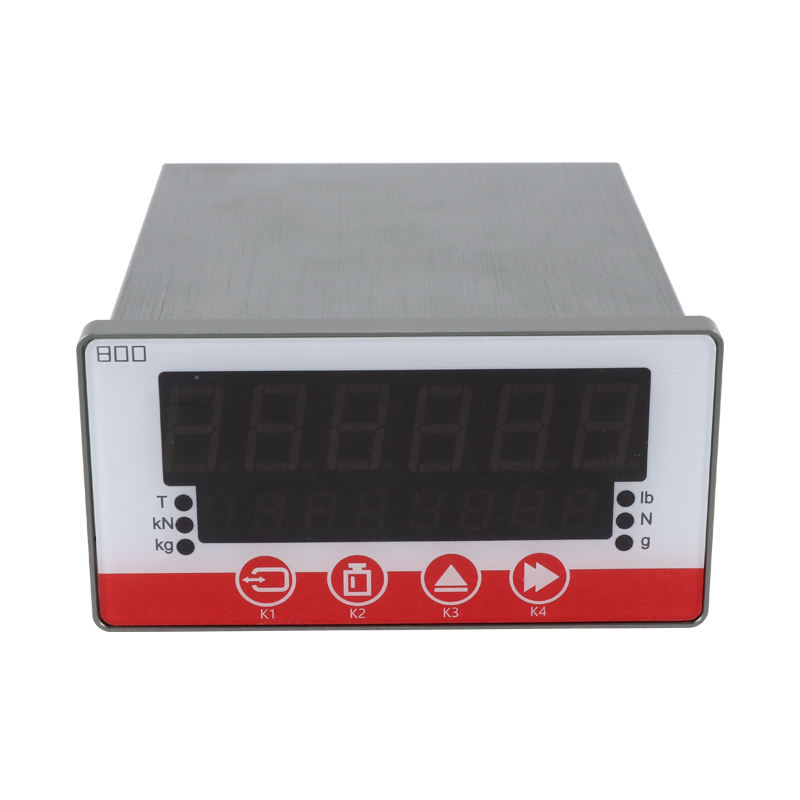
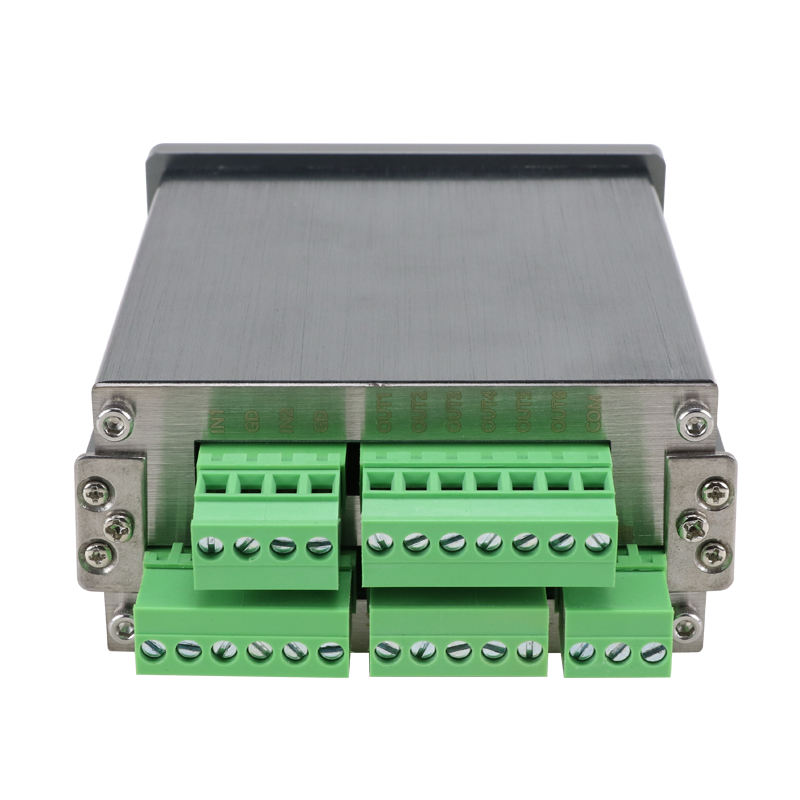
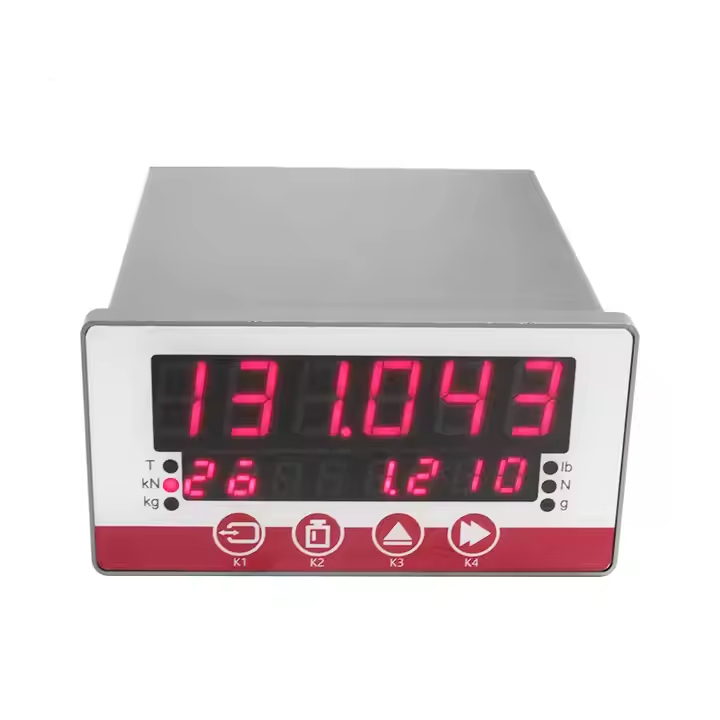
digital indicator for load cell

Digital indicators  for load cells play  a crucial role  in  accurately measuring force,  weight, and load in various industrial applications. These devices convert the analog signals generated by  load cells into digital readings, providing clear and precise measurements essential for  quality control, automation, and operational efficiency. As  a B2B buyer, you  may have specific concerns  regarding compatibility, accuracy, installation,  and cost. This  article  will guide  you through  selecting  the right  digital indicator  for your load cell needs, understanding cost factors, installation guidance, common problems, and applications,  helping you make informed purchasing decisions.

 
Understanding the Cost Factors of Load Cell Digital Indicators

Understanding the Cost Factors of Load Cell Digital Indicators

When evaluating the  cost of digital indicators for load cells, several factors come into play. The initial price often reflects the complexity  and  features  of the device. Basic models may be  less expensive but could lack  advanced capabilities such as data logging, network integration, or high precision.

Customization can also impact the price significantly. If your application requires  specific configurations or features not typically available in standard models, expect additional costs for custom solutions.


Furthermore, consider  the total cost of  ownership, which encompasses installation, calibration, and maintenance. Some  indicators may require more frequent calibration, leading  to  higher long-term costs. It's also wise to inquire about warranty  and support options, as a  solid customer service reputation can save you money and downtime in the long run.

Lastly, keep in mind that while opting  for the cheapest  option may seem attractive, it’s essential to weigh  the potential trade-offs in quality,  reliability, and  support.

Installation Guidance for Load Cell Digital Indicators in Projects

Installation Guidance for Load Cell Digital Indicators in Projects

Proper  installation of digital indicators is critical for accurate measurements and long-term performance.  Start  by referring to the manufacturer's installation manual, which  typically provides step-by-step instructions tailored to the specific model.

Before installation,  ensure that all components, including load cells and digital indicators, are compatible. Check that the wiring is appropriate and that the power  supply  meets the  specifications required by  the  digital  indicator.

During installation, pay close attention to mounting  positions  and orientations. Digital indicators should be mounted in a location that minimizes exposure to environmental stressors  such as dust,  moisture, and extreme temperatures. Additionally,  ensure that the display is easily visible to operators for quick readings.

After installation, conduct thorough testing to verify that the  indicator is functioning correctly. This includes checking for proper signal transmission  from the load cell to the  digital indicator and confirming that the readings are accurate. Regular maintenance and periodic  recalibration are crucial to sustain accuracy over time.

Common Problems with Load Cell Indicators and Their Solutions

Common Problems with Load Cell Indicators and Their Solutions

Despite their reliability, digital  indicators for load  cells can encounter common issues that may affect performance. One  frequent problem is signal interference, which can lead to  inaccurate readings. To mitigate this,  ensure  that all wiring is shielded  and routed away from sources of electromagnetic interference, such as motors and power lines.

Another issue  could be drift in readings over time. This is often caused by environmental factors such as temperature fluctuations  or  mechanical stress on the load cell. Regular  calibration is essential to correct any drift and maintain accuracy.


Additionally, users may experience  display malfunctions, such as flickering or dim  readings.  This could be due to power supply issues or internal component failures.  Always check the power supply specifications and connections first; if these are intact, consult the manufacturer for further troubleshooting.

Lastly,  if the indicator fails to communicate  with a network or other systems, verify that the communication protocols are correctly configured and that any  necessary software updates are applied.


Exploring Applications of Digital Indicators in Load Cell Systems

Digital  indicators serve a wide range of applications across various industries,  making them versatile tools for monitoring and controlling weight and force  measurements.  In the manufacturing sector, for instance, they  can be used for quality control to ensure that products meet weight  specifications before packaging.

In the logistics  and shipping industries, digital indicators are essential for accurate  weight measurement of  cargo. This ensures compliance with regulations and optimizes shipping costs  by avoiding overweight penalties. Utilizing an appropriate Hanging scale can also enhance the efficiency of weight measurements in these sectors.

Additionally, in the field of  automation, digital indicators can be integrated into robotic systems  for precise load management, enabling enhanced safety  and efficiency in material handling processes.

Finally, the new energy sector is increasingly utilizing digital indicators in applications such as monitoring force in wind turbine installations or  assessing load  conditions in solar panel setups, ensuring that structures  can withstand  environmental stresses.

By understanding these applications, you can  better identify how digital indicators for load cells can add  value to  your specific operations, facilitating improved performance and reliability.

How to Choose the Right Digital Indicator for Your Load Cell Needs

Selecting the appropriate digital indicator for your load  cell involves considering several key factors to ensure optimal performance. First,  assess the compatibility of the digital indicator with your  load cell model. This includes checking the input  signal type; most  digital indicators are designed for specific signal ranges, such  as 0-10V or 4-20mA. 

Next, consider the accuracy requirements of your application. Digital indicators come with varying degrees of resolution and precision. For instance, higher precision may be  necessary  in applications involving critical weight measurements or dynamic loads. Additionally, integrating a reliable Load cell with your digital indicator is essential for ensuring measurement accuracy.

Another important aspect is the display type. Some  digital indicators feature LED displays, while others may use LCDs that can be easier to read in different lighting conditions.  Additionally, evaluate  any specific features you may need, such as tare functions, data logging  capabilities, or wireless  communication options.

Lastly, consider  the environmental conditions where the digital indicator will be used. Ensure that it  has the appropriate IP rating  for dust and moisture resistance, especially if it will  be installed  in harsh industrial environments.


Frequently Asked Questions

What is a digital indicator for load cell?

A digital indicator converts load cell signals into readable weight or force values, providing display, tare, calibration, units, and output options for monitoring and control in lifting, weighing, and automation applications.
Our digital indicators support most strain-gauge load cells and force sensors with standard mV/V outputs. Please provide sensor specifications for compatibility confirmation and recommended settings.
The product is developed under CE and RoHS compliant processes, meeting industry standards for safety and environmental compliance in OEM/ODM applications.
Yes. We offer customization of firmware, display, input ranges, communication protocols, and housing to meet specific lifting, weighing, automation, or new energy project requirements.
Available outputs include RS232/RS485, analog 4-20mA or 0-10V, relay/alarm, and optional wireless modules for integration with PLCs, controllers, or remote monitoring systems.

Get a Free Quote

Our representative will contact you soon.
0/1000