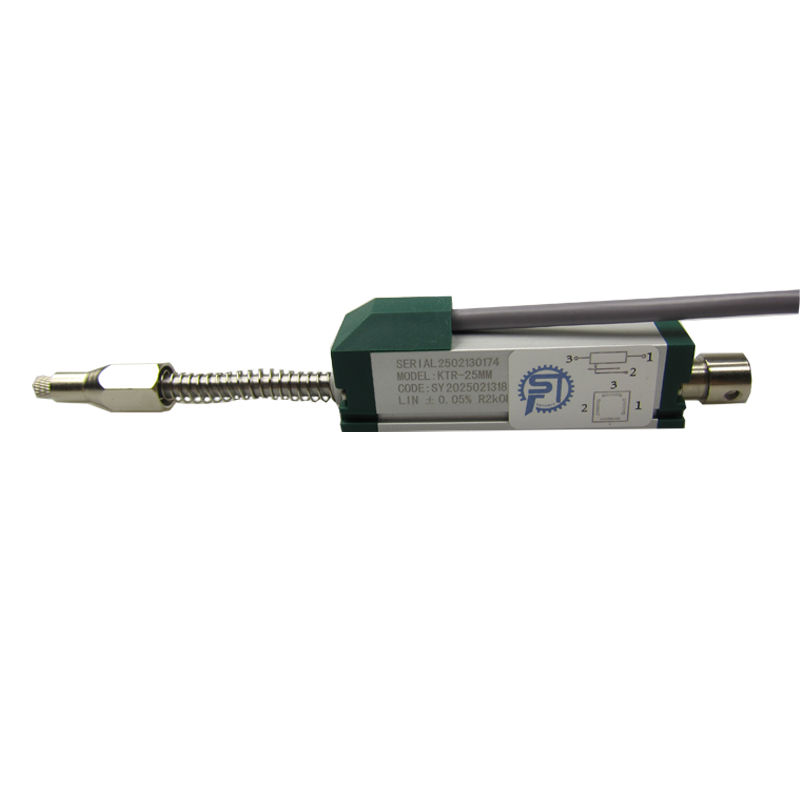
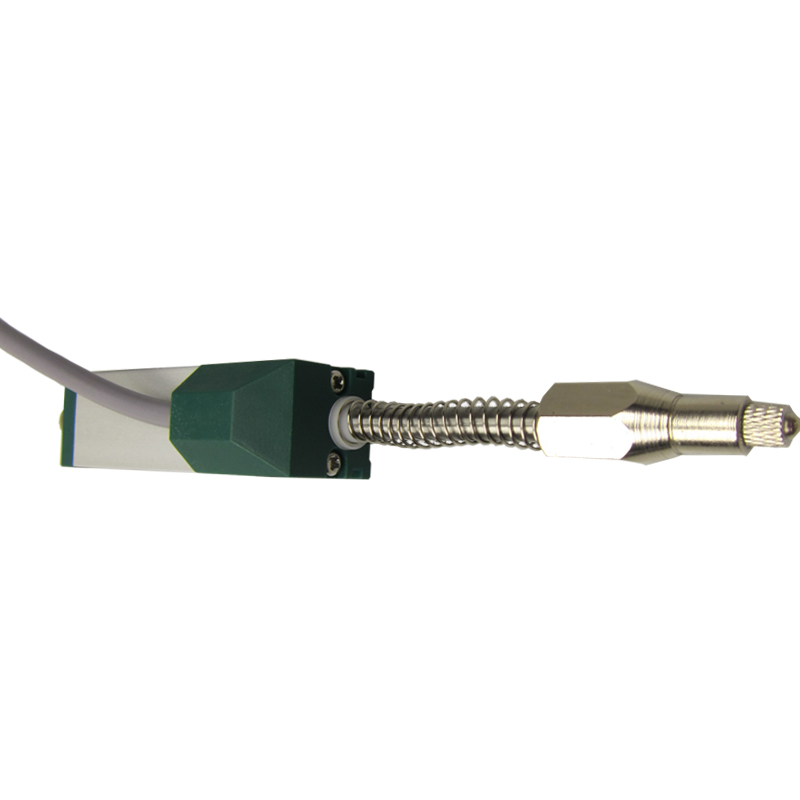
Cost Factors to Consider When Purchasing Linear Position Sensors
When evaluating costs for linear position sensors, several factors come into play. The initial purchase price is just one aspect; consider the total cost of ownership, which includes installation, maintenance, and potential replacement costs over the sensor's lifespan.
Pricing can vary based on the sensor's technology, specifications, and the manufacturer's reputation. High-precision sensors may carry a higher upfront cost but can save money in the long run through improved accuracy and reduced downtime.
Additionally, inquire about any bulk order discounts, as many manufacturers offer reduced rates for larger quantities. It’s also essential to factor in shipping costs and lead times, as these can impact overall project budgets.
Finally, don’t overlook the importance of after-sales support and warranty options. A manufacturer like PST provides robust customer service and clear warranty policies can help mitigate risks associated with sensor failure or performance issues, ultimately contributing to better cost management.
By understanding these factors, purchasing managers and engineers can make informed decisions and choose the right linear position sensor types that meets their specific project requirements while optimizing their budget.
 EN
EN