Choosing the Right Linear Motion Potentiometer

application/linear-motion-potentiometer, application/linear-motion-potentiometer, 
Inquiry
Inquiry

Linear motion potentiometer

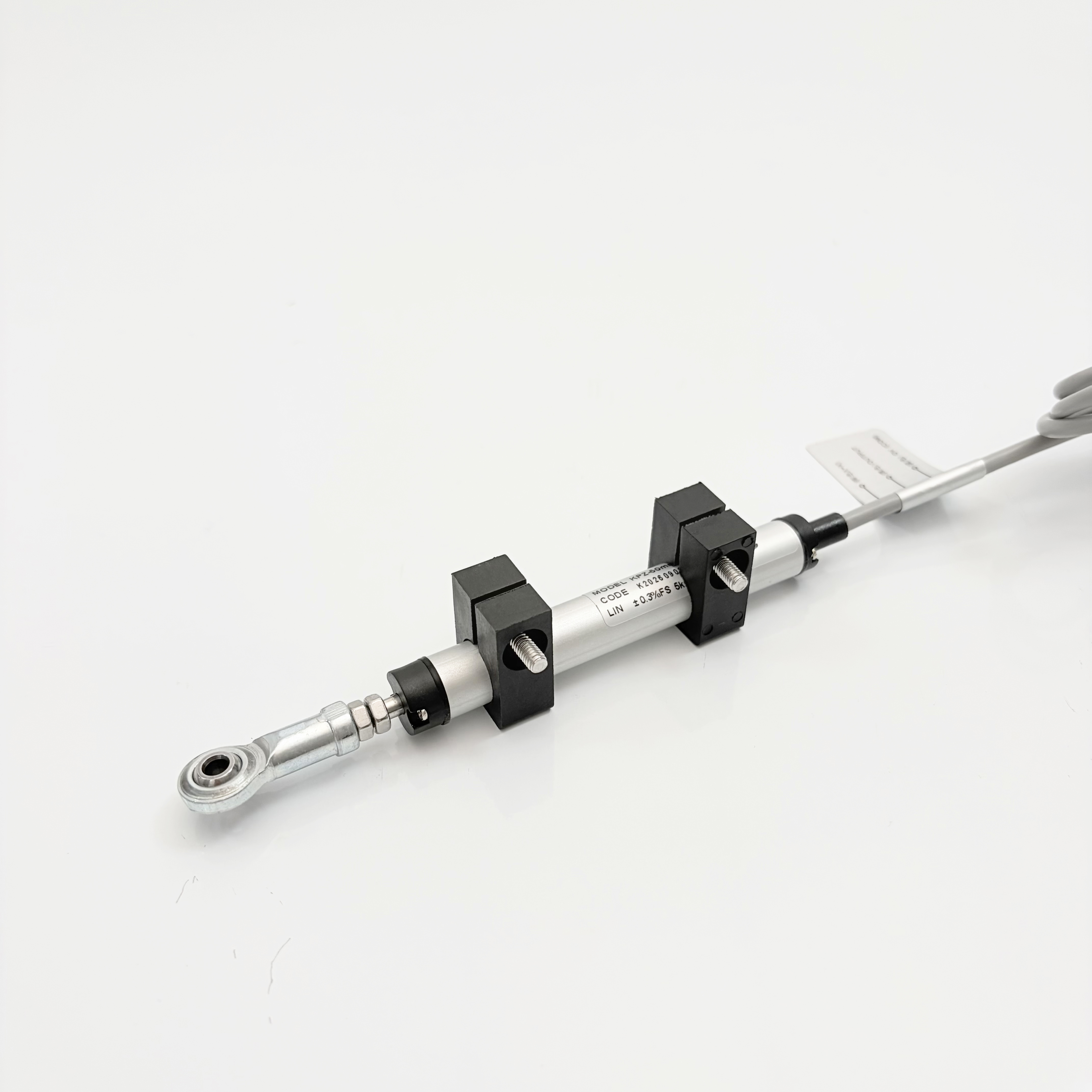
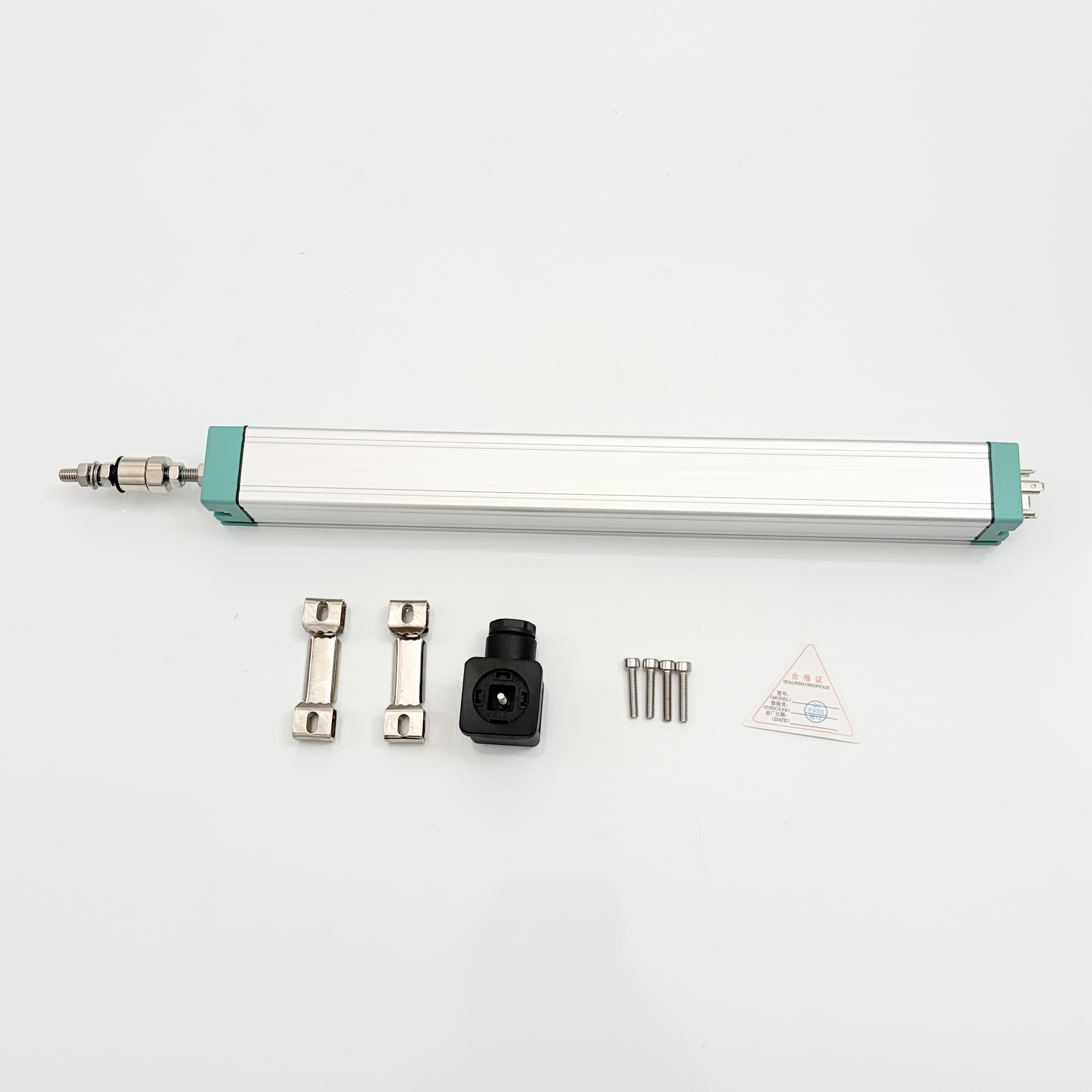
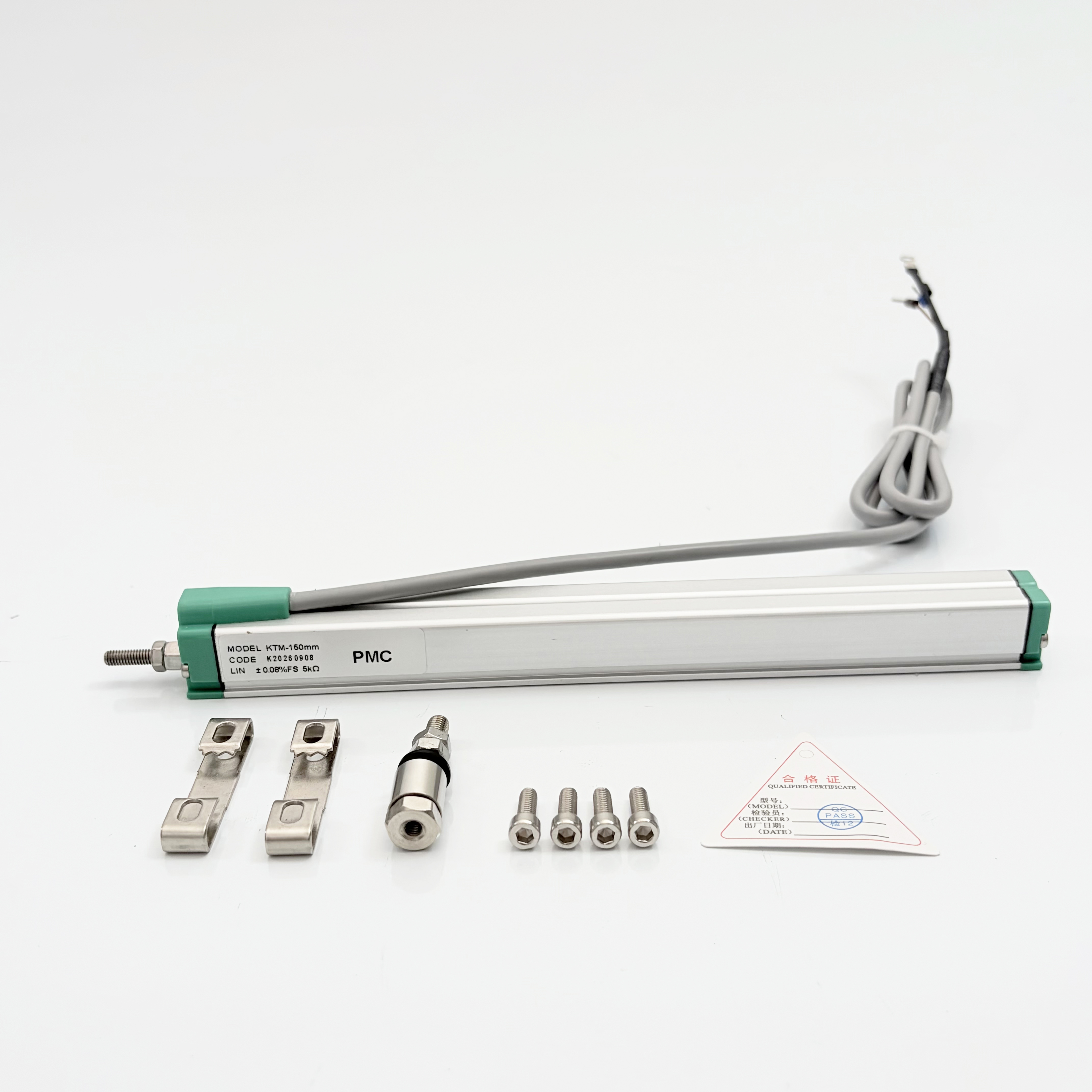
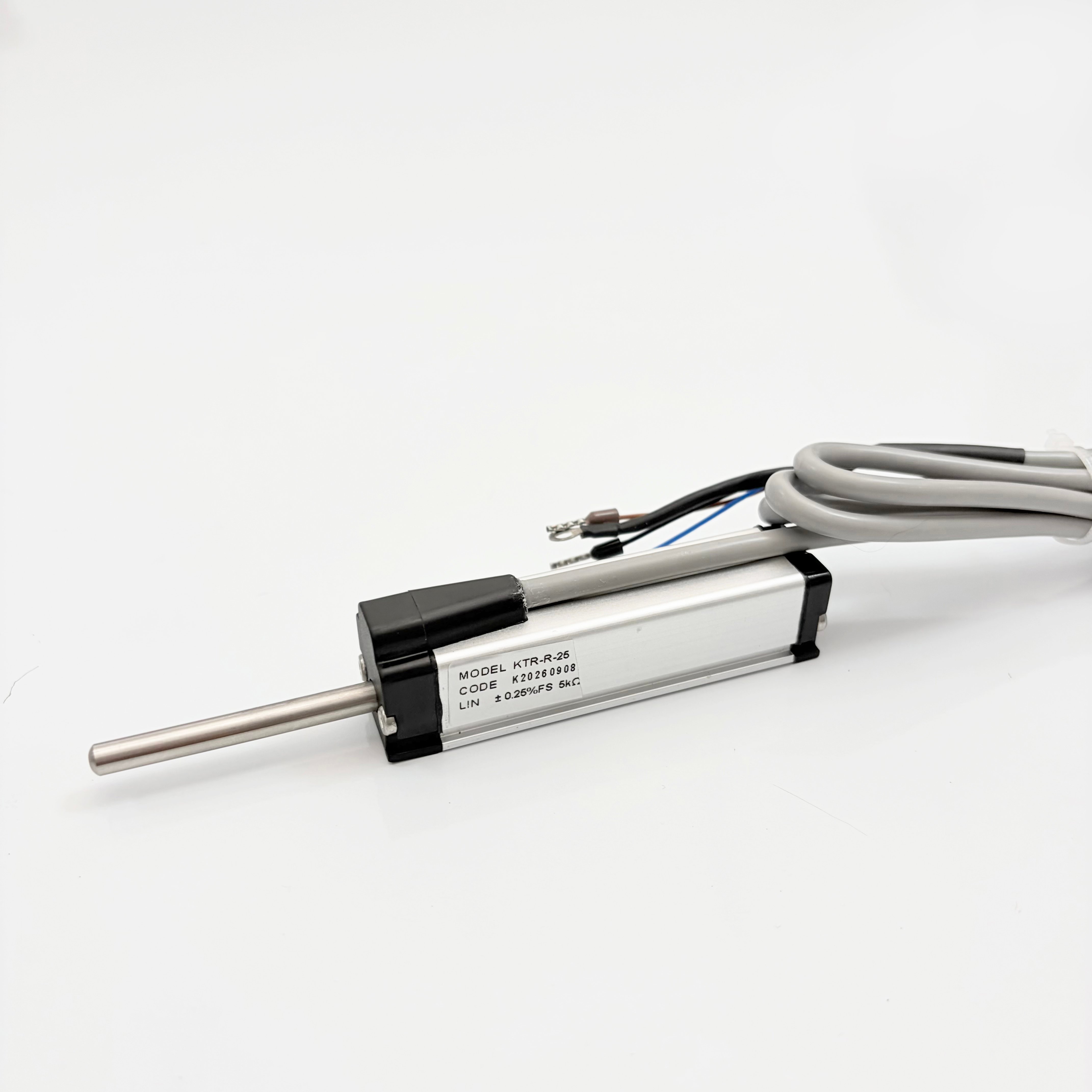
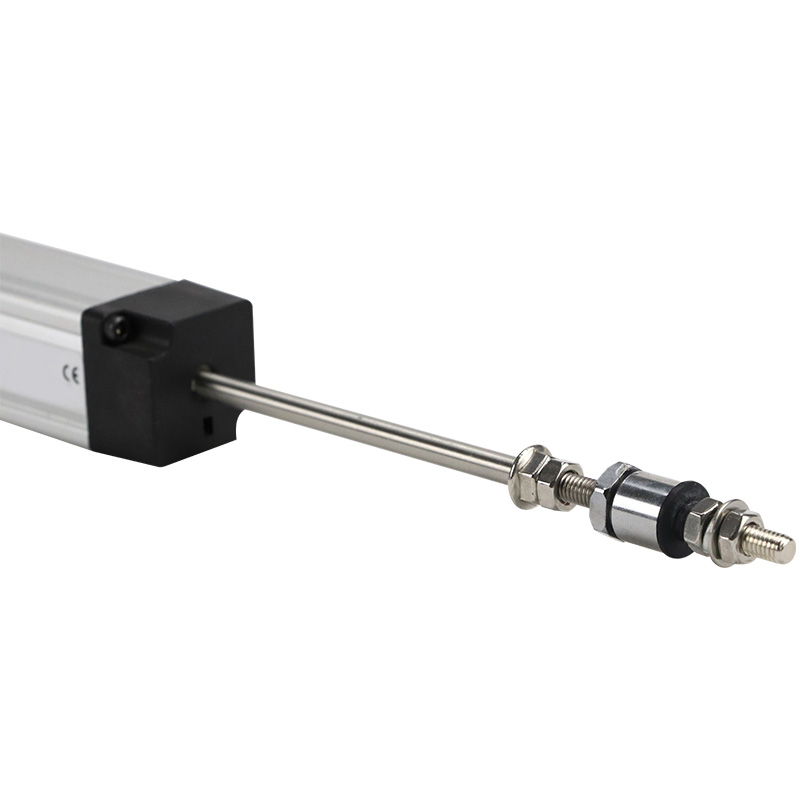
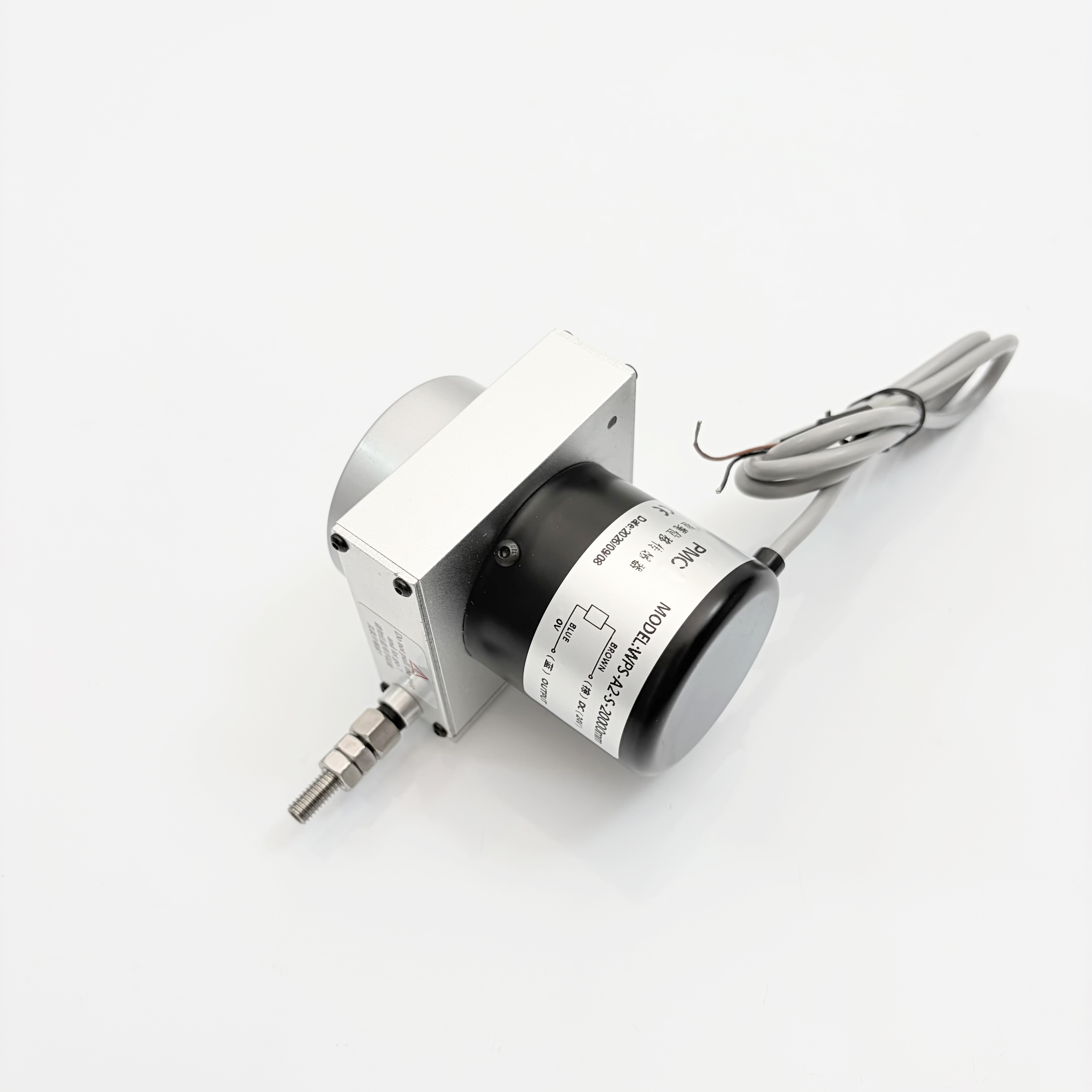
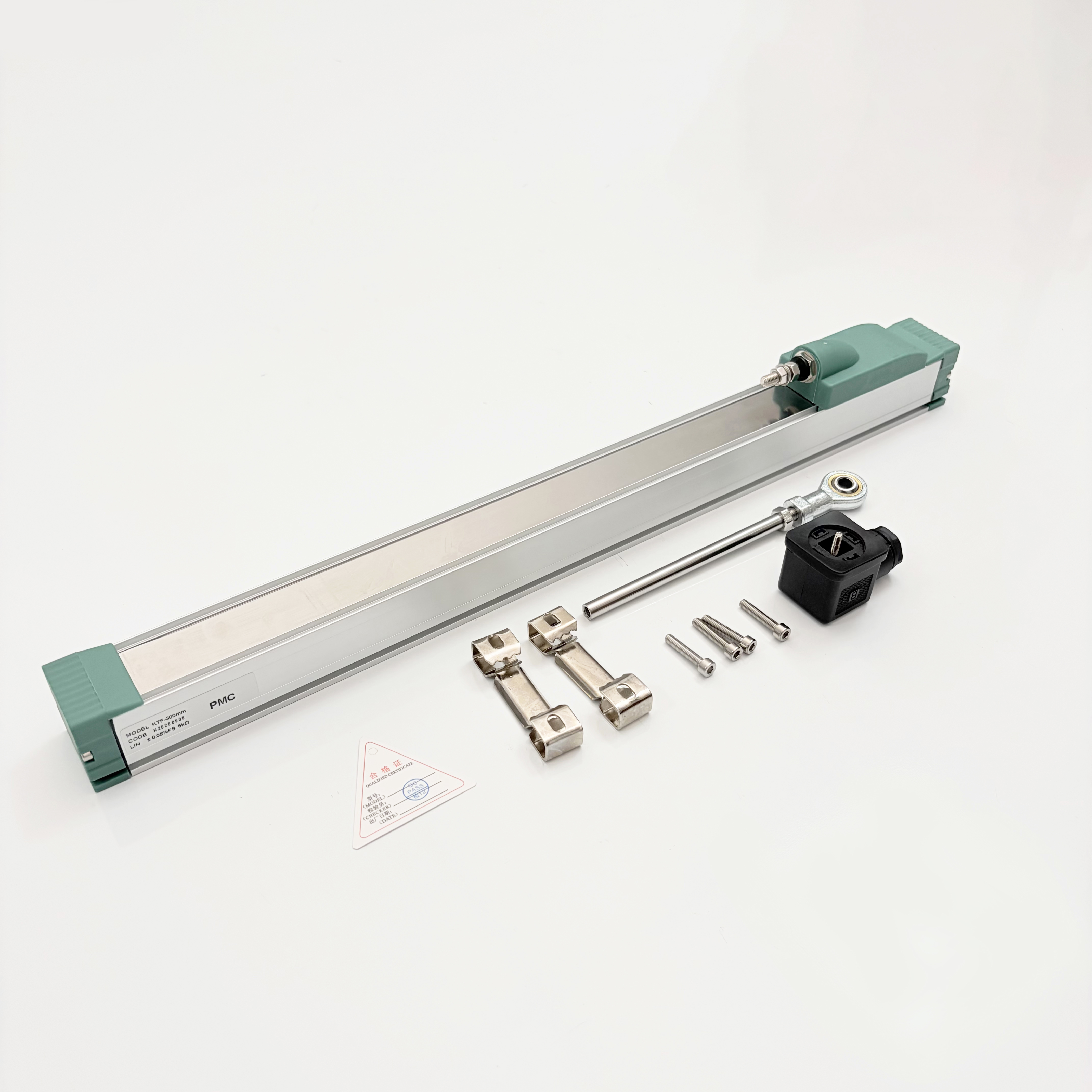
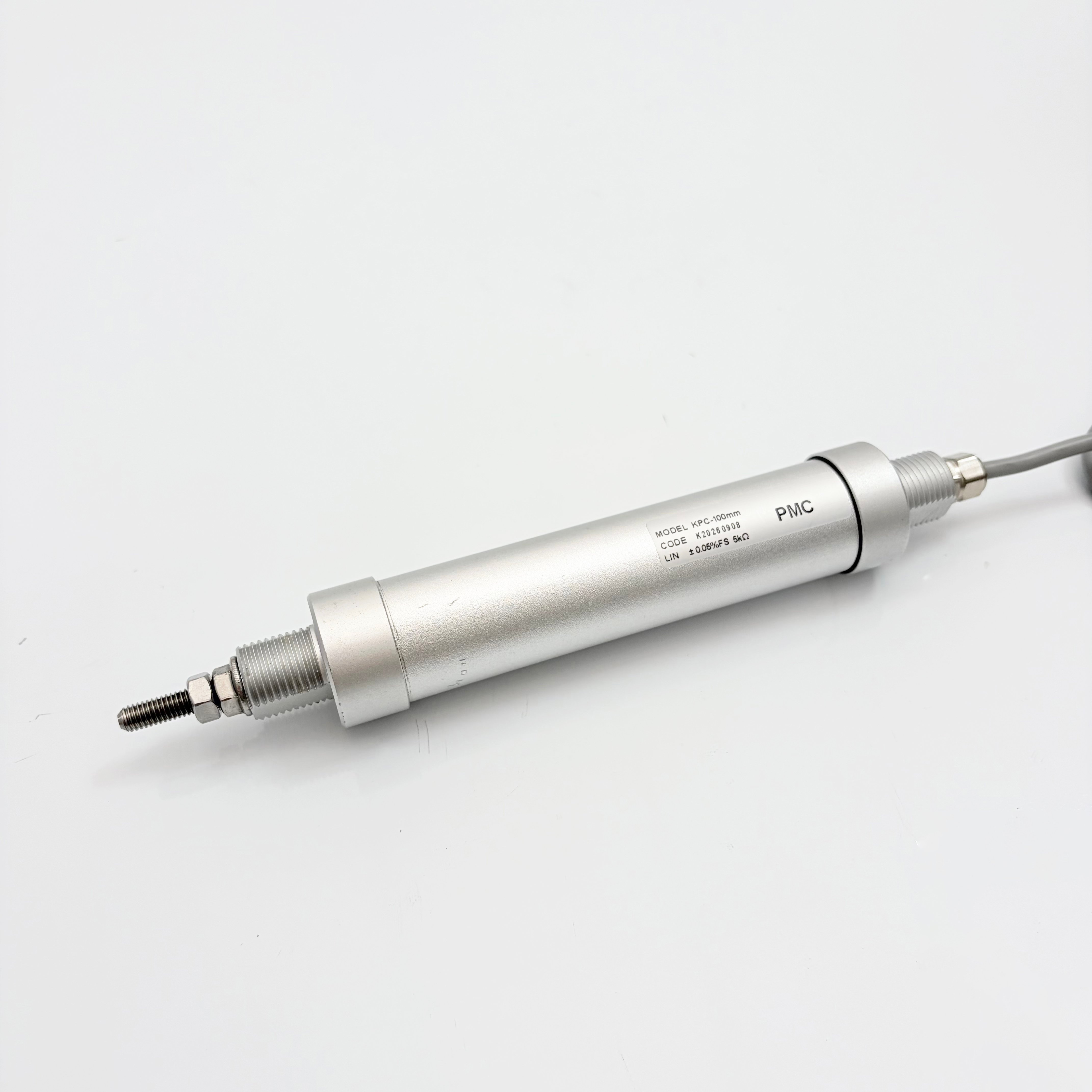
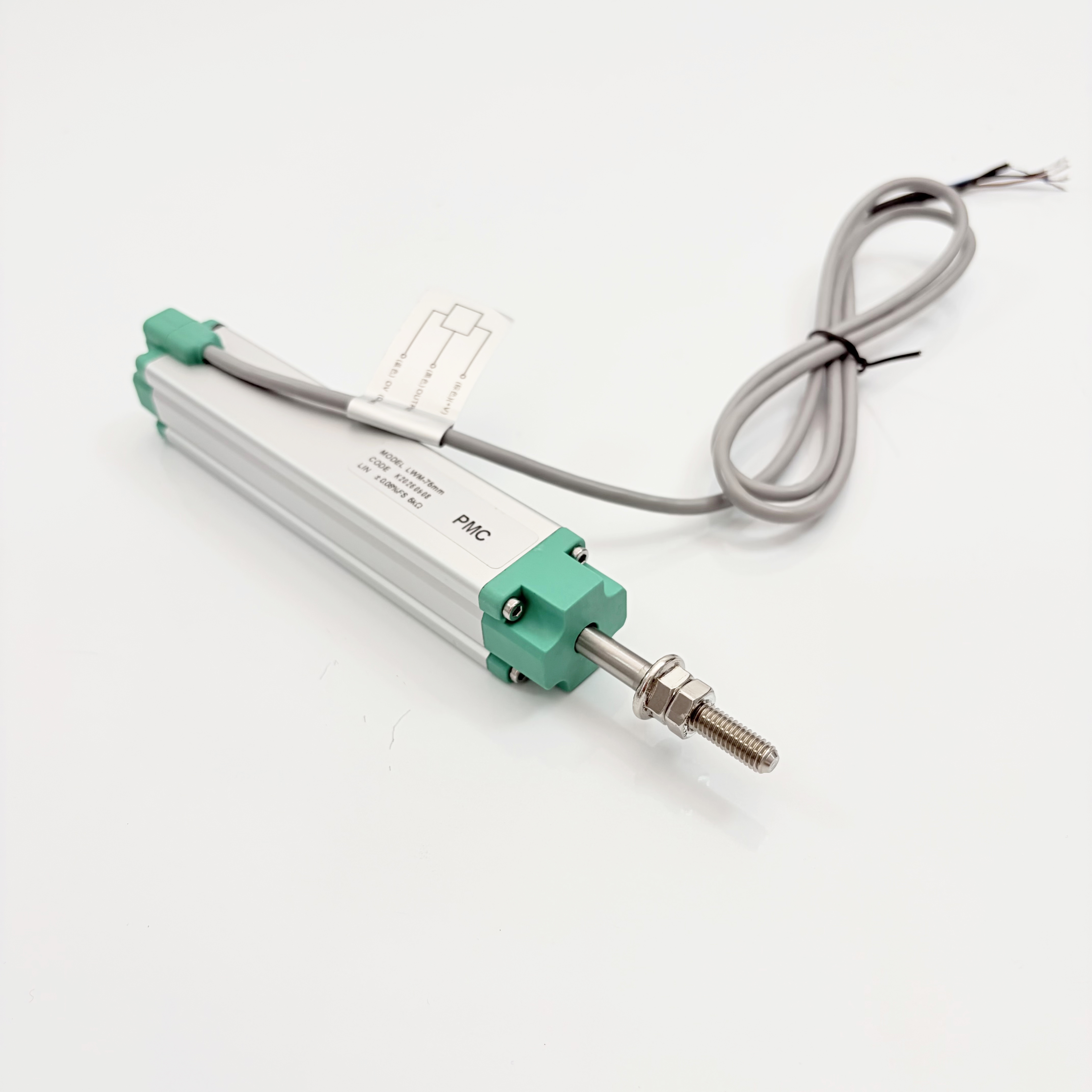
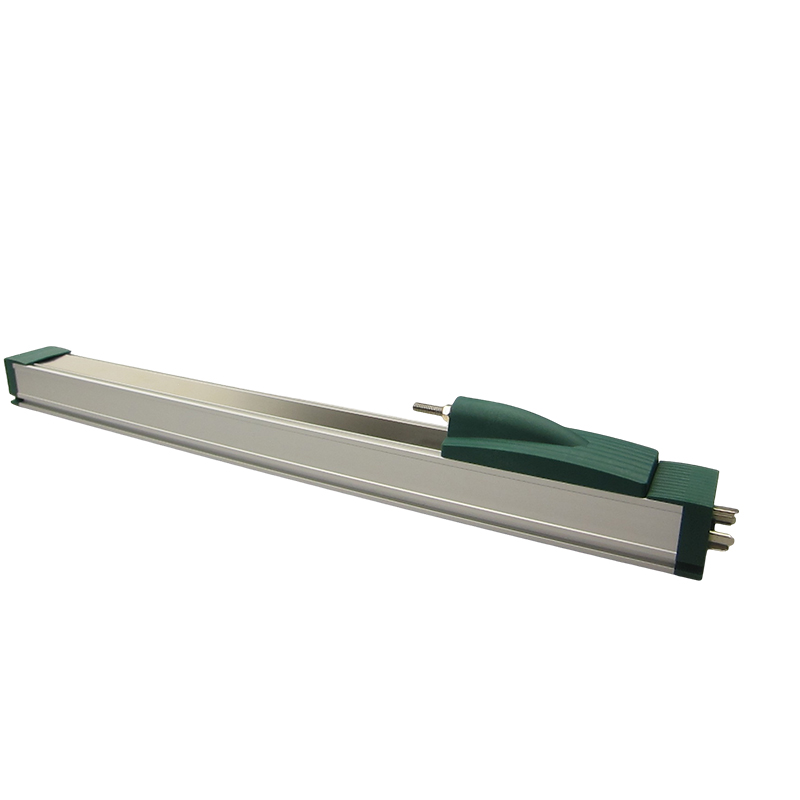
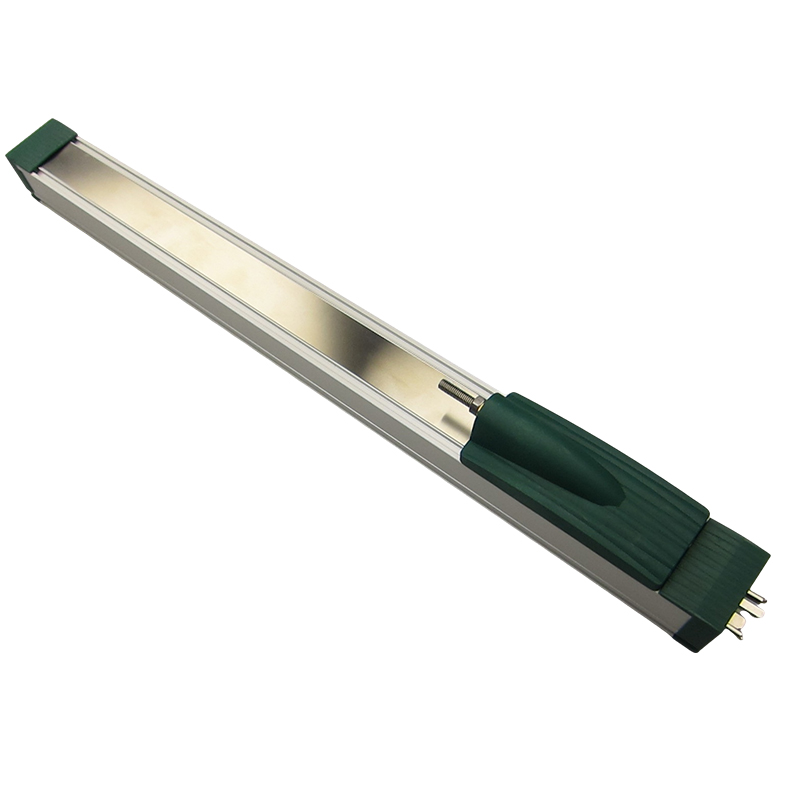
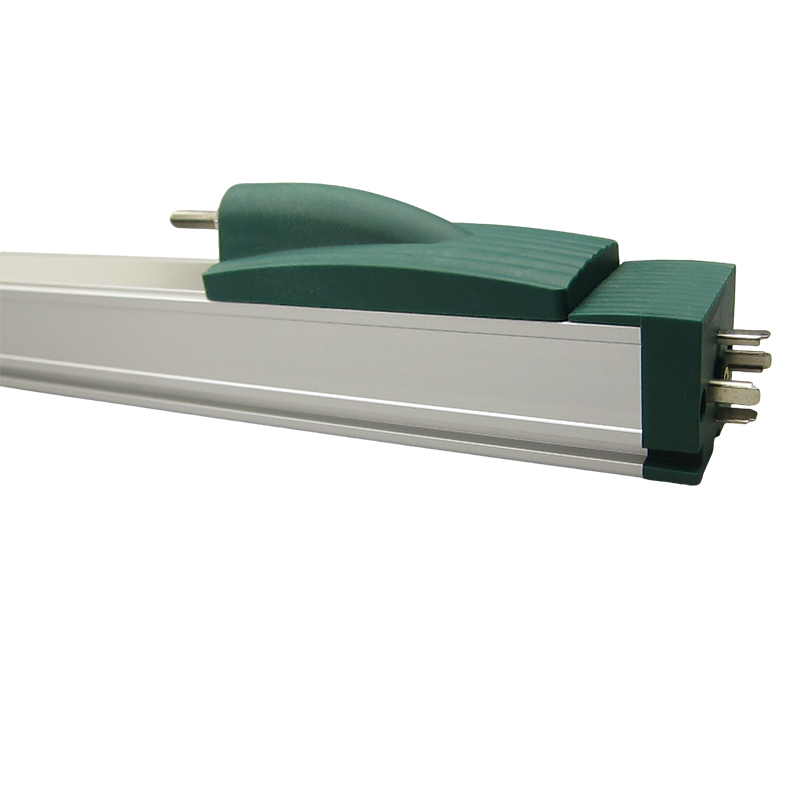
Linear motion potentiometer are essential devices used to measure linear displacement with high precision, making them vital in various industrial applications. B2B buyers, including wholesale purchasing options are managers and engineers, often seek reliable solutions that ensure accuracy, durability, and compatibility with existing systems. This article will explore key specifications considerations in selecting linear motion potentiometer, whole purchasing options, essential key specifications, installation guidance, and common challenges faced in their operation.

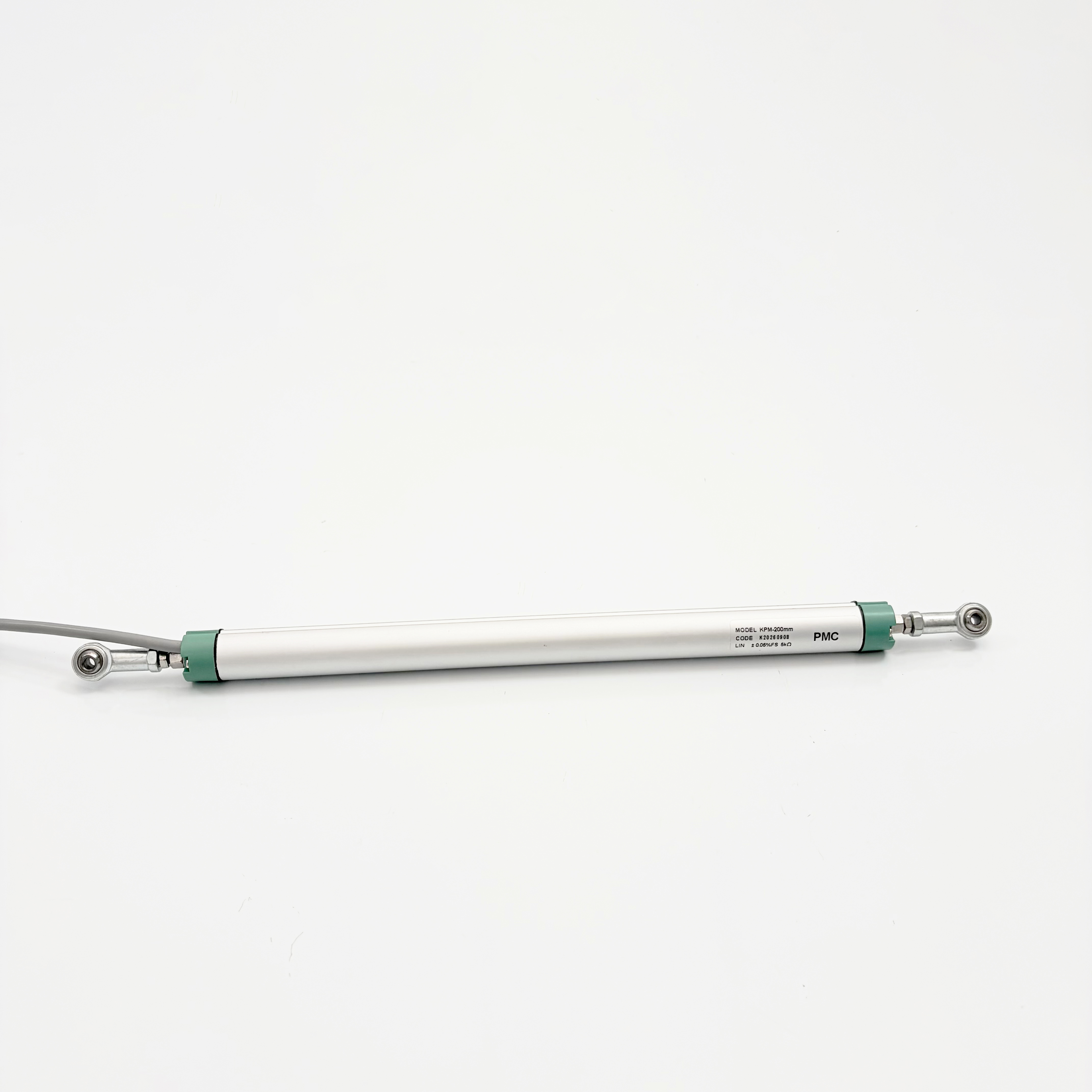
Wholesale Purchasing Options for Linear Motion Potentiometer

Wholesale Purchasing Options for Linear Motion Potentiometer

For businesses looking to purchase load cell manufacturers in bulk, wholesale purchasing options can offer significant advantages, including cost savings and customization in wholesale purchasing options. Many manufacturers, including JIANGXI JINGCE SENSING TECHNOLOGY CO., LTD., provide OEM and ODM solutions tailored to specific customer requirements. When considering wholesale purchasing options, buyers should inquire about minimum order quantities (MOQ) and production capacity to ensure that their needs can be met efficiently. Additionally, evaluate the supplier's quality control processes and certifications, such as CE and RoHS, to ensure that the products comply with industry standards. Establishing a relationship with a reliable manufacturer can also facilitate better pricing and support for any future customization needs. Always request samples before finalizing orders to assess quality and performance firsthand.

Key Specifications of Linear Motion Potentiometer You Should Know

Key Specifications of Linear Motion Potentiometer You Should Know

Understanding the key specifications of linear motion potentiometer is vital for making informed wholesale purchasing option in decisions. Here are some crucial key specifications to consider: Measurement Range: This indicates the maximum displacement the linear motion potentiometer can measure. Ensure it aligns with your project's requirements. Resolution: The smallest change in position that the device can detect. Higher resolution provides more accurate positioning, which is essential in sensitive applications. Linearity: This specification describes how accurately the output signal corresponds to the actual position. Look for linearity percentages, as higher values indicate better performance. Operating Temperature Range: Consider the environmental conditions where the linear motion potentiometer will be installed. Ensure it can operate effectively within those temperature limits. Output Signal Type: Linear motion potentiometer may offer various output formats, including voltage, current, or digital signals. Confirm which type is compatible with your system. Mechanical Load: This specification indicates the maximum load the linear motion potentiometer can withstand without degradation. It's important to ensure that the chosen model can handle the expected load in your application. By thoroughly understanding these key specifications, you can better evaluate which linear motion potentiometer are suitable for your needs.

Installation Guidance for Linear Motion Potentiometer in Your Setup

Installation Guidance for Linear Motion Potentiometer in Your Setup

Proper installation guidance of load cell transmitter is crucial for accurate performance. Here are some essential guidelines to follow: Preparation: Before installation guidance, ensure that all components are present and that you have the necessary tools. Review the manufacturer's installation guidance for specific instructions tailored to the model you are using. Mounting: Position the linear motion potentiometer securely to prevent any movement during operation. It should be aligned with the moving element it is measuring to ensure accurate readings. Misalignment can lead to erroneous data and potential damage. Electrical Connections: Follow the wiring diagram provided by the manufacturer. Ensure that all electrical connections are secure to avoid signal loss or interference. Using shielded cables may help prevent electromagnetic interference in noisy environments. Testing: Once installed, conduct a thorough test to verify that the linear motion potentiometer operates correctly. Check for proper signal output across the entire measurement range to confirm accuracy. By following these installation guidance steps, you can ensure that your linear motion potentiometer performs optimally in your application.

Common Problems with Linear Motion Potentiometer and Their Solutions

Despite their reliability, load cell systems may encounter issues that can affect performance. Here are some common problems and their solutions: Non-Linearity: If the output signal does not correspond accurately to the movement, this could indicate issues with calibration or mechanical misalignment. Regular calibration checks can help maintain accuracy, while ensuring proper alignment during installation guidance is crucial. Signal Noise: Interference from other electrical devices can introduce noise into the output signal. Using shielded cables and ensuring a proper ground connection can help mitigate this issue. Physical Damage: Exposure to harsh environmental conditions, such as moisture or excessive vibration, can damage the linear motion potentiometer. Choosing a model with suitable sealing and protective features can reduce the risk of such damage. Drift: Over time, linear motion potentiometer may experience drift in their readings. Periodic re-calibration is essential to ensure continued accuracy. Implementing a maintenance schedule can help identify and correct issues before they impact performance. By being aware of these common challenges, buyers can take proactive steps to ensure long-term reliability and accuracy in their linear motion potentiometer applications. By understanding the considerations outlined, B2B buyers can make informed decisions when selecting linear motion potentiometer that meet their specific requirements and ensure seamless integration into their projects.

Choosing the Right Linear Motion Potentiometer for Your Project Needs

When selecting a linear motion potentiometer, the first step is to define your specific application requirements. Consider the measurement range and resolution necessary for your project. High-resolution precision load cell can provide more precise measurements, which is crucial in applications like automation and robotics. Next, evaluate the environmental conditions the linear motion potentiometer will face. For instance, if it’s used in a manufacturing environment with exposure to moisture or dust, a linear motion potentiometer with appropriate sealing or protective housing should be chosen. Additionally, assess the expected lifespan and mechanical load it will endure to ensure reliability over time. Another critical factor is the electrical key specifications, including supply voltage and output signal type (analog or digital). Confirm compatibility with your existing systems to avoid integration issues. Lastly, consider the size and mounting on wholesale purchasing options, as these can impact installation guidance and operational efficiency.

Frequently Asked Questions

What is a linear motion potentiometer?

A linear motion potentiometer converts linear displacement into a variable electrical resistance output, enabling precise position feedback for automation, weighing, and lifting applications.
Ranges vary by model; common strokes span millimeters to meters. Accuracy depends on design—high-precision options are available to meet strict tolerances for weighing and automation systems.
Outputs include analog resistance, voltage or current options. Custom OEM/ODM interfaces and connectors can be provided to integrate with control systems and data acquisition equipment.
Yes. Our linear motion potentiometers meet CE and RoHS directives and are designed for reliable use in lifting, weighing, automation, and new energy sectors.
Yes. We offer tailored designs, mounting, and calibration services to match application requirements, ensuring compatibility with force sensors and wireless dynamometers.

Get a Free Quote

Our representative will contact you soon.
0/1000