Tension Load Cell Sensors: Supplier Sourcing Tips

application/tension-load-cell-sensor, application/tension-load-cell-sensor, 
Inquiry
Inquiry

tension load cell sensor

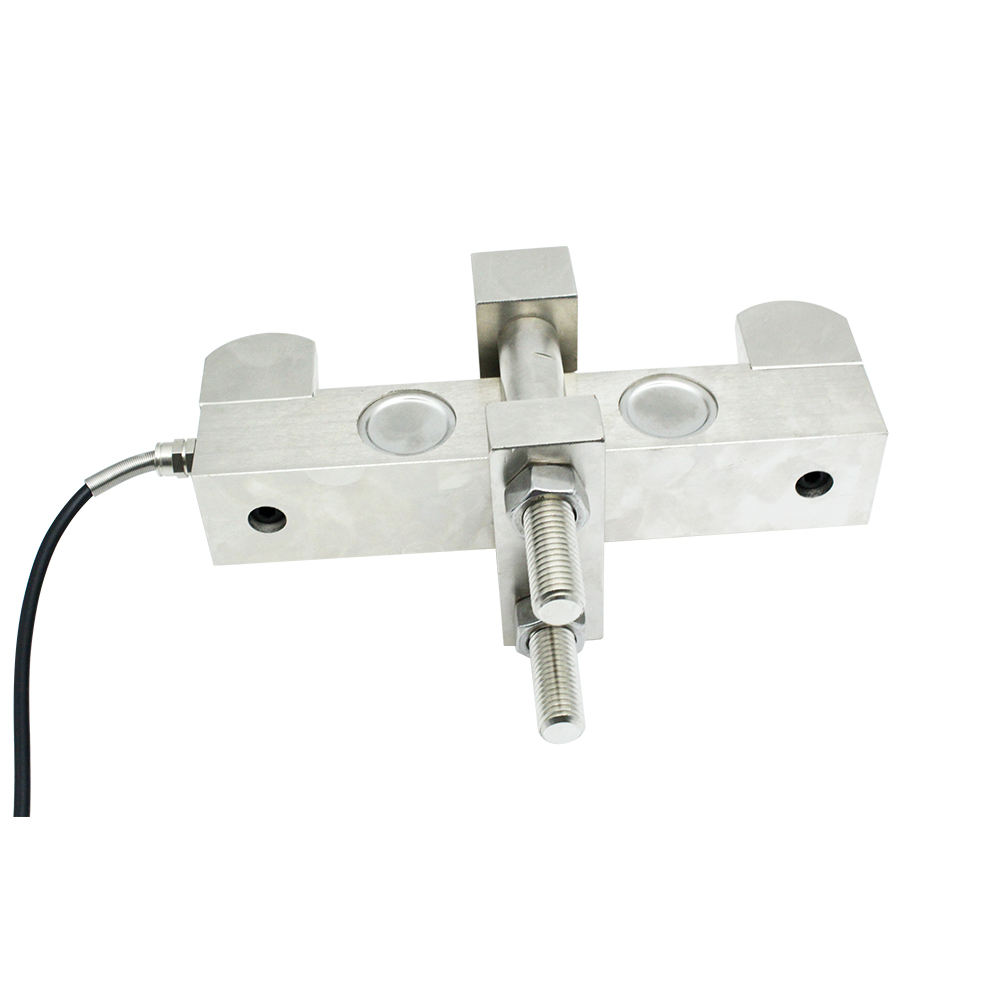
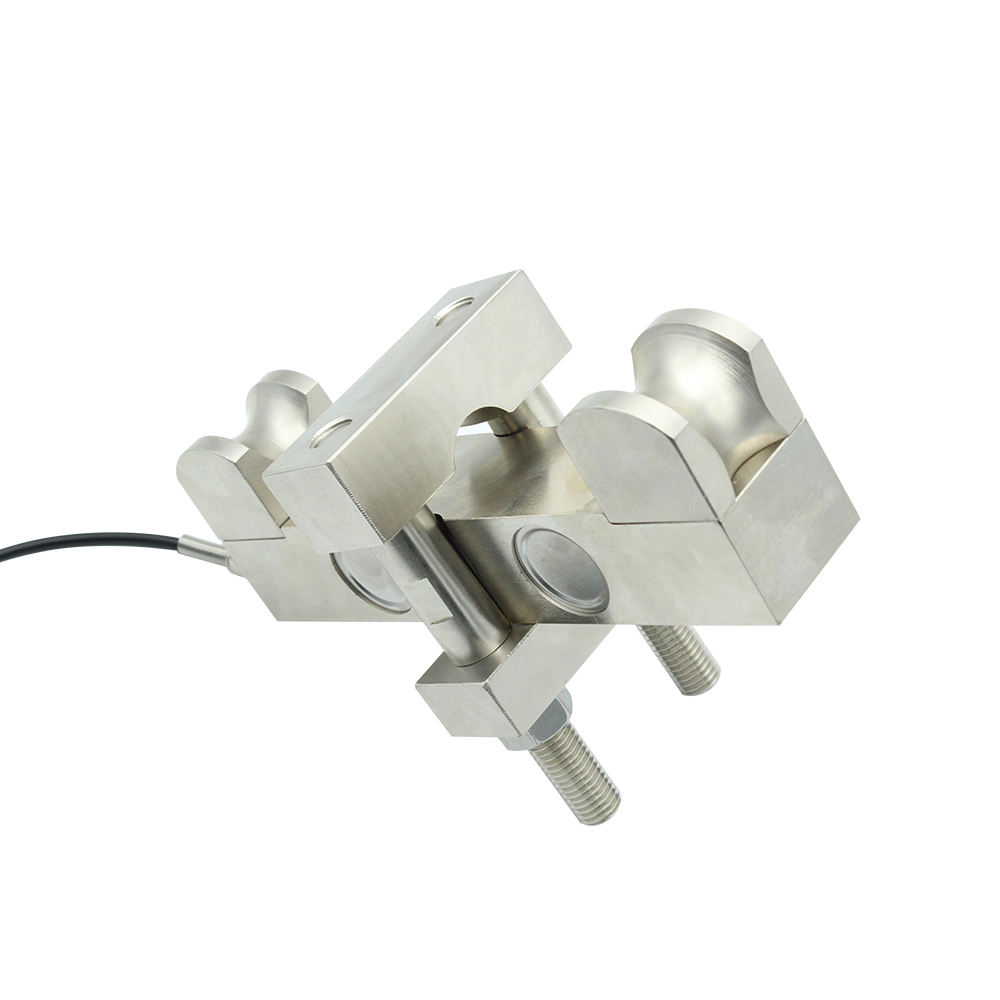
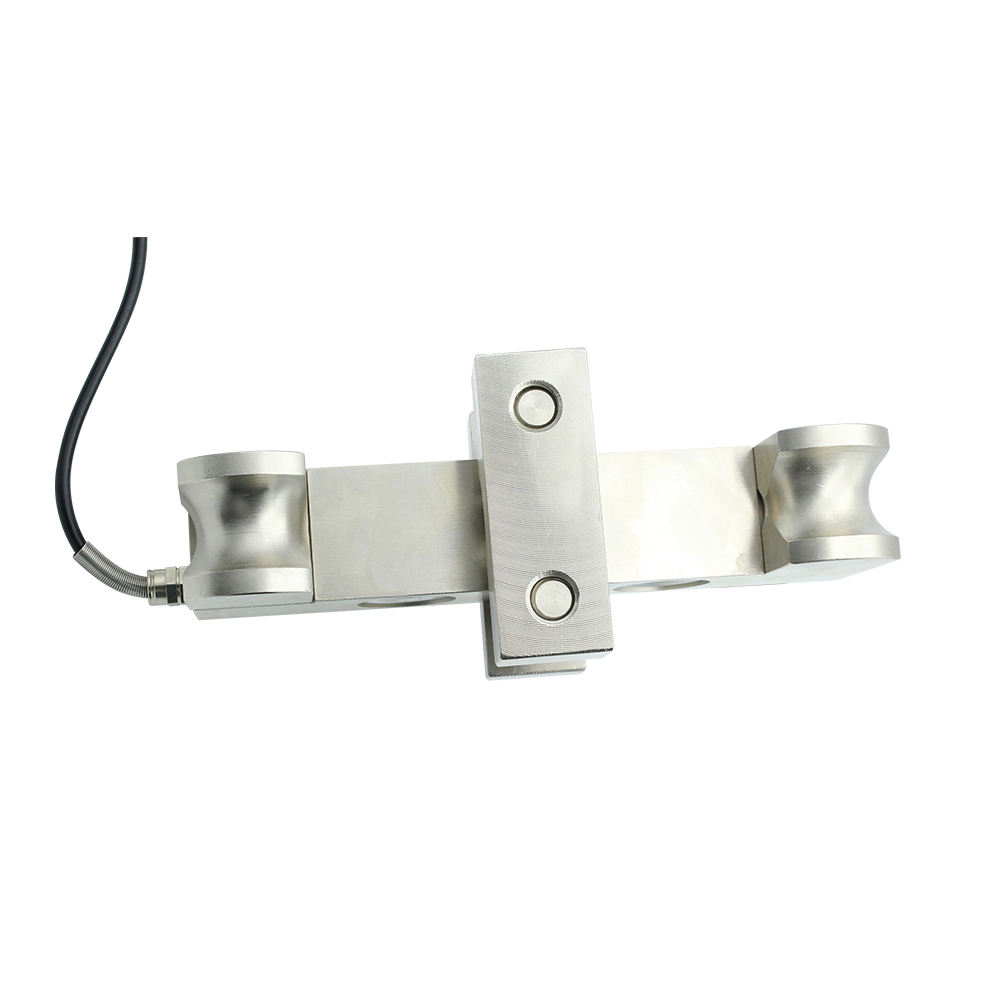
Tension load cell sensors are  vital components in various industrial applications, enabling precise measurement of tension in  cables, chains, and other structural  elements. As a  purchasing  manager  or engineer, understanding the intricacies of these  sensors is  crucial  for ensuring reliability,  accuracy, and compatibility with your specific application.  This article will guide  you through essential aspects  of sourcing, specifications,  common challenges,  installation, and cost considerations  related  to tension  load  cell sensors, helping you make  informed purchasing decisions. For example, understanding the different types of load cells, such as Load cell, can enhance your decision-making process.

Understanding Technical Specifications of Tension Load Cell Sensors

Understanding Technical Specifications of Tension Load Cell Sensors

When evaluating tension  load cell sensors,  several technical specifications  are critical to ensure their suitability for your  application. Key specifications include:

  Load Capacity:  This indicates the maximum load the sensor can measure. It is essential to choose a sensor  with a load capacity that exceeds  your  operational requirements  to prevent damage. Accuracy and Precision: Look for specifications detailing the sensor's accuracy, typically expressed as a percentage  of  the reading. High precision is  vital for applications requiring exact measurements. Sensitivity:  This refers to the smallest change in load that the sensor can detect. Higher sensitivity is  advantageous in applications where  small changes are significant. Material and Build Quality: The materials used can influence the sensor's durability and performance in various environments. For example, stainless steel is commonly used  for  its resistance to corrosion. Environmental Ratings: Consider whether the sensor is rated for specific environmental conditions, such as temperature ranges and humidity levels, which can affect performance. Understanding these specifications allows  buyers to select the most appropriate tension load cell sensor  for their needs, ensuring compatibility and reliability in their applications.
Common Problems with Tension Load Cell Sensors and Their Solutions

Common Problems with Tension Load Cell Sensors and Their Solutions

Tension load cell  sensors can  experience  several common  issues that may impact their performance. Being aware of these problems and their  solutions can help you maintain optimal functionality:


Calibration Issues:  Improper calibration can lead to inaccurate readings. Ensure that your sensors are calibrated according to  the  manufacturer’s guidelines, and consider regular recalibration schedules based on usage frequency.

Environmental Interference: External factors such as moisture, dust, or electromagnetic interference can affect  sensor accuracy. Utilizing sensors with adequate  environmental ratings  and protective casings can mitigate these impacts.

Mechanical Stress: Overloading or improper installation can  damage  the sensor. Always adhere to the  specified load capacity and  installation  instructions to prevent mechanical failures.

Wiring and  Connectivity Problems: Faulty connections can lead to signal loss or erratic readings. Regularly inspect wiring and  connectors for wear, ensuring secure and reliable connections throughout the sensor's operation.

By proactively addressing these common issues, you can enhance the longevity and accuracy of  your tension load cell sensors.

Installation Guidance for Tension Load Cell Sensors in Industrial Settings

Installation Guidance for Tension Load Cell Sensors in Industrial Settings

Proper installation of tension  load cell sensors is crucial for optimal  performance. Here are key  considerations to ensure effective installation:

Mounting Orientation: Follow  the manufacturer’s recommendations for mounting orientation, as improper alignment can  lead to inaccurate readings.  Most sensors will have  specific guidelines  regarding whether they should be installed vertically or horizontally.

Use of Mounting  Fixtures: Employ appropriate mounting fixtures to secure the sensor in place. This will help avoid movement and ensure that the sensor  accurately measures tension without interference.

Cable Management: Organize and  secure cables to prevent strain on  connections, which can lead to  signal loss or failure. Consider using cable trays or  conduits to  protect wiring from environmental hazards.


Testing Post-Installation: After installation, conduct a thorough testing phase to verify that the sensor operates as expected. Check for calibration, response time, and  accuracy under various load conditions. Additionally, consider how using a Hanging scale can enhance the testing process.

By adhering to these installation guidelines, you can  ensure that  your tension load cell sensors function correctly and provide reliable data.


Cost Factors to Consider When Purchasing Tension Load Cell Sensors

Pricing considerations  for  tension load cell sensors  can vary widely based on several factors. Understanding these cost drivers will  aid you in budgeting effectively:

Specifications and Features: Higher accuracy, specialized materials, and advanced features typically increase the price. Assess your needs carefully to avoid over-specifying, which can lead  to unnecessary costs.

Customization: Customized sensors tailored to specific applications may incur additional costs.  Be prepared to discuss your requirements clearly with the supplier to  receive accurate quotations.

Order Quantity: Bulk purchases often yield discounts.  Inquire about minimum order quantities (MOQ)  and any pricing  tiers that may apply to larger orders.

Shipping and Handling: Factor in shipping costs, especially for international orders, as these can significantly impact the  overall price. Understanding delivery times and costs can help in planning your budget.

Warranty  and Support: While a lower  initial cost  might be appealing, consider the long-term value of  warranty and post-purchase support. A supplier offering comprehensive  support may  help reduce total cost of ownership over time.

By  carefully evaluating these cost factors, you can  make informed purchasing decisions that align  with your budget and operational needs.

Supplier Sourcing Tips for Reliable Tension Load Cell Sensors

Selecting a reputable supplier for tension load cell  sensors is  paramount for ensuring  product quality and reliability. Start  by verifying the supplier's certifications, such as CE and RoHS,  which indicate compliance with international safety and environmental standards. Additionally, assess their manufacturing capabilities, including quality  control  processes, to  ensure consistency in  product performance.

Request references or case  studies from  previous clients to evaluate the supplier’s experience in your industry. A supplier that offers OEM/ODM solutions can provide customized sensors tailored to  your  specific needs, which is particularly beneficial in specialized  applications. Finally, consider suppliers with a  transparent communication process, as  this will  facilitate  smoother  transactions and  post-purchase support.

Frequently Asked Questions

What is a tension load cell sensor used for?

A tension load cell sensor measures tensile force in lifting, weighing, automation, and new energy applications to ensure accurate load monitoring and safety.
Our sensors offer high-precision accuracy and come with CE and RoHS certifications to meet industry quality and safety standards.
We provide a range of capacities and customizable mounting options suitable for hooks, shackles, and inline installations to match specific application needs.
Yes. We offer OEM and ODM services to tailor sensor specifications, electronics, and calibration to your project requirements.
We offer technical support, calibration guidance, and documentation to assist installation and integration, plus warranty service per agreed terms.

Get a Free Quote

Our representative will contact you soon.
0/1000