Quality Digital Load Cell Weight Sensors for Industry

application/digital-load-cell-weight-sensor, application/digital-load-cell-weight-sensor, 
Inquiry
Inquiry

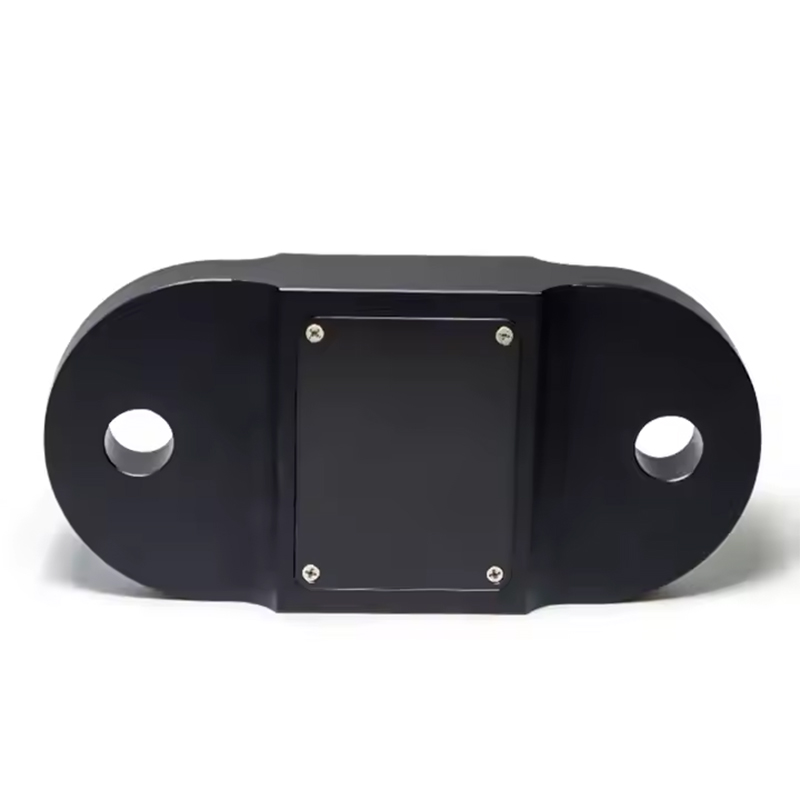
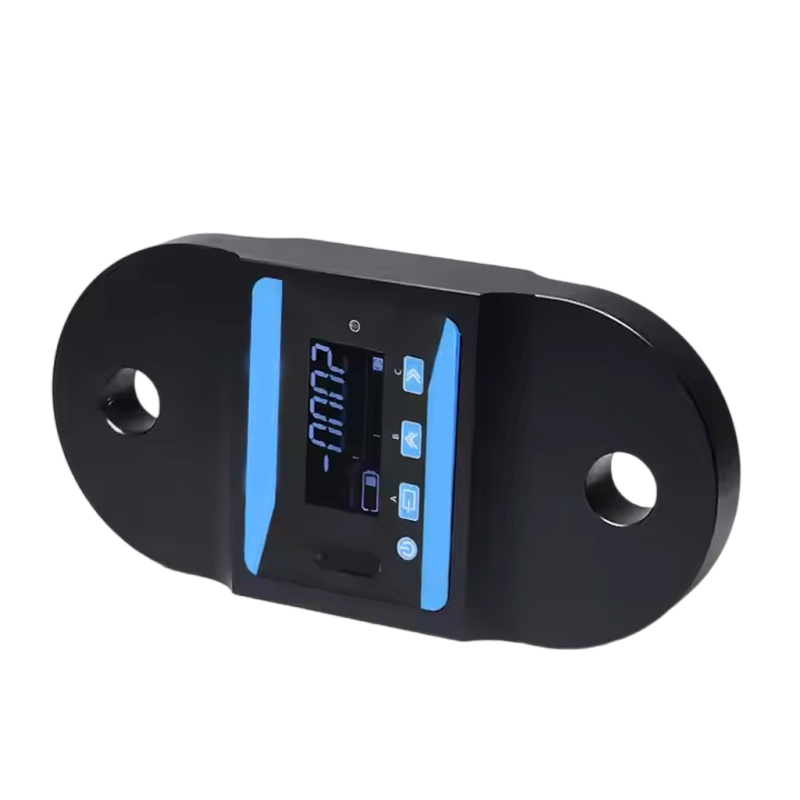
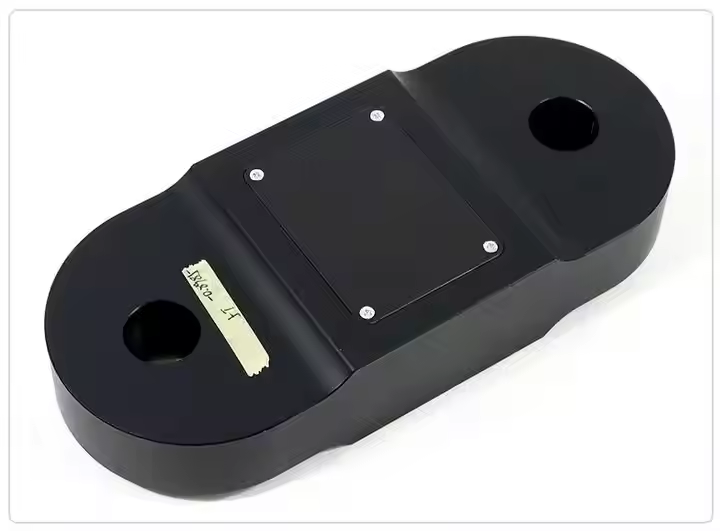
digital load cell weight sensor

Digital load cell weight sensors  are essential components  in  various industrial applications,  providing accurate weight measurement and force  sensing. As a  purchasing manager or  engineer, your  concerns likely  revolve around the reliability,  precision, and adaptability of these sensors  for your specific needs. This  article will guide  you  through evaluating the quality of digital load cell weight sensors, sourcing  reliable  suppliers, exploring their applications across industries, enhancing their accuracy, and  understanding the  benefits  of bulk ordering for your projects.

 
Where to Source Reliable Suppliers for Digital Load Cell Weight Sensors

Where to Source Reliable Suppliers for Digital Load Cell Weight Sensors

Finding  reliable suppliers for digital load cell  weight sensors requires careful consideration and research.  Start  by looking for manufacturers with a proven  track record  in the industry, such  as JIANGXI  JINGCE SENSING TECHNOLOGY CO., LTD., known for its expertise in high-precision tension load cells and force sensors.

Evaluate potential suppliers by reviewing  their manufacturing capabilities, including  production  equipment and quality control processes. A  manufacturer  that employs advanced technology and follows strict quality assurance protocols is more likely to deliver consistent, high-quality products. Additionally, inquire about their experience in your  specific application area, as  a supplier familiar with your  industry will better understand your requirements.

It’s also advisable to request samples before placing large orders. Testing samples allows you  to assess the  product's performance,  ensuring it meets your specifications. Furthermore, consider suppliers that offer customization  options, as this can better align the sensors with your unique application needs.

Applications of Digital Load Cell Weight Sensors in Various Industries

Applications of Digital Load Cell Weight Sensors in Various Industries

Digital load cell  weight sensors  find applications across a range of industries due to their versatility and precision. In the manufacturing sector, they  are commonly used in quality control systems to ensure that products meet weight specifications, thereby reducing waste and improving efficiency. 

In the logistics and  warehousing industries, these sensors are integral to automated weighing systems, where they  help  streamline operations by ensuring accurate weight measurement for shipping  and receiving. Additionally,  in the  agriculture sector, load cells  are  used for weighing crops and livestock, ensuring proper management practices and compliance with regulations.


The medical industry also benefits from digital load cell weight sensors, where they are utilized in scales for  patient monitoring and  pharmaceutical applications,  requiring  precise  weight measurements for dosage. The adaptability of these sensors makes them suitable for various environments, enhancing  their  appeal across multiple sectors.

Solutions for Enhancing Accuracy in Digital Load Cell Weight Sensors

Solutions for Enhancing Accuracy in Digital Load Cell Weight Sensors

Achieving the  highest  accuracy in digital load cell weight sensors can involve several strategies. First, ensure proper  installation and calibration. Misalignment or incorrect installation can  lead to measurement  errors. Always follow the  manufacturer's installation guidelines and consider professional assistance for  complex setups.

Regular maintenance and testing are also essential for  maintaining accuracy. Implementing a routine calibration  schedule helps  identify  drift  or inconsistencies in measurements over time. Additionally, environmental  factors such  as  temperature fluctuations  can impact sensor readings. Using temperature-compensated sensors can mitigate these effects, ensuring reliable performance regardless of ambient conditions.

Moreover, employing advanced signal  processing techniques can enhance measurement accuracy. Digital load cells  equipped  with sophisticated algorithms can filter out noise and improve the signal-to-noise ratio, leading to  more precise readings.

Bulk Order Advantages for Digital Load Cell Weight Sensors in Projects

Bulk ordering  digital load cell weight sensors can provide significant advantages for businesses managing large projects. One key benefit is cost savings.  Many  manufacturers, like JIANGXI JINGCE SENSING TECHNOLOGY CO., LTD., offer discounts for bulk purchases, reducing the overall project expenses.

Additionally,  placing bulk orders can ensure consistency in product quality and specifications, which is critical for large-scale implementations. This consistency minimizes the risk of discrepancies that could arise  from sourcing sensors from multiple suppliers.

Another advantage is the potential  for shorter  lead  times. Suppliers  often prioritize bulk orders, allowing you to receive your products  more quickly,  which can be vital for project timelines. Furthermore, ordering in bulk can simplify logistics and inventory management, as you can avoid frequent reordering and streamline  your supply chain processes.

In summary, understanding the quality  evaluation of digital load  cell weight sensors, sourcing  reliable suppliers,  recognizing their diverse applications, implementing accuracy solutions,  and  leveraging bulk order advantages are essential for making informed purchasing  decisions. By focusing on these aspects, you can ensure that the sensors you choose will meet your operational needs and enhance overall efficiency in  your projects.

How to Evaluate the Quality of Digital Load Cell Weight Sensors

When assessing the  quality of digital load cell weight  sensors, several critical specifications must be considered. Key parameters such as  accuracy, capacity, and environmental compatibility significantly influence performance. Accuracy refers to the sensor's  ability to produce precise  weight measurements, typically expressed as a percentage of full scale. For example, a sensor with a 0.01% accuracy is preferable for  applications requiring high precision, such as laboratory testing or quality control in manufacturing.

Another important factor is the load capacity, which indicates  the maximum weight the sensor can accurately measure. It is crucial to match the sensor's capacity  with the expected load in  your application to prevent damage  or inaccurate readings. Additionally, environmental conditions such as  temperature and humidity can  affect  sensor performance. Ensure that the sensors are designed to operate within the necessary range  for  your specific application. Load cell technologies play a vital role in ensuring accurate weight measurements.

Lastly, consider certifications such as CE and  RoHS, which indicate compliance with safety and environmental  standards. These  certifications  often reflect a manufacturer's commitment to quality and reliability, providing assurance that the products meet  industry benchmarks.

Frequently Asked Questions

What is the digital load cell weight sensor used for?

Our digital load cell weight sensor measures weight and force in lifting, weighing, automation, and new energy applications, providing high-precision data for control systems and safety monitoring.
The sensor provides high-precision measurements with tight accuracy tolerances; exact specifications depend on model and calibration options available for OEM/ODM requirements.
Our sensors carry CE and RoHS certifications, ensuring compliance with European safety and environmental standards for industrial use.
Yes. We offer OEM/ODM customization for mechanical design, signal outputs, calibration, and packaging to meet specific application and integration needs.
The sensor supports digital outputs and common industrial interfaces; available options include serial, CAN, and custom protocols—details vary by model and integration requirements.

Get a Free Quote

Our representative will contact you soon.
0/1000