Key Considerations for Analog Load Cell Amplifiers

application/analog-load-cell-amplifier, application/analog-load-cell-amplifier, 
Inquiry
Inquiry

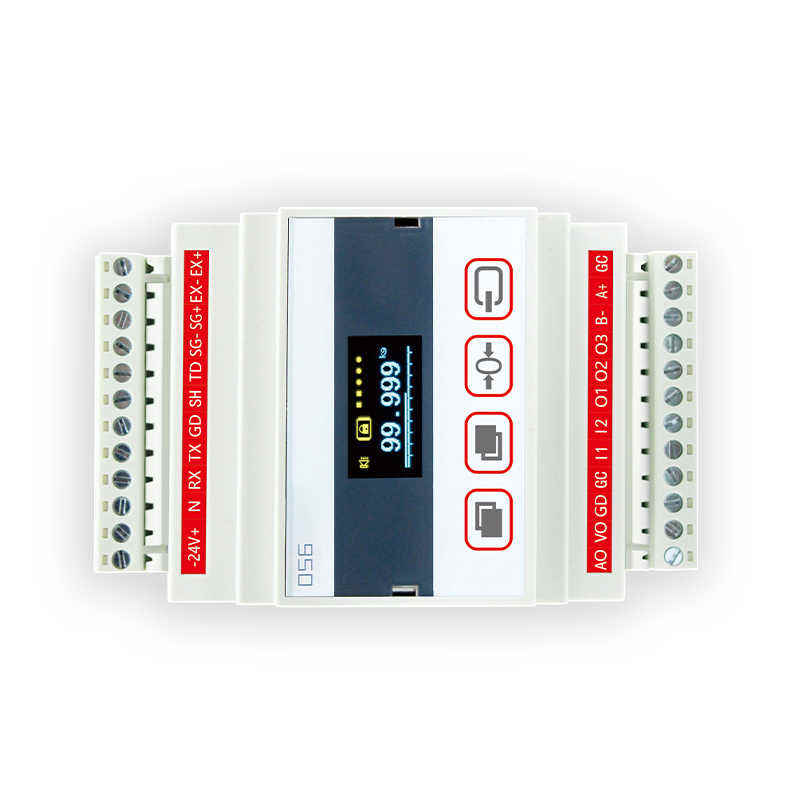
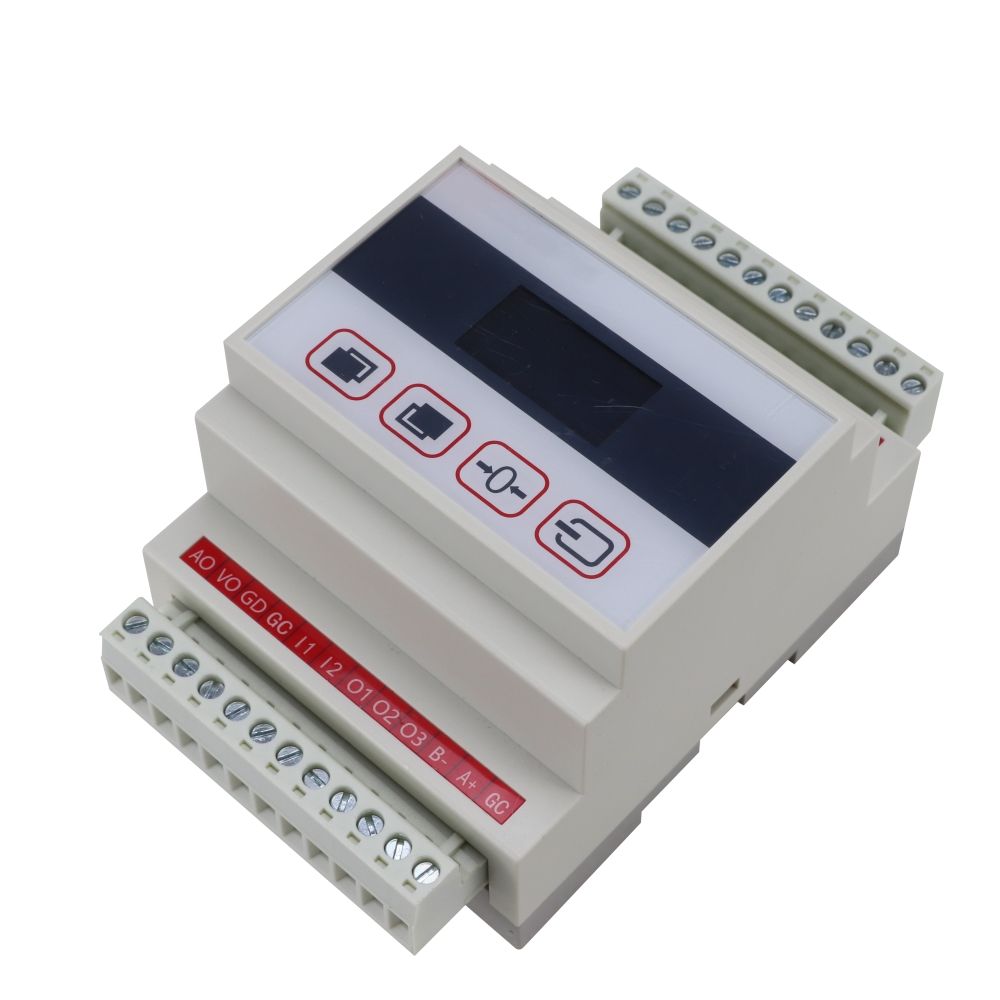
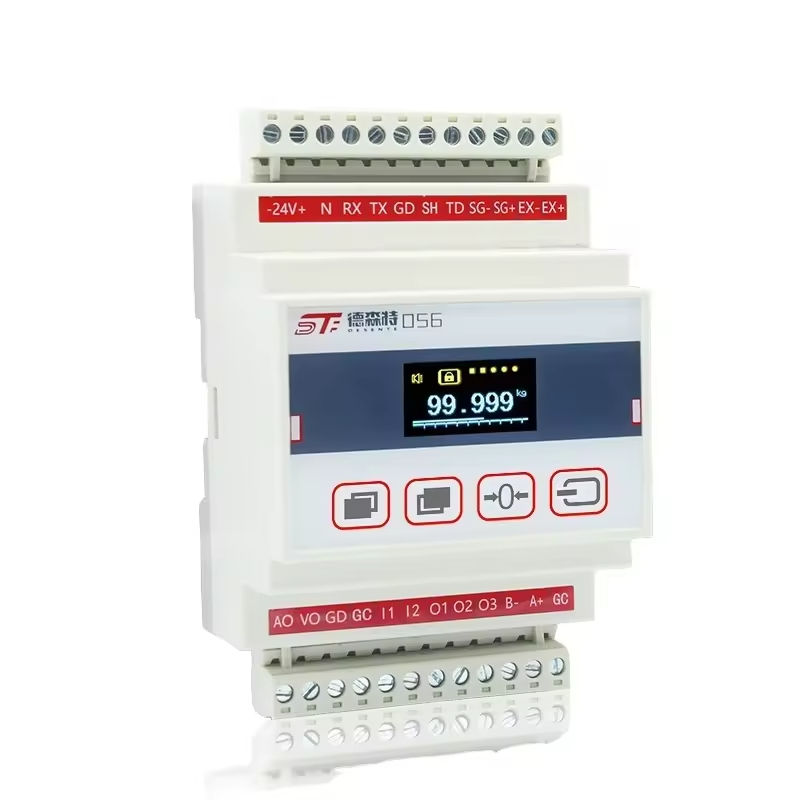
Analog load cell amplifier

Analog load cell amplifiers play a vital role in converting the tiny electrical signals from load cells into usable voltage outputs, which are essential for accurate weight measurements in various industrial applications. For B2B buyers, understanding the nuances of sourcing these components is crucial, as they impact the overall performance and reliability of weighing systems. This article will help you navigate the key specifications, quality control measures, installation guidelines, common issues, and diverse applications associated with analog load cell amplifiers, ensuring informed purchasing decisions.


Key Specifications to Consider When Sourcing Load Cell Amplifiers

Key Specifications to Consider When Sourcing Load Cell Amplifiers

Quality control measures is paramount in ensuring that multi channel load cell amplifier perform reliably over time. Here are some key measures to consider: Incoming Material Inspection: The quality control measures of components used in manufacturing analog load cell amplifiers directly affects their performance. Ensure that suppliers conduct thorough inspections of all incoming materials, including resistors, capacitors, and integrated circuits. In-Process Testing: Implement regular testing during the manufacturing process to catch potential issues early. This may include functional testing of the amplifier at various stages of production to ensure it meets the specified performance metrics. Final Product Testing: Before shipment, each amplifier should undergo final testing to verify its performance against defined parameters such as gain accuracy, noise levels, and output stability. Environmental Testing: Given that analog load cell amplifiers are often used in harsh industrial environments, conducting environmental tests for humidity, temperature variations, and vibration resistance can help ensure long-term reliability. Traceability: Maintain records of the production process for each batch of analog load cell amplifiers. This traceability can help identify and address any quality control measures issues that may arise post-sale. Implementing these quality control measures ensures that you receive reliable analog load cell amplifiers that perform consistently throughout their operational lifespan.

Common Installation Issues with Analog Load Cell Amplifiers and Solutions

Common Installation Issues with Analog Load Cell Amplifiers and Solutions

Proper installation guidelines of load cell sensor amplifier is critical for achieving optimal performance. Here are some installation guidelines to follow: Wiring Connections: Ensure that all connections are secure and correctly configured according to the manufacturer's specifications. Use shielded cables to minimize noise interference, which can distort the signal. Mounting Considerations: Analog load cell amplifiers should be mounted in a location that minimizes exposure to environmental factors such as moisture and extreme temperatures. Consider using enclosures designed for industrial applications if necessary. Calibration: After installation guidelines, calibrate the load cell and amplifier system to ensure accurate readings. Calibration should be performed under conditions that closely resemble actual operational conditions. Power Supply: Verify that the power supply meets the amplifier's voltage and current requirements. Fluctuations in power can impact performance, leading to inaccurate readings. Testing After Installation: Once installed, conduct tests to confirm that the amplifier is functioning correctly with the load cell. This may include applying known weights and verifying the output against expected values. Following these installation guidelines will help ensure that your analog load cell amplifiers operate effectively and deliver reliable data.

Applications of Analog Load Cell Amplifiers in Various Industries

Applications of Analog Load Cell Amplifiers in Various Industries

Understanding common issues with load cell analog output can help you troubleshoot effectively. Here are some frequent problems and their solutions: Drifting Output: If the output signal drifts over time, this may indicate temperature effects or unstable power supply. Regular calibration and the use of temperature-stable components can mitigate this issue. Noise Interference: Noise can be introduced from various sources, including nearby machinery or poor connection points. Use shielded cables, ensure solid grounding, and maintain a clean installation guidelines environment to minimize noise. Inaccurate Readings: Inaccurate outputs can stem from improper gain settings or calibration errors. Review the amplifier’s gain configuration and re-calibrate as necessary to restore accuracy. Non-Responsive Output: If the amplifier does not produce an output, check the power supply and all connections. Ensure that the load cell is functioning properly, as a faulty load cell will also affect the amplifier's performance. Overheating: Excessive heat can damage analog load cell amplifiers. Ensure proper ventilation and avoid placing the amplifier in direct sunlight or near heat-generating equipment. By recognizing these common issues and implementing appropriate solutions, you can maintain the performance and reliability of your analog load cell amplifiers.

How to Compare Different Analog Load Cell Amplifier Models Effectively

Analog load cell amplifiers find applications across a wide range of industries, enhancing measurement and control systems. Here are some key applications: Manufacturing and Automation: In manufacturing settings, analog load cell amplifiers are used for weight measurement in assembly lines, ensuring that components are within specified weight limits during production. Logistics and Material Handling: They play a crucial role in weighing systems for shipping and receiving, helping to verify that shipments meet weight requirements and optimizing load distribution in transport vehicles. Packaging: Analog load cell amplifiers are integral to packaging machines that weigh products before they are packaged, ensuring compliance with industry standards and preventing overfills or under fills. Food and Beverage: In the food industry, accurate weight measurement is critical for inventory management and compliance with food safety regulations. Analog load cell amplifiers ensure that portion sizes are consistent and meet legal requirements. Construction: In construction applications, analog load cell amplifiers are used in systems that monitor load weights on cranes and hoists, ensuring safety and compliance with load limits. By understanding the diverse applications of analog load cell amplifiers, buyers can better appreciate their value in enhancing operational efficiency across various industries.

Where to Find Reliable Suppliers for Bulk Analog Load Cell Amplifiers

When sourcing analog load cell amplifiers, several specifications must be evaluated to ensure they meet your application requirements. Input Voltage Range: The amplifier must be compatible with the output of the load cell, which typically ranges from a few millivolts to several volts. Select an amplifier that can adequately process this input for precise measurements. Gain Settings: Many analog load cell amplifiers offer adjustable gain settings. This feature allows for the optimization of signal amplification based on the load cell's output, which can vary depending on the load and application. A higher gain may be necessary for low-output load cells to ensure the signal is strong enough for processing. Bandwidth: The amplifier's bandwidth influences its speed and responsiveness. For dynamic applications where load changes occur rapidly, a higher bandwidth is preferred. Ensure the amplifier can handle the expected frequency of load changes in your specific use case. Output Type: Determine whether you need an analog output (e. g., voltage or current) or a digital output. Many modern systems benefit from digital outputs for integration with automated systems. Temperature Stability: Look for analog load cell amplifiers with temperature compensation features, ensuring performance remains consistent across a range of temperatures, which is critical in industrial environments. By carefully considering these specifications, you can select an analog load cell amplifier that aligns with your system's requirements, enhancing measurement accuracy and reliability.

Frequently Asked Questions

What is the analog load cell amplifier used for?

It amplifies small voltage signals from load cells/force sensors for accurate measurement, ideal for weighing, lifting, automation, and test systems.
Compatible with strain gauge load cells and most force sensors that output millivolt-level signals; supports single, dual, and multi-channel configurations depending on model.
Our amplifier products align with CE and RoHS compliance and are manufactured under strict OEM/ODM quality controls for high precision and reliability.
Connect the load cell, apply known weights, and adjust gain/zero controls or use supplied calibration procedure to match output to calibrated values.
Yes. We offer OEM/ODM customization, technical integration support, and application guidance for weighing, lifting, automation, and new energy projects.

Get a Free Quote

Our representative will contact you soon.
0/1000