Load Cell Manufacturer: Choosing the Right Load Cells

application/load-cell-manufacturer, application/load-cell-manufacturer, 
Inquiry
Inquiry

load cell manufacturer

Load cells are critical components&nbsp; in many industrial applications, providing&nbsp; precise measurements for weight and&nbsp; force. As&nbsp; a&nbsp; leading load cell manufacturer, JIANGXI JINGCE SENSING&nbsp; TECHNOLOGY&nbsp; CO.,&nbsp; LTD. specializes in high-precision load cells, force&nbsp; sensors,&nbsp; and wireless dynamometers, meeting the diverse needs of industries such&nbsp; as lifting, weighing,&nbsp; automation, and new energy.&nbsp; This&nbsp; article addresses key considerations for buyers in&nbsp; selecting load cells,&nbsp; ensuring quality, installation&nbsp; guidance, troubleshooting common issues, and understanding the advantages of high-precision&nbsp; load&nbsp; cells&nbsp; in manufacturing.<a href="/load-cell">Load cell&nbsp; technology plays a vital role in these applications.

Quality and Cost Considerations

Quality and Cost Considerations

When&nbsp; assessing load cell manufacturers, quality and cost are paramount. Higher-quality&nbsp; load cells&nbsp; often come with a higher price tag, but&nbsp; they can provide better accuracy, longer life, and fewer&nbsp; maintenance issues. Understanding the balance between quality and cost&nbsp; involves evaluating the&nbsp; materials&nbsp; used, manufacturing processes, and certifications.

Load cells should ideally have CE and RoHS certifications, which indicate compliance with European and&nbsp; environmental regulations. The manufacturing process also plays a critical&nbsp; role in quality. For instance,&nbsp; using advanced techniques such as laser welding and precision machining can significantly enhance the performance and&nbsp; reliability&nbsp; of load cells.<a href="/dynamic-torque-sensor">Dynamic torque sensor&nbsp; technologies can also be integrated for more complex applications.

Buyers should also consider the total cost of ownership, which&nbsp; includes installation, maintenance, and potential downtime due to&nbsp; equipment failure. Investing in a high-quality load cell can&nbsp; lead to&nbsp; significant savings in the long run by minimizing these&nbsp; hidden costs. Discussing these factors with your supplier can help clarify the&nbsp; best&nbsp; options for your budget and requirements.

Essential Installation Guidance for Load Cell Systems

Essential Installation Guidance for Load Cell Systems

Proper installation of load cell&nbsp; systems is crucial&nbsp; for achieving accurate measurements.&nbsp; Before installation,&nbsp; ensure&nbsp; that the&nbsp; load cells are calibrated and compatible with the intended&nbsp; application. It is advisable&nbsp; to perform a thorough inspection of the load cell and&nbsp; associated components for any signs of damage or&nbsp; wear.

During installation, use appropriate fixtures and mounting&nbsp; techniques to prevent misalignment and ensure accurate readings.&nbsp; For example, installing load cells in a way that allows for thermal expansion and movement can prevent&nbsp; measurement errors. Additionally, consider using protective enclosures if the load cells are&nbsp; exposed to harsh environments.

Calibration is&nbsp; another essential step post-installation. This process should be&nbsp; conducted according to&nbsp; the manufacturer’s guidelines, typically using certified weights to verify&nbsp; accuracy. Regular maintenance checks and recalibration are recommended to ensure long-term&nbsp; reliability and performance.

 
Common Load Cell Problems and Effective Solutions

Common Load Cell Problems and Effective Solutions

Load cells can encounter several issues that may affect&nbsp; their&nbsp; performance.&nbsp; One common problem is&nbsp; drift, which occurs when the load cell output changes without any changes to the load. This can be caused by&nbsp; temperature fluctuations or mechanical stress. To&nbsp; mitigate&nbsp; this, regular calibration and&nbsp; monitoring of the environment around&nbsp; the&nbsp; load&nbsp; cells can&nbsp; be beneficial.


Another issue is non-linearity, where the output does not correspond proportionally to the applied load. This can often be resolved by&nbsp; recalibrating the load cell and&nbsp; ensuring proper installation. If problems persist, consulting with the manufacturer for troubleshooting support is advisable.

Additionally, buyers should be aware of potential electrical issues.&nbsp; For instance, interference from nearby equipment can affect load cell signals. Implementing proper shielding&nbsp; and ensuring correct wiring practices can help minimize&nbsp; these&nbsp; problems.


The Advantages of High-Precision Load Cells in Manufacturing

High-precision load cells&nbsp; offer significant&nbsp; advantages in&nbsp; manufacturing settings, particularly in terms of&nbsp; accuracy, efficiency, and reliability.&nbsp; These load cells can measure with a high degree of precision, which is&nbsp; crucial for applications where even minor weight discrepancies can lead to substantial errors in production&nbsp; or&nbsp; quality control.

The enhanced accuracy of high-precision load cells can also improve overall process efficiency. For example, in&nbsp; automated&nbsp; systems, precise measurements can&nbsp; facilitate better control over material handling and inventory management, reducing waste&nbsp; and optimizing resource use.

Moreover, high-precision&nbsp; load cells contribute to better safety in industrial environments. By providing accurate weight readings, they can help prevent overload situations that may lead&nbsp; to equipment failure or safety hazards. Manufacturers&nbsp; like JIANGXI JINGCE are equipped&nbsp; to provide customized high-precision load cells that meet the unique needs of various industries, ensuring optimal performance and reliability in critical&nbsp; applications.

Understanding the nuances of load cells, from selection and&nbsp; installation to troubleshooting and benefits, is essential for making informed purchasing decisions.&nbsp; By partnering with a knowledgeable load cell manufacturer, buyers can ensure they&nbsp; choose the right products tailored to their specific industry needs.

How to Choose the Right Load Cells for Your Industry Needs

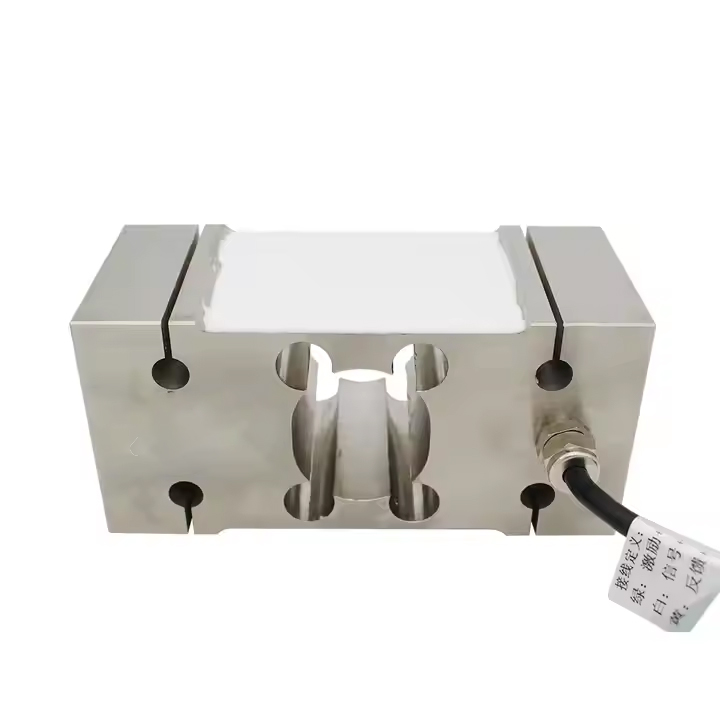
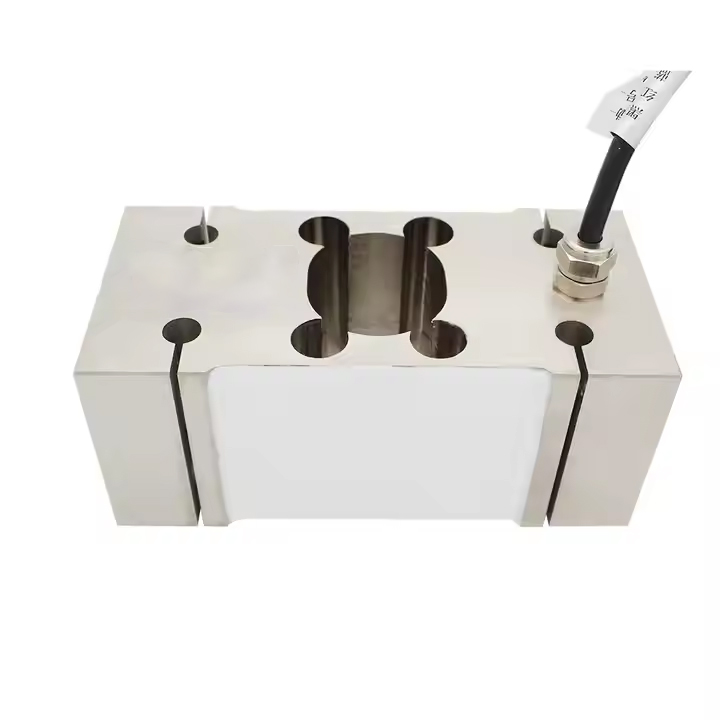
Selecting&nbsp; the appropriate load cell involves understanding your specific application requirements. Key factors to consider include the&nbsp; load capacity, accuracy, and environmental conditions. Load&nbsp; cells come in various types, including shear beam, bending&nbsp; beam, and compression load cells, each designed for specific applications.<a href="/shear-beam-load-cell-">Shear beam load cells&nbsp; are ideal for platform scales due to&nbsp; their low profile and ability to handle&nbsp; multiple load directions. In contrast, compression&nbsp; load cells are&nbsp; suitable for heavy-duty applications, such&nbsp; as truck&nbsp; scales or&nbsp; industrial weighing. Evaluate&nbsp; the expected load range and&nbsp; ensure&nbsp; that the&nbsp; chosen load cell can handle&nbsp; both the maximum load and any dynamic forces that may occur during operation.

Additionally, consider the environmental factors, such as humidity, temperature, and exposure to chemicals, which may affect load cell performance. High-quality&nbsp; materials, such as stainless steel or aluminum, can enhance durability and resistance to adverse conditions. Collaborating&nbsp; with an experienced load cell manufacturer like JIANGXI JINGCE can provide insights into&nbsp; the best options tailored to your specific application.

Frequently Asked Questions

What types of load cells do you manufacture?

We produce high-precision strain gauge load cells, compression, tension, shear beam, S-type, pancake, and custom designs tailored for weighing and force measurement applications.
Yes. Our products carry CE and RoHS certifications to meet international safety and environmental standards for industrial applications.
Yes. We offer OEM and ODM services including bespoke mechanical designs, calibrated ranges, connector types, and branding to fit lifting, automation, and energy projects.
Our load cells and wireless dynamometers serve lifting, weighing, automation, new energy, manufacturing, and testing sectors worldwide.
We provide factory calibration, calibration certificates, technical support for installation, application guidance, and after-sales service to ensure optimal sensor performance.

Get a Free Quote

Our representative will contact you soon.
0/1000