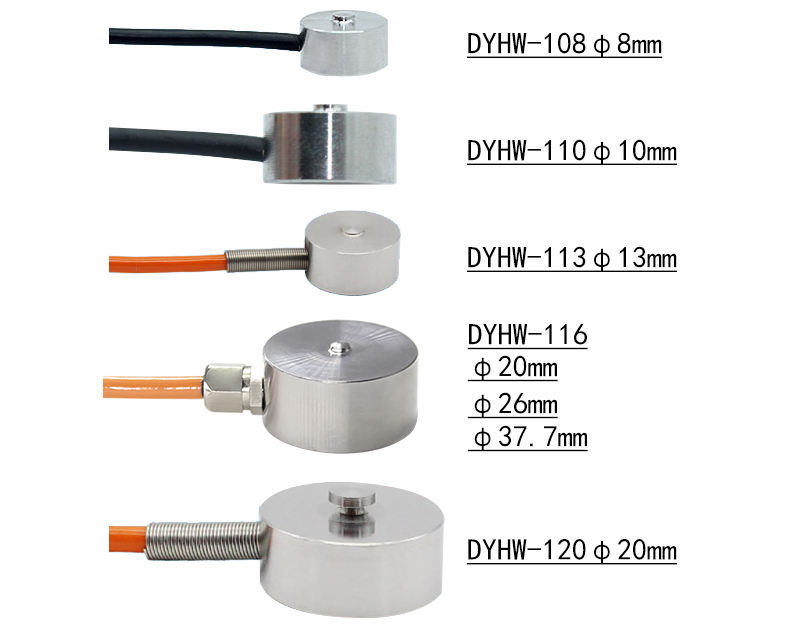
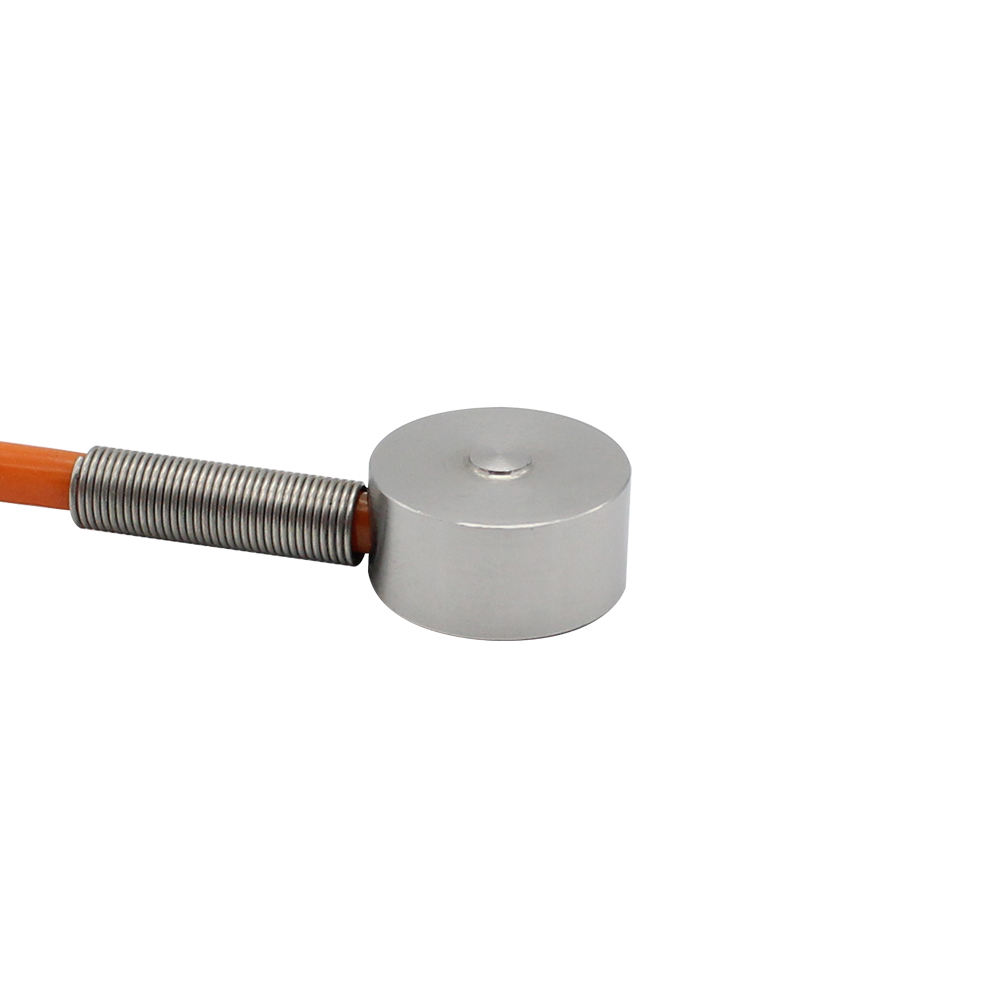
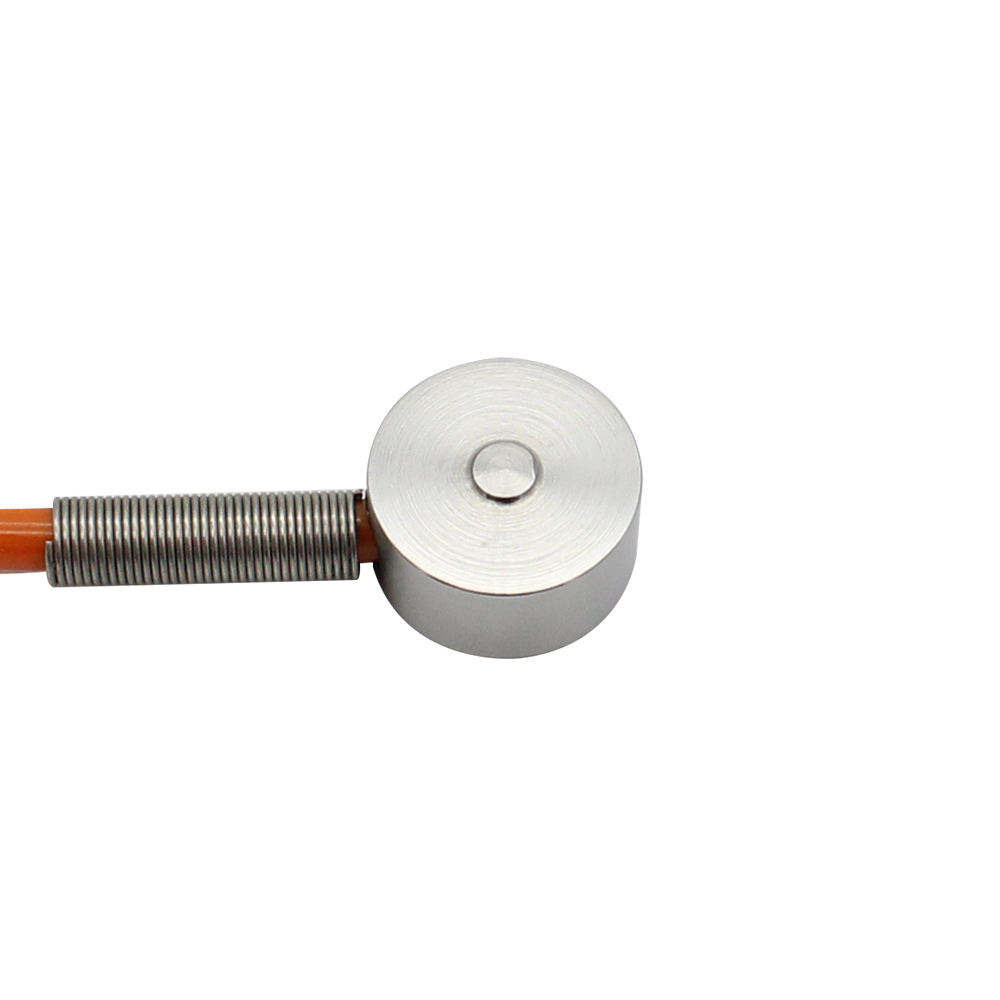
How to Choose the Right Mini Load Cell for Your Needs

application/mini-load-cell, application/mini-load-cell, 
Inquiry
Inquiry

mini load cell

Mini load cells are  essential  components used  in  various industrial applications for precise weight measurement and force detection.  As  a purchasing  manager or engineer, you might face challenges in selecting  the right  load  cell  that  meets specific project requirements,  ensuring compatibility, and managing costs effectively. This article will guide you through  the key considerations for choosing mini load cells,  including specifications, installation challenges,  material  advantages,  and cost  factors to help you make  informed purchasing decisions. For more information on load cell types, check out our article on Load Cell.

Key Specifications to Evaluate When Sourcing Mini Load Cells

Key Specifications to Evaluate When Sourcing Mini Load Cells

When sourcing mini load cells, certain  specifications should be prioritized to ensure optimal performance:

Accuracy: This is the degree to which the load cell's output reflects the  actual load applied.  Look for load cells with  high accuracy ratings to minimize measurement errors.

Sensitivity: This refers to the smallest load that can be accurately measured. High  sensitivity is vital for  applications requiring precise measurements.

Linearity: This specification indicates how well the load  cell's output follows a straight line when  plotted against the load. A linearity of less than 1% is typically desirable for accurate measurements.

Hysteresis: This measures the difference in output when the load is applied and when it is removed. Low hysteresis is essential for applications requiring consistent readings.

Temperature Compensation: Load  cells can be sensitive to temperature changes, affecting accuracy. Look for models  with built-in temperature compensation to ensure  reliable performance across  varying  conditions.

Output Signal Type: Mini load cells can provide analog or digital output. Choose the type that best  integrates with your existing systems, considering factors such as signal processing and data  acquisition.

Evaluating these specifications will help  you choose  a  mini load cell that  meets your application's needs and performance expectations.

Common Installation Challenges with Mini Load Cells and Solutions

Common Installation Challenges with Mini Load Cells and Solutions

Installing  mini load  cells can present various challenges that may affect their  performance. Here are some common  issues and their solutions:

Alignment Issues: Misalignment during installation can lead to inaccurate readings. To mitigate this, ensure  that the load cell is properly aligned with the load application point. A  thorough  inspection of the installation setup before  finalizing can prevent alignment problems.

Mechanical Interference: Components surrounding the load  cell may interfere with its operation.  It's crucial to maintain a clear space around the load cell to avoid any mechanical  obstructions that could affect its performance.

Wiring and  Connection  Problems: Improper wiring can lead to signal loss or incorrect measurements. Follow the manufacturer’s wiring guidelines  meticulously and consider using color-coded wires for easier identification.

Environmental Factors: Exposure to moisture, dust, or extreme temperatures can affect the load cell. Utilizing load cells with  suitable IP ratings and protective enclosures  can significantly enhance durability and reliability.

Calibration: Proper calibration is essential for accurate measurements.  Ensure the load cell is calibrated according to the manufacturer's instructions and perform regular checks throughout  its operation.

By addressing these common  installation challenges, you can enhance the performance and  longevity of your mini load cells.

Material Advantages of Mini Load Cells for Industrial Applications

Material Advantages of Mini Load Cells for Industrial Applications

The materials used in mini load cells play a significant role in their performance  and durability. Common materials include:

Aluminum:  Lightweight and cost-effective, aluminum  load cells are  suitable for  lower-capacity applications where precision  is still critical. They offer good corrosion resistance, making them ideal for various environments.

Stainless Steel: Known for its strength and resistance to corrosion, stainless  steel  is commonly used in load cells  designed for harsh environments. Its durability allows for use in  applications exposed to  moisture, chemicals, and extreme temperatures.

Alloy Steel: This material  provides high strength and dimensional stability, making it suitable for heavy-duty applications. Alloy steel load cells can handle larger loads while maintaining  accuracy.

Polymer  Composites: Used in specific applications, polymer composites can provide lightweight options with good chemical resistance. They are often  used in applications where weight savings are critical.

Choosing  the right material based on your  application's environmental conditions and load requirements will  enhance the performance and lifespan of your mini  load  cells.

Cost Factors to Consider When Ordering Mini Load Cells in Bulk

When ordering mini load cells in bulk, several cost factors should be evaluated  to ensure a prudent investment:

Quantity Discounts: Many manufacturers, including JIANGXI JINGCE SENSING TECHNOLOGY CO., LTD., offer discounts for bulk orders. Understanding  the pricing structure can help you maximize  your budget.

Customization Costs: If you require bespoke solutions, factor in additional costs for customization, as  these can vary significantly based on complexity and specifications.

Shipping and Handling: Consider the  shipping costs associated with bulk orders, which can  vary based on weight, dimensions, and the shipping method chosen.

Lead Times: Longer lead times may incur  additional costs, especially if you  require expedited shipping. Ensure that you account for production and delivery timelines when planning your order.

Quality Assurance: Investing  in quality control measures can prevent  costly errors in production, ensuring that the mini load cells meet your specifications. Check if the  manufacturer has established quality assurance processes, which can also enhance trust in their products.

Compatibility with Existing Systems: Ensure that the  load cells are compatible with your current infrastructure, as integration costs can add to your overall  expenditure if adjustments are  needed.

By  considering these cost  factors, you can make informed decisions that align with your budget while ensuring that you acquire  the  most suitable mini load cells for your  applications.

How to Choose the Right Mini Load Cell for Your Project Needs

Selecting the appropriate mini load cell involves understanding your project's unique  requirements. Start by assessing the load capacity, which typically ranges from a few  grams to several tons. This specification is critical as it determines the sensor's ability to handle the expected weight or force without compromising  accuracy. 

Next, consider the type of load cell: tension, compression, or multi-axis. Tension load cells are ideal for applications involving pulling forces, whereas compression load cells excel in measuring pushing  forces. Multi-axis load cells can measure forces in multiple directions, making  them  suitable for complex  applications. You can learn more about different types of load cells, including Tension Load Cell, in our comprehensive guide.

Environmental factors are also crucial. Identify whether the load cell  will be  used  in harsh conditions, such as high  humidity, extreme  temperatures, or exposure  to chemicals. Selecting a  load cell with appropriate  ingress protection (IP) ratings and materials  can prevent premature failure and ensure longevity.

Lastly, consider any customization needs. JIANGXI JINGCE SENSING TECHNOLOGY CO., LTD.  offers OEM/ODM  solutions that can be tailored to meet specific applications, ensuring the load  cell fits seamlessly into your project.

Frequently Asked Questions

What is a mini load cell used for?

A mini load cell measures small forces or weights in tight spaces for weighing, testing, and automation applications across lifting, new energy, and manufacturing systems.
Capacities range from low-gram to several kilograms, customizable to application needs. Contact us with required range for precise options.
Our mini load cells deliver high-precision measurement and come with CE and RoHS certifications to meet international safety and quality standards.
Yes. We offer OEM/ODM services including custom mounting, output calibration, communication interfaces, and housing to fit specific project requirements.
We provide calibration, performance testing, and documentation. Technical support includes installation guidance, wiring diagrams, and post-sale troubleshooting.

Get a Free Quote

Our representative will contact you soon.
0/1000