Choosing Quality Tension Type Load Cells for Industry

application/tension-type-load-cell, application/tension-type-load-cell, 
Inquiry
Inquiry

tension type load cell

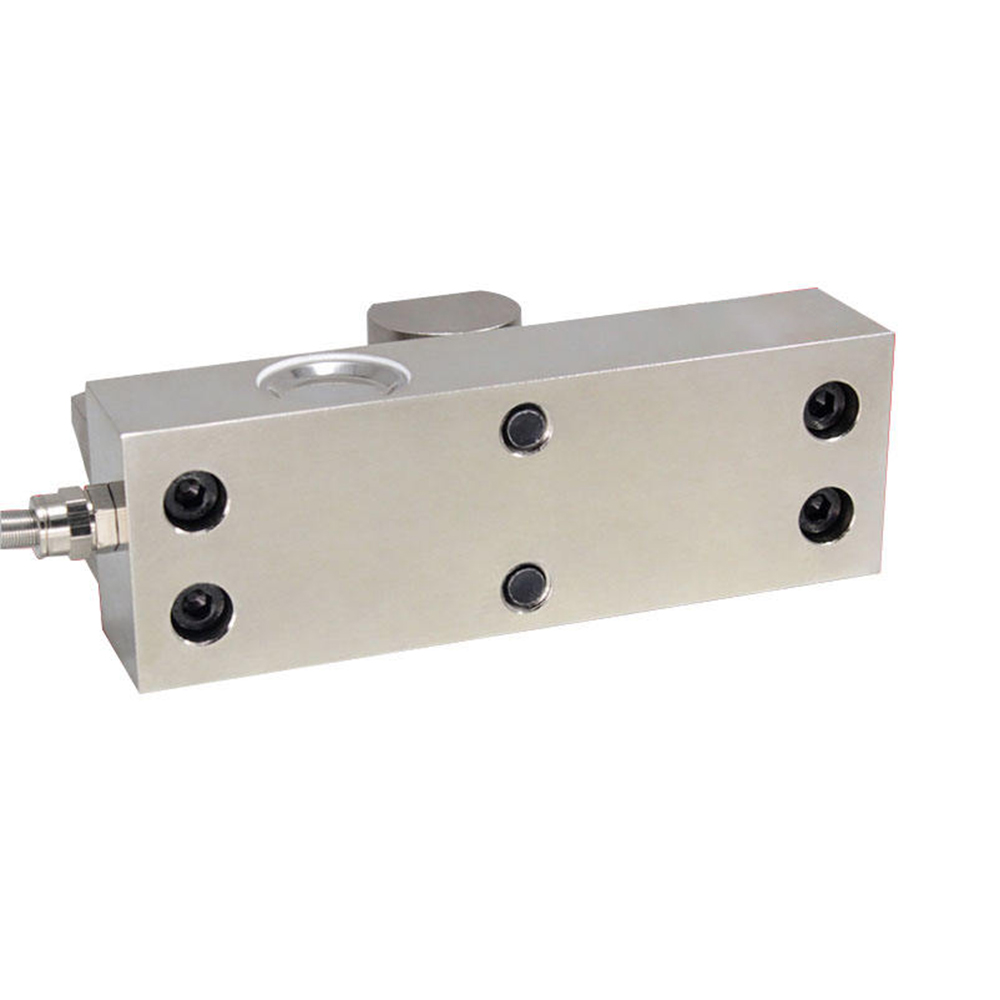
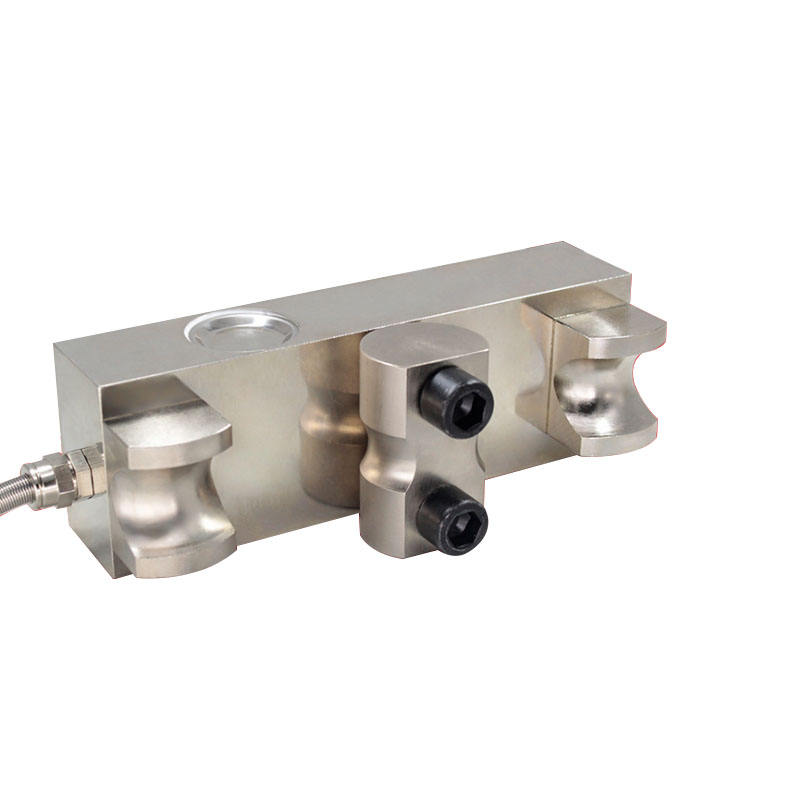
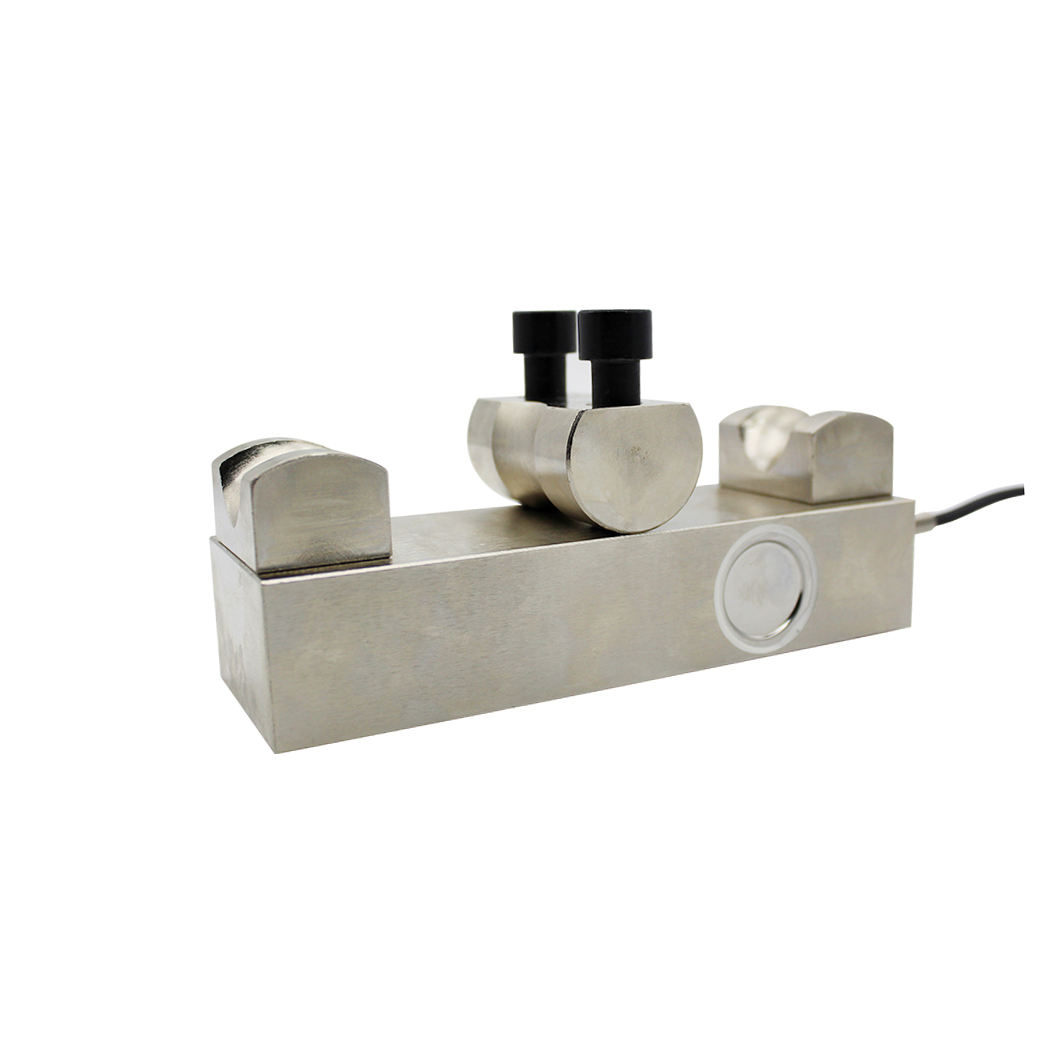
Tension  type load  cells  are essential components used in various industries  to measure tensile forces  accurately. As a purchasing manager, distributor,  or  engineer,  understanding  the nuances  of these  load cells is critical for ensuring you select the  right  product. This  article will address  key considerations when  sourcing tension type load cells,  including quality  standards, cost factors, installation guidance, and their applications  in manufacturing and  automation.

Comparing Quality Standards of Tension Type Load Cells for Importers

Comparing Quality Standards of Tension Type Load Cells for Importers

Quality standards  are paramount when sourcing tension type load cells, especially for importers. Familiarity with relevant certifications, such as CE and RoHS, provides assurance of product safety and  compliance with European standards.  These certifications indicate that the load cells meet strict guidelines for quality, performance, and environmental impact.

Buyers should also evaluate the manufacturer's quality control processes. A robust  quality management system ensures consistency and reliability  in  production. This includes checks at various stages  of manufacturing, from material selection to  final testing. Importers should request detailed documentation on testing  procedures and batch traceability  to  ensure they are receiving compliant and high-quality products.

Moreover, understanding  the materials and manufacturing processes used by the supplier is vital. For instance, tension type  load cells that are precision-machined and undergo rigorous testing for calibration and performance will generally offer better accuracy and durability. Comparing these quality indicators  across different  suppliers  can  help  you make  informed purchasing decisions.

 
Cost Factors to Keep in Mind When Sourcing Tension Type Load Cells

Cost Factors to Keep in Mind When Sourcing Tension Type Load Cells

Pricing for tension type load cells can vary significantly based on several factors. First, the material and manufacturing  process will play a crucial role in determining costs. For example, load cells made from high-grade stainless  steel and subjected to extensive quality  checks will typically command a higher price  than those made from standard aluminum.

Additionally, bulk orders can lead to cost reductions, as many manufacturers offer  discounts for larger quantities. However, it is essential to balance cost with quality and performance. A lower unit price may not necessarily equate  to lower overall  costs if  the load cells  require more frequent replacements or have higher  failure rates.

Shipping and logistics  should also be considered in the total cost. Importers  should factor in freight costs, potential tariffs, and lead times, which can impact the overall  budget  and project timelines. Transparent communication with  the supplier regarding shipping options and costs can  prevent unexpected expenses.

Lastly, it is advisable to discuss warranty options and after-sales  support. A manufacturer that offers a robust warranty and  responsive customer service can save costs in the long run by reducing downtime and  addressing issues quickly.

 
Installation Guidance for Tension Type Load Cells in Industrial Applications

Installation Guidance for Tension Type Load Cells in Industrial Applications

Proper  installation is crucial for the accurate  functioning of tension type load cells. Before installation, ensure that the load cell  is calibrated according to the manufacturer's specifications. Calibration ensures that the load cell accurately reflects  the forces  applied during operation.

When  installing the load cell, it is essential to adhere to the specified mounting requirements. Load cells should be aligned  properly  to  avoid misreadings  or mechanical  failures. Any misalignment can lead to inaccuracies in  the force  measurement and  may compromise the load cell’s integrity.

Moreover, consider the environment surrounding  the load cell installation.  Ensure that there is adequate protection against  environmental  factors, such as moisture or dust, which can affect performance. Utilizing protective enclosures or appropriate sealing  can enhance durability.

Finally, performing a functional test after  installation is advisable to confirm that the load cell operates correctly. This test should simulate actual working conditions to ensure accuracy and reliability before the system goes live.

Applications of Tension Type Load Cells in Manufacturing and Automation

Tension type load cells are widely utilized across  various sectors, particularly in manufacturing and automation. One prominent application is in weighing systems for materials handling, where precise measurement  of tension is essential for maintaining quality control and ensuring  operational efficiency.

In automation, tension type load cells are instrumental in monitoring and  controlling the  forces exerted in processes such as material testing, assembly operations, and load monitoring in cranes or lifting systems. These load cells help  ensure  safety and efficiency by providing real-time data that can be integrated into automated control systems.

In the new energy sector,  tension  type load cells are also used in the testing of components such as wind turbine blades and solar panel structures. Their ability to measure tensile loads accurately ensures  that  these components meet safety and  performance standards.

Overall, understanding  the specific applications  and requirements  of  tension type load cells will enable buyers to select the most appropriate  solutions for their operational needs, paving the way  for enhanced productivity and  safety in  their processes.

What to Consider When Choosing a Tension Type Load Cell for Bulk Orders

When selecting a tension type load cell for  bulk orders, several factors must be considered to ensure optimal performance  and reliability.  First and foremost, assess the load cell's specifications, including its capacity, accuracy, and sensitivity.  The load capacity should align with the maximum forces  expected in your application; selecting a load cell with a higher capacity than necessary can lead to a lack of sensitivity, while one  that is too low may result in failure. For instance, customizable PMC sensors load cell transmitter can be tailored to specific requirements.


Material selection is another critical aspect. Load cells are typically constructed from materials such  as aluminum  or stainless steel. Aluminum is lightweight and cost-effective but may not be suitable for high-stress environments. In  contrast,  stainless  steel offers greater durability and corrosion resistance, making it ideal for harsh industrial applications.

Buyers  should also consider the environmental conditions in  which the load cells  will operate. Factors such as humidity,  temperature extremes, and exposure to  chemicals  can affect performance. Ensuring the load cell has suitable protection (like IP ratings) against dust and moisture  is essential for longevity.

Lastly, customization capabilities should not be overlooked. If your application has specific requirements, such as unique dimensions or additional features, collaborating  with the manufacturer for OEM/ODM solutions can provide tailored options that fit your needs. For example, heavy-duty wireless tension load cells offer specialized features for demanding environments.

Frequently Asked Questions

What is a tension type load cell?

A tension type load cell measures axial pull forces. It converts tension into an electrical signal for accurate force monitoring in lifting, weighing, and testing applications.
Our tension load cells provide high-precision accuracy with CE and RoHS certifications, ensuring compliance for industrial and commercial use.
Common industries include lifting, weighing, automation, and new energy sectors requiring precise tension measurement and control.
Yes. We offer OEM/ODM customization for capacity, mounting, connectors, and calibration to meet specific application requirements.
We provide factory calibration, technical support, installation guidance, and after-sales service to ensure reliable performance and integration.

Get a Free Quote

Our representative will contact you soon.
0/1000