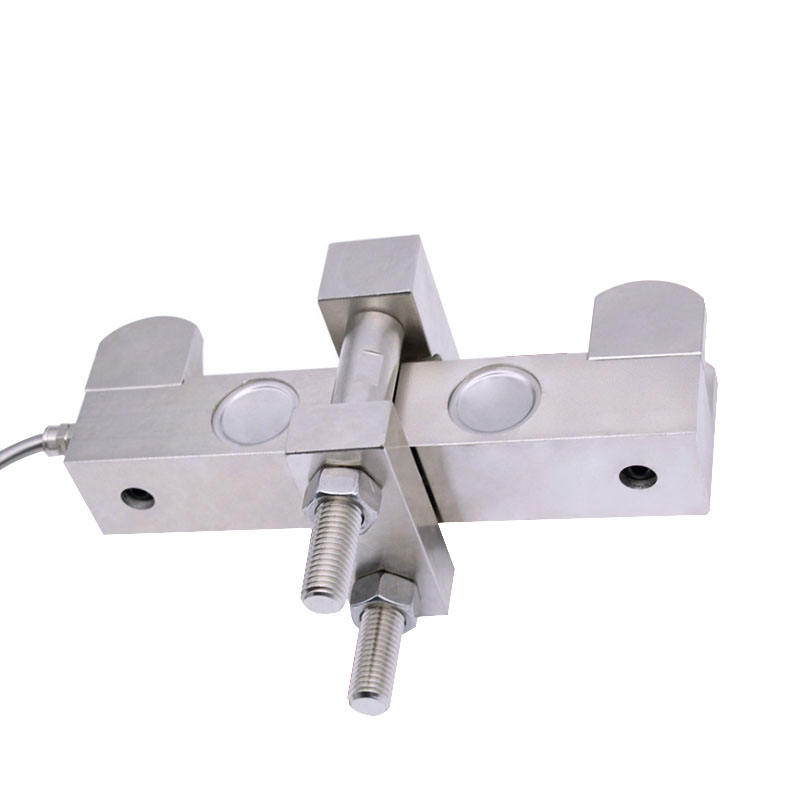
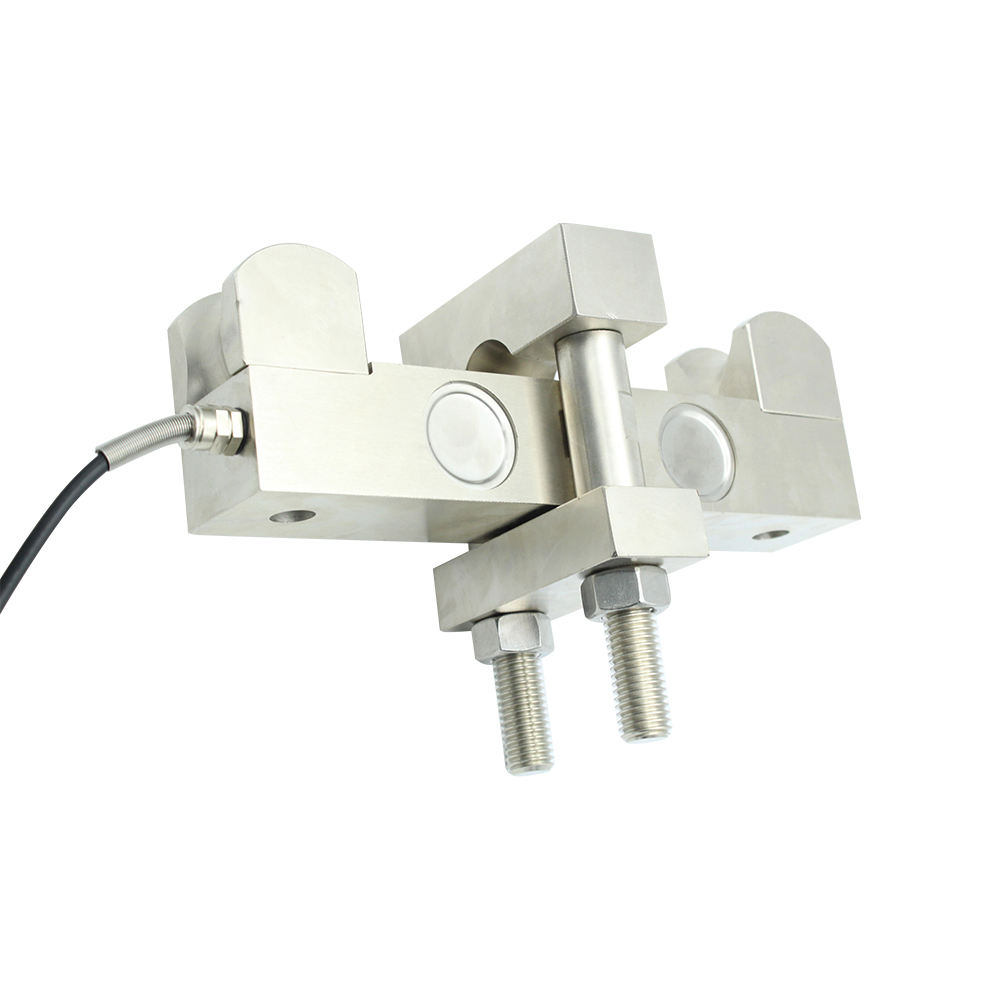
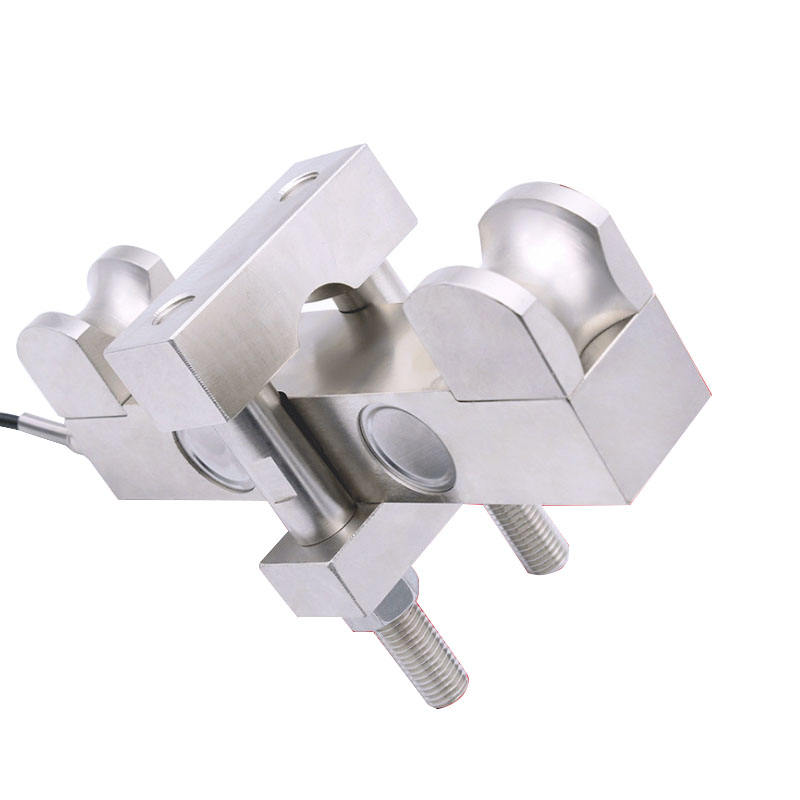
Evaluating Tension Load Cell Prices for Bulk Orders

application/tension-load-cell-price, application/tension-load-cell-price, 
Inquiry
Inquiry

tension load cell price

Tension load  cells are critical  components  in  various industrial applications,  providing precise  measurements  of tension forces  in lifting, weighing, and automation processes. As  professionals in  the  manufacturing  and industrial sectors consider wholesale purchases, understanding  the factors  that  influence tension load cell  prices is essential. This  article will  delve into key considerations for selecting tension load cells, evaluating their prices, understanding  specifications, and addressing common challenges faced by buyers.

 
How to Evaluate Tension Load Cell Prices for Bulk Orders

How to Evaluate Tension Load Cell Prices for Bulk Orders

Evaluating tension load cell prices for bulk orders involves a strategic approach to ensure competitive pricing without  compromising quality. Here  are key considerations:

Volume Discounts: Many manufacturers offer tiered pricing based on order quantities. It's  essential to communicate your intended  order size and  negotiate for bulk pricing  to  reduce the  per-unit cost.Tension load cell pricing can vary significantly based on volume.

Manufacturer Comparison: Obtain quotes from multiple manufacturers to compare not just prices, but also specifications, certifications, and delivery  terms. This will help you benchmark the pricing and  identify competitive offers.

Total Cost of Ownership: Consider not just the initial purchase price, but also factors  such as shipping costs, potential duties, and the cost of  installation or integration. A lower initial price may lead to higher overall costs if  additional expenses arise.


Lead Times: Factor  in  the lead  time for delivery. A lower price may not  be advantageous  if it results in extended production downtime due to delayed delivery.

Warranty and Support: Evaluate the warranty terms and after-sales support provided by the manufacturer. A slightly higher  price may be justified if it includes robust support and a longer warranty period.

By systematically evaluating these factors, purchasing managers can ensure they secure the best deal while maintaining quality and reliability.

Understanding Tension Load Cell Specifications for Your Projects

Understanding Tension Load Cell Specifications for Your Projects

Understanding the specifications of  tension load cells is crucial for ensuring that they meet the requirements of your projects. Here are the most relevant specifications to consider:

Rated  Capacity: This indicates the maximum load the load cell can measure. It is essential  to choose a load cell with  a rated capacity that exceeds your maximum expected load  to prevent damage.

Output Signal: Load cells typically provide output signals in millivolts per volt (mV/V). Understanding the output  signal type is  vital for  compatibility with your data acquisition systems.

Sensitivity: Sensitivity refers to the load cell's ability to produce a change in output with a change in input load. Higher sensitivity is beneficial for applications  requiring precise measurements.

Linearity: This specification indicates how accurately the output signal corresponds to the input load across the entire range of the load cell. A linearity specification of ±0.1%  is common for high-precision applications.

Temperature  Compensation: Load cells can be affected by temperature fluctuations. Specifications should indicate the temperature range  over which the  load cell remains accurate and stable.

Protection Class: Depending on the application, consider the load cell's ingress  protection (IP) rating.  This  rating indicates the load cell's ability to  withstand dust, moisture, or other  environmental factors.


Understanding these specifications will help ensure that the tension load cells selected for your  projects are both suitable and effective.

Cost Factors Influencing Tension Load Cell Prices in Manufacturing

Cost Factors Influencing Tension Load Cell Prices in Manufacturing

Several cost factors influence the pricing of tension load cells in manufacturing. Recognizing these can aid purchasing managers in making informed decisions:

Material Costs:  The choice of materials, such as stainless  steel versus aluminum,  significantly impacts  the cost. Stainless  steel load cells typically  cost more but offer greater durability and  corrosion resistance.


Manufacturing Complexity: The complexity  of the load cell design and the manufacturing process can also affect pricing. More intricate designs that  require advanced technology or specialized manufacturing techniques will  typically incur higher costs.

Testing and Quality Control:  Rigorous testing and quality control processes add to the overall cost of load cells. Manufacturers that invest in thorough testing procedures can justify higher prices, as this ensures reliability and accuracy.

Export and Shipping Fees: For international buyers, export fees, shipping costs,  and customs duties can significantly affect the final price.  It is essential to factor these into the  total cost during negotiations.

Market Demand and Supply: Prices  can fluctuate based on market conditions. High demand for specific types of load cells may  drive prices up,  while competitive supply  can lead to lower prices.

Being aware of these cost factors can empower purchasing managers to negotiate effectively and make  better purchasing decisions.

Common Problems with Tension Load Cells and Effective Solutions

Tension load cells, while reliable, can encounter several common issues that may affect performance. Recognizing these problems and knowing how to address  them is essential for maintaining operational efficiency:

Calibration  Issues: Load cells may drift  over time and require  recalibration. Regular maintenance checks and  recalibration  can help ensure ongoing accuracy. Setting a schedule for calibration based on usage frequency can mitigate this issue.


Environmental Interference: External factors such as electromagnetic interference (EMI) or  temperature fluctuations  can affect load cell performance. Implementing proper shielding and selecting load cells designed for specific environmental conditions can minimize these  effects.

Mechanical Damage: Improper handling or installation can lead to mechanical damage. Educating personnel on proper handling techniques  and installing protective measures around load  cells can help prevent damage.

Wiring Problems: Faulty connections or damaged wiring can lead to erroneous  readings. Regular  inspection of wiring and connections is essential to ensure integrity and functionality.

Overloading: Subjecting load cells to loads exceeding their rated capacity  can cause permanent  damage. Implementing load limits and using overload protection devices can prevent this issue.

By understanding these  common  problems and their solutions, purchasing  managers can better prepare for potential issues, ensuring that tension load cells operate effectively throughout their intended lifespan.

With a deeper understanding of tension load cell prices, specifications, and common  challenges, B2B buyers can make informed decisions that enhance their operational efficiency and reliability in critical applications.

What to Consider When Selecting a Tension Load Cell for Wholesale Purchase

When selecting a tension load cell for wholesale  purchase,  several critical factors must be evaluated  to  ensure that the chosen product meets your operational requirements.


Application Suitability: Determine the specific application where the load cell will be used. Different applications, such as lifting, weighing, or dynamic testing, may require different load cell designs and specifications. Load cell selection is crucial in this aspect.

Load Capacity: Consider  the maximum load the tension load cell needs to measure. Selecting a load cell with the appropriate load capacity is crucial; choosing one that is undersized can lead to failure, while an oversized  load cell may result in unnecessary costs.

Accuracy and Precision: Evaluate the load cell's accuracy, typically expressed as a percentage of full-scale output. A load  cell with higher accuracy is essential for critical applications where precision measurement directly impacts safety and operational efficiency.

Material and  Environmental Considerations: The material should be selected based on the operating environment. For instance,  stainless steel load cells  may be more suitable for corrosive environments, while aluminum load  cells can  be  ideal for lightweight applications.

Certifications: Ensure  that the load cell complies with relevant industry standards and certifications, such as CE and  RoHS, to guarantee reliability and safety in your operations.

Customization Capabilities: If your application requires special features, such as specific dimensions or signal  outputs, check if the manufacturer offers customization options.


By carefully considering these factors,  purchasing managers can make informed  decisions that align with their operational goals.

Frequently Asked Questions

What is the typical price range for a tension load cell?

Prices vary by capacity, accuracy, and features. Standard tension load cells generally range from economical models to higher-precision units. Contact us with specifications for an accurate quote.
Yes. We provide OEM/ODM solutions with competitive pricing for volume orders. Send order quantity and customization details for a tailored proposal.
Our products carry CE and RoHS certifications. Certification compliance is standard; any additional documentation or testing can be provided and may affect final cost.
Higher capacity and tighter accuracy tolerances increase manufacturing complexity and cost. Specify required range and accuracy so we can recommend cost-effective options.
We offer warranty coverage and technical support for installation, calibration, and maintenance. Warranty terms may vary by model; contact sales for details and service pricing.

Get a Free Quote

Our representative will contact you soon.
0/1000