Choosing the Right Wireless Tension Load Cell

application/wireless-tension-load-cell, application/wireless-tension-load-cell, 
Inquiry
Inquiry

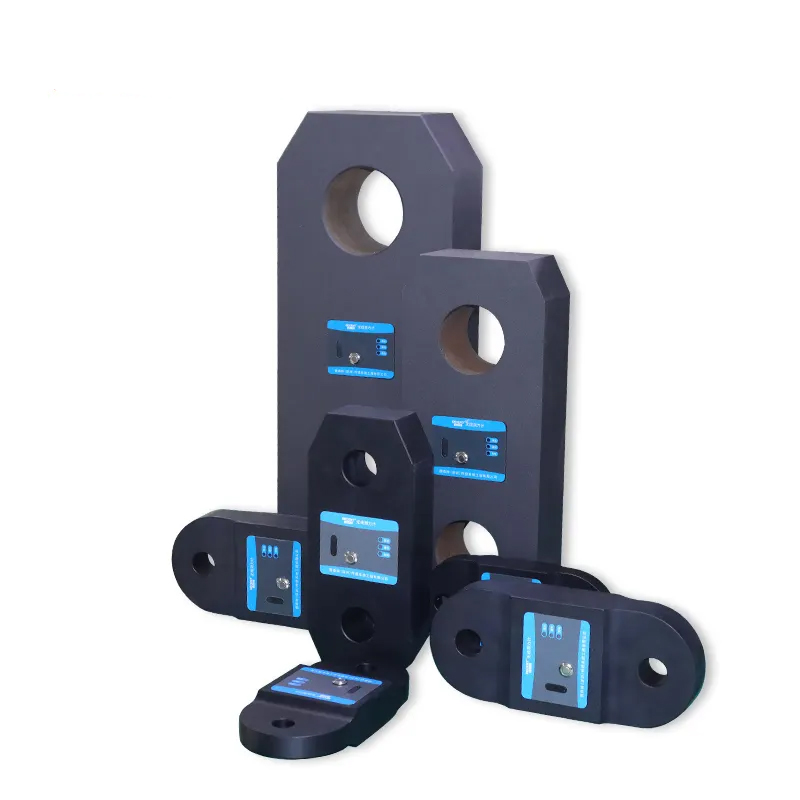
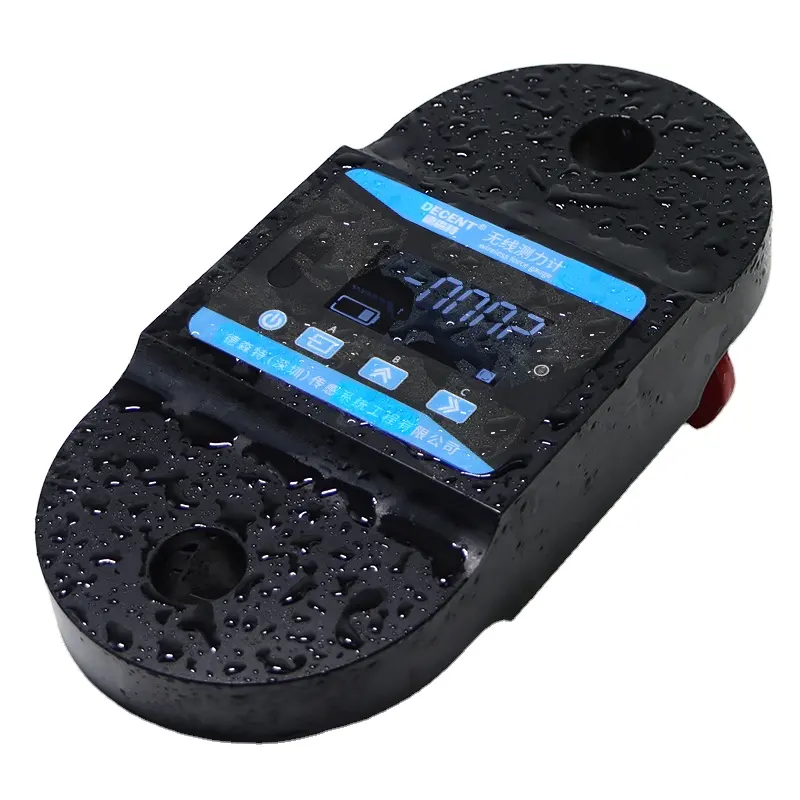
wireless tension load cell

Wireless tension  load cells  are critical components in various  industrial applications, providing precise measurements of tension  in lifting and weighing  systems. For  B2B  buyers, understanding  how to select  the right  wireless tension load cell is essential to ensure compatibility  with their specific applications. This article  will  guide you through key considerations and specifications, sourcing options,  quality control measures, and  the diverse applications of wireless tension  load  cells,  helping  you make informed purchasing decisions.

 
Key Specifications to Consider for Wireless Tension Load Cells

Key Specifications to Consider for Wireless Tension Load Cells

When evaluating wireless tension load  cells, several specifications are paramount:

Load Capacity: This is the maximum weight the load  cell can accurately measure. Ensure the  chosen load cell can handle both expected and peak loads without exceeding its limits.

Accuracy and  Precision: Look for specifications such as non-linearity  and  hysteresis.  A lower percentage indicates higher accuracy,  which is crucial for applications requiring  precise measurements.

Material and Construction: The material  used impacts durability and resistance to environmental factors. Stainless steel is common for its  strength and resistance to corrosion, while aluminum is lightweight and often used in  portable applications.

Temperature Range: Ensure that the load cell  can  operate effectively within the temperature extremes  of your environment. Some applications may expose the load cell to high or low temperatures, affecting performance.

Wireless Range and Battery Life:  The operational range of the wireless signal and the  longevity  of the battery are important, especially in large facilities where load cells may be positioned far from receivers.

Buyers should review these  specifications in  relation to their specific application to ensure optimal performance and reliability.

Where to Source Reliable Wireless Tension Load Cells in Bulk

Where to Source Reliable Wireless Tension Load Cells in Bulk

Sourcing wireless tension load cells in  bulk involves identifying reputable manufacturers and suppliers. Start by researching companies with a  strong industry presence and positive customer  reviews. JIANGXI JINGCE SENSING TECHNOLOGY CO.,  LTD. specializes in manufacturing high-precision  load cells and offers OEM/ODM  solutions, making them  a viable option for bulk orders.

When  reaching out for quotes, provide detailed specifications, including model requirements, quantities,  and any customization needs. This will help suppliers give accurate pricing and lead time  estimates. Additionally, consider suppliers who  have the necessary certifications, such  as  CE and RoHS, as these indicate compliance with  international  standards  for  safety and environmental protection.


Buyers should also inquire about minimum order  quantities (MOQ), as this  can vary significantly between manufacturers. Understanding these factors will help in planning procurement strategies effectively.

Evaluating the Quality Control of Wireless Tension Load Cells

Evaluating the Quality Control of Wireless Tension Load Cells

Quality control is a vital  aspect when sourcing  wireless tension  load cells. A  reliable  manufacturer will have a robust quality assurance process that includes incoming material  inspections, in-process quality checks, and final product testing. JIANGXI JINGCE SENSING TECHNOLOGY CO., LTD. follows  stringent  quality control measures to ensure each load cell meets industry standards.

When evaluating suppliers, request documentation of their quality  control processes. This may include inspection reports, calibration certificates,  and  details on their testing protocols  for accuracy and  reliability. Additionally, look for manufacturers  who can  provide warranty information, as  this reflects their  confidence in product quality.


It's also wise to ask about their procedures for handling defective products  and their track record for resolving quality issues. A supplier with a transparent quality management system is more likely to be a trustworthy partner.


Applications of Wireless Tension Load Cells in Various Industries

Wireless tension load cells find applications across multiple industries, each with unique requirements:

Lifting and  Rigging:  In  construction and marine  applications, load cells measure tension in cables  and rigging systems to prevent overloading and ensure safety.

Manufacturing and  Automation:  Load cells are integral to automated weighing systems, providing real-time data for quality  control and inventory management.

Energy Sector: In wind and solar installations, wireless tension load cells monitor stress  and  tension in  cables  and structures, ensuring operational integrity.


Transport and Logistics: Used for monitoring loads in  transport vehicles, ensuring compliance with weight regulations, and enhancing safety during cargo handling.

Research and Development: In laboratories, these load cells assist in material  testing, providing precise measurement data essential for experimental accuracy.

Understanding the diverse applications of wireless tension load cells can help businesses identify where they can implement these devices for  improved efficiency and safety. <a href="/heavy-duty-wireless-tension-load-cell-high-precision-weight-sensor-load-cell-with-handle-device-for-mines-ropeways-cable-cars">Heavy Duty Wireless Tension Load Cell is an exemplary product that can enhance safety and efficiency in various operations.


By considering the specifications, sourcing options, quality control processes,  and applications of wireless  tension load  cells, B2B buyers can make informed decisions that align with their operational needs and enhance their project outcomes.

How to Choose the Right Wireless Tension Load Cell for Your Projec

When selecting a wireless  tension load cell, begin by considering the specific requirements of your application. Key  factors include the maximum load  capacity, accuracy, and environmental conditions. For instance,  if your application involves high loads or extreme conditions, you must ensure the load cell can  handle  these  demands without  compromising  performance. Additionally, choosing a Chinese Factory Weighing Compression Tension Junction Box can complement your load cell setup effectively.

Next, evaluate the communication protocol of  the  load cell. Different models may use Bluetooth, Wi-Fi, or proprietary communication methods, affecting how easily you  can integrate them into your  existing system. It's also crucial to consider  whether the load cell  can be powered by batteries or requires a constant power source, impacting installation and  maintenance.

Finally, assess customization options. JIANGXI JINGCE  SENSING TECHNOLOGY CO., LTD.  offers OEM/ODM solutions, allowing businesses to tailor  specifications based  on their unique needs. This can include specific dimensions, materials, or features that enhance performance for particular applications, such as a Customizable PMC Sensors Load Cell Transmitter.

Frequently Asked Questions

What is a wireless tension load cell?

A wireless tension load cell is a sensor that measures tensile force and transmits data wirelessly for remote monitoring and control in lifting, weighing, and automation applications.
We offer high-precision models with various capacities from low to heavy loads; specific accuracy and capacity ranges are available on request to match your application.
Our load cells and wireless dynamometers carry CE and RoHS certifications, ensuring compliance with safety and environmental standards.
Yes. We provide OEM/ODM solutions including calibration, housing, wireless protocol adjustments, and branding to meet project requirements.
Wireless transmission options include standard RF/Bluetooth protocols; data can be integrated into PLCs, data loggers, or cloud systems via provided interfaces and documentation.

Get a Free Quote

Our representative will contact you soon.
0/1000