Load Cell Manufacturers: Finding Reliable Suppliers

application/load-cell-manufacturers, application/load-cell-manufacturers, 
Inquiry
Inquiry

load cell manufacturers

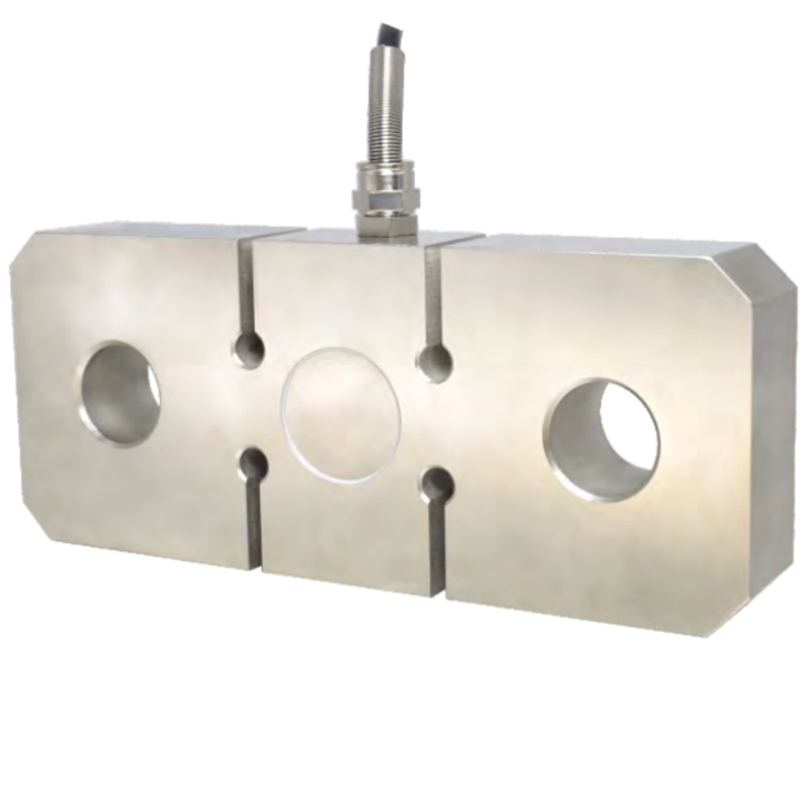
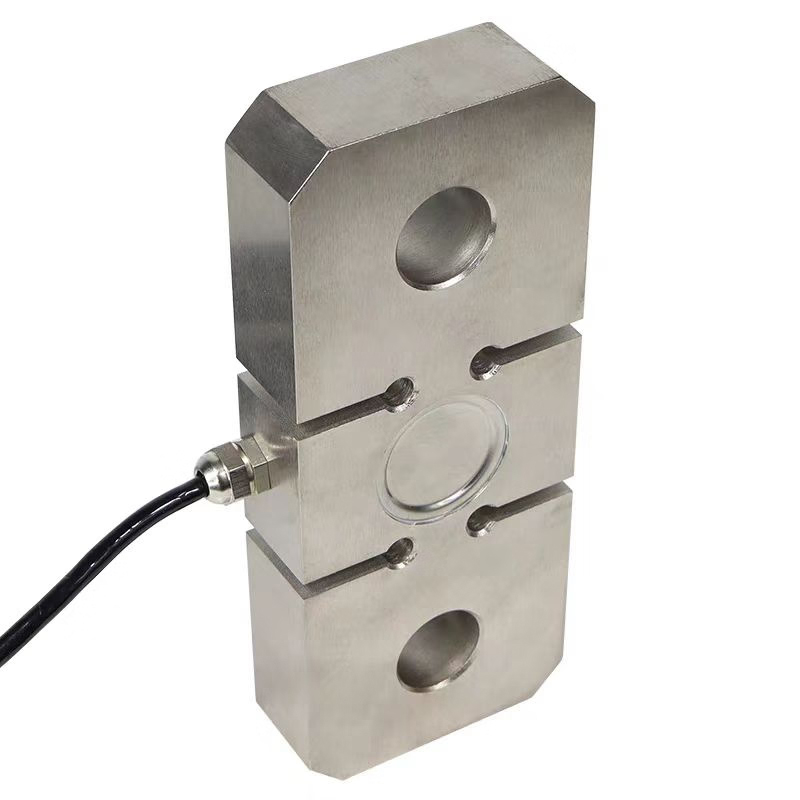
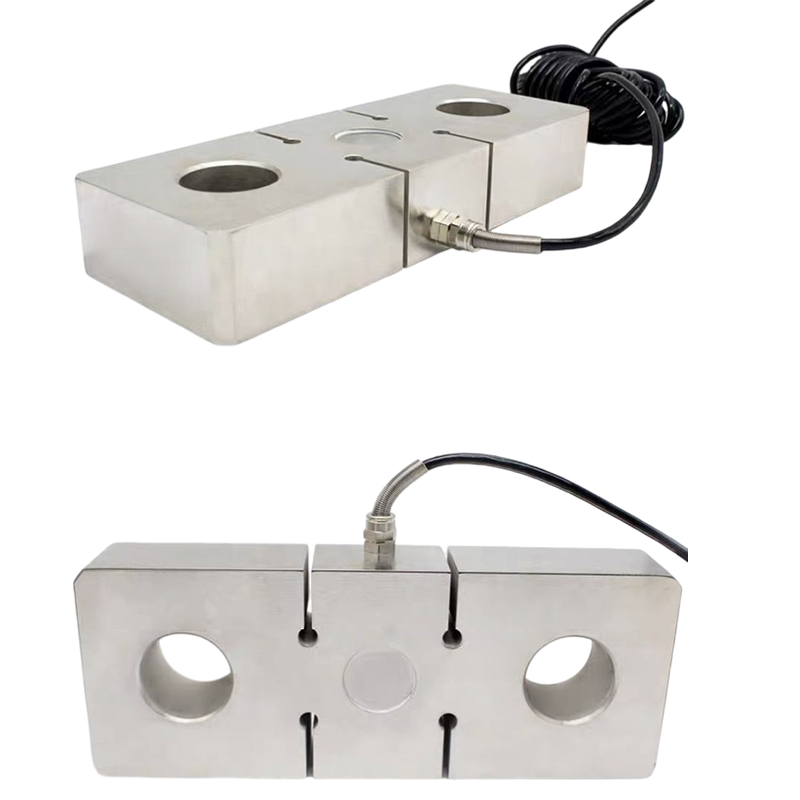
Understanding load cells—essential components  in  various industrial applications—is crucial for  purchasing  managers and engineers. As a key product offered by  load cell  manufacturers, these devices measure  weight or force with  high precision, which  is  vital for industries like lifting, weighing,  automation,  and new energy. This article will  explore  how to find  reliable suppliers, essential knowledge about load cells, best practices for purchasing,  their applications across  industries,  and common  issues along with effective  solutions.

What You Need to Know

What You Need to Know

Load cells are used to convert a force into an electrical signal, allowing for precise weight measurement. Understanding the different types of load cells is crucial for selecting the right one for your application. The  most common types  include:

Strain gauge load cells: These  are the  most widely used due to their accuracy and reliability. They work by measuring the  deformation of a material under load. Hydraulic load cells: These use fluid pressure to measure force and are often used in  heavy lifting applications. Pneumatic  load cells: These operate using air pressure and are suitable for explosive environments.

Each type has its specific capabilities, performance  characteristics, and application suitability.  It’s critical to  consider  factors such as load  capacity, measurement range, and environmental conditions  (e.g., temperature,  moisture) when selecting a load cell.

Additionally, be  aware of the technical specifications  that are  crucial for compatibility with your systems. These include dimensions, material construction, and electrical output signal  types. Discussing these  specifications with  your chosen supplier can ensure the right fit for your operational needs.

Best Practices and Tips

Best Practices and Tips

When purchasing load cells, adhere to the following best practices to optimize your buying experience:

Request Detailed Quotations: Provide potential suppliers with clear specifications,  including  load requirements, dimensions,  and any customization needs. This helps ensure accurate quotations and reduces misunderstandings.

Sample Testing: Always request samples before committing to a large order. Testing a sample can reveal whether the  load cell  meets  your performance expectations under real operating conditions.

Quality Inspection: Confirm what quality inspection processes the manufacturer follows. This  may include testing  load cells under  various conditions  to ensure they meet specified tolerances.

Check for Customization Capabilities: If your application demands specific modifications, ensure the manufacturer  can accommodate these requests. Discussing customization  options early in the process can save time and resources.

Evaluate Packaging and Shipping: Understand how  the  load cells  will be packaged and shipped. Proper packaging  is vital to  prevent damage during transportation, particularly for sensitive equipment like load cells.

By  following these practices, you can make informed decisions that align with your operational requirements and  budget constraints.

 
Applications of Load Cells Across Various Industries

Applications of Load Cells Across Various Industries

Load  cells find applications in  numerous industries, each with unique  requirements. Here are a few examples:</p> Manufacturing: In  production lines, load cells are  used for quality control,  ensuring that products meet specified  weight and force  criteria. Automotive: Load cells are integral in testing vehicle components for strength and durability. Healthcare: In medical devices, load cells help  in weighing patients  and ensuring precision in diagnostics equipment.   Aerospace: Load cells are employed in testing the  weight  of aircraft components to ensure safety and compliance with regulations. New Energy: As  part of renewable energy solutions, load  cells are used in systems monitoring and optimizing  the performance  of wind and  solar installations.

Understanding the specific requirements and applications within your industry can guide  you in selecting the right load cell and manufacturer.

Common Problems with Load Cells and Effective Solutions

While load cells are generally reliable, several common issues  can arise. Here are some problems along with solutions:

Drift and  Calibration Issues: Load cells can experience signal drift over time.  Regular  calibration is  essential to maintain accuracy. Establish a  routine calibration schedule and ensure your team is trained in proper calibration techniques.

Environmental Interference: External factors such as temperature fluctuations and electromagnetic interference can affect performance. Choose load cells with appropriate environmental ratings and consider protective casings to mitigate these effects.

Mechanical Damage: Improper handling during installation or shipping can cause damage. To  avoid this, ensure that all personnel are  trained on proper handling procedures, and request  robust packaging  from suppliers.

Incompatibility with Existing Systems: Load cells must be compatible with your existing systems for optimal performance. Before purchasing, verify the output signal type and  ensure it aligns with your data acquisition systems.


Underloading or Overloading: Ensure that load cells are not subjected to loads outside their  specified range, which can lead to permanent damage. Educate your team on the load limits and implement monitoring systems to alert you when approaching these limits.

By anticipating these challenges and implementing proactive measures, you can maintain  the reliability  and performance of your load cells.

Understanding the  complexities  surrounding load cell  manufacturers and their products is crucial for making  informed purchasing decisions. By focusing on reliable suppliers, acquiring essential knowledge, adhering to best practices, recognizing diverse applications, and addressing potential issues,  you will be better equipped to select the right load cells for your specific needs.

Finding Reliable Suppliers for Your Needs

When searching for load cell manufacturers, it’s essential to evaluate potential suppliers based on several key factors. Begin by considering  their certifications, such as CE and RoHS,  which  indicate compliance with safety and environmental standards. This is particularly important for applications in regulated industries.

Next, assess the supplier's manufacturing capabilities. Investigate  whether they can provide OEM/ODM solutions tailored  to your specific  requirements. Understanding their  production capacity and  lead times  is also  crucial, as this affects your  project timelines.  Don't hesitate to request references or case studies from previous clients to gauge their reliability and quality of service.

Additionally,  engage in discussions to understand their quality control processes. A  reputable  manufacturer will have stringent quality  assurance measures in place to  ensure consistent performance  of their load cells. Finally, consider their customer service and support,  which can be invaluable throughout the purchasing  process and beyond.

Frequently Asked Questions

What load cells do you manufacture?

We produce high-precision load cells, force sensors, and wireless dynamometers for lifting, weighing, automation, and new energy applications, available in multiple capacities and mounting styles.
Yes. Our products carry CE and RoHS certifications, ensuring compliance with European safety and environmental standards.
Yes. We offer customized OEM and ODM solutions, adapting product specifications, calibration, and branding to meet your project requirements.
We serve lifting, weighing, automation, and new energy industries worldwide, supplying sensors for industrial, commercial, and renewable energy applications.
We provide technical support, calibration, and after-sales service including installation guidance, performance verification, and custom calibration on request.

Get a Free Quote

Our representative will contact you soon.
0/1000