Choosing the Right Tension Sensor Load Cell

application/tension-sensor-load-cell, application/tension-sensor-load-cell, 
Inquiry
Inquiry

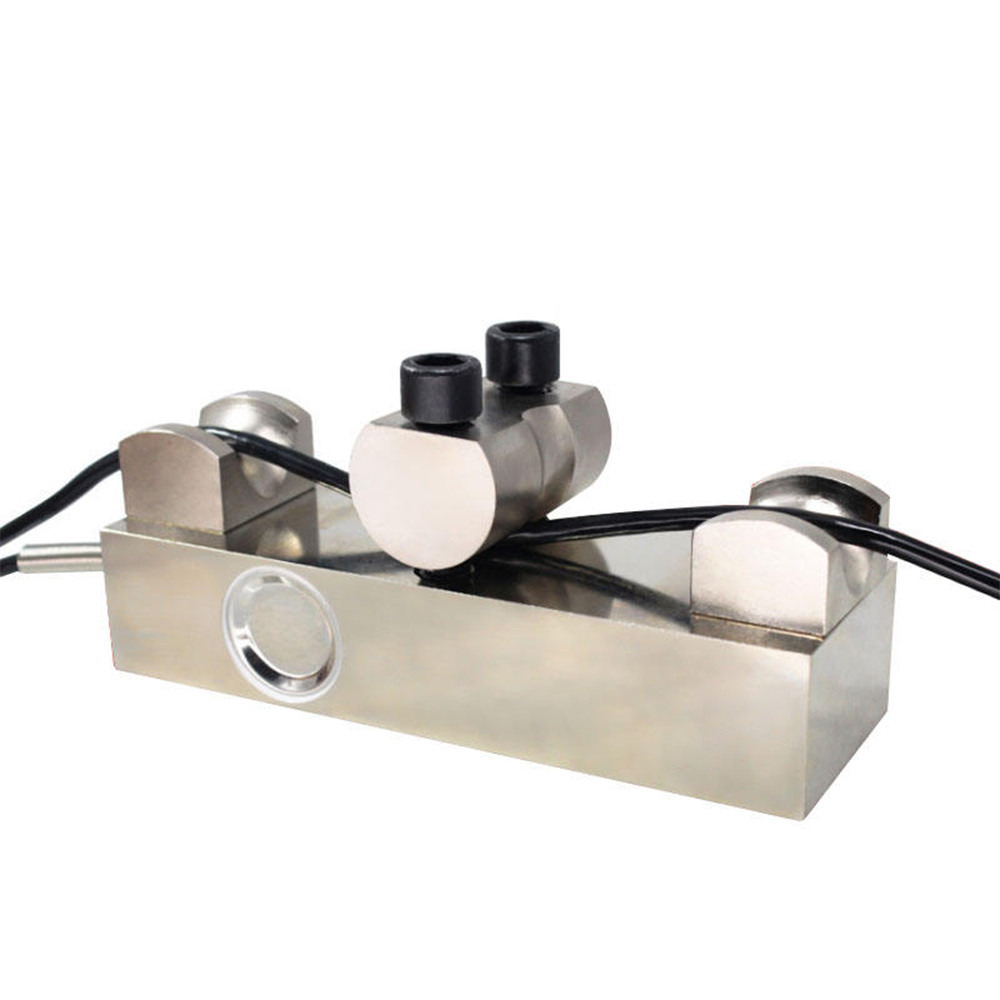
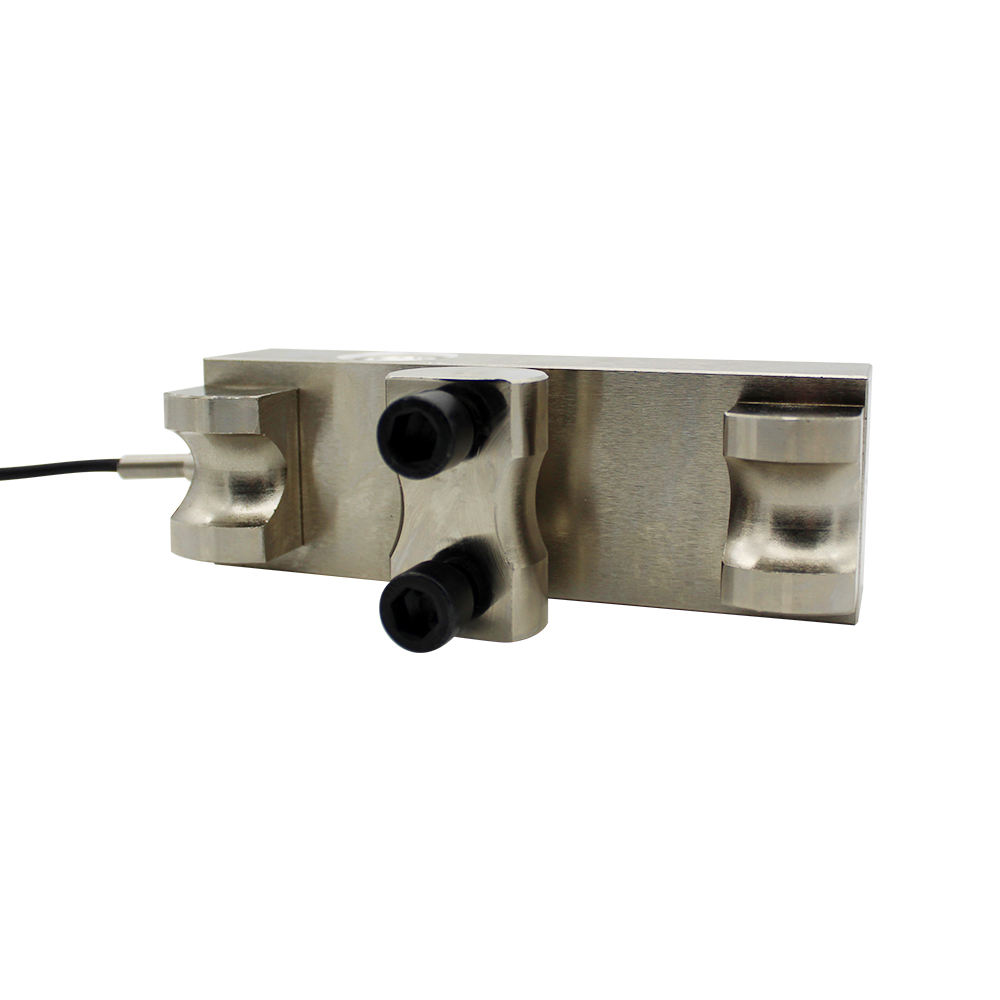
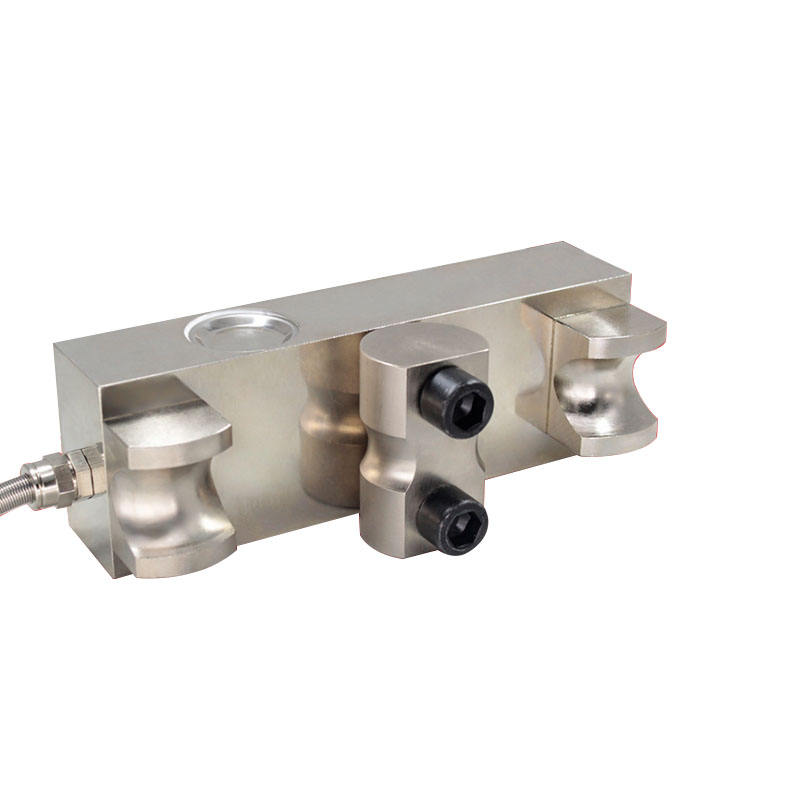
tension sensor load cell

Tension sensor load cells are  precision instruments used to measure the force  or tension in various applications, primarily within industrial  settings. As a  critical  component  in lifting,  weighing,  and automation processes, selecting  the  right load cell is paramount  for  optimizing performance and ensuring accuracy.  This article addresses common  concerns buyers  face, including specifications,  cost factors, quality control  standards,  and practical applications of tension sensor load cells, helping purchasing managers and  engineers make informed  decisions.

Key Specifications to Evaluate in Tension Sensor Load Cells

Key Specifications to Evaluate in Tension Sensor Load Cells

When assessing tension sensor load cells, several key specifications warrant close attention:

Load Capacity: This is the maximum weight the  load cell  can measure. Choose a load cell with a capacity that exceeds  the expected maximum load to ensure safety margins.

Sensitivity: This  measures how much the output signal changes with a change in load. Higher  sensitivity means better accuracy, especially in applications where precise measurements are critical.

Temperature Range: Load cells can  perform variably under different temperatures. Ensure that  the chosen model can withstand the operating environment without  affecting performance.

Material: The construction material impacts durability  and resistance to environmental factors. Common materials include stainless steel and aluminum, each suitable for different applications based on exposure to chemicals or  moisture.

Output Signal Type: Understand whether you need analog or  digital output based on your data  acquisition system. This  choice affects how the  load cell communicates with other devices in your setup.

By  thoroughly evaluating these specifications, you  can  ensure that the tension sensor load cell meets  your operational requirements  effectively.

Understanding the Cost Factors of Tension Sensor Load Cells

Understanding the Cost Factors of Tension Sensor Load Cells

The  cost of tension sensor load cells  can vary significantly based on several factors. Here are some considerations that influence pricing:

Material Quality: Higher-quality materials like stainless steel or specialized alloys typically command a higher price  due to their durability and  resistance to environmental factors.

Load Capacity and Sensitivity: Load  cells  designed for higher capacities  or greater sensitivity usually incur additional costs, reflecting their advanced engineering and calibration.

Customization: Custom solutions tailored to specific  applications can increase costs, but they often provide  better performance and integration into existing systems. For instance, the High Performance 100Nm Static Torque Sensor Load Cell may offer such tailored features.

Certification and Compliance: Load cells that comply with international standards (CE/RoHS) may come at a premium due to the rigorous testing and quality assurance  processes  involved.

Volume of Purchase: Buying  in bulk often leads  to reduced prices per unit. Companies  like JIANGXI JINGCE SENSING  TECHNOLOGY CO., LTD.  may offer competitive  pricing  for larger orders, making it advisable to consider your anticipated needs.

Understanding these cost factors helps buyers  to budget appropriately while ensuring that they receive a  load cell that meets their operational demands.

Evaluating Quality Control Standards for Tension Sensor Load Cells

Evaluating Quality Control Standards for Tension Sensor Load Cells

Quality  control is critical in the manufacturing  of tension sensor  load cells. Buyers should look for manufacturers that adhere to stringent quality  management systems. Key aspects to evaluate include:

Manufacturing Processes: Ensure  that the manufacturer employs  advanced production techniques and equipment to minimize defects. Automated processes often yield more consistent  results compared to manual  operations.

Testing Procedures: Inquire about the testing protocols for load  cells. Look for manufacturers who conduct tests at various stages of  production, including pre- and post-production testing, to ensure reliability and accuracy.

Certifications: Check for relevant certifications, such as ISO compliance, which indicates that the manufacturer meets international quality  management  standards. CE  and RoHS certifications also  demonstrate  adherence to  safety and environmental regulations.

Customer Feedback: Research customer reviews and case studies to gauge the real-world performance and  reliability of the load cells. Feedback  from other buyers can provide valuable insights into the manufacturer's quality assurance practices.

By focusing on these  quality control standards, buyers can mitigate risks  associated with product failure and ensure they invest in reliable equipment.

Applications of Tension Sensor Load Cells in Industrial Settings

Tension sensor load cells find applications across various industrial sectors, reflecting  their versatility and importance. Some common applications include:

Lifting and Hoisting: In cranes and hoists, tension sensor load cells are used to monitor the load being lifted, ensuring safety and preventing overload situations.

Weighing Systems: They serve as critical components in industrial scales,  providing accurate weight measurements essential  for inventory management  and processing. The integration of solutions like the Waterproof Digital LED Weighing Controller can enhance accuracy in these systems.

Automation: In automated  systems, these load cells help monitor and control processes, ensuring that materials are handled within specified weight limits to enhance  operational efficiency.

New Energy Applications: Within renewable energy sectors, such as wind and solar, load cells are  used to  measure the tension in cables  and structures, ensuring stability and safety.

Research and Development: Load cells are integral in  testing and development environments, where precise force measurements are essential for product testing and validation.

Understanding these applications assists  buyers in recognizing the value of tension sensor load cells and how they can enhance their operational  capabilities. 


By carefully considering these factors when selecting  a tension sensor load cell, industrial  buyers can ensure they make informed  decisions that align with their operational needs and quality  standards.

How to Choose the Right Tension Sensor Load Cell for Your Needs

Selecting the appropriate tension  sensor load cell  begins with understanding your  specific application requirements. Consider factors such as the load capacity, measurement range, and environmental conditions. For instance, if the load cell will be exposed to harsh  environments, opt for models  with  robust materials and protective  coatings to prevent corrosion or damage. Additionally, exploring options like the Customizable PMC Sensors Load Cell Transmitter can enhance your selection process.

Customization options are also crucial. Many manufacturers, including JIANGXI JINGCE SENSING TECHNOLOGY CO., LTD.,  offer OEM/ODM solutions, allowing you  to tailor the load cell  to your exact  specifications. Before you  finalize your choice, verify compatibility with  existing systems  and ensure  that the load cell can integrate seamlessly into your operational processes.


Lastly, evaluate the accuracy and calibration  methods. Look for  load cells that  have been pre-calibrated  to industry standards and confirm their measurement precision to avoid discrepancies in your data.

Frequently Asked Questions

What is a tension sensor load cell used for?

A tension sensor load cell measures pulling force in lifting, weighing, automation, and new energy applications to ensure safety, accuracy, and process control.
Our load cells provide high-precision measurement and come with CE and RoHS certifications to meet international safety and quality standards.
Yes. We offer OEM/ODM customization for capacity, mounting, connectors, and calibration to suit specific industry applications.
Common industries include lifting and rigging, industrial weighing, automation systems, and renewable energy testing and monitoring.
We provide pre-sales consultation, installation guidance, calibration, and after-sales technical support to ensure optimal performance and integration.

Get a Free Quote

Our representative will contact you soon.
0/1000