Choosing the Right 10kg Load Cell for Your Needs

application/10kg-load-cell, application/10kg-load-cell, 
Inquiry
Inquiry

10kg load cell

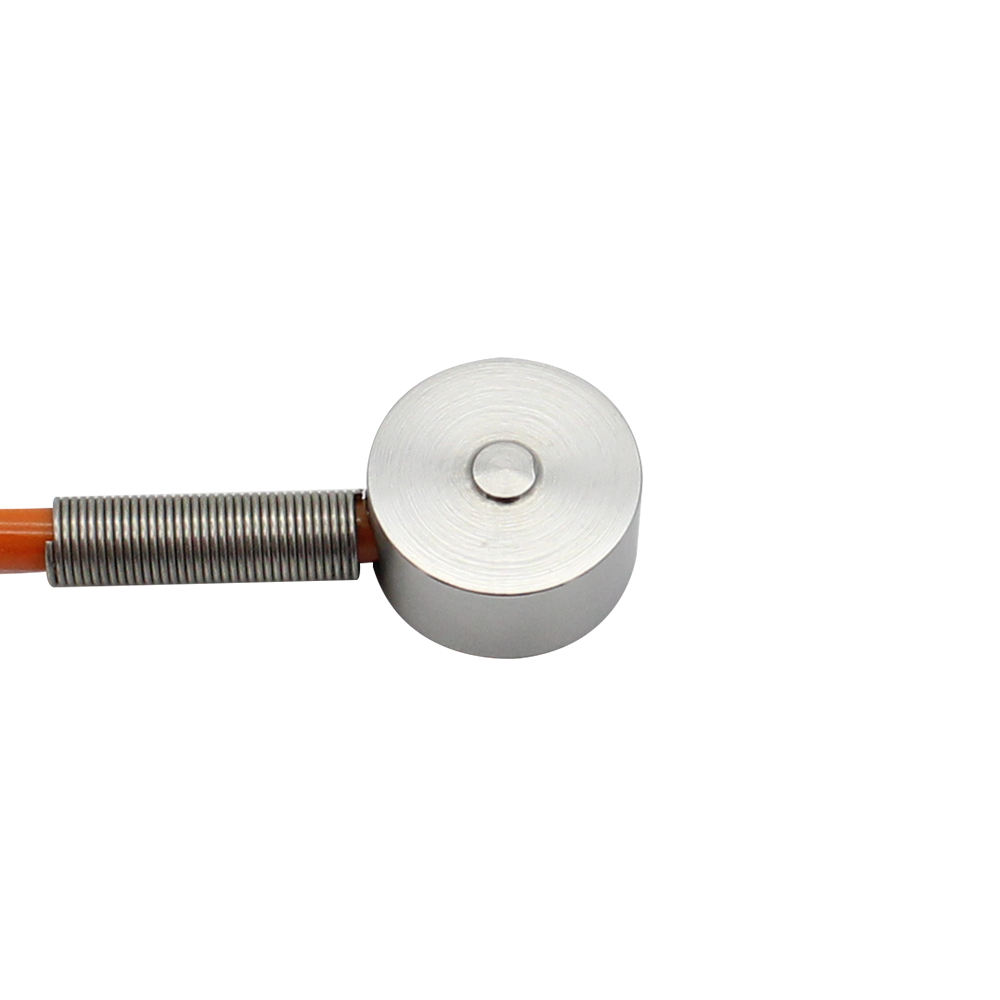
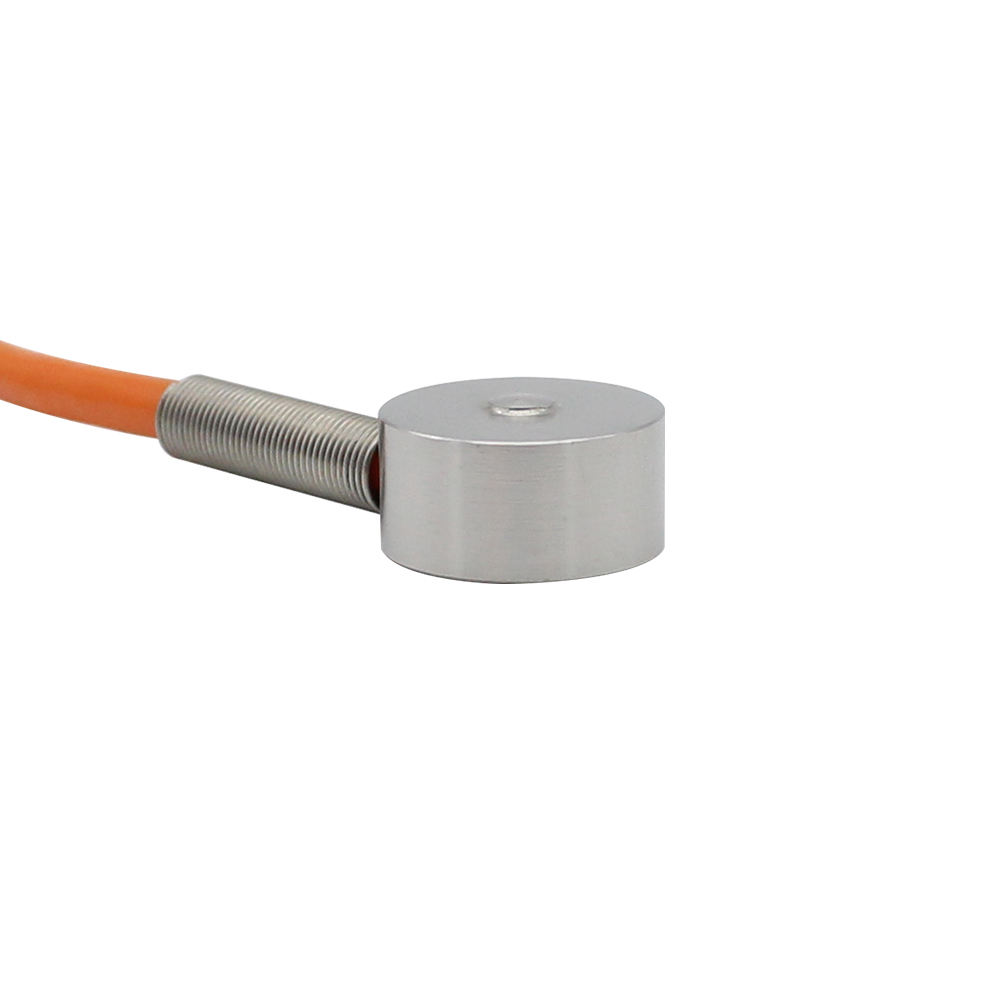
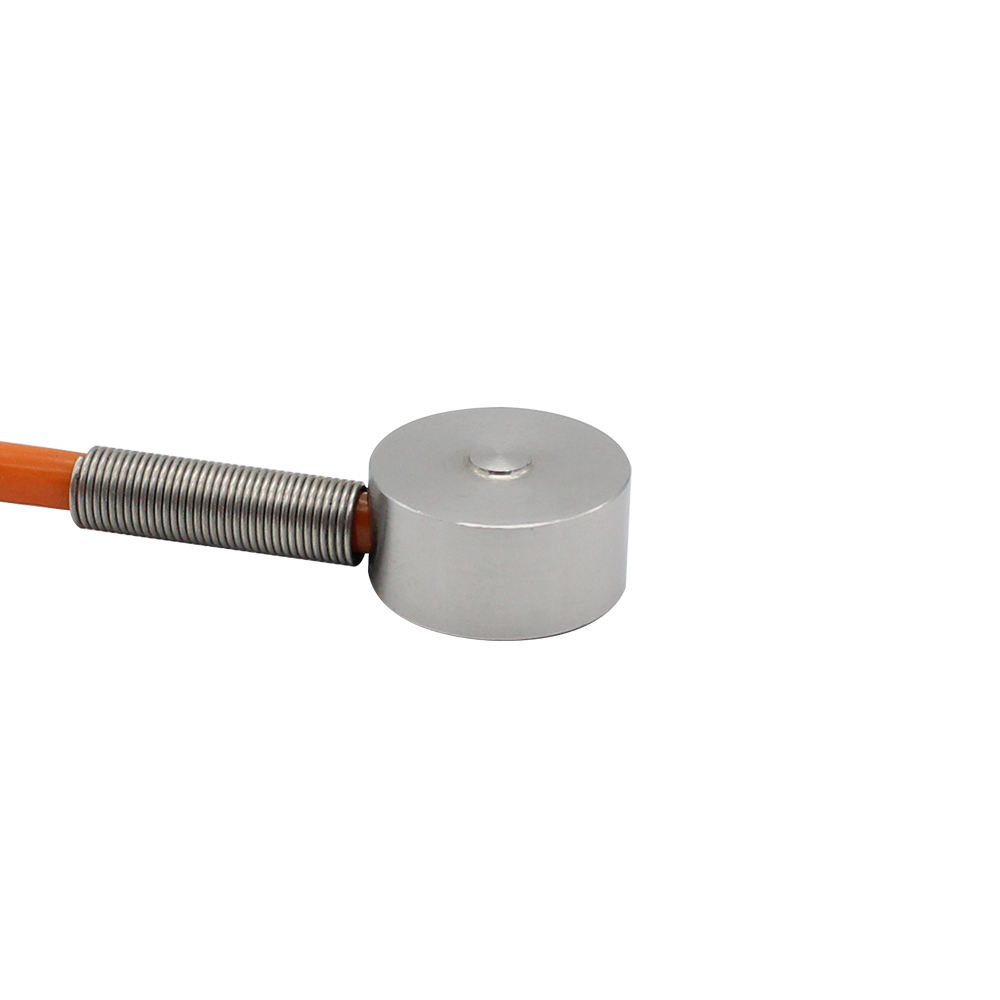
Load cells are critical  components in  various industrial applications, and choosing the right  one can significantly impact performance and accuracy. This  article focuses on the 10kg load cell,  an essential tool for weight measurement in lifting,  weighing,  automation, and new energy industries. B2B buyers often prioritize factors such  as precision,  durability, and compatibility when selecting load  cells. Here, we will delve into  key  considerations for  selecting a  10kg load cell,  evaluating its  quality and performance, troubleshooting common issues, exploring  its  applications in manufacturing,  and discussing the material advantages of these  devices. For instance, if you are interested in enhancing your weighing systems, you may find our Weighing Sensor Gauge particularly useful.

Evaluating Quality and Performance of 10kg Load Cells

Evaluating Quality and Performance of 10kg Load Cells

Quality  and performance  are paramount when it comes to load cells. Buyers  should look for  several  key specifications  to assess a 10kg load cell's reliability. These include:

Accuracy: Typically measured as a  percentage of the full-scale output, accuracy is critical for  applications  requiring precise weight measurements. A high-accuracy load cell ensures minimal deviation from the actual load.

Hysteresis and Linearity: These parameters measure how closely the load cell's  output  corresponds to the actual load throughout its range.  A good hysteresis value indicates  that the load cell provides consistent readings regardless of load direction.

Temperature Coefficient: Load cells can be sensitive to temperature variations.  Understanding the temperature coefficient helps predict how performance might change  in varying environmental conditions.

Calibration: Ensure the load cell is calibrated according to  industry standards. Regular calibration is essential for maintaining accuracy, especially in high-precision applications.

Buyers should also evaluate the manufacturer's  quality control  processes. Certifications such as CE and RoHS, as held by JIANGXI JINGCE SENSING TECHNOLOGY CO., LTD., indicate adherence  to high quality and  safety standards.

Common Problems with 10kg Load Cells and Their Solutions

Common Problems with 10kg Load Cells and Their Solutions

Despite their  reliability,  10kg load cells can encounter  several common issues. Understanding these problems can help buyers take proactive measures in  their operations:

Drift in Readings: Load cells may exhibit drift due to temperature fluctuations or mechanical wear. Regular  calibration and using temperature-compensated load cells can mitigate this issue.

Electrical Noise Interference: Noise from  nearby electronic devices can affect  signal integrity.  Implementing shielded cables and proper grounding techniques can help minimize interference.

Mechanical Overload: Exceeding the load cell's capacity can lead to  permanent damage. Buyers should ensure that the load  cell is  appropriately rated for their application and consider including safety margins in load  calculations.

Environmental Damage:  Exposure to moisture or corrosive substances can degrade load  cell performance over time.  Choosing a load cell with suitable environmental ratings and protective coatings is essential for longevity.

By  addressing these common issues, buyers can enhance  the performance and lifespan of their load  cells.

Exploring Application Scenarios for 10kg Load Cells in Manufacturing

Exploring Application Scenarios for 10kg Load Cells in Manufacturing

10kg load cells are versatile  components used  in various  manufacturing applications.  Some notable scenarios include:

Weighing Systems: In food processing and pharmaceutical industries, accurate weight measurements are vital for compliance and quality control. Load cells ensure precise ingredient dosing.

Material Testing: In  construction and materials engineering, load cells are used for testing the strength and durability of materials. They can measure the force  required to deform or break materials.

Automation Systems: In automated  production lines, load cells  facilitate real-time monitoring of product weight,  ensuring consistency  and reducing waste during  manufacturing processes.

Quality Assurance:  Load cells  are integral to  quality assurance systems, enabling manufacturers to monitor product weights  throughout  production, ensuring compliance with specifications.

Understanding  these applications allows buyers to see the potential of 10kg load cells in enhancing operational efficiency  and product  quality.

Material Advantages of 10kg Load Cells

The construction materials  of a 10kg load cell  can significantly influence its performance and durability. Common materials include:

Aluminum: Lightweight  and cost-effective,  aluminum load cells are suitable for applications where weight is a concern. However,  they may have lower stiffness compared to other materials.

Stainless Steel: Known for its corrosion resistance, stainless steel is  ideal for harsh environments, such as food processing or chemical handling. Its durability ensures longevity even in challenging conditions.

Alloy Steel: Often used in  high-capacity applications, alloy steel load cells provide excellent strength and rigidity.  They are suitable for larger scales where minimal deformation  is critical.

Selecting  the appropriate material depends on the specific application conditions. For instance, if your application involves exposure  to moisture or  corrosive substances, opting for stainless steel will enhance the load cell's  lifespan.

The selection of the right 10kg load cell involves careful  consideration of application needs, quality evaluation, troubleshooting  potential issues,  and understanding the material advantages.  By partnering with experienced manufacturers like  JIANGXI JINGCE SENSING TECHNOLOGY CO., LTD., buyers  can ensure they are  making informed decisions that lead to enhanced operational efficiency and product reliability.

Choosing the Right 10kg Load Cell for Your Industrial Applications

When selecting a  10kg load cell, it's crucial to consider the specific requirements of your application.  Factors such  as the  expected load range, environmental conditions, and required accuracy will influence  your choice.  For instance, if your application involves harsh environments, look for load cells with appropriate sealing to prevent moisture or dust ingress.

Additionally, consider the type of load cell—whether it’s a tension, compression, or shear beam load cell—based  on how the load will be applied. Each type has unique characteristics that  suit different applications. For example, compression load  cells are  ideal for weighing  applications where loads are applied  vertically, while tension load cells are better suited  for hanging applications.

It’s also essential to verify the compatibility of the load cell with existing systems. Ensure that it  meets  the electrical  and mechanical specifications of your equipment.  Collaborating  with a supplier like JIANGXI JINGCE SENSING TECHNOLOGY CO., LTD., which specializes in OEM/ODM solutions, can help you find a load cell that aligns with your operational needs. Their Cost-effective Load Cell Amplifier is one such solution that could meet your needs.

Frequently Asked Questions

What is the capacity and accuracy of the 10kg load cell?

The 10kg load cell has a nominal capacity of 10 kilograms with high-precision performance. Accuracy class depends on model selection; typical options include high-resolution variants suitable for industrial weighing and force measurement.
Our 10kg load cell carries CE and RoHS certifications, ensuring compliance with European safety and environmental standards for industrial and commercial applications.
Yes. We offer OEM/ODM customization including mounting options, cable length, calibration, connectors, and firmware integration to meet lifting, weighing, automation, and new energy requirements.
The 10kg load cell supports a wide operating temperature range and sealed construction for dust and moisture resistance. Exact IP rating and temperature specs are available per model upon request.
Load cells are factory-calibrated and supplied with calibration certificates. We also provide custom on-site or remote calibration and after-sales technical support to ensure long-term accuracy.

Get a Free Quote

Our representative will contact you soon.
0/1000

Related product categories