Digital Load Cell Amplifier

application/digital-load-cell-amplifier, application/digital-load-cell-amplifier, 
Inquiry
Inquiry

Digital load cell amplifier

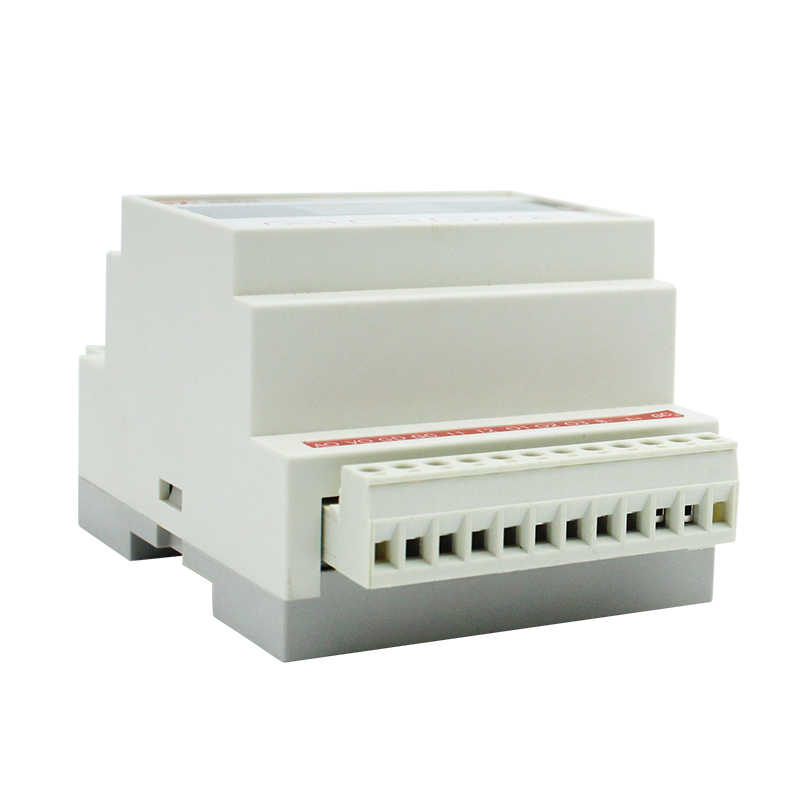
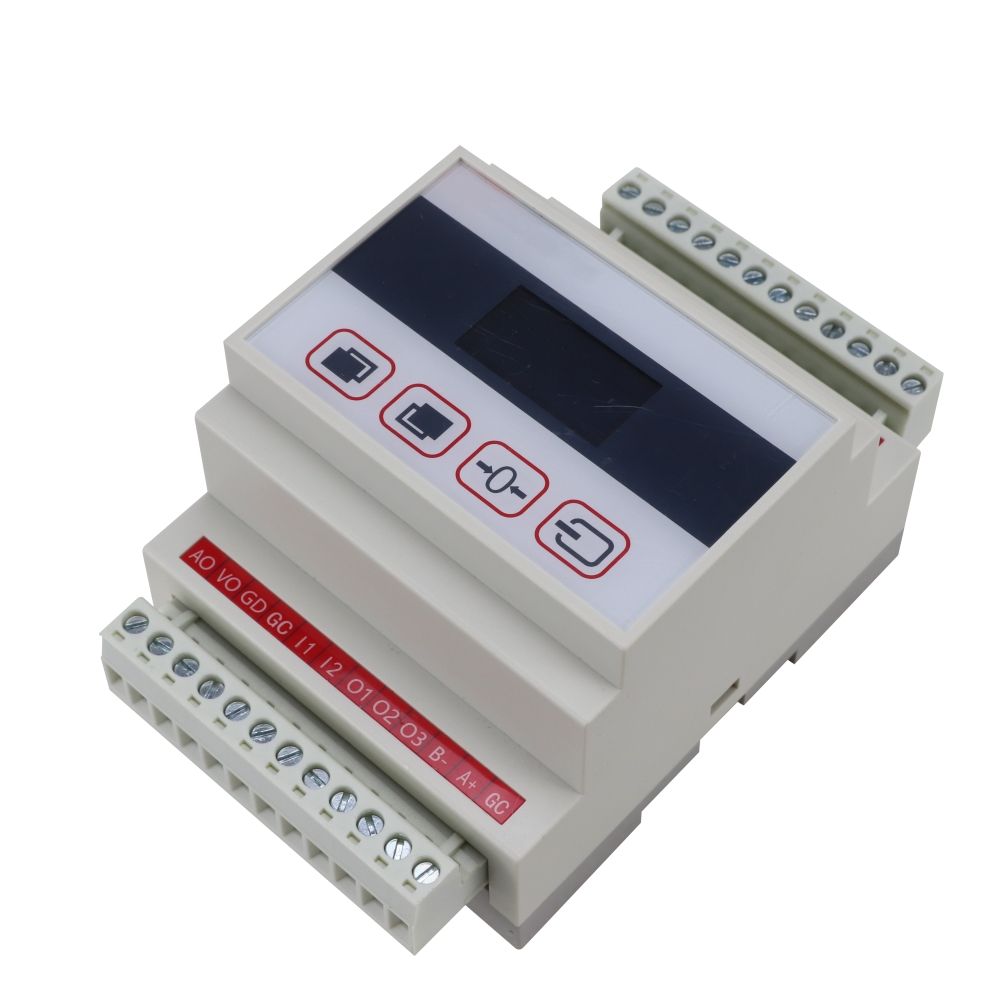
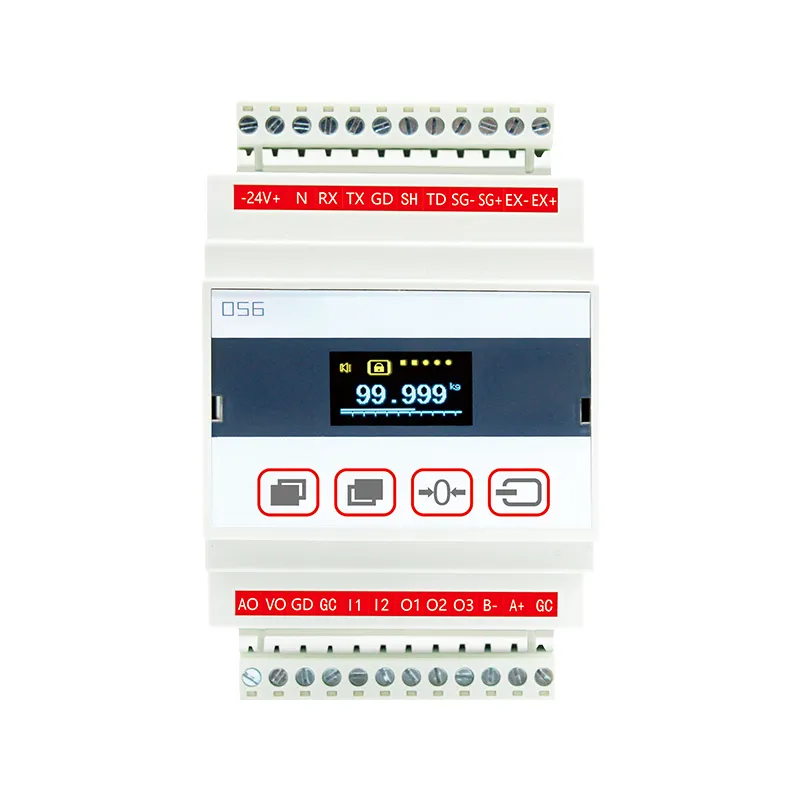
A digital load cell amplifier is a critical component used in various industrial applications, transforming the analog signals from load cells into digital data that can be easily processed and analyzed. For purchasing managers and engineers, understanding the specifications and functionalities of these amplifiers is essential for ensuring accuracy and reliability in weighing, lifting, and automation systems. This article will provide insights into the specifications, cost factors, common issues, and considerations when selecting a digital load cell amplifier, helping you make informed purchasing decisions.


A Step-by-Step

A Step-by-Step

Cost is a significant factor in selecting a digital load cell amplifier, and several elements contribute to the overall price. Understanding these factors can aid in budget preparation and project planning. Material and Build Quality: Higher-quality materials typically lead to better performance and durability. Amplifiers designed for harsh environments or with advanced features may come at a premium. Customization Options: Many manufacturers, including JIANGXI JINGCE SENSING TECHNOLOGY CO., LTD., offer OEM/ODM solutions that can be tailored to specific project requirements. Customization may affect pricing; thus, it’s wise to weigh the benefits against costs. Production Volume: Bulk purchasing can often lower unit costs due to economies of scale. If your project involves multiple amplifiers, discussing volume discounts with suppliers can be beneficial. Supplier Reputation: Established manufacturers with a history of reliability may command higher prices. However, investing in reputable suppliers can reduce the risk of performance issues and ensure better customer support. Lead Time and Shipping Costs: Consideration of lead times and associated shipping costs is crucial, especially for projects with tight schedules. Amplifiers with shorter lead times or those sourced locally can help mitigate unexpected delays. Understanding these cost factors will enable you to forecast project expenses more accurately and choose a solution that fits your budget constraints while meeting performance requirements.

Comparing Cost Factors of Digital Load Cell Amplifiers for Projects

Comparing Cost Factors of Digital Load Cell Amplifiers for Projects

While transmitter are generally reliable, various issues can arise during their operation. Being aware of these common problems and their solutions can save time and resources. Signal Interference: One frequent issue is signal interference, which can lead to inaccurate readings. This can often be mitigated by ensuring proper grounding and using shielded cables. Additionally, maintaining appropriate distances from electrical equipment that may cause interference is essential. Calibration Drift: Over time, amplifiers can experience calibration drift, which affects accuracy. Regular calibration checks are essential, and implementing a routine maintenance schedule can help identify drifts before they impact operations. Temperature Sensitivity: Load cell amplifiers can be sensitive to temperature fluctuations. Selecting an amplifier rated for your specific environmental conditions, including temperature extremes, is critical. If temperature stability is a concern, consider models with built-in temperature compensation features. Power Supply Issues: Inconsistent power supply can lead to erratic performance. Ensure that your amplifier has a reliable power source and consider using voltage regulators if supply variability is a concern. By recognizing these potential problems and addressing them proactively, you can enhance the reliability and longevity of your digital load cell amplifiers.

Common Problems with Digital Load Cell Amplifiers and Their Solutions

Common Problems with Digital Load Cell Amplifiers and Their Solutions

When selecting a encoder, several considerations are paramount to ensure that the chosen product meets your operational requirements effectively. Application Requirements: Assess the specific application for which the amplifier will be used, including load capacities, environmental conditions, and required precision levels. This will guide you in selecting an amplifier with the appropriate specifications. Compatibility with Existing Systems: Ensure that the amplifier is compatible with your existing load cells and data processing systems. This includes verifying the output type and communication protocols. Manufacturer Support and Warranty: Evaluate the level of technical support offered by the manufacturer and the warranty conditions. Reliable support can be invaluable in troubleshooting issues that may arise after installation. Quality Assurance Processes: Inquire about the manufacturer’s quality control processes. Certifications such as CE and RoHS can indicate adherence to industry standards and quality assurance. Lead Time and Availability: Consider the lead time for delivery and the availability of the product. Ensure that the amplifier can be sourced in a timely manner to meet your project deadlines. By carefully considering these factors, you can make an informed choice that aligns with your operational needs and ensures the successful implementation of your weighing or automation systems.

Understanding Digital Load Cell Amplifier Specifications for Buyers

When evaluating digital load cell amplifiers, several key specifications should be considered. The most important include the amplification range, input impedance, output type, and power supply requirements. Amplification Range: This refers to the amplification range of input impedance signals that the amplifier can effectively process. A wider amplification range allows for greater flexibility in application. For instance, if you're working with high-precision weighing applications, an amplifier with a broad amplification range is crucial for accurate data capture. Input Impedance: High input impedance is preferable, as it minimizes signal loading and preserves the integrity of the signal from the load cell. This is particularly important in applications where signal degradation could lead to inaccurate readings. Output Type: Load cell indicator may offer various output type formats, including analog (e. g., 0-10V, 4-20mA) and digital (e. g., RS-232, RS-485). The choice of output type should align with your system's compatibility, ensuring seamless integration and communication with other systems. Power Supply Requirements: Understanding the power supply specifications is vital for ensuring operational effectiveness. Some amplifiers may require specific voltage levels, which should be compatible with your existing infrastructure. These specifications are essential for ensuring that the amplifier will perform reliably in your specific application. Buyers should always verify these parameters against their operational needs to avoid compatibility issues.

Get a Free Quote

Our representative will contact you soon.
0/1000