Mechanical Hanging Scale: Quality and Applications

application/mechanical-hanging-scale, application/mechanical-hanging-scale, 
Inquiry
Inquiry

mechanical hanging scale

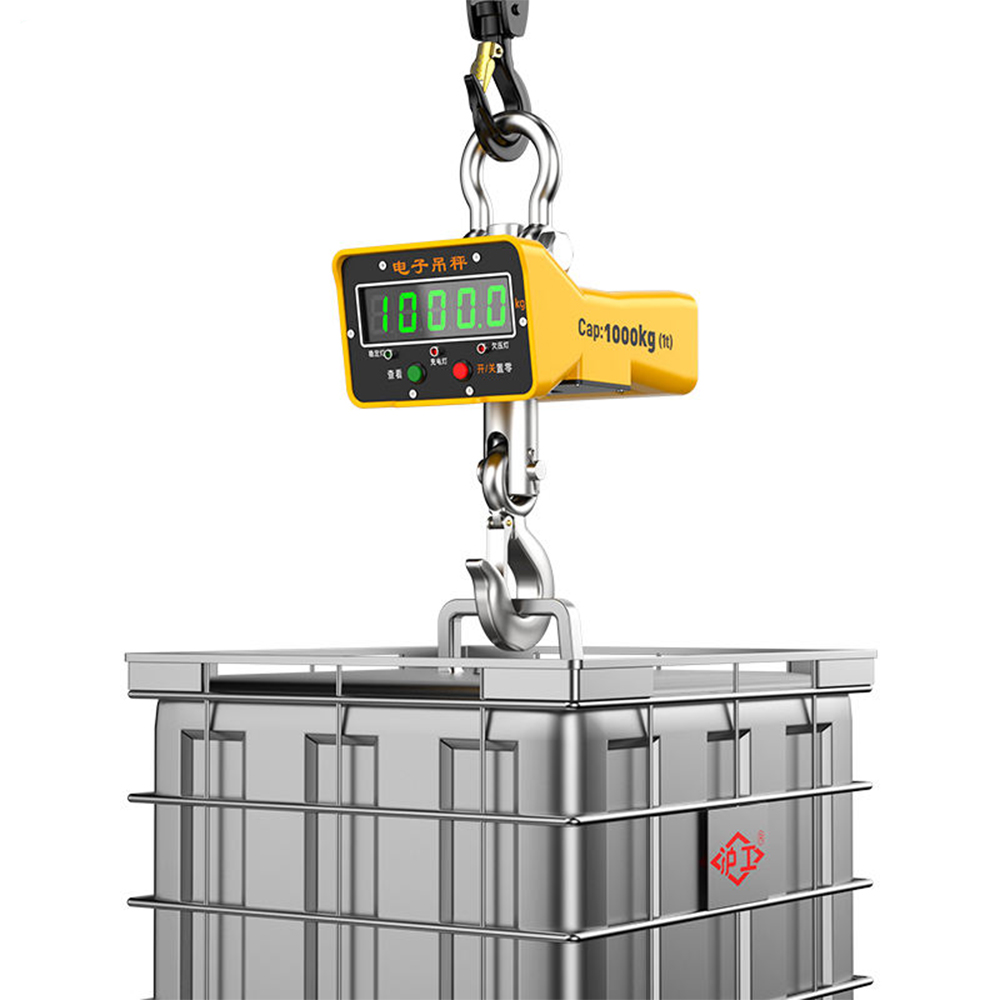
Mechanical hanging scales  are essential  tools  used  in  various industries  for weighing  heavy  objects. They function by  utilizing a hook and a  calibrated spring that measures the weight based on the gravitational pull on the load. For B2B buyers such as purchasing managers, engineers, and product  managers,  understanding  the quality, specifications, and applications of  mechanical hanging scales is crucial for making informed  purchasing  decisions.  This article will help you navigate the  key considerations when evaluating  these scales, ensuring you select the right product  for your specific needs.

Key Specifications to Consider When Selecting a Mechanical Scale

Key Specifications to Consider When Selecting a Mechanical Scale

When selecting a mechanical hanging scale,  several specifications should be carefully evaluated:

Capacity and Range: Determine the required weight capacity based on your application. Common ranges vary widely, from small scales for lighter loads (up to  100 kg) to industrial scales capable of  handling several tons.

Scale Size and Dimensions: The  physical  dimensions of  the scale, including height, width, and hook size, can affect  usability. Ensure the scale  fits within your operational space and is compatible with  your lifting systems.

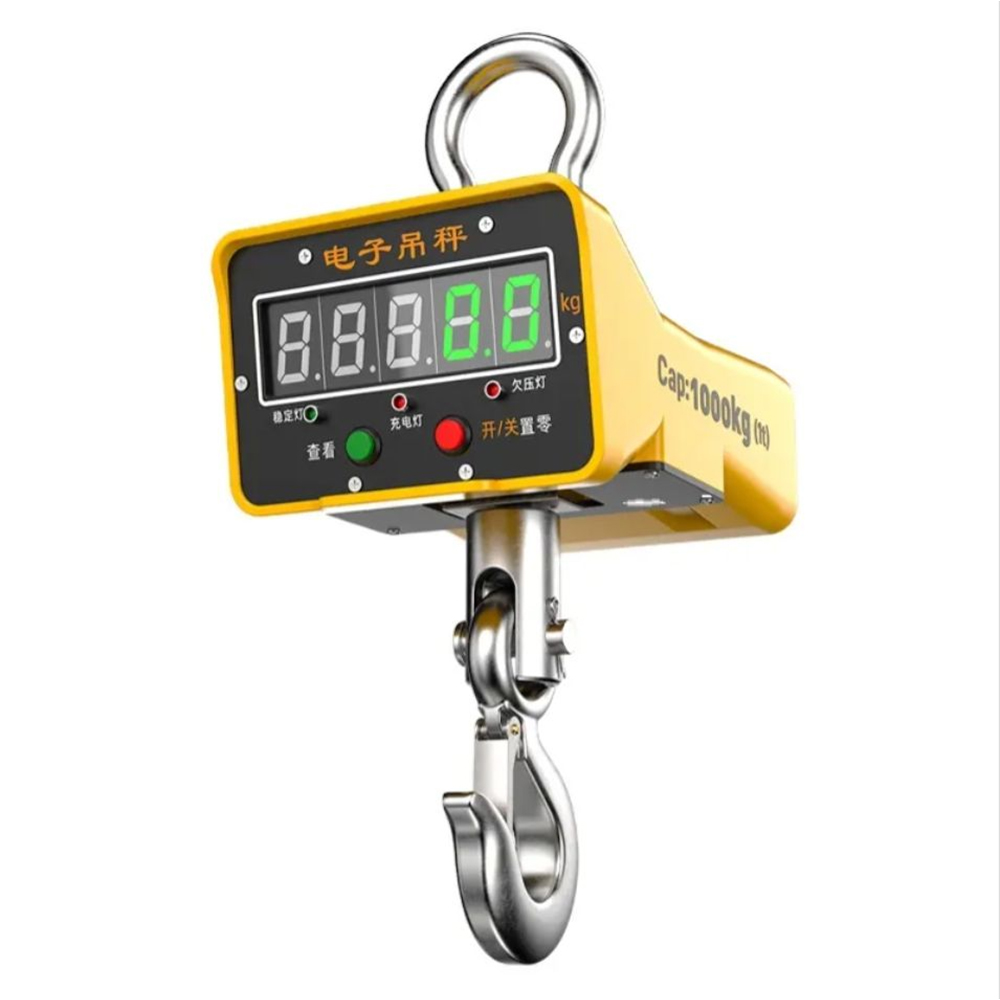
Display Type: Mechanical  hanging scales may include analog  dials or digital displays. Consider which type aligns best with your operational  needs, keeping in mind that analog scales may be more robust in rugged environments.

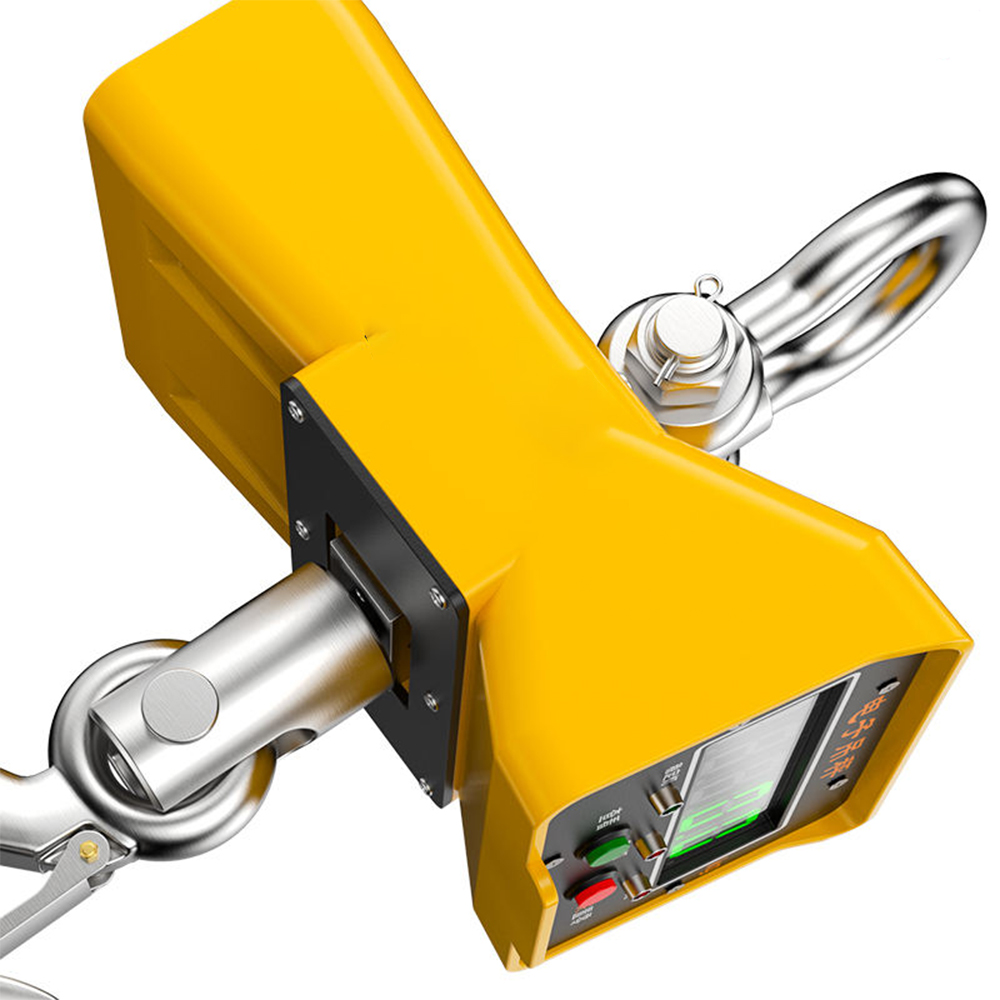
Hook  Design: The design and material of the hook  are critical for safety and functionality. Ensure the hook is robust enough to handle the expected load and is designed to prevent slippage.

Applications of Mechanical Hanging Scales in Various Industries

Applications of Mechanical Hanging Scales in Various Industries

Mechanical  hanging scales  find applications across diverse sectors:

Manufacturing and Warehousing: Used for weighing raw  materials and finished products, these scales assist in inventory management  and ensure compliance with shipping weight  regulations.

Agriculture: Farmers use mechanical hanging scales to weigh  produce, livestock, and  fertilizers, facilitating accurate tracking of stock levels and market readiness.

Logistics and Shipping:  In shipping operations,  these scales help  ensure that  shipments do  not exceed weight limits,  reducing the risk of penalties and optimizing  transport logistics.

Construction  and Heavy Industry: Mechanical hanging scales are used  to  weigh large equipment and components, assisting in  load management and ensuring  safety  compliance.  For construction, high-quality options like the High Quality Industrial Load Cell Weight Sensor are essential.

Solutions to Frequent Problems with Mechanical Hanging Scales

Solutions to Frequent Problems with Mechanical Hanging Scales

While mechanical hanging  scales are robust, users may encounter challenges. Here  are solutions to common issues:

Calibration Drift: Regularly check and calibrate your scales to maintain accuracy. If you notice inconsistencies in readings,  recalibration  might be necessary,  and it’s  advisable to follow the manufacturer’s calibration guidelines.

Mechanical  Wear and Tear: Over time, components may wear out due to repeated use. Regular inspections can help identify wear early,  allowing for timely repairs or replacements of parts like the spring mechanism.

Environmental  Damage:  Exposure to harsh conditions can affect scale  performance. If used outdoors, consider investing  in scales with protective casings or regular maintenance checks to prolong the lifespan of your equipment.

User Error: Ensure that operators  are trained in the proper use  of  mechanical hanging  scales. Incorrect handling can lead  to  inaccurate readings or  damage to the scales.

What Buyers Should Know

Before  purchasing a mechanical hanging scale, buyers should be prepared with  specific information  to facilitate a smooth transaction:

Required Specifications: Clearly define the weight capacity, dimensions, and  material preferences  based on your application needs. This will help suppliers provide accurate recommendations.

Quantity and Lead Time:  Determine how many scales you need and any  specific lead time requirements. This is critical  for production planning, especially if you  require multiple units or customized features.

Customization Options: Inquire about customization capabilities,  such as specific load limits, special  coatings, or unique designs that may be necessary for your operational context.

Packaging and Shipping: Discuss how the scales will be packaged to  ensure they  arrive safely. Proper packaging is essential to prevent damage during  transit.

Sample Approval: Before  committing to mass production, request a sample to test under your operational conditions. This  step can help confirm  the scale’s suitability and performance.

By considering these factors and engaging with a reputable manufacturer like JIANGXI JINGCE SENSING TECHNOLOGY CO., LTD., you can make  informed  decisions that enhance your operational efficiency and  safety in various applications.

How to Evaluate the Quality of Mechanical Hanging Scales

When assessing the quality of mechanical hanging scales, consider several factors:

Material Construction: High-quality scales are typically made from durable materials  such as stainless steel or aluminum, which ensure resistance  to corrosion and wear. Check for powder-coated finishes that  can enhance  longevity in  harsh environments.

Accuracy and Calibration: Look for  scales that offer  high precision, often specified in terms of  the scale's minimum division  (e.g., 0.1 kg). Verify  that the manufacturer provides calibration certificates to ensure the scales meet industry standards.

Weight Capacity: Evaluate the  maximum load  the hanging  scale can handle. A  scale designed for heavy-duty applications should have a  higher weight limit, allowing for versatility in usage across different tasks.

Certification:  Check for relevant certifications such  as CE and  RoHS, which indicate compliance with safety and environmental standards.  These certifications provide assurance of quality and reliability, particularly for  international shipping.

Environmental Resistance: If  the scale will be used in outdoor  or harsh environments, look  for features such as  waterproof or dustproof ratings. This ensures the scale remains functional and accurate over time. For example, consider the Weighing Sensor Gauge for Weighing Systems which is designed to withstand tough conditions.

Frequently Asked Questions

What is a mechanical hanging scale used for?

A mechanical hanging scale measures weight or force by suspending loads. It’s ideal for lifting, weighing, field use, and applications without power, offering simple, reliable readings for industrial and commercial tasks.
Our mechanical hanging scales pair with high-precision load cells and are offered in various capacities and accuracy classes to suit lifting, weighing, and automation needs. Contact us for specific range and tolerance options.
Yes. Our products are developed within a certified quality system and meet CE and RoHS requirements, ensuring compliance for many industrial and global applications.
Yes. We offer OEM and ODM customization including capacity, scale markings, mounting fittings, and integration with force sensors or wireless dynamometers to meet project specifications.
Regular visual checks, cleaning, and avoiding overloads extend service life. Periodic calibration against known weights or using certified calibration services ensures ongoing accuracy; we can advise on calibration intervals and procedures.

Get a Free Quote

Our representative will contact you soon.
0/1000