Load Cell Indicator Price: Key Considerations

application/load-cell-indicator-price, application/load-cell-indicator-price, 
Inquiry
Inquiry

load cell indicator price

Load cell indicators are  crucial components in various industrial and commercial applications that  require precise weight measurement and  force sensing. This article  will  focus  on the load cell indicator price  and provide insights into  how to  make informed  purchasing decisions. Buyers  often have concerns  about product  specifications,  compatibility, and quality assurance. By discussing key  considerations  and best  practices, this article aims  to equip purchasing  managers, engineers, and  product managers with the knowledge needed to select the right load cell indicator for their specific needs.

How to Choose the Right Load Cell Indicator for Your Needs

How to Choose the Right Load Cell Indicator for Your Needs

Selecting the right load cell indicator involves several considerations that can impact both functionality and pricing. First, buyers should  assess  the specific application  requirements,  such as the expected load range and precision needed. For example, applications in the food industry may require  indicators with specific hygiene standards, while industrial applications  may prioritize ruggedness and durability.

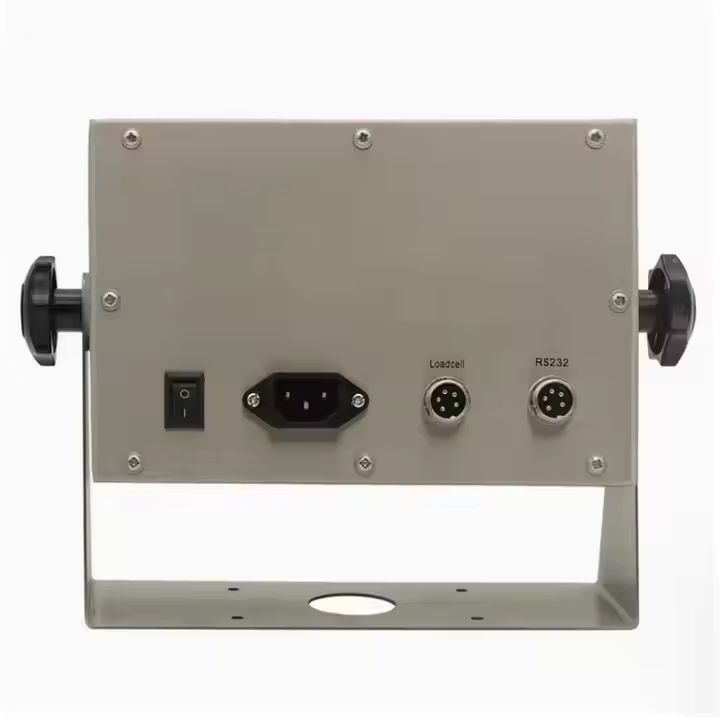
Next, consider the connectivity options available. Load cell indicators can  come with various communication interfaces, including  analog, digital,  and wireless  options. Determining whether the indicator needs to  integrate with existing systems or machinery can influence the choice and, subsequently, the price.

Additionally, evaluate the display type and  features. Some  indicators offer  advanced functionalities  such as data logging, batch counting, or real-time  force measurement, which can justify a higher price point. Buyers should  prioritize features  that align with  their  operational goals.

Key Considerations for Load Cell Indicators

Key Considerations for Load Cell Indicators

When evaluating load cell indicators, there are several key specifications that buyers should consider:

Accuracy: This is typically expressed as  a percentage of  the full-scale output. Higher accuracy  indicators  may be necessary for applications requiring precise measurements, which can affect the price.

Capacity: The maximum weight or force that the indicator can measure  is crucial. Ensure that the selected  indicator can accommodate the  expected load without compromising its performance.

Environmental Conditions: Consider  the operating  environment where the load cell indicator  will be used. Indicators exposed to dust, moisture, or  extreme temperatures may require  protective  features, influencing their price.

Power Supply:  Some  indicators  are battery-operated, while others  require direct  power. Evaluate the power supply options to ensure compatibility with your existing infrastructure.

Calibration: Understanding the calibration process is essential for maintaining  accuracy. Some indicators offer  self-calibration features, which can save time and improve reliability.

Essential Specifications

Essential Specifications

To make an informed purchasing decision, it is essential to  focus on the following specifications:

Display Type:  LED displays are common for their clarity, but OLED  or LCD options may  provide additional features  such as backlighting for visibility in low-light conditions.

Input Compatibility: Ensure that the load cell indicator is compatible with the load cells being used.  This  includes matching  the input impedance  and signal type (analog,  digital).

Material and Construction: Indicators made from durable materials such as stainless steel or high-grade plastics can withstand harsh conditions and provide a longer service life.

Certification and Standards:  Look for compliance with relevant industry  standards and  certifications, which can provide assurance of quality and  performance.

Customization Options: Some manufacturers  offer OEM/ODM solutions, allowing  for tailored  indicators that meet specific application needs, potentially impacting the overall price. For instance, you might want to explore our Heavy Duty Wireless Tension Load Cell to meet unique specifications.

Best Practices

When purchasing load cell indicators, following best practices can enhance  the overall experience and ensure satisfaction:

Request Samples: Before  committing to a larger order, request samples  to evaluate  compatibility and performance in real-world conditions. This step can help  identify potential  issues before mass production.

Define Requirements Clearly: Provide clear specifications when requesting quotes from suppliers. Include details such as capacity, accuracy, environmental conditions, and any required features.

Compare Suppliers: Evaluate different suppliers not only on price but also on  product quality, support services,  and  lead times. A lower price may not always represent the best value if the product quality is compromised.

Quality Inspection: Implement a quality  inspection process upon  receiving the indicators. Check for any defects  or discrepancies in specifications to address issues promptly.

Training and Support: Ensure that your team  is trained on how to use the  indicators effectively. Some suppliers offer user manuals or training sessions, which can be beneficial for optimizing performance.

By considering these factors and best  practices,  buyers can navigate the  complexities of load  cell indicator pricing and make informed decisions that align with their operational needs.

A Comprehensive Overview

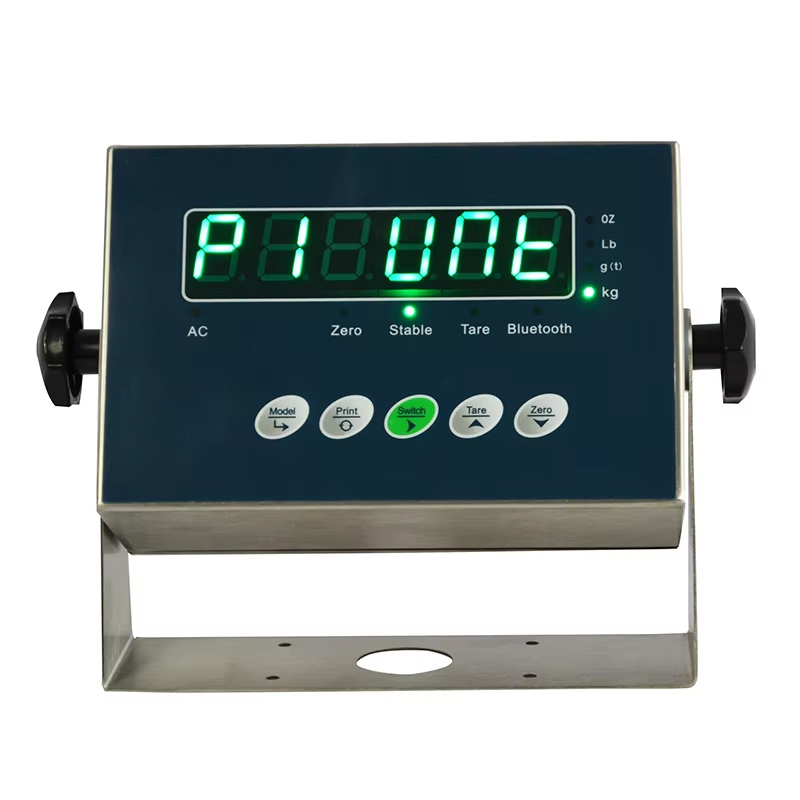
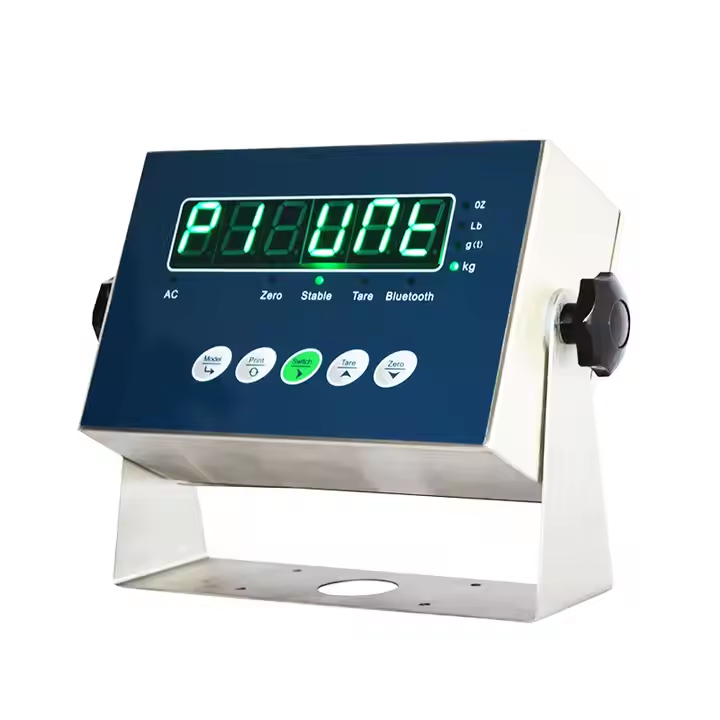
Load cell indicators are devices  that display the  output from load cells, which  are sensors that measure weight or force. These indicators convert the electrical signals from load cells into readable data, typically in units such as kilograms  or pounds. The price  of load cell indicators can vary significantly depending on factors  such as features, accuracy, and the specific  application requirements. For example, indicators designed  for harsh environments  may  be more expensive  due  to enhanced durability and specialized materials. To ensure optimal performance, consider using a Customizable PMC Sensors Load Cell Transmitter for tailored solutions.

At JIANGXI JINGCE SENSING TECHNOLOGY CO., LTD., we offer a range of  load cell indicators  that  are CE and RoHS certified,  ensuring compliance with international safety and environmental standards. Our products cater to various industries, including lifting, weighing,  automation,  and  new energy, allowing for customized solutions  tailored to your unique operational needs.

Frequently Asked Questions

What is a load cell indicator and its purpose?

A load cell indicator displays and processes signals from load cells or force sensors, providing calibrated weight or force readings for lifting, weighing, automation, and testing applications.
Our load cell indicators are produced under CE and RoHS compliant processes and can be supplied with documentation to meet international regulatory requirements.
Yes. We offer OEM/ODM customization of hardware, firmware, calibration, mounting, and communication interfaces to match specific application needs.
Typical options include analog outputs, RS232/RS485, USB, and wireless modules; interfaces can be tailored per project during OEM/ODM configuration.
Indicators are factory-calibrated with high-precision load cells and can be recalibrated on-site or in our facility; traceable calibration procedures ensure reliable accuracy.

Get a Free Quote

Our representative will contact you soon.
0/1000