Key Specifications to Consider When Buying Heavy Duty Hanging Scales
When purchasing heavy duty hanging scales, several specifications must be considered:
Weight Capacity: Determine the maximum weight the scale can handle. This varies widely among models, so choose one that exceeds your maximum expected load to ensure safety.
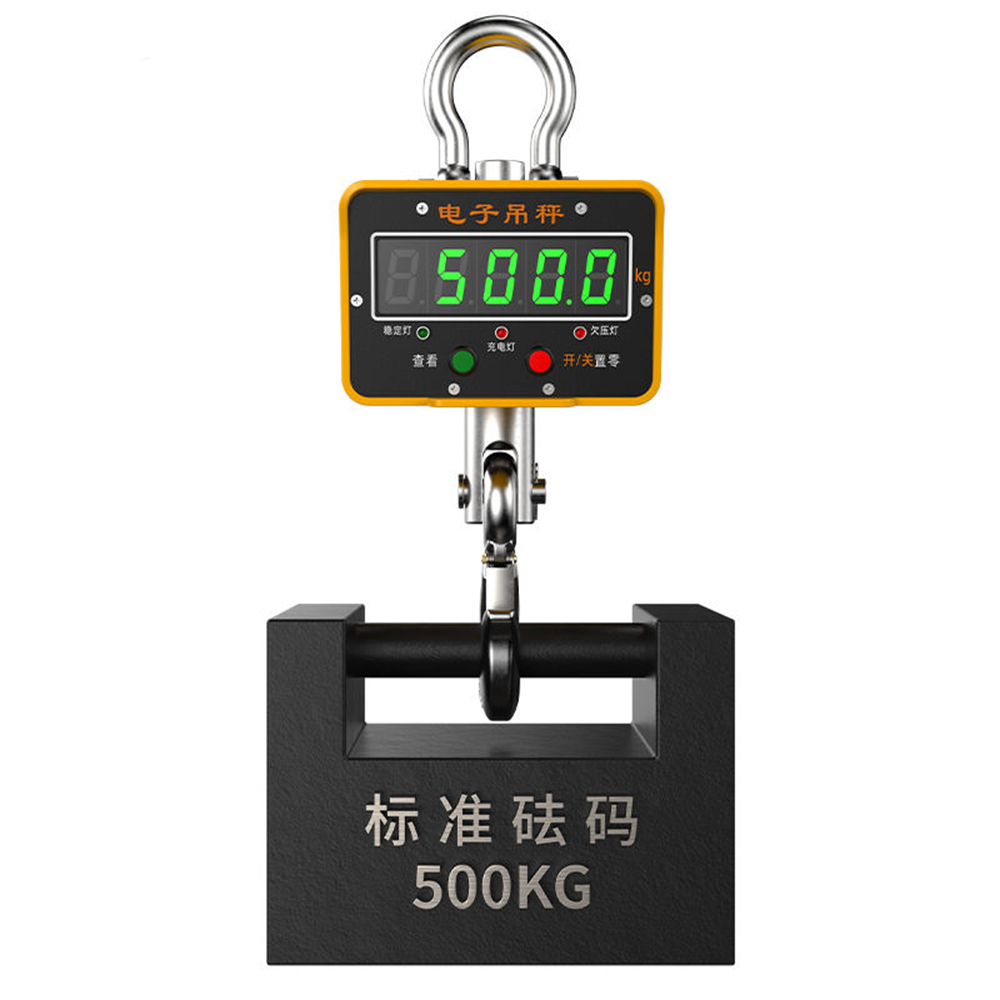
Accuracy: Look for scales with a high level of accuracy, typically expressed as a percentage of the displayed weight. For critical applications, a scale with an accuracy of ±0.1% or better is advisable.
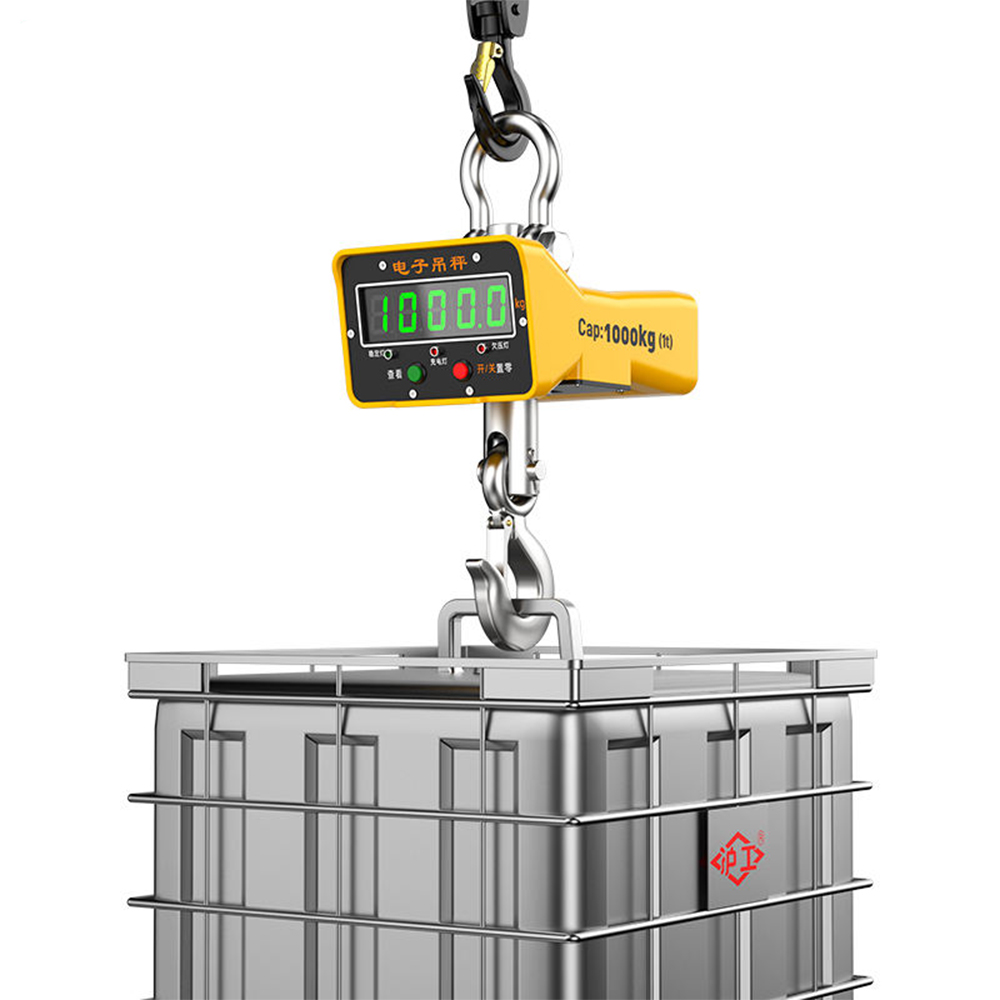
Material and Durability: The construction material impacts the scale's performance and longevity. Scales made from stainless steel or other corrosion-resistant materials are ideal for harsh environments. For example, a reliable hanging scale should be constructed to withstand adverse conditions.
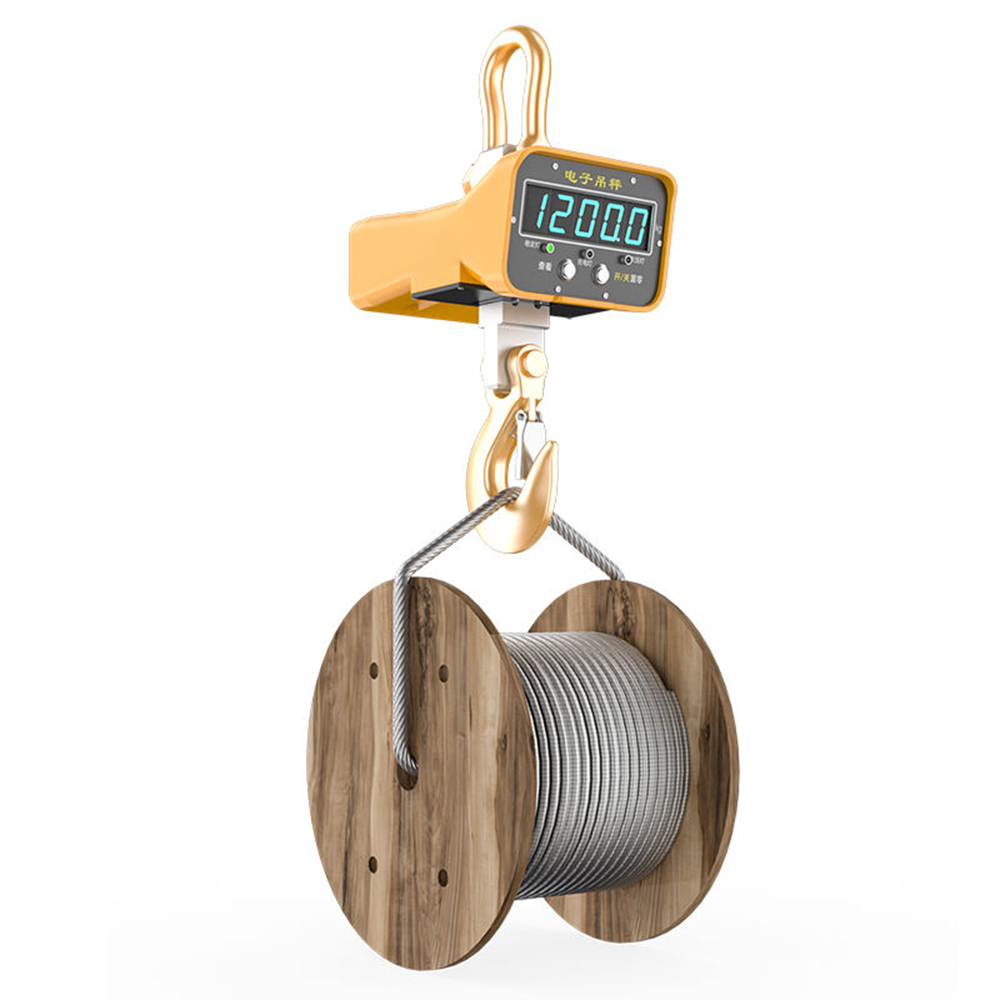
Display Features: Digital displays are easier to read and often come with additional features like backlighting and data logging. Ensure the readability is suitable for your working conditions.
Calibration: Check if the scale comes calibrated or if you need to perform calibration regularly. Some scales allow for easy field calibration.
Power Source: Consider whether the scale operates on batteries or needs a continuous power supply. Battery-operated models offer portability, while wired models ensure constant power.
Connectivity: For modern applications, scales with wireless connectivity options can facilitate data transfer to computers or mobile devices, enhancing operational efficiency.
Understanding these specifications will help you make informed decisions and choose a scale that fits your operational needs.
 EN
EN