Choosing the Right Floor Scale for Your Needs

application/floor-scale, application/floor-scale, 
Inquiry
Inquiry

Floor scale

Choosing the right floor scale for your industrial needs is essential for ensuring accurate measurements in various applications.  Floor scales are critical tools in industries such as manufacturing, logistics, and warehousing, where precise weight measurements impact operational efficiency and compliance.  This article will guide you in selecting the appropriate floor scale by addressing key buyer concerns, including specifications, sourcing, costs, and common issues from PST.

Benefits of Buying Floor Scales in Bulk

Benefits of Buying Floor Scales in Bulk

Purchasing floor scales in bulk can offer significant advantages for businesses looking to standardize their weighing processes across multiple sites or production lines. Bulk buying often leads to cost savings. Manufacturers like PST may provide discounts for larger orders, lowering the overall cost per unit.   

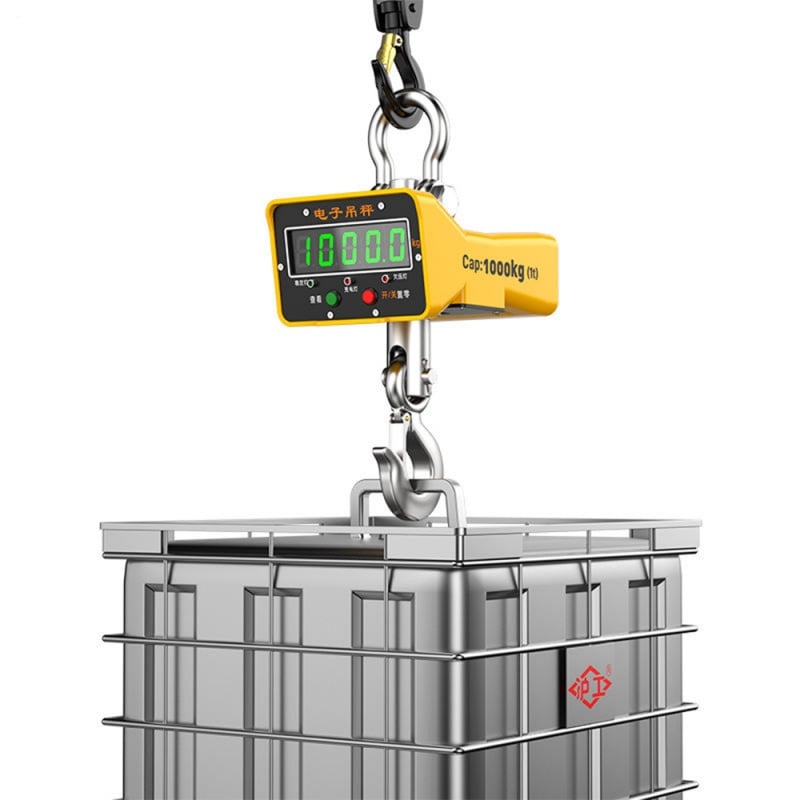
Another benefit is consistency. By acquiring multiple units at once, you ensure that all digital hanging weighing scale are of the same model and specifications, which can simplify training for employees and reduce variability in measurements. This uniformity is beneficial when monitoring compliance with industry standards or regulations.  

Additionally, bulk purchases can streamline logistics.  By ordering several units simultaneously, you may reduce shipping costs and improve delivery efficiency.  This approach can also facilitate better inventory management, as you will have sufficient units available for your operations without frequent reordering. 

How to Source Quality Floor Scales?

How to Source Quality Floor Scales?

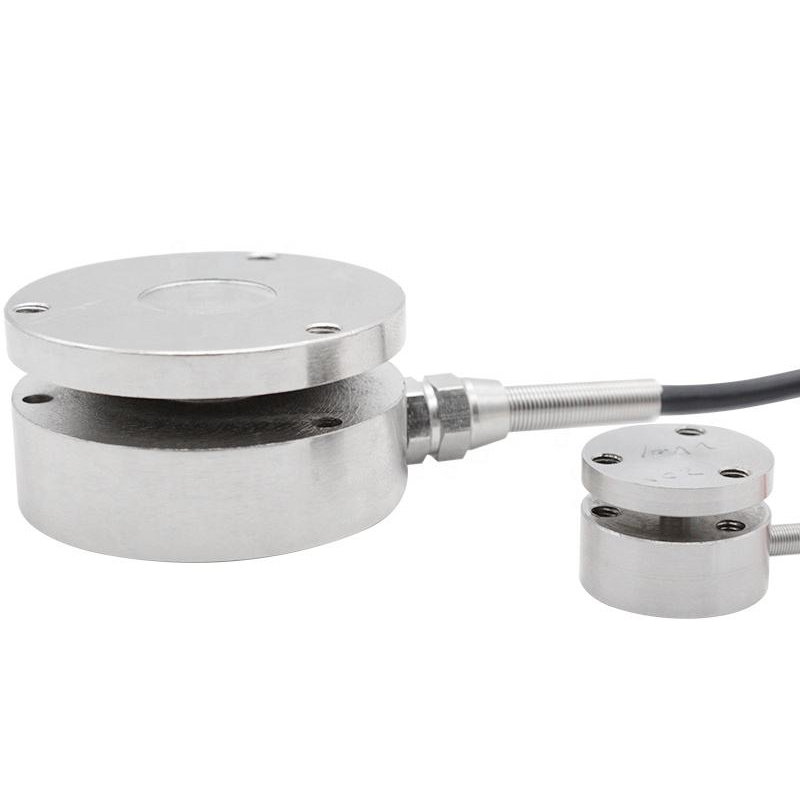
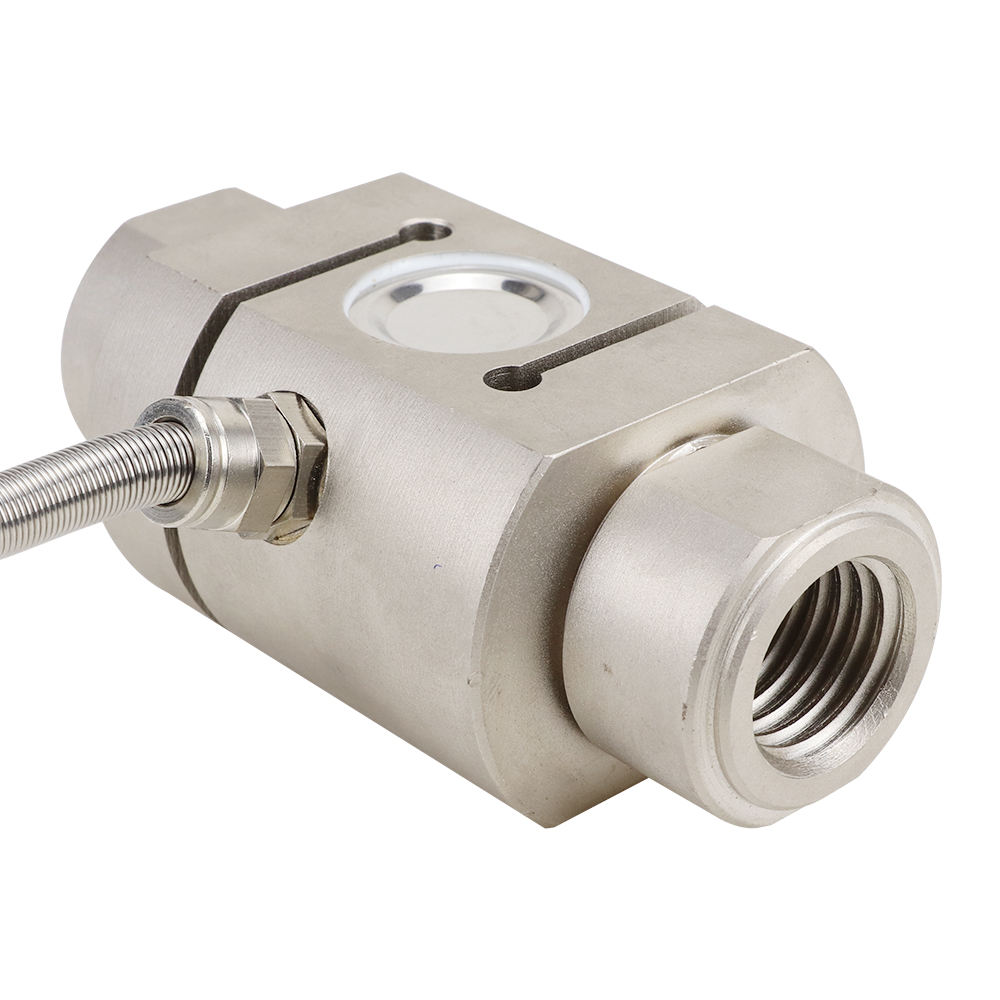
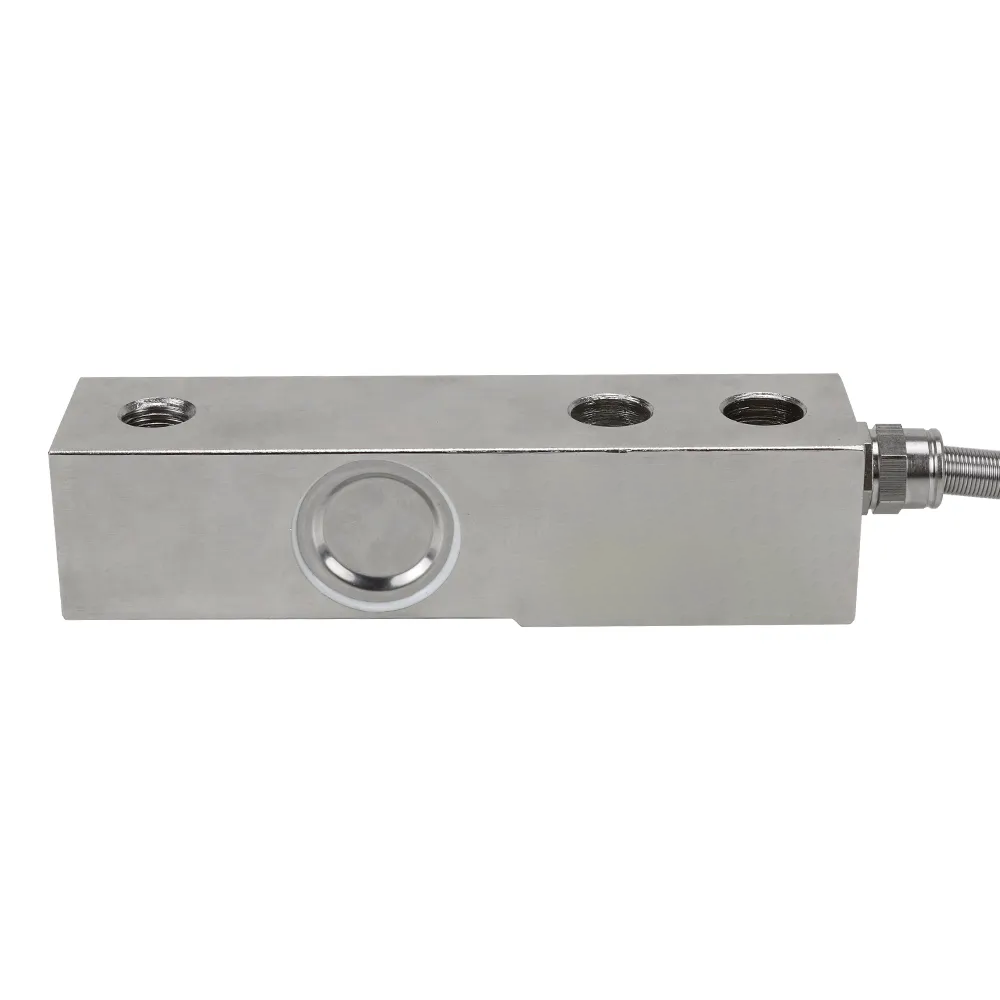
Sourcing quality floor scales requires diligent research and evaluation of potential suppliers.  Start by assessing the manufacturer’s reputation in the industry.  Look for companies that specialize in industrial weighing solutions and have a proven track record in providing high-precision load cells and sensors, as these components are vital for accurate weight measurements. 

Next, request product samples to evaluate the scale's construction and performance. Inspect the materials used, the quality of the load cells, and any certifications such as CE or RoHS, which indicate compliance with safety and environmental standards.  A reliable supplier should provide detailed specifications and testing results to confirm the scale's accuracy and durability. 

Consider the supplier's customization capabilities as well.  Depending on your specific needs, you may require modifications such as specialized dimensions, additional features like wireless connectivity, or unique load capacities.  A flexible manufacturer like PST can accommodate these requests, ensuring the hanging scales for sale you receive perfectly match your operational requirements.  

Understanding the Cost Factors of Commercial Floor Scales

Understanding the Cost Factors of Commercial Floor Scales

The cost of commercial floor scales can vary widely based on several factors.  Key elements influencing pricing include the scale's load capacity, size, materials, and additional features.  For example, a standard steel floor scale may be less expensive than a stainless steel model designed for corrosive environments.  

Customization options can also impact costs.  Scales with advanced technology, such as integrated software for data tracking or wireless communication, will generally be priced higher than basic models.  It’s also essential to factor in shipping and installation costs, which can add to the overall expenditure.  

Another consideration is the total cost of ownership.  While a lower initial purchase price may be attractive, it is essential to evaluate the scale's durability and maintenance requirements.  A higher-quality heavy duty hanging scale may have a more substantial upfront cost but could save you money in the long run through reduced downtime and maintenance needs.  

Common Problems with Floor Scales and Their Solutions

Despite their reliability, floor scales can encounter common issues that may affect their performance.  One frequent problem is inaccurate readings due to improper calibration.  It's crucial to regularly calibrate your scales according to the PST's guidelines to ensure accurate measurements.  This is especially important in industries where compliance with weight regulations is required. 

Another issue is wear and tear, particularly in high-traffic areas.  Scales may become damaged from heavy loads or impacts.  To mitigate this, consider investing in protective mats or barriers around the scale to prevent accidental damage and reduce the risk of costly repairs.   

Lastly, connectivity issues can arise with digital scales that rely on wireless technology. Ensure that your facility's layout allows for stable signal transmission.  Regularly update any software used for data management to maintain compatibility and security. 

understanding the nuances of selecting and sourcing floor scales can significantly impact your operational efficiency and compliance.  By addressing key considerations such as load capacity, environmental factors, and supplier evaluation, you can make informed decisions that enhance your business's weighing processes.  

Choosing the Right Floor Scale for Your Industrial Needs

Selecting a floor scale involves understanding your specific requirements, such as load capacity, dimensions, and environmental conditions.  The load capacity of a floor scale is crucial; it should accommodate the maximum weight of the items you intend to weigh.  Scales typically range from 1,000 kg to several tons, so ensure the scale's capacity exceeds your heaviest anticipated load to avoid damage or inaccurate readings.  

Dimensions are also important.  A scale that is too small may require multiple weighing processes, leading to inefficiencies.  Conversely, a scale that is too large may occupy unnecessary floor space. It’s essential to consider the layout of your facility and how the crane weighing scales will be integrated into your workflow. 

Environmental factors, such as humidity, dust, and temperature fluctuations, can affect scale performance.  For instance, if your operations are in a wet or corrosive environment, opt for scales with protective coatings or those made from stainless steel.  Additionally, consider whether you need a portable scale for flexibility or a fixed installation for stability. 

Frequently Asked Questions

What applications suit this floor scale?

Designed for industrial weighing, lifting verification, inventory, logistics, and automation tasks in manufacturing, warehouses, and new energy facilities.
High-precision load cells support multiple capacities and accuracies. Specific ranges and calibration options are available on request to fit your needs.
Yes. The product is CE and RoHS compliant and manufactured under strict quality control with OEM/ODM support.
Yes. The floor scale supports analog/digital outputs and can be customized for PLC, wireless or data-logging integration to suit automation workflows.
We offer OEM/ODM customization, calibration, technical support, and warranty services to ensure optimal performance and integration into your operations.

Get a Free Quote

Our representative will contact you soon.
0/1000