Choosing the Right Weigh Module for Your Project

application/weigh-module, application/weigh-module, 
Inquiry
Inquiry

weigh module

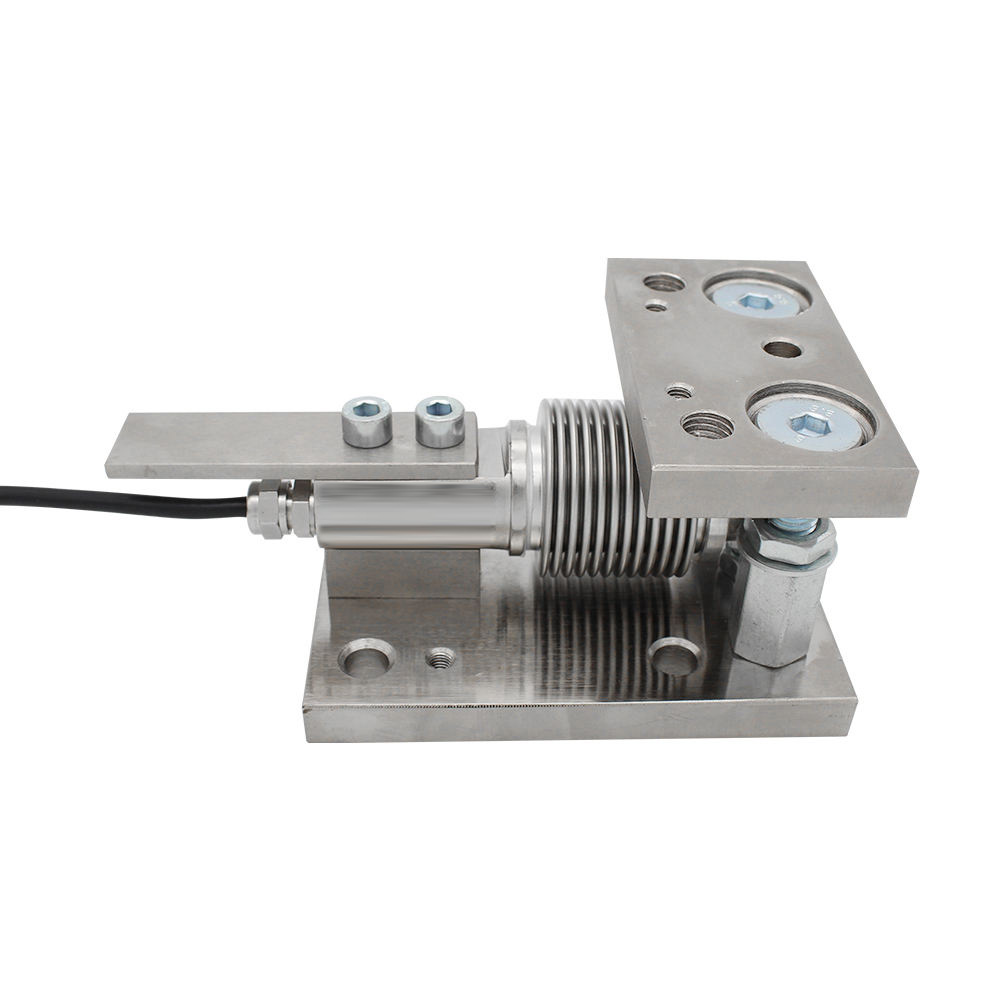
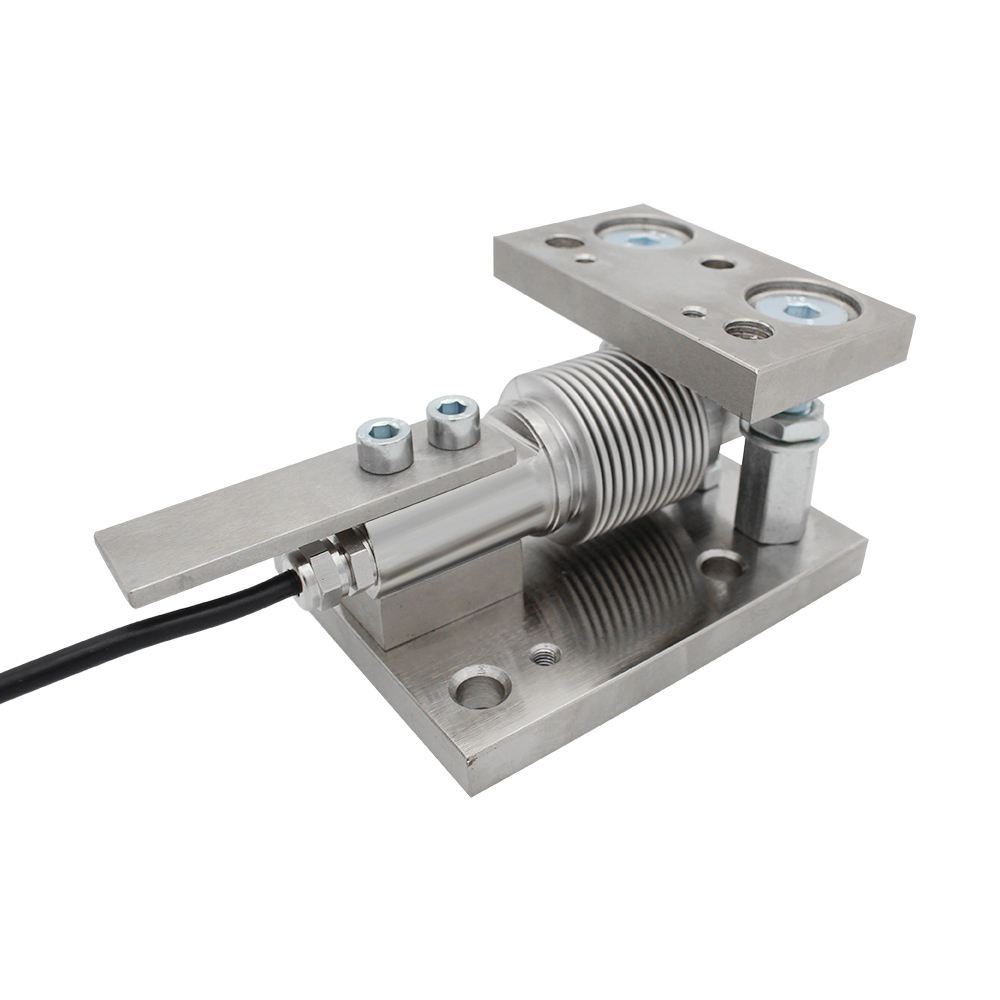
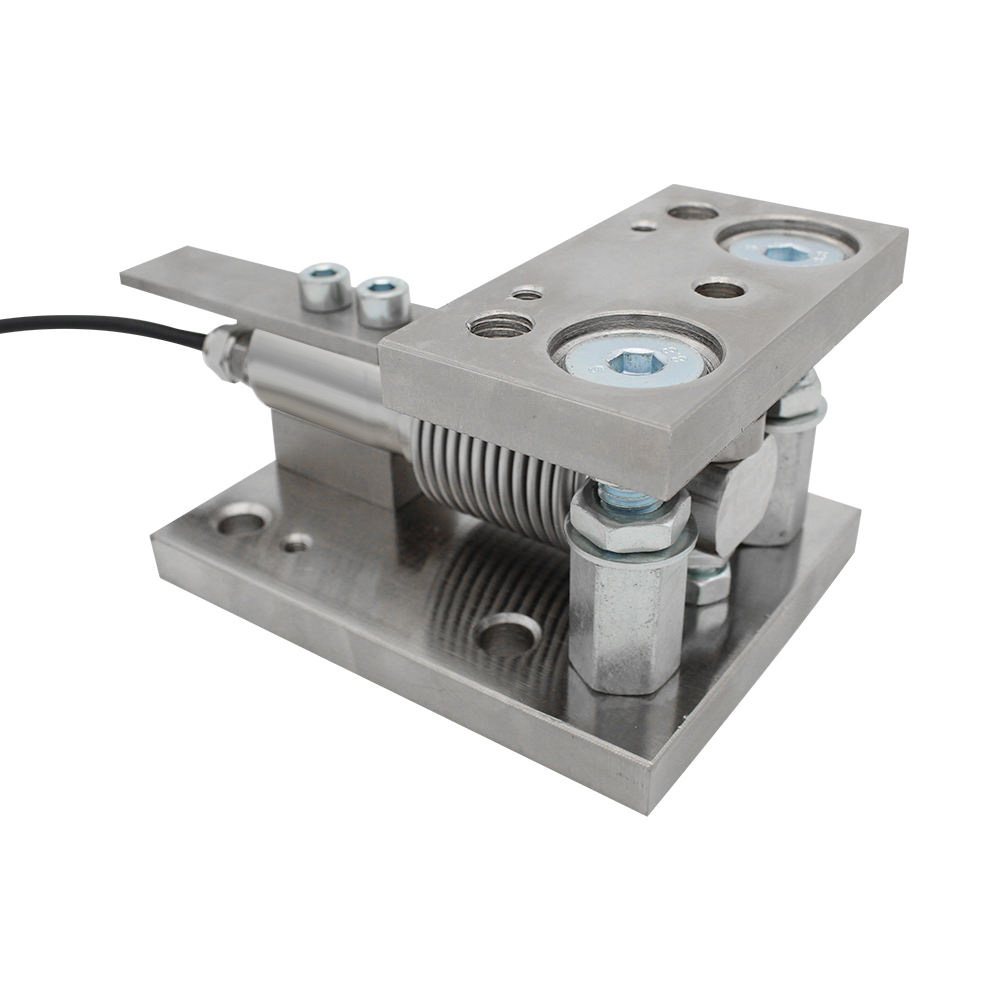
Weigh  modules  are critical components used in various industrial applications  to  accurately measure weight and  force. As a  B2B buyer, understanding the intricacies  of  weigh modules  is essential for  making  informed purchasing decisions.  Key concerns often include  specifications, material quality, application  suitability, and supplier reliability. This article  will  guide you through the critical  factors to  consider when  choosing weigh modules, helping you navigate the selection process effectively.

 
Where to Find Reliable Suppliers for Weigh Modules in Bulk

Where to Find Reliable Suppliers for Weigh Modules in Bulk

Finding a trustworthy supplier  for bulk weigh modules is essential for ensuring consistent quality and reliable service. Here are some tips  to identify potential suppliers:

Industry Research: Utilize industry directories  and trade shows to identify manufacturers and distributors. Networking within industry  groups can also lead to valuable  recommendations.

Supplier Background: Research potential suppliers’ backgrounds, including their  manufacturing capabilities, certifications,  and experience in  the industry. A company like JIANGXI JINGCE SENSING  TECHNOLOGY CO., LTD., with expertise in high-precision load cells, may offer reliable OEM/ODM solutions. They may also provide options like Tension load cell for specific applications.

Customer Reviews and References:  Seek out reviews from other businesses that  have purchased from the  supplier. This can provide insights into product quality and customer service.

Requesting Samples: Before placing a bulk order, request samples to evaluate the  product quality  and ensure it meets your specifications.

Quality  Control  Practices: Inquire about the supplier’s  quality  control  processes to understand how they maintain product standards during manufacturing.

Finding a reliable supplier involves thorough research and  due diligence, ensuring that you partner with a company that meets your needs.

Cost Factors to Consider When Purchasing Weigh Modules Wholesale

Cost Factors to Consider When Purchasing Weigh Modules Wholesale

When considering wholesale purchases  of weigh  modules, various cost factors come into play. Understanding these  elements can help you budget accurately and negotiate effectively.


Material Costs: The choice  of materials  will significantly affect the price. For instance, stainless steel  modules  may be more expensive  than those made from aluminum but offer better durability.

Customization:  Custom features, such as specific load  capacities or environmental protections, can increase costs. Be clear about your customization needs when requesting quotes.

Order Quantity: Many suppliers  offer discounts for larger orders. Understanding  the minimum order quantity (MOQ) and how it impacts pricing can lead to cost savings.

Shipping and Handling: Factor in shipping costs, especially for international orders. Ensure you understand the lead times and shipping methods to avoid unexpected delays.

Import Duties and Taxes:  If sourcing from overseas, consider the additional  costs associated with import duties and taxes, which can add  to  the overall expense.

By carefully analyzing these  cost factors, you can  make informed purchasing decisions that align with  your budgetary constraints.

Top Applications for Weigh Modules in the Manufacturing Industry

Top Applications for Weigh Modules in the Manufacturing Industry

Weigh modules play a  pivotal role in  various manufacturing processes, enhancing efficiency and accuracy. Here  are some of  the top  applications:

Material Handling: Weigh  modules are commonly used in conveyor systems to monitor the weight of materials being transported. This ensures proper inventory management and reduces waste.

Quality  Control: In  production lines, weigh modules help  verify  that products meet specified weight standards, ensuring quality control and  consistency.

Batching Systems: In industries such as food  and chemicals, weigh modules are integral  to batching systems,  allowing for precise measurements of ingredients  during production.

Load Monitoring: In heavy machinery, weigh modules can monitor loads to  prevent overloading and enhance safety.

Automated Systems: Many automated systems use weigh modules to  provide real-time data for operational analytics, improving decision-making processes.

Understanding these applications  can help you identify  where weigh modules can add value to your  operations.

How to Compare Different Weigh Module Options for Your Business

When  comparing various weigh module options, it's vital to conduct  a structured evaluation. Here are key steps to follow:

Specification Comparison: Create a comparison chart that outlines key specifications such as load capacity, accuracy, and material types for each option. This visual  representation can simplify decision-making.

Performance Testing: If  possible, conduct performance tests on different modules under similar conditions. This firsthand evaluation helps  determine which module performs best  in your specific environment.

Supplier Reliability:  Assess the  reliability of each supplier by reviewing their history,  certifications, and customer feedback. A supplier with a proven track record can offer  peace of mind.

Warranty and Support: Evaluate the warranty  and  after-sales support  provided by each  supplier.  A robust support  system can be crucial for addressing issues that may arise post-purchase.

Cost Analysis: Beyond initial costs, consider  the total cost of  ownership, which includes maintenance, potential downtime, and replacement  costs over the module's lifespan.

By systematically comparing these factors, you can make a well-informed decision  that best meets your business needs.

What to Consider When Choosing a Weigh Module for Your Projec

When selecting a weigh module, several factors must be taken into  account to ensure optimal  performance in your specific application.

Load Capacity: Determine the maximum weight the module will  need to measure. Overloading a weigh module can lead to inaccuracies and damage.

Material and Construction: The choice of materials (such as stainless steel or aluminum) impacts durability and  resistance to environmental factors. For instance, stainless steel is preferable for  outdoor  applications  due to its corrosion resistance.

Sensitivity and Accuracy: Evaluate the module’s specifications for sensitivity,  which indicates how finely it can measure weight changes. High sensitivity  is crucial in  applications  requiring precise measurements.

Environmental Conditions: Consider where the weigh module will be used. Modules designed for harsh environments  might have additional sealing or protective coatings, ensuring longevity.

Compatibility: Ensure  that the weigh  module is compatible with your existing systems. This includes communication protocols and  physical dimensions  for installation. Utilizing a reliable Load cell can enhance compatibility with various systems.

Certifications:  Look for modules that meet industry standards, such  as CE or RoHS, which can serve as indicators  of quality and reliability.

By closely examining these  factors, you can select a weigh module that aligns with your project requirements and operational conditions.

Frequently Asked Questions

What is the weigh module used for?

The weigh module measures load and weight in lifting, weighing, automation, and new energy systems, providing high-precision data for control and monitoring applications.
Our weigh modules offer high precision and are CE and RoHS certified, ensuring reliable performance and compliance with international safety and environmental standards.
Yes. We provide OEM/ODM customization for mechanical design, capacity, signal output, and connector options to meet specific application requirements.
We support analog and digital outputs, standard signal ranges, and compatibility with common PLCs, controllers, and data acquisition systems; specifics are configurable per project.
We offer technical support, calibration guidance, and warranty coverage. Support includes installation assistance, troubleshooting, and options for calibration and repair services.

Get a Free Quote

Our representative will contact you soon.
0/1000