How to Choose Wireless Load Cells for Your Application

application/wireless-load-cell, application/wireless-load-cell, 
Inquiry
Inquiry

wireless load cell

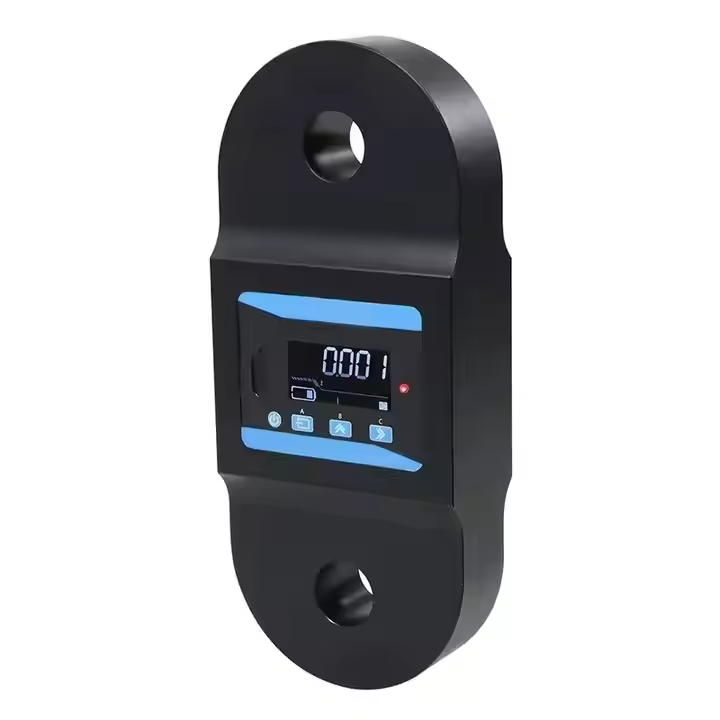
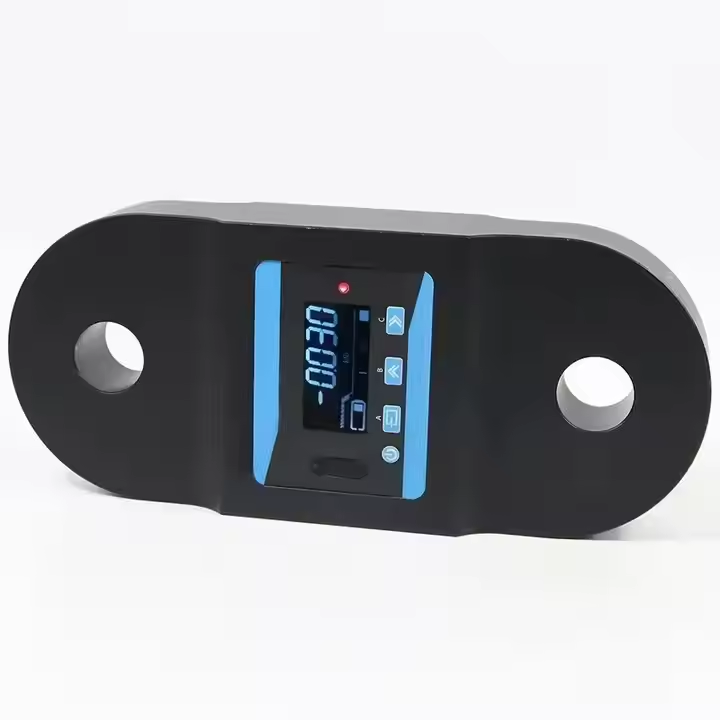
Wireless load cells have transformed the way  industries measure weight  and force, offering a high level of precision without  the complications of wiring. These innovative  devices are  crucial for a wide range of applications,  particularly in lifting, weighing,  and  automation within  the manufacturing  and commercial sectors. For purchasing managers, engineers, and  product managers, understanding the  right specifications, installation guidelines, and  potential challenges associated  with  wireless load cells is essential for making informed decisions.  This article will provide insights into choosing the right wireless load cell,  key considerations,  installation guidelines, common issues,  and sourcing high-quality products.

 
What to Look For

What to Look For

When evaluating wireless  load cells, specific technical specifications  are paramount. Look for:

Measurement Range: Ensure the  load cell can measure the expected weight  or force within a defined range. This  is critical for ensuring accurate readings. Output Signal Type: Determine if the  load cell outputs data via analog or digital signals,  and ensure compatibility  with your monitoring systems. Battery Life: Given that these devices are wireless, battery  longevity is  crucial. Look  for models that offer extended battery life to minimize maintenance  and downtime. Material and Build Quality: The construction material should  be suited  for your environment, whether it’s stainless steel  for corrosive environments  or aluminum for lightweight applications. Calibration Procedures:  Understand how the load cell can be  calibrated.  Some models offer easier calibration processes which can save time and ensure  consistent accuracy.
Key Installation Guidelines for Wireless Load Cells in Industry

Key Installation Guidelines for Wireless Load Cells in Industry

Proper installation of wireless load cells is essential for optimal performance. Here are key guidelines to follow: 


Location: Choose an installation location that minimizes interference from other wireless devices.  Environmental factors like moisture and dust should also be considered.

Mounting: Ensure the load cell is  mounted securely and aligned correctly to  prevent misalignment, which can  lead to inaccurate  readings. Follow the manufacturer's specifications for mounting procedures.

Calibration: After installation, calibrate the load cell  according to  the  manufacturer’s instructions. This step is  vital for ensuring measurement accuracy and should be  repeated  regularly based on  usage.

Testing: Conduct thorough testing after installation to verify functionality and accuracy. Check for any potential  sources of error, such as mechanical vibrations or external  loads affecting the  readings.

Regular  Maintenance:  Implement a regular maintenance schedule that  includes checks on battery status, calibration, and physical  inspection for signs of wear or damage.

Common Problems with Wireless Load Cells and Their Solutions

Common Problems with Wireless Load Cells and Their Solutions

Despite  their advantages,  wireless load cells  can encounter issues. Here are some  common problems and their recommended solutions: 


Signal Interference: Wireless communication can be disrupted by other  electronic devices. To mitigate this, use load cells  that operate on different frequencies or ensure a clear  line of sight  between the  load cell and  receiver.


Battery Failure: Regularly monitor battery levels and establish a replacement schedule to  avoid unexpected failures.  Consider  models with low battery  alerts.

Calibration Drift: Over time, a load cell may require recalibration. Schedule routine checks to ensure ongoing accuracy and performance.

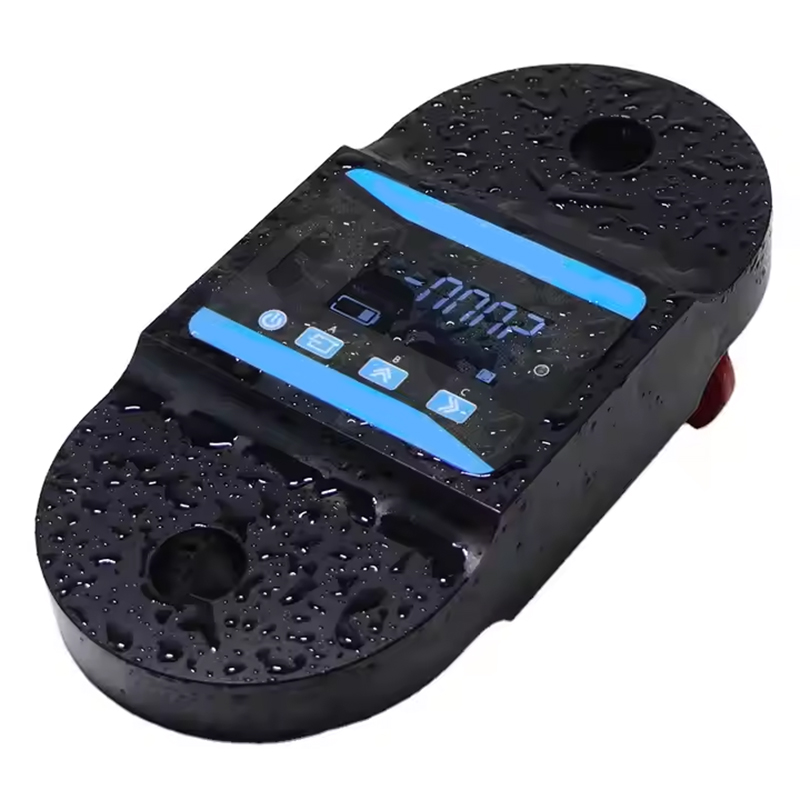
Environmental  Challenges: If the load cell is exposed to extreme temperatures or humidity, consider using models specifically designed for harsh  environments.  Protective casings may also enhance durability.


Where to Source High-Quality Wireless Load Cells for Your Business

Sourcing reliable wireless load cells is crucial for ensuring performance and longevity. Here are key considerations  when looking for a supplier: 


Reputation and Experience: Choose  suppliers with a proven  track record in  manufacturing high-quality load cells.  JIANGXI JINGCE SENSING TECHNOLOGY CO., LTD.,  for example, specializes in high-precision load cells and offers OEM/ODM solutions tailored to specific industry needs.

Certifications: Verify that the  load cells meet industry standards  and certifications, such as CE and RoHS, which ensure compliance with safety and environmental  regulations.

Customization Options: Depending  on your application, you may need customized  solutions. Look for manufacturers that offer flexibility in design and production to meet your specific requirements.


After-Sales Support: Ensure that your supplier provides robust after-sales support, including  warranty information,  technical assistance, and maintenance services. This support is critical for resolving any issues that arise post-purchase.


Sample Approval: Before committing to a large order, request samples to evaluate performance in your operational environment. This practice helps confirm compatibility and meets your quality standards.

By considering these factors, you  can effectively source high-quality wireless load cells that meet  your business needs  and enhance operational efficiency.


How to Choose the Right Wireless Load Cell for Your Application

Selecting the  appropriate  wireless  load cell involves  evaluating  various factors that align with  your specific application. First,  consider the load capacity needed.  Wireless load cells come in different  capacities, so it's crucial to choose one that can handle the maximum  load you expect during operation.

Next, assess the accuracy requirements. Applications in high-precision fields, such as pharmaceuticals or aerospace, may necessitate load cells with higher accuracy specifications. Additionally, take into account  the environmental conditions  where the load cell will  be used. Factors such as temperature fluctuations, humidity, and exposure to chemicals can affect performance; hence,  selecting  a load cell with suitable environmental ratings is essential. For example, you might consider a High Performance 100Nm Static Torque Sensor Load Cell for demanding environments.

Lastly, consider the communication protocol  and compatibility with  existing systems. Ensure that the  selected wireless load cell can seamlessly  integrate with your current data acquisition systems for  effective monitoring and control.

Frequently Asked Questions

What is a wireless load cell used for?

A wireless load cell measures force or weight remotely, ideal for lifting, weighing, automation, and new energy applications where wired connections are impractical.
Our wireless load cells hold CE and RoHS certifications, ensuring compliance with safety and environmental standards for industrial use.
Typical wireless ranges vary by model; options include robust RF and Bluetooth interfaces. Contact us for model-specific range and protocol details.
Yes. We offer OEM/ODM services to customize accuracy, mounting, range, and communication to meet your lifting, weighing, or automation requirements.
Calibration can be performed using known weights or our calibration service. Regular checks, clean mounting, and battery replacement/charging ensure long-term accuracy.

Get a Free Quote

Our representative will contact you soon.
0/1000