Selecting the Right Weight Sensor Module for Your Needs

application/weight-sensor-module, application/weight-sensor-module, 
Inquiry
Inquiry

weight sensor module

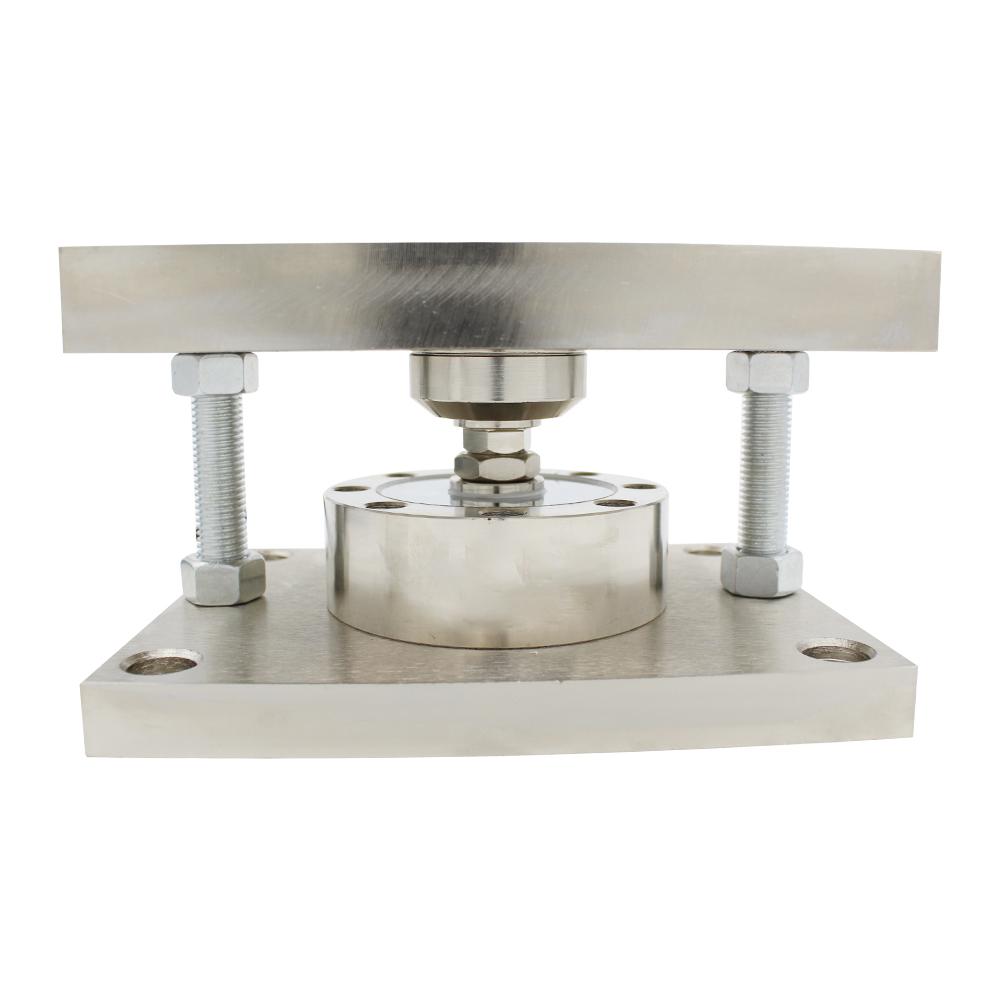
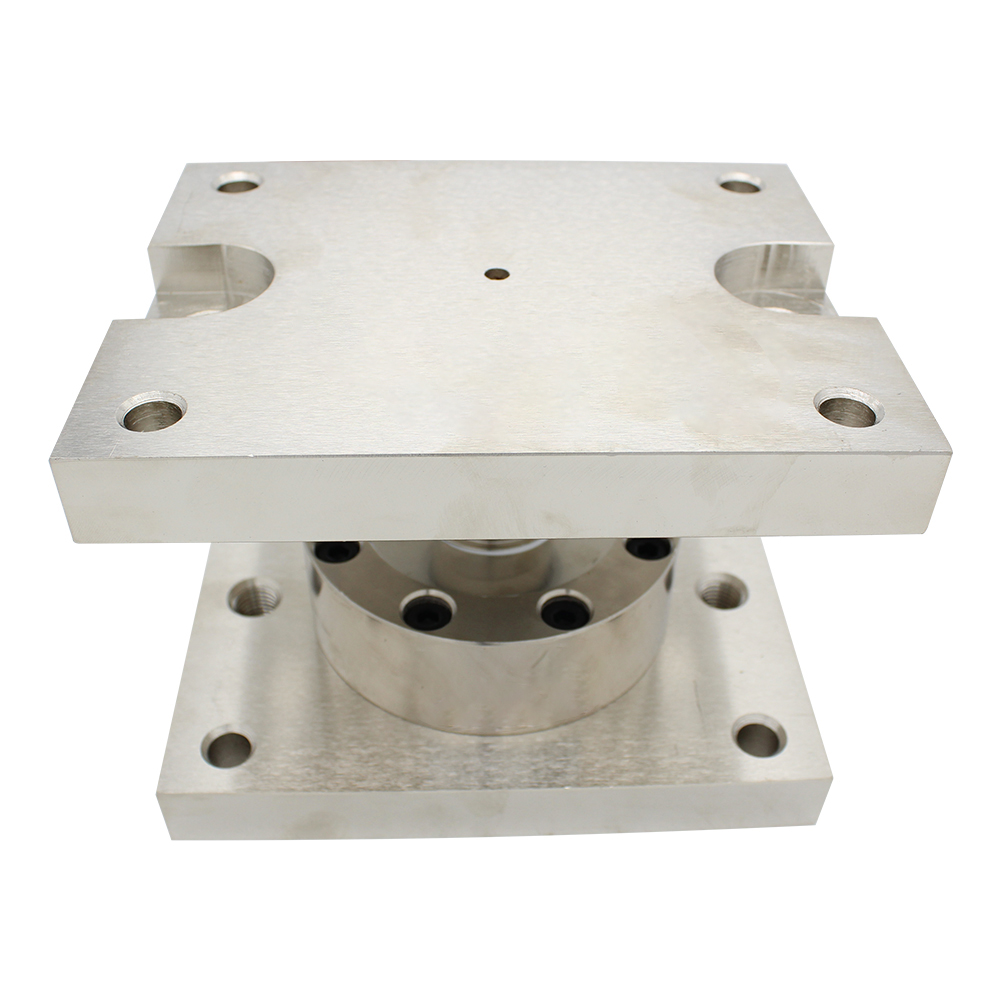
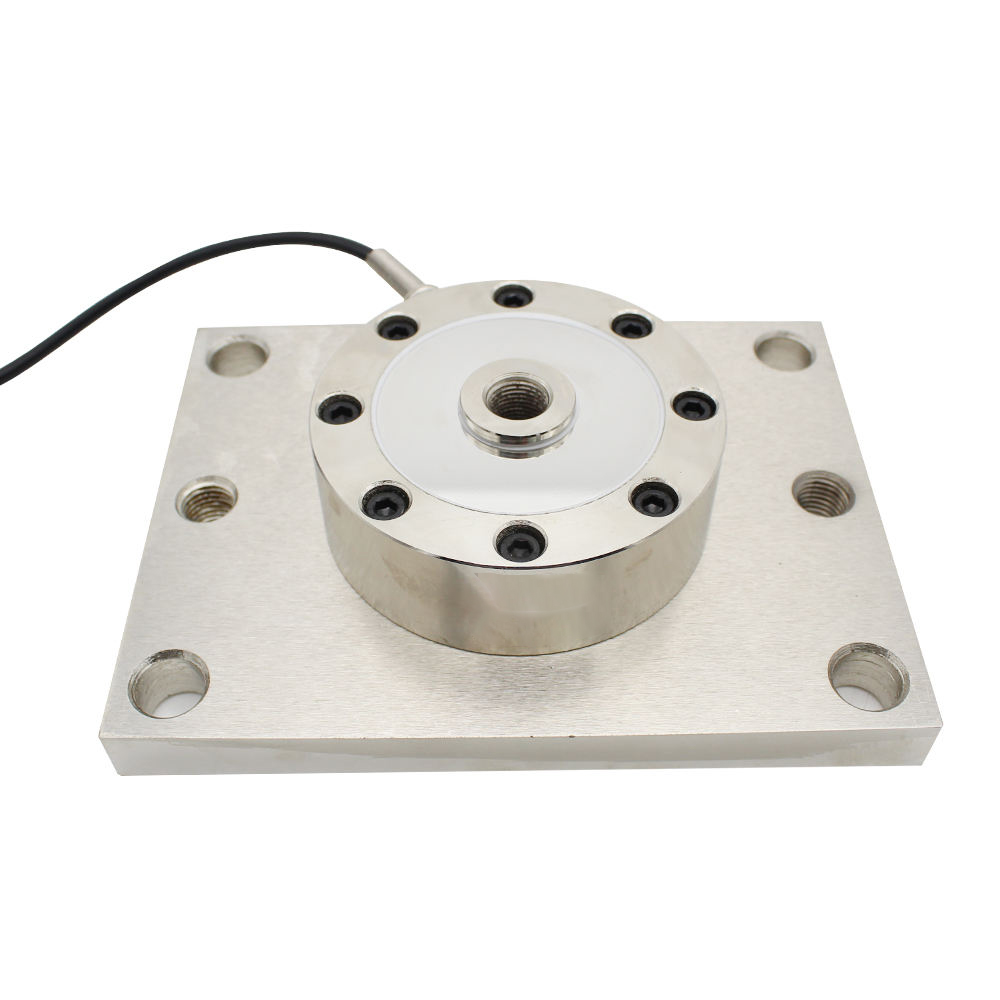
A weight sensor module  is a crucial component in various industrial  applications, providing accurate  weight measurements for lifting, weighing, and automation processes. For purchasing  managers, distributors, and engineers, understanding  how to select the  right weight sensor module can significantly impact operational efficiency  and product quality. This  article will  guide you  through essential considerations for  sourcing  weight sensor modules,  including  specifications, quality control, cost  factors,  and best practices  to  ensure  you make informed  decisions.

Key Specifications to Consider When Sourcing Weight Sensor Modules

Key Specifications to Consider When Sourcing Weight Sensor Modules

When  sourcing weight sensor modules, several specifications are critical to  ensure optimal performance.

Load Capacity: This defines the maximum weight the sensor can accurately measure. Ensure that the selected module exceeds your expected load to avoid overloading, which can lead  to failure or inaccurate readings.

Accuracy:  Look for specifications that detail the sensor's precision, often indicated as  a percentage of  the full-scale output.  Higher accuracy is crucial  for applications  where precise  weight  measurements are essential.

Material and Construction: The  materials  used in the sensor module affect its durability and suitability  for different environments. For example, stainless steel is often used for its  strength and resistance to corrosion, making  it ideal for harsh industrial settings.  

Temperature Range: Weight sensors should  operate effectively  within specified temperature  limits. If your application involves extreme temperatures, ensure that the module is rated appropriately.

Output Signal Type: Common output signals include analog (like 4-20 mA) or digital signals (like RS232 or RS485). The chosen signal type should align with your data acquisition system for seamless  integration.

Quality Control Measures for Reliable Weight Sensor Module Manufacturing

Quality Control Measures for Reliable Weight Sensor Module Manufacturing

Quality control is vital in the manufacturing process of weight sensor modules to ensure reliability and performance. A reputable manufacturer should implement rigorous quality assurance  protocols throughout production.

Incoming Material Inspection:  Verify the quality of raw materials before production begins. For example, using high-grade stainless  steel can enhance  the longevity and performance  of the weight sensor.

In-Process Testing: Regular checks  during manufacturing can  help identify and rectify issues  early on. This includes calibration tests to ensure that each module meets accuracy specifications.


Final Product Testing: Before shipping, each  weight sensor module should undergo  comprehensive testing to confirm  functionality and compliance with specified standards. This might include  load testing  under various conditions to  simulate real-world usage.

Certification Compliance: Manufacturers should  possess  relevant  certifications (like CE and RoHS) that assure adherence to  industry standards, indicating that the product meets safety and environmental regulations.

 
Cost Factors to Evaluate When Purchasing Weight Sensor Modules in Bulk

Cost Factors to Evaluate When Purchasing Weight Sensor Modules in Bulk

When considering bulk purchases of weight sensor modules, several cost factors come into play. 

Unit Price: While bulk purchasing  typically  reduces the unit cost, it's essential  to negotiate pricing based on order quantities and potential long-term partnerships.

Shipping and Handling:  Factor in shipping costs, which can vary significantly based  on the  destination  and  order  size. Ensure that these costs  are accounted for in your total investment.

Customization Costs: If you require tailored solutions, be aware that customization may increase overall costs. Discuss  these factors upfront with your supplier  to avoid surprises.

Lead Time: Understand the lead  time for production and  delivery,  especially if  you require the modules quickly. Longer lead times can impact project timelines and costs.

Maintenance and Support: Consider potential  long-term costs associated  with maintenance and technical support.  A supplier offering robust post-sale support can be invaluable in minimizing downtime and ensuring operational efficiency.

Best Practices and Tips

To optimize your purchasing process for weight sensor modules,  consider the following best practices:

Request  Samples: Before  committing to a large order, request samples to evaluate performance under your specific conditions. This step is  crucial for validating the sensor's suitability for  your application.

Engage with  Suppliers Early: Discuss your requirements in detail with suppliers at the outset. This  collaboration can help them recommend the most appropriate products and avoid costly mistakes later.

Conduct Thorough Testing: Once  you receive your sensors, conduct  thorough  testing to confirm they meet the specified requirements before  mass deployment.  This can prevent operational issues down the line.

Stay Informed on Technological Advancements: The field of sensor technology is continually evolving. Regularly review new developments that could  enhance your operations or provide cost savings.

By following these guidelines and leveraging  the expertise of established manufacturers like JIANGXI JINGCE SENSING TECHNOLOGY CO.,  LTD., you  can ensure that  your  investment in  weight sensor  modules aligns with your operational needs, ultimately enhancing your productivity and efficiency.

How to Choose the Right Weight Sensor Module for Your Needs

Selecting the appropriate weight sensor module hinges on understanding your  specific application requirements. Key  factors include load capacity,  accuracy, and environmental conditions. For instance,  if your application involves heavy machinery,  you'll need a sensor module with a higher load  capacity  and robust construction to withstand potential impacts.  Customizable PMC Sensors Load Cell Transmitter can provide tailored solutions for such needs.

Moreover, consider the operating  environment. Modules  designed for outdoor use should have weatherproofing features, while those in clean  or controlled environments might prioritize precision  over durability. It's also  essential to evaluate the connectivity options, such as wired or  wireless configurations, to ensure compatibility with  your existing systems.  

Finally, when selecting  a  supplier, assess their customization capabilities. Companies like JIANGXI  JINGCE SENSING TECHNOLOGY CO., LTD. offer OEM/ODM solutions that can be tailored to meet unique specifications, ensuring the weight sensor module  aligns perfectly with your operational  needs.  For instance, their High Performance 100Nm Static Torque Sensor is an excellent option for heavy-duty applications.

Frequently Asked Questions

What applications suit this weight sensor module?

Ideal for industrial and commercial weighing, lifting systems, automation, material handling, and new energy equipment requiring high-precision load measurement.
Our modules offer high-precision measurement with CE and RoHS certifications to meet safety and environmental standards.
Yes. We offer OEM/ODM customization for sensor range, mounting, output interface, and calibration to fit specific application needs.
Supports analog and digital outputs; custom signal conditioning and interfaces available to integrate with PLCs, controllers, or data acquisition systems.
We provide product warranty and global technical support, including installation guidance, calibration assistance, and after-sales service for reliable operation.

Get a Free Quote

Our representative will contact you soon.
0/1000