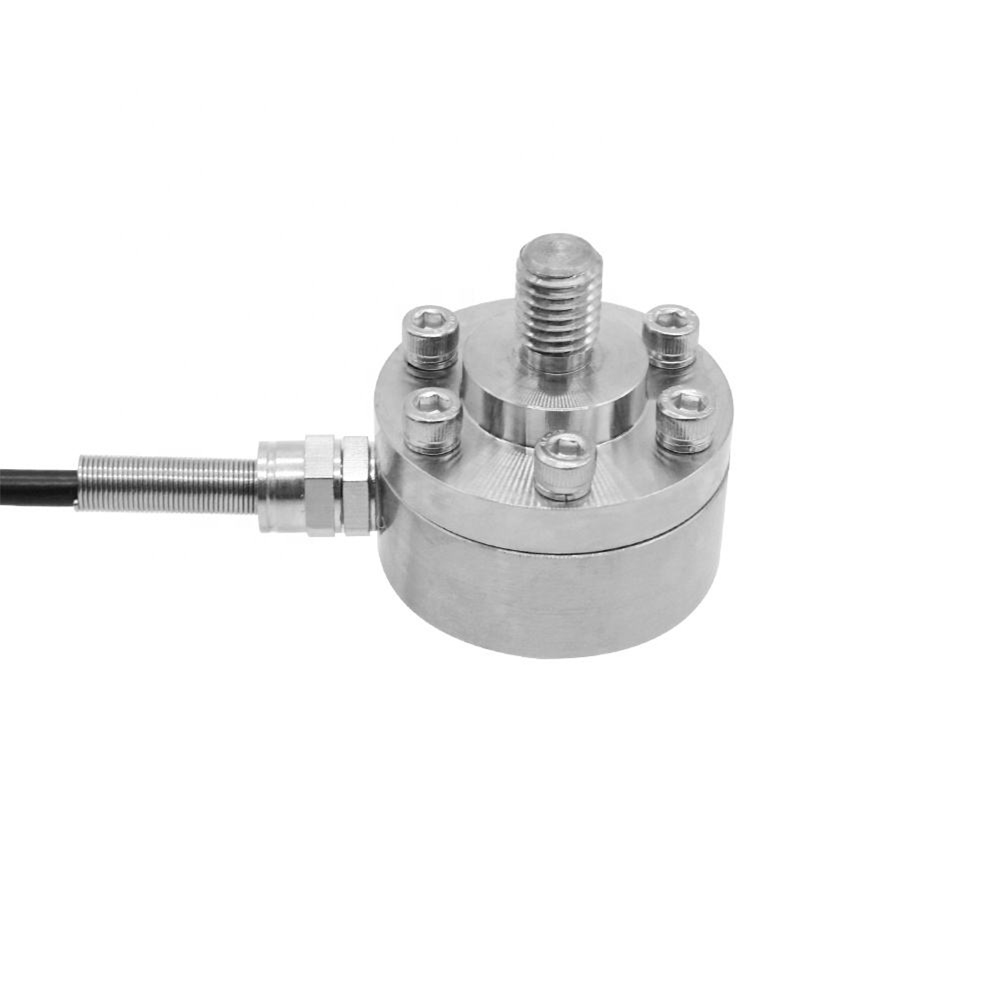
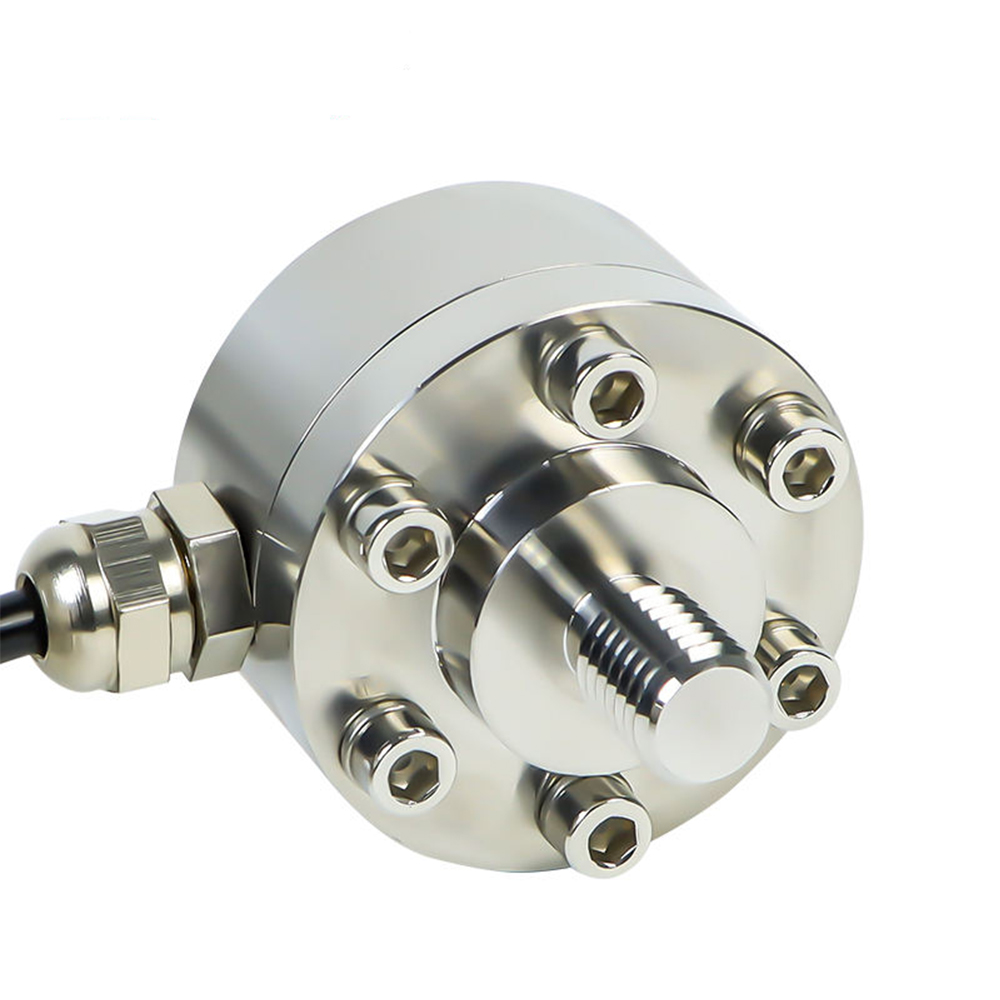
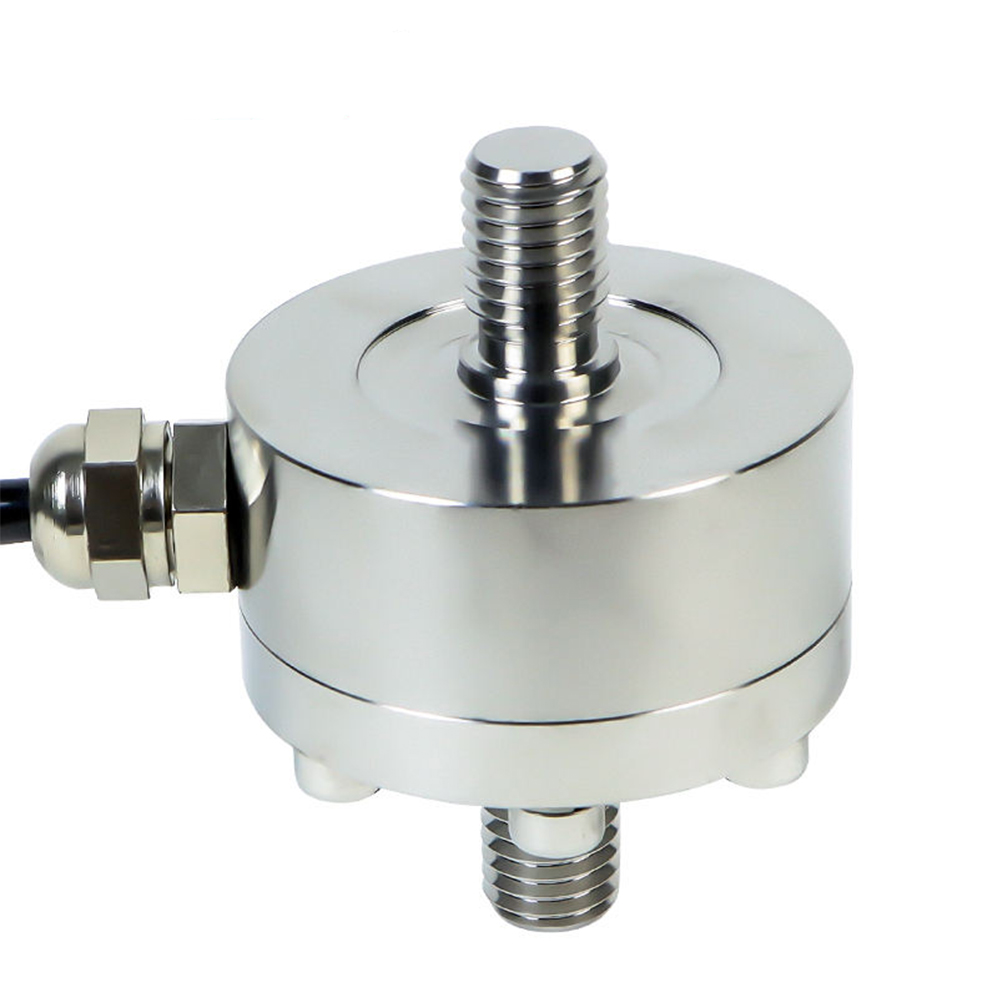
Miniature Load Cells for Tension and Compression

application/miniature-load-cell-tension-compression, application/miniature-load-cell-tension-compression, 
Inquiry
Inquiry

miniature load cell tension compression

Miniature  load cell  tension  compression devices are precision instruments designed to measure force  or weight in  tight  spaces  where larger sensors may not fit.  These load cells are  critical for various applications  across  industries, including manufacturing, automation, and  lifting systems. When seeking high-quality miniature load cells, buyers often focus on  accuracy, durability, and compatibility with their  existing systems. This article  provides  insights into selecting the right miniature load cells and understanding their applications,  features, and  best practices  for optimal use.

 
What to Look for in Miniature Load Cells

What to Look for in Miniature Load Cells

When evaluating miniature load cells, several specifications and  features should be prioritized  to ensure optimal performance for your application.

Measurement Range: Determine the load capacity you need. Miniature  load cells come in various ranges, and selecting one that matches your application's requirements is crucial to avoid overloading and damaging the sensor.

Accuracy and Sensitivity: Look for load cells with high accuracy ratings, typically expressed as a percentage of full scale. A higher sensitivity level ensures  that even  slight changes in force are detected, which is vital for  precision  applications.


Material and Construction: The materials used in the load cell can significantly affect  its performance and durability. Stainless steel is commonly used for its strength and corrosion resistance, making it suitable for harsh  environments.  Consider the conditions in which the load cell will operate, such as temperature extremes and exposure to chemicals.

Output Signal: Check the  type of output signal  the load cell provides (analog or digital) to ensure compatibility with your measurement systems. Digital outputs can provide more precise readings and easier integration with modern electronics.

Environmental Ratings: If the load cell  will be used in challenging environments, look  for IP ratings that indicate dust and moisture resistance. This will  help ensure longevity and reliability in  applications exposed to harsh  conditions.

Applications of Miniature Load Cells in Various Industries

Applications of Miniature Load Cells in Various Industries

Miniature load cells are  versatile instruments used across diverse industries. Here are some key applications:

Automation: In automated systems, miniature load  cells are utilized  for force  measurement in robotic arms and conveyor  systems. They help in quality control by ensuring  that products  meet specified weight requirements during manufacturing.

Medical  Devices: In  the  medical field, miniature  load cells  are often found in patient weighing systems, infusion pumps, and other diagnostic equipment where precision is  critical.


Aerospace: Miniature load cells  are employed in aerospace applications to  monitor loads on components and structures, ensuring safety  and performance in flight operations.

Material Testing: In laboratories, these load cells  are used to measure tension and compression in materials under various conditions, providing essential data for research and development.

Packaging: In the packaging industry, miniature load cells help verify the weight of packaged goods, ensuring compliance with labeling regulations and  reducing  waste.

Best Practices

Best Practices

To  ensure  the optimal  performance of miniature load cells, follow these best practices:

Installation: Ensure proper installation according to  the manufacturer's  guidelines. Misalignment  can lead to inaccurate  readings and potential damage to the load cell.

Calibration: Regularly calibrate the  load cells to maintain accuracy. Calibration should be conducted under controlled conditions, and any changes in the environment should be considered.

Environmental Considerations: Protect load cells  from  extreme conditions, such as moisture  or high temperatures,  which can  affect their performance. Implementing appropriate housing  or protective measures  can enhance their lifespan.


Routine Maintenance: Conduct routine inspections to identify any signs of wear  or damage. Addressing small issues promptly  can  prevent larger problems and  ensure continuous operation.

Features and Benefits for Buyers

When choosing miniature load cells,  understanding their features and benefits is crucial for making an informed purchasing decision:

Compact Design: The small  size of miniature load  cells allows for integration  into tight spaces where traditional load cells  cannot fit, making them ideal for  specialized applications.

High  Precision: These load  cells offer exceptional accuracy, essential for applications where precise measurements are critical. This leads to  improved  product quality and reduced waste.

Versatility: Miniature load cells can  be used in various applications, from industrial machinery to medical devices, providing flexibility for manufacturers  seeking multi-functional solutions.


Ease of Integration: With  various  output options and communication protocols,  miniature  load cells can be easily integrated into  existing systems, saving time and resources during implementation.

By understanding these features and benefits,  buyers can make more strategic decisions when selecting miniature load cells that best meet their operational needs and performance standards.


Key Supplier Selection Criteria

When sourcing miniature load cells, it's essential to consider several key criteria to ensure you partner with a  reliable supplier. First, assess the  supplier's experience and expertise in the field of force measurement. A manufacturer like JIANGXI JINGCE SENSING TECHNOLOGY CO., LTD., known  for high-precision  sensors, can offer valuable insights based on their extensive industry experience.

Next,  evaluate the certifications  the supplier holds, such  as CE and RoHS compliance, which indicate adherence to  international quality and safety standards.  This is crucial for ensuring the reliability and safety of  the products you will be using.

Additionally, inquire about their manufacturing capabilities, including the types of materials used,  production  equipment, and  quality control processes. Suppliers with robust quality  management systems and advanced manufacturing techniques can  provide miniature  load cells that  meet stringent performance standards.

Finally, consider their customization capabilities. Depending on your specific application requirements, you may need tailored solutions. A supplier that offers OEM/ODM options can  better  meet your unique  needs, such as specialized solutions like the Hanging Scale for weight measurement.

Frequently Asked Questions

What is the miniature load cell tension compression used for?

It measures tensile and compressive forces in compact spaces for weighing, material testing, automation, and new energy applications.
Our miniature load cells offer high precision and come with CE and RoHS certifications to meet safety and compliance standards.
We provide various mounting styles, threaded or flange options, and standard analog or custom signal outputs to suit OEM/ODM needs.
Yes. We offer OEM/ODM customization for capacity, size, mounting, and signal conditioning to fit lifting, weighing, and automation projects.
We offer technical support, calibration guidance, and warranty coverage; contact our sales team for details specific to your order and project.

Get a Free Quote

Our representative will contact you soon.
0/1000