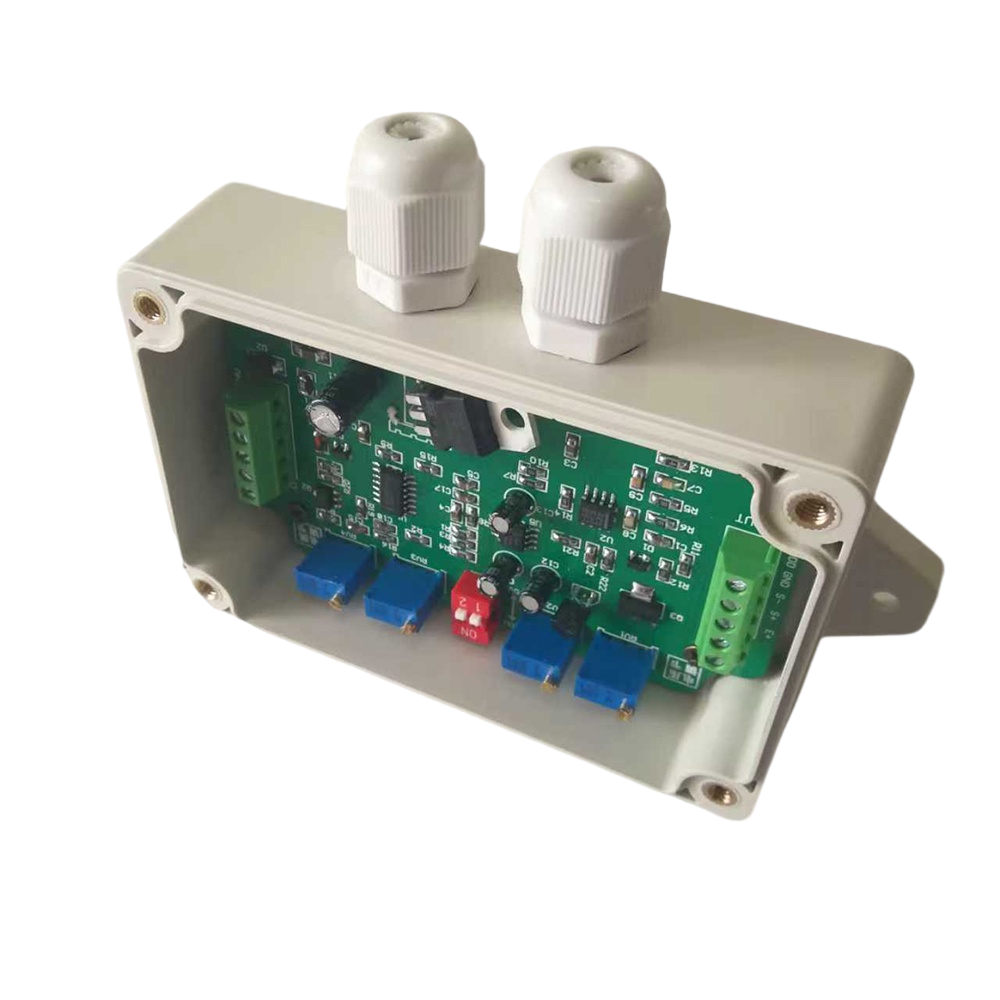
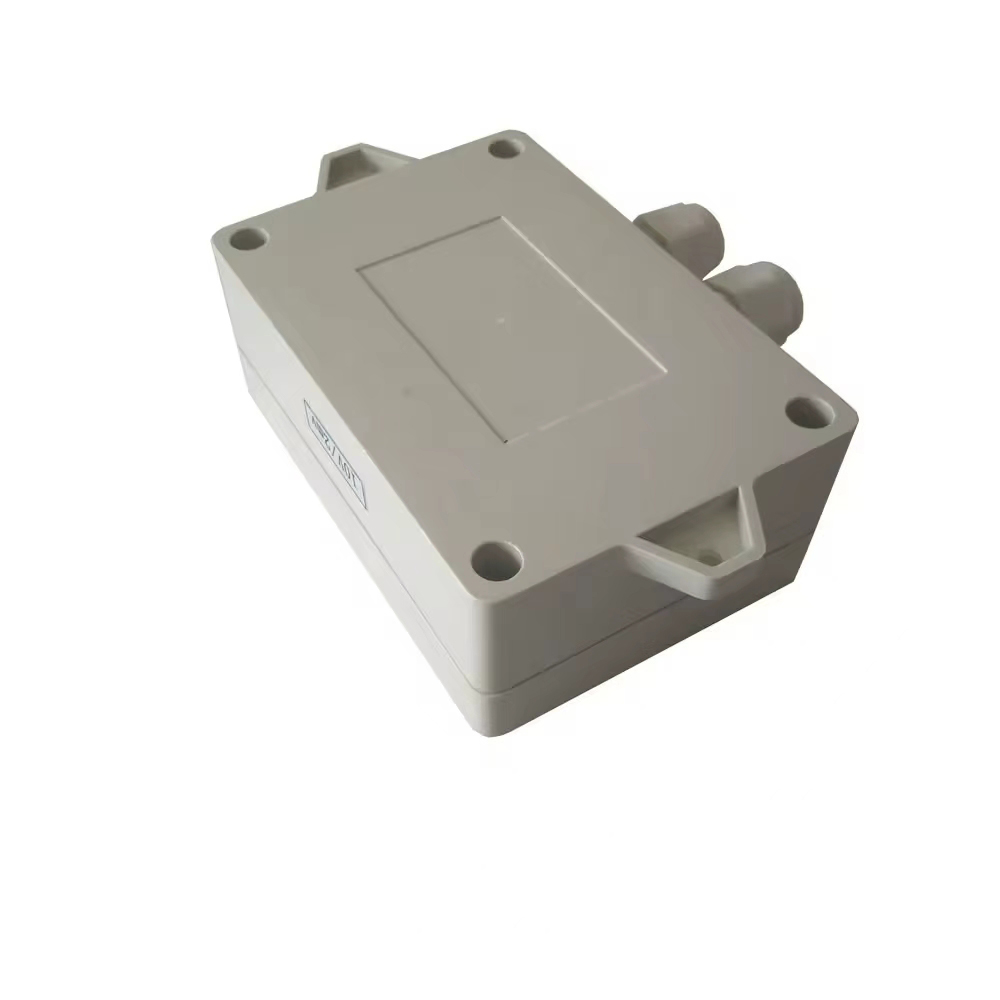
Load Cell Amplifier Module: Key Selection Guide

application/load-cell-amplifier-module, application/load-cell-amplifier-module, 
Inquiry
Inquiry

load cell amplifier module

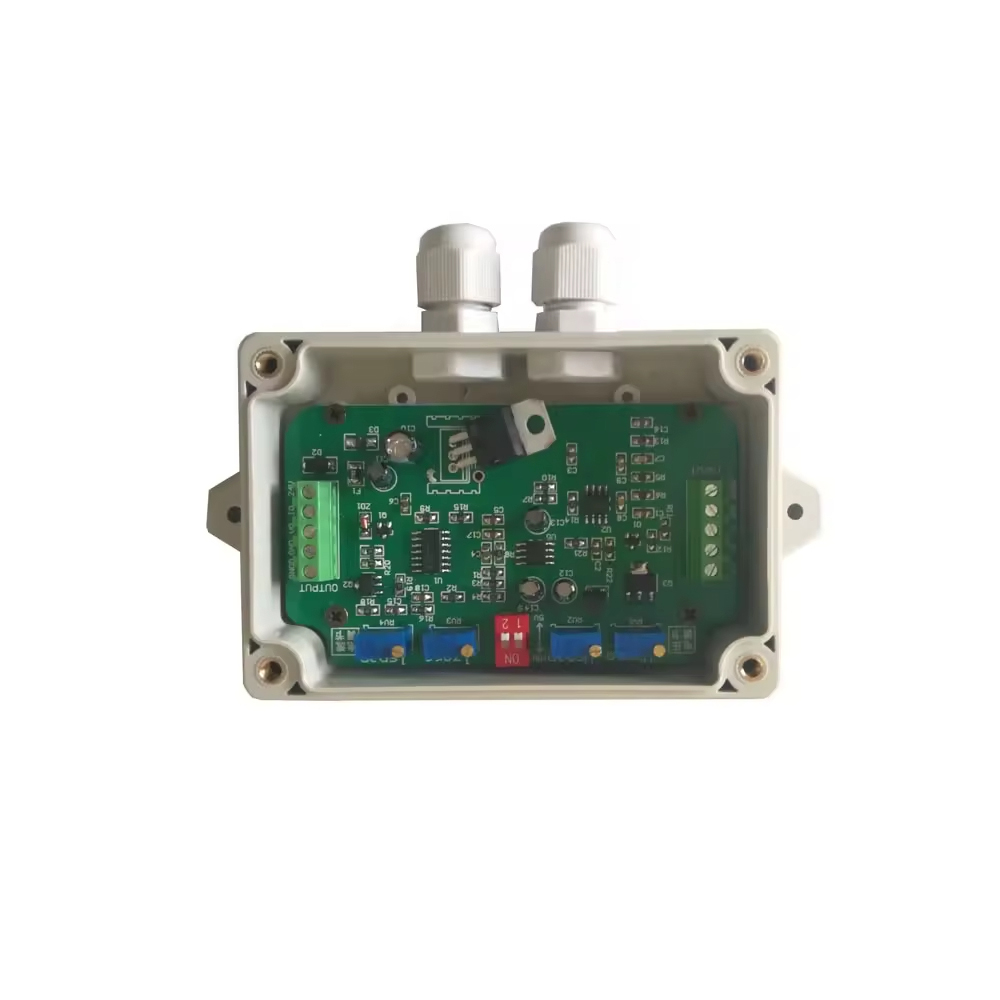
Load cell  amplifier modules are essential  components  in  the field of measurement  and automation, converting the  small electrical signals from load  cells into  readable outputs for various applications.  For B2B  buyers, particularly purchasing managers and engineers,  selecting the right load cell  amplifier  module is crucial,  as it impacts accuracy, reliability, and overall system performance. This  article will guide you  through the considerations in choosing the  right module,  the key specifications to  evaluate, cost factors, best practices for use,  and common issues along with their solutions. For a better understanding of load cell technology, you may also want to explore Load cell information.

What to Look For

What to Look For

When  evaluating load cell amplifier modules, several key specifications should be prioritized:

Gain Range: This determines the  extent to which the amplifier can  increase the signal. A higher  gain is beneficial for low-output load cells but can introduce noise,  so find a balance.

Input Impedance: High input impedance is critical for minimizing load on the load cell, which helps maintain measurement accuracy.

Supply Voltage:  Ensure the amplifier operates within the voltage  range  available in your system. This  will affect both performance and compatibility.

Output  Type: Choose between analog  and digital outputs based on your data  acquisition system.  Analog outputs are common for simpler  systems, while digital outputs provide more capabilities for complex applications.

Temperature  Coefficient: This specification indicates how the amplifier's performance  can vary  with temperature changes. A  lower coefficient  is desirable for applications in fluctuating environments.

Filtering Capabilities: Built-in filters can  help remove noise from the signal, which is vital for accurate readings in environments with electrical interference.

By confirming these specifications, buyers can ensure they select a module that meets their operational requirements and provides reliable performance.

Cost Factors to Consider When Purchasing Load Cell Amplifier Modules

Cost Factors to Consider When Purchasing Load Cell Amplifier Modules

The cost of load cell amplifier modules can  vary  significantly based on several factors. First, the complexity  of the module plays a considerable role; more sophisticated  modules with advanced features, such as digital signal processing or integrated diagnostics, typically  command  higher prices.

Material quality  also influences cost. Modules constructed from  durable materials designed to withstand harsh environments might be more expensive  but  can reduce long-term maintenance costs due to  increased  reliability. If you're interested in learning about different types of load cells, check out Tension load cell for more insight.

Another cost factor is the manufacturing process. Custom solutions designed for specific applications may involve higher initial costs due to  tailored specifications  and testing requirements.

Additionally, consider the total cost of ownership. While a cheaper module may have a  lower upfront cost, it could lead to higher  downtime or maintenance costs if it fails to perform optimally in your application.

Finally, think about volume discounts. If you plan to purchase in bulk, many suppliers, including JIANGXI JINGCE SENSING TECHNOLOGY CO.,  LTD., may  offer pricing incentives, which can substantially lower your overall  expenditure.

 
Best Practices

Best Practices

To maximize the performance and lifespan of load cell amplifier modules, implement the  following best practices:

Proper Installation: Ensure that  the module is installed according to the manufacturer's guidelines. Improper  installation can lead to measurement errors and potential damage.


Regular Calibration: Regular calibration of the load  cell and amplifier is crucial to maintain accuracy over time. Establish a  routine calibration schedule based on the intensity of use and environmental factors.

Environmental Protection: If the amplifier will  be used in harsh conditions, consider  additional protective measures, such as enclosures or conformal  coatings, to shield it from moisture, dust, and chemicals.


Signal Checking:  Monitor the output signal regularly for any inconsistencies. Sudden changes in  the output can indicate issues  with the load cell or amplifier that require immediate  attention.


Documentation and Training: Provide thorough documentation and training for personnel who will  be interacting with the load cell systems. Understanding the  system's operation and maintenance  can prevent user-induced errors.

By adhering to  these practices, organizations can enhance the reliability and  effectiveness of their load cell systems.

Common Problems with Load Cell Amplifier Modules and Their Solutions

Load cell amplifier modules  can face various  issues  that may impact performance. Some common problems  include:

Noise Interference: Electrical noise can distort the signals, leading to inaccurate readings. Implementing proper  grounding techniques and using shielded cables can mitigate this issue.

Drifting Outputs:  Over time, some amplifiers may experience  output drift, which can affect measurement accuracy. Regular calibration  and using high-quality components  can help minimize  this problem.

Thermal Effects: Temperature fluctuations can impact the performance of the amplifier. Selecting a module  with a  low temperature coefficient and ensuring proper thermal management can help maintain stable performance.

Power Supply Issues: Inconsistent power supply can lead to erratic performance. Ensure  that the  amplifier is supplied with a stable voltage and consider using voltage  regulation equipment if necessary.

Incompatibility with Load Cells: If the amplifier is not properly matched to the  load  cell specifications,  it can lead to performance issues. Always confirm compatibility by comparing specifications and consulting  with manufacturers if needed.

By proactively  addressing these common problems, buyers can ensure a smoother operational experience and extend the longevity of their load cell amplifier modules.

Choosing the Right Load Cell Amplifier Module for Your Needs

When selecting a load cell amplifier  module, it's vital to  consider the specific requirements of your application. The module's specifications, such as gain, bandwidth, and output  type, should align with your load  cell and the intended use. For instance, applications requiring high  precision, like industrial scales or medical devices, may necessitate amplifiers with low noise  and high stability. Additionally, compatibility with existing systems is essential. Ensure the  amplifier  can interface  seamlessly  with  your load cells and data acquisition systems. Understanding the environment in which the amplifier will operate—such as  temperature ranges, humidity, and potential exposure to chemicals—can also  dictate the choice of  materials  and design.

Lastly, consider the form factor and installation requirements. Some modules  may be designed for compact spaces while others are suited for more  robust environments. Assessing these factors early on will streamline  the selection process and  enhance overall  system performance.

Frequently Asked Questions

What is a load cell amplifier module used for?

It conditions and amplifies low-level signals from load cells or force sensors for accurate measurement, suitable for weighing, lifting, automation, and data acquisition systems.
Compatible with most strain gauge load cells and force sensors, including single-, half-, and full-bridge configurations; contact us for custom OEM/ODM integration.
Our products meet CE and RoHS standards; manufactured to high-precision quality controls for reliable performance in industrial applications.
Yes. We offer OEM/ODM customization for signal range, output type, filtering, and mechanical interfaces to match specific weighing or lifting systems.
We supply datasheets, wiring diagrams, calibration procedures, and technical support to assist installation, integration, and maintenance.

Get a Free Quote

Our representative will contact you soon.
0/1000

Related product categories