Choosing the Right Link Type Load Cells

application/link-type-load-cell, application/link-type-load-cell, 
Inquiry
Inquiry

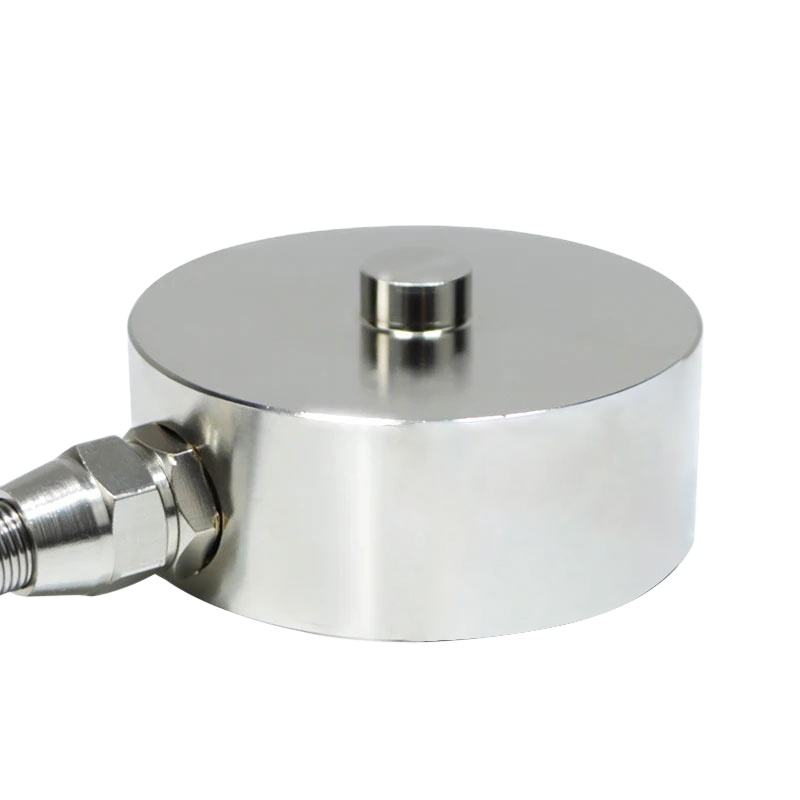
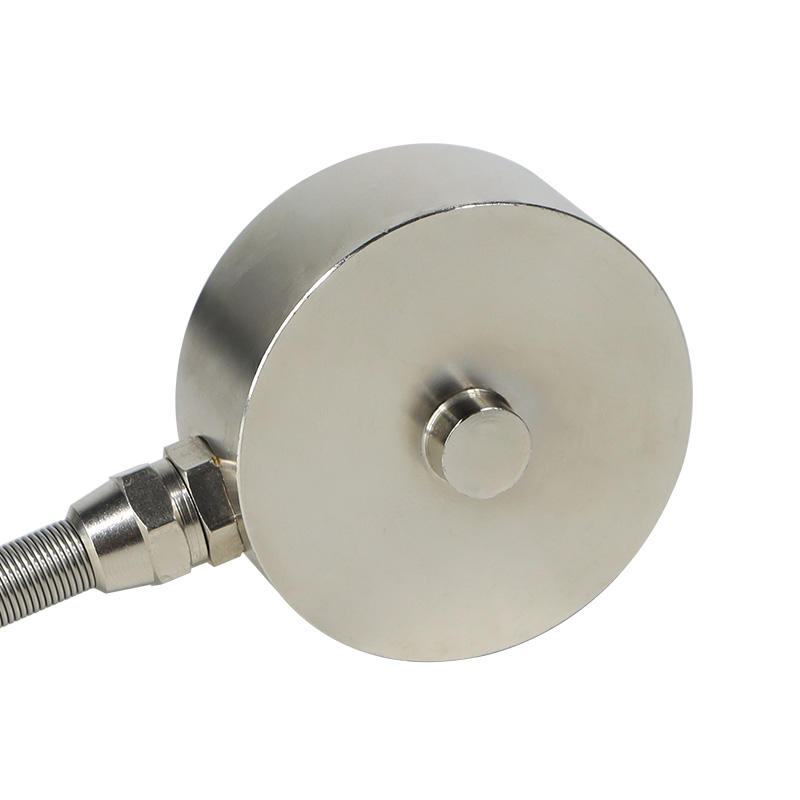
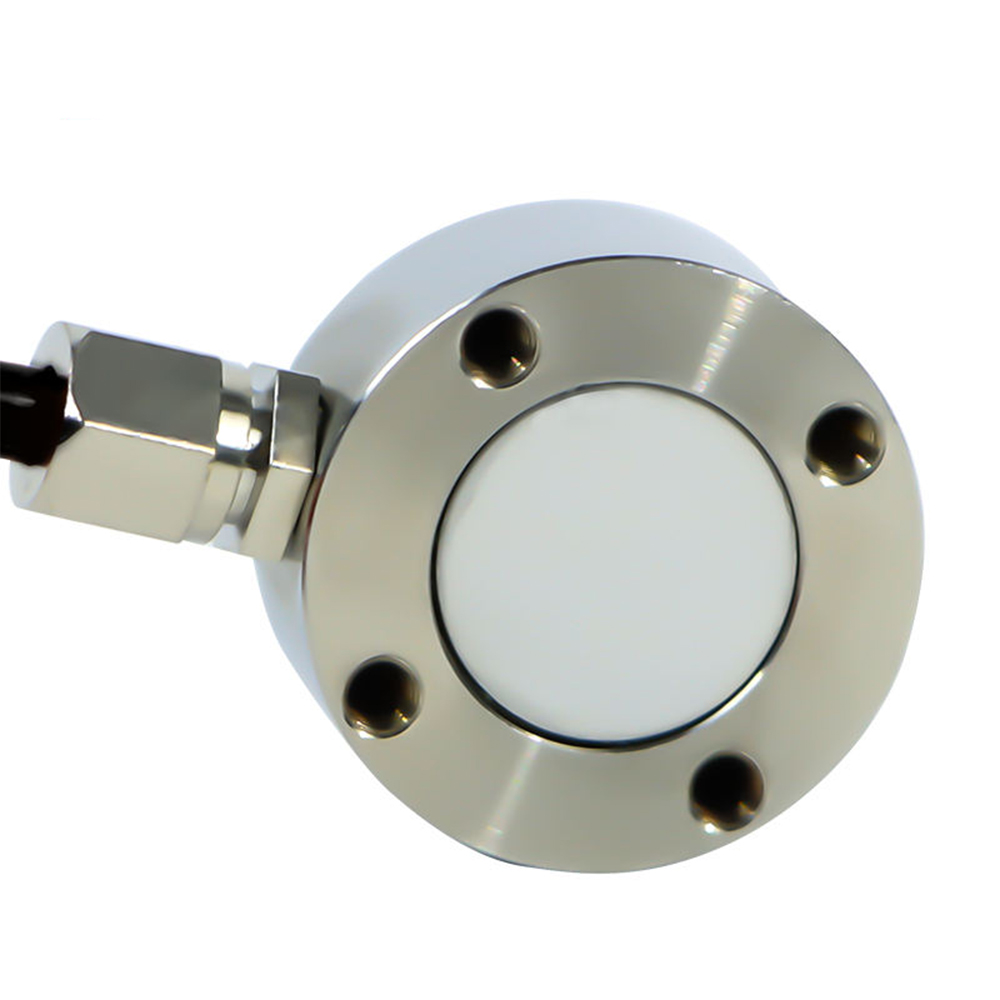
Link type load cell

When it comes to ensuring the accuracy and reliability of measurements in various applications, link type load cells play a crucial role. A link type load cell is specifically designed to provide precise measurements of force or weight, making it an essential component in many industrial and commercial settings. Purchasing managers, engineers, and product managers often have specific concerns regarding the selection, sourcing, and application of these devices. This article aims to address these concerns by providing valuable insights into choosing the right Load cell, sourcing high-quality options, understanding cost considerations for bulk orders, adhering to best practices, and troubleshooting common issues. 

Where to Source High-Quality Load Cells for Wholesale Purchasing

Where to Source High-Quality Load Cells for Wholesale Purchasing

When it comes to sourcing high-quality link type load cells for wholesale purchasing, it’s crucial to work with reputable manufacturers and suppliers who have a proven track record in the industry. JIANGXI JINGCE SENSING TECHNOLOGY CO., LTD., for instance, specializes in high-precision Linear sensor load cells and has established a solid reputation for its OEM/ODM solutions tailored to various industries. 

Buyers should prioritize suppliers that offer comprehensive product specifications and documentation, ensuring transparency in the manufacturing process. Consider visiting manufacturing facilities if possible, as this provides insight into the production capabilities, quality control measures, and materials used. 

Furthermore, establishing a strong relationship with your supplier can lead to better pricing, customized solutions, and more flexible terms. Engage in discussions regarding minimum order quantities (MOQ) and lead times, as these factors can significantly influence your load cells for wholesale purchasing strategy. 

Cost Considerations for Bulk Orders of Load Cells and Sensors

Cost Considerations for Bulk Orders of Load Cells and Sensors

Cost is a significant factor when purchasing load cells in bulk. While the initial purchase price is vital, it’s essential to consider the total cost of ownership, which includes shipping, customs duties, and potential installation costs. 

Bulk orders often provide significant discounts, so it’s beneficial to calculate the total cost per unit and compare it with the potential savings from ordering larger quantities. However, be cautious not to overstock on items that have specific technological advancements, as rapid developments in load cell technology can render older models obsolete. 

In addition to volume pricing, consider the long-term maintenance and operational costs associated with load cells. For instance, selecting high-quality load cells may have a higher upfront cost, but they often result in lower maintenance and replacement needs over time, ultimately offering better value. 

Best Practices for Contractors

Best Practices for Contractors

For contractors working with link type load cells, adhering to best practices can greatly enhance project outcomes. First, ensure proper calibration of load cells before installation. This process is crucial for achieving accurate measurements and involves following the manufacturer’s guidelines for calibration procedures. 

During installation, pay attention to the environmental conditions where the load cells will be used. Factors such as temperature, humidity, and exposure to chemicals can affect their performance. For instance, if a load cell will be used in a corrosive environment, opting for a stainless steel variant is advisable. 

Moreover, maintain open communication with the manufacturer regarding any customizations or modifications needed for your specific application. This can help avoid potential compatibility issues and ensure that the load cells operate optimally within your system. 

Finally, regular maintenance and periodic testing of load cells should be a standard procedure to detect any performance issues early. Implementing a routine inspection schedule can help ensure that the load cells continue to function accurately over their lifespan. 

Common Problems with Load Cells and Effective Solutions to Address Them

Despite their reliability, load cells can encounter issues that may affect performance. One common problems with load cells is inaccurate readings, which can result from improper installation or environmental factors. To mitigate this, always follow installation guidelines and ensure that the load cell is mounted correctly. 

Another frequent issue is drift, where the load cell's readings change over time without any change in load. This can often be resolved through recalibration. Regular calibration checks should be performed to ensure continued accuracy. 

Load cells can also be susceptible to damage from overload conditions. To prevent this, it’s crucial to select a load cell with an appropriate capacity and to incorporate protective measures, such as overload limiters, in your system design. 

Lastly, if you experience connectivity issues with digital load cells, check the wiring and communication protocols. Ensuring that all connections are secure and compatible with your system can often resolve these problems. 

By understanding the potential challenges associated with load cells and implementing proactive measures, buyers can enhance the performance and longevity of their investments.   

What to Consider When Choosing Load Cells for Your Projec

Selecting the right load cells for your application involves several critical factors. First, you should determine the load capacity required for your project. Load cells come in various capacities, so it's essential to choose one that can handle the maximum expected load without compromising accuracy. 

Next, consider the type of load cell that best fits your application. Link type load cells are ideal for applications requiring high precision in weight measurement, such as in automated weighing systems or material handling processes. They typically consist of a single point of measurement, allowing for accurate readings even under dynamic conditions. 

The material used in the construction of load cells is another important consideration. Common materials include aluminum and stainless steel, with each offering distinct advantages. For instance, stainless steel is more resistant to environmental factors, making it suitable for harsh industrial conditions. 

Additionally, ensure that the load cell you choose has the necessary certifications, such as CE or RoHS, which indicate compliance with safety and environmental standards. Finally, evaluate the integration capabilities of the Load cell indicator with your existing systems, including connectivity options and communication protocols. 

Frequently Asked Questions

What is a link type load cell?

A link type load cell is a tension/compression sensor shaped like a link or shackle, designed to measure force in lifting and rigging applications with high precision and compact form factor.
Common industries include lifting, weighing, automation, and new energy sectors that require precise force measurement and reliable safety monitoring.
Our link type load cells offer high-precision performance and come with CE and RoHS certifications to meet regulatory and quality standards.
Yes. We offer OEM and ODM customization for dimensions, ranges, connectors, and calibration to fit specific application requirements.
Models support robust environmental protection, easy rigging installation, and can be supplied with wireless or wired output options for versatile field use.

Get a Free Quote

Our representative will contact you soon.
0/1000