Key Considerations for Sourcing Torque Load Cells

application/torque-load-cell, application/torque-load-cell, 
Inquiry
Inquiry

torque load cell

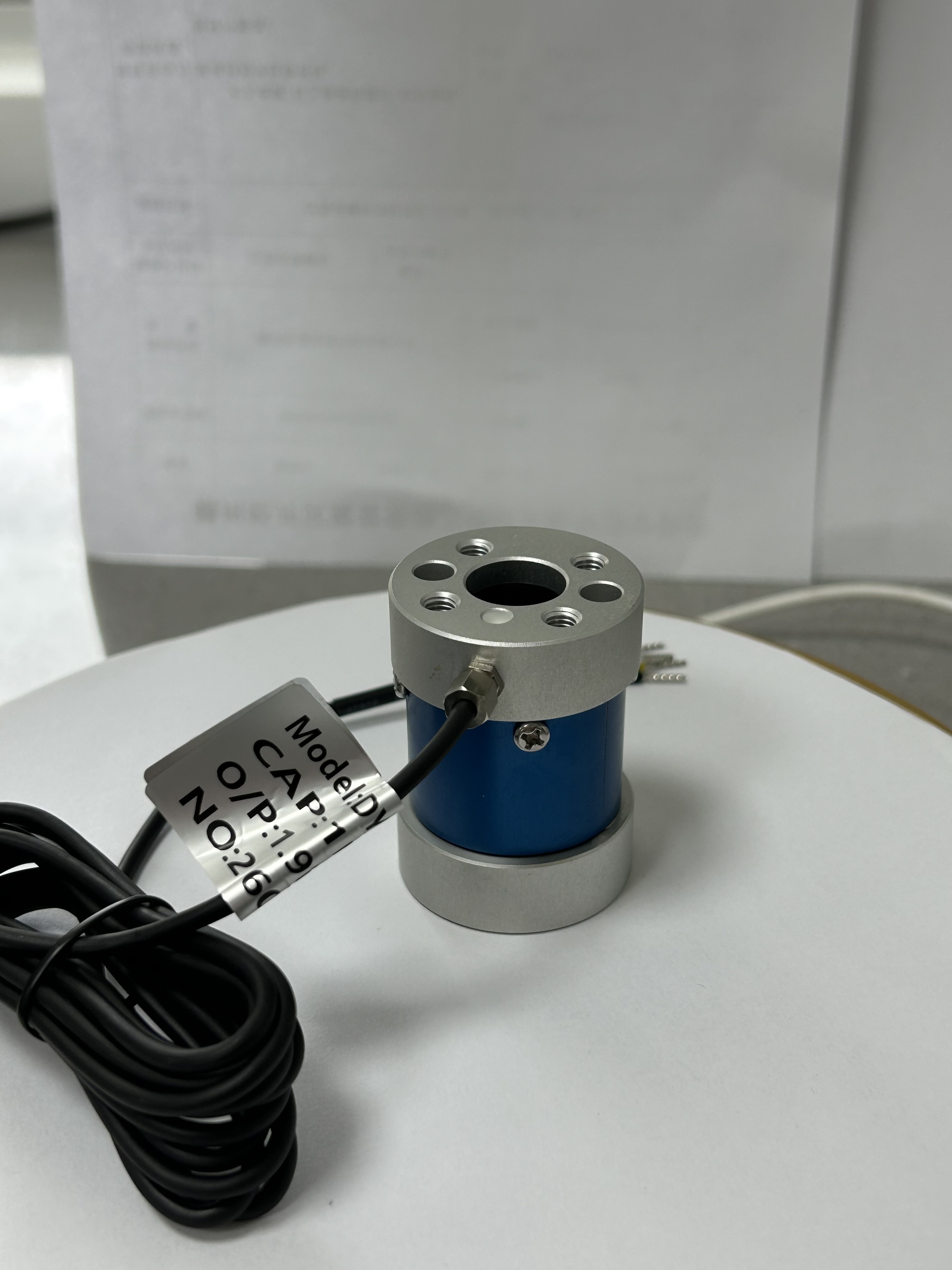
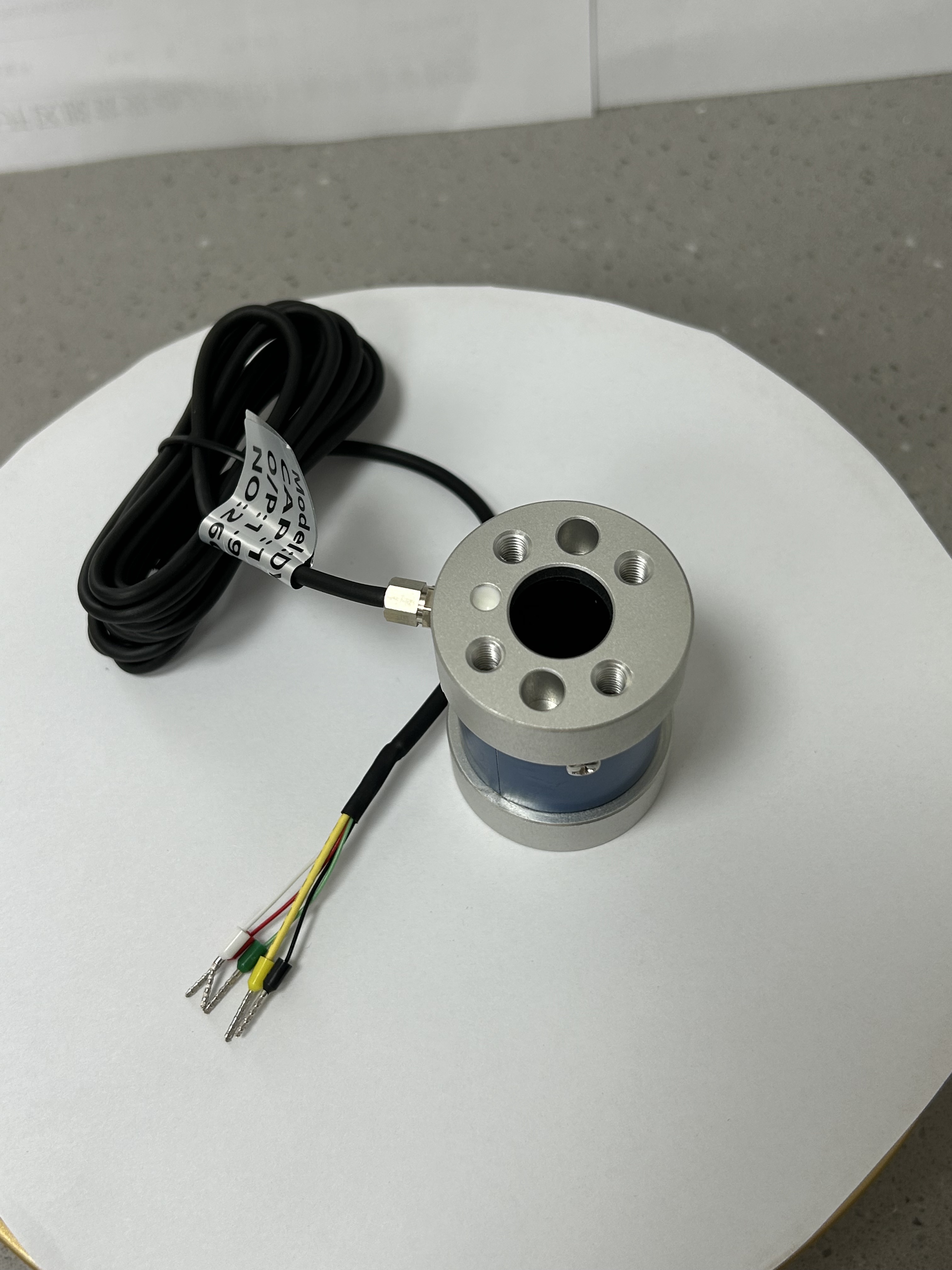
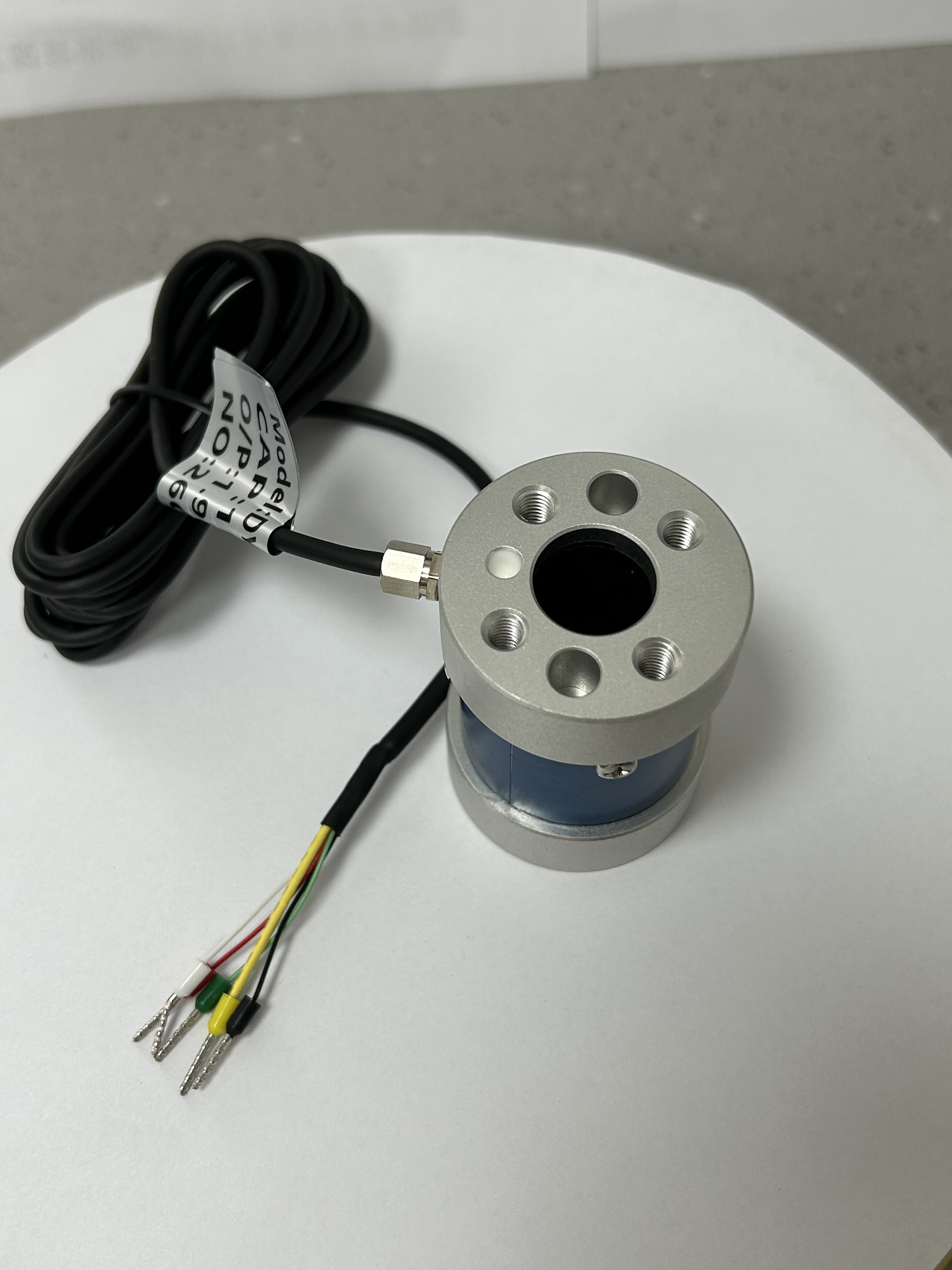
Torque load cells  are specialized sensors used to measure torque, which is  the rotational equivalent of linear  force.  In various  industrial applications,  ensuring accurate torque measurement is crucial for safety, efficiency, and overall operational  success. Buyers  often face  challenges like selecting the right specifications,  ensuring compatibility with existing systems, and evaluating  supplier reliability. This  article  aims to guide you through the key specifications  to consider when sourcing torque load cells, the process of finding  trusted manufacturers, installation  guidelines,  applications  in various industries, and  sourcing options for  high-quality products.

Finding Trusted Torque Load Cell Manufacturers

Finding Trusted Torque Load Cell Manufacturers

Identifying reliable manufacturers is crucial when sourcing torque load cells. Here are  practical steps to  ensure you select a trusted supplier:

Research  and Reviews: Start by researching potential manufacturers online. Look for reviews and testimonials from previous clients to gauge their reputation in the industry.

Certifications  and  Compliance: Verify that the manufacturer  holds relevant certifications, such as CE  or RoHS, which indicate compliance with international quality and safety standards. This is a good indicator of their commitment to quality production processes.

Experience and Expertise:  Evaluate the manufacturer’s experience in producing torque  load cells. Companies like JIANGXI JINGCE SENSING TECHNOLOGY CO.,  LTD. specialize in high-precision load cells and have a proven track record in the industry.

Customization Capabilities: Discuss your specific requirements with potential  suppliers.  A manufacturer that offers customization options can tailor products to meet your unique specifications, which can be crucial for  specialized applications. For example, you might need a Customizable PMC Sensor for a specific setup.

Post-Sale Support: Consider the level  of customer support provided after the sale. A reliable manufacturer should offer technical  assistance, warranty services, and a clear return policy to address any issues that may arise post-purchase.

By following these steps, you  can find a  manufacturer  that not only  meets  your product needs but also supports you throughout the purchasing process.

Installation Guidelines for Torque Load Cells in Industrial Settings

Installation Guidelines for Torque Load Cells in Industrial Settings

Proper installation of torque load cells  is essential for accurate measurement and long-term reliability. Here are guidelines to ensure a successful installation:

Alignment: Ensure  that the load cell is aligned correctly with the axis of  the torque being measured. Misalignment can lead  to erroneous readings and potential damage to the load cell.

Mounting Hardware: Use appropriate  mounting hardware as specified by the manufacturer. This includes  brackets and fasteners that can handle  the  load cell's weight and the torque forces it will  measure.

Environmental Considerations: Install the load cell in an environment that meets its operational specifications, particularly regarding moisture and temperature. Protect the load  cell from  direct exposure to elements that could cause damage.

Electrical Connections: Follow the manufacturer’s  guidelines for wiring  and electrical connections. Ensure that the connections are secure and properly  insulated to prevent signal interference.

Testing and Calibration:  After installation, conduct a thorough  testing and calibration process. Verify that the  load cell is functioning correctly and providing accurate readings across its measurement range.

Following these guidelines  helps to maximize the performance and lifespan of  the  torque load cell in industrial applications.

Exploring Diverse Applications for Torque Load Cells in Industry

Exploring Diverse Applications for Torque Load Cells in Industry

Torque load cells have a  wide range  of applications across various  industries. Here  are some notable examples:

Automotive Industry: In automotive manufacturing, torque load cells are used  to measure the torque applied to fasteners during assembly  processes. This ensures that components are secured to the correct specifications, enhancing safety and performance.

Aerospace: The aerospace sector relies on precise  torque measurements for critical components. Torque load cells help maintain  the integrity of  structures and systems, ensuring compliance with  stringent safety regulations.


Manufacturing and  Production: In  general manufacturing, torque load cells monitor the performance of machinery and  equipment. They can  detect anomalies in torque application, allowing for preventative maintenance before costly breakdowns occur.

Energy Sector: In renewable energy applications, such as wind turbines, torque load cells measure the torque applied during  assembly and operation. This  data is essential for optimizing performance and maximizing energy output.

Research and Development: In R&D environments,  torque load  cells are used for testing materials and components under various torque conditions. This data supports the development of new products and technologies.

Understanding these applications helps buyers recognize the importance  of selecting the right torque load cell for their specific industry needs.

Where to Source High-Quality Torque Load Cells for Your Projects

When sourcing high-quality  torque load cells, consider the following options:

Direct from Manufacturers: Purchasing directly from manufacturers like JIANGXI JINGCE SENSING TECHNOLOGY CO., LTD.  allows  you to access a wide range of  products and customization options.  This can ensure you receive the best product for your  specific application.


Distributors and Suppliers: Authorized distributors often carry a selection  of torque load cells from various manufacturers.  This can provide a convenient way  to compare different brands and specifications in one location.

Online Marketplaces: Reputable online marketplaces can be a source of torque load cells. However, it is crucial to verify the seller’s credentials and check for customer reviews  and product ratings.

Industry Trade Shows: Attending industry trade  shows can provide opportunities  to connect with manufacturers and suppliers, allowing you to see products firsthand  and discuss your requirements directly with industry experts.

Request for Quotations (RFQ):  When you have specific requirements, consider issuing an RFQ  to multiple suppliers. This can help you compare pricing, lead times, and available customization  options, enabling  you to make a more informed decision.

By exploring these sourcing options, buyers can find high-quality torque load cells that meet their  needs while ensuring a  reliable supply chain for their projects.

Key Specifications to Consider When Sourcing Torque Load Cells

When sourcing torque load cells, several key specifications must be taken into account  to  ensure optimal performance for your specific application:

Measurement Range: The torque load cell should have an appropriate  measurement range that aligns with the expected torque  levels in your  application. Selecting a load cell with too narrow a range can lead to inaccurate readings, while one with too wide a range may not provide the precision needed for your tasks.

Accuracy  and Precision: Look at the specifications for  accuracy, often expressed as a percentage of full scale. Higher accuracy ratings indicate better performance in providing reliable measurements, which is vital for applications  where precision is critical.

Material Construction: The material used in the load cell  impacts its durability and resistance to environmental factors. Common materials include  aluminum for lightweight applications and stainless steel for enhanced robustness  and corrosion resistance.

Environmental Ratings: Ensure that the torque load cell has  the appropriate environmental ratings,  such as  IP (Ingress Protection) ratings,  to withstand conditions like moisture, dust, and temperature fluctuations. This is particularly important in industrial settings where equipment may be exposed to harsh conditions.

Signal Output:  Consider the type of signal output  required  (e.g., analog, digital, or wireless). The choice of output can influence the ease of integration  with existing monitoring systems and data analysis tools. For instance, using a Mv Signal Amplifier can enhance the signal quality for better data processing.

By carefully evaluating these specifications, you can make informed decisions  that align with your operational requirements.

Frequently Asked Questions

What is a torque load cell used for?

A torque load cell measures rotational force (torque) in applications like motors, gearboxes, test benches, and assembly lines to monitor performance and ensure safety.
Our torque load cells provide high-precision measurements and come with CE and RoHS certifications. OEM/ODM calibration and documentation are available upon request.
We offer analog (mV/V), digital (RS485, CAN), and wireless outputs. Custom signal conditioning and interfaces can be provided for integration with control systems.
Yes. We provide OEM/ODM customization for lifting, weighing, automation, and new energy sectors, including tailored ranges, mounting, and connectors.
We offer technical support for selection, installation, and calibration. Standard warranty terms apply; extended service options are available. Contact us for specifics.

Get a Free Quote

Our representative will contact you soon.
0/1000