Evaluating Torque Transducers for B2B Buyers

application/torque-transducer, application/torque-transducer, 
Inquiry
Inquiry

torque transducer

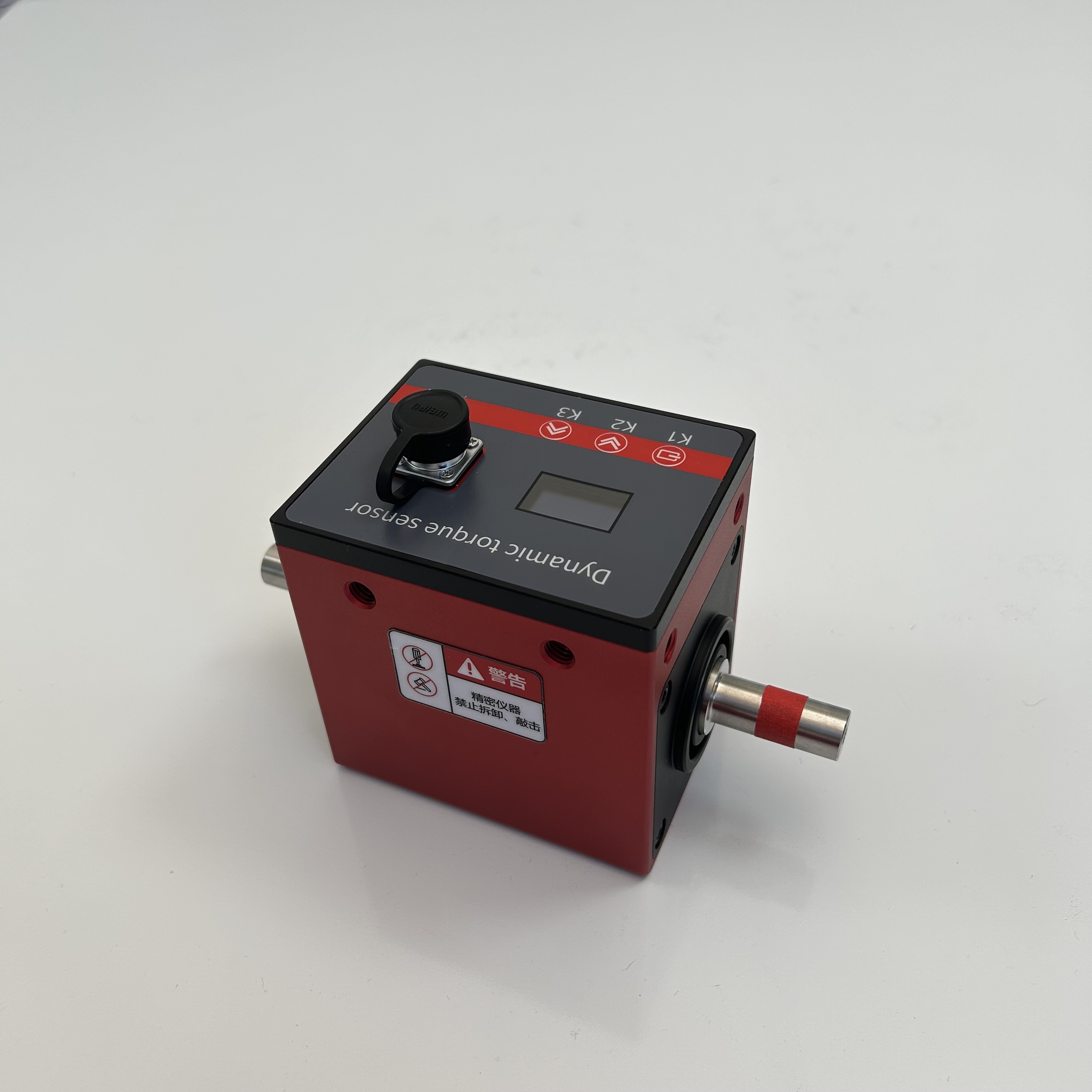
Torque transducers are critical devices used to measure  the torque applied to an object, providing essential data for various applications in industries  such as  manufacturing, automotive, and aerospace. For B2B buyers,  understanding  the quality,  sourcing  options, and common issues associated with  torque transducers is  vital for making informed purchasing decisions. This article aims to  equip  purchasing managers, engineers,  and product  managers with  the  insights necessary to evaluate, source,  and  install  torque transducers  effectively.

 
Where to Source Reliable Torque Transducers in Bulk Orders

Where to Source Reliable Torque Transducers in Bulk Orders

Sourcing  torque  transducers in bulk requires a strategic approach  to  ensure reliability  and quality. Start by identifying manufacturers with a proven track record in the  industry. Companies  that specialize in precision measurement devices, like JIANGXI JINGCE SENSING TECHNOLOGY CO.,  LTD., often have the necessary experience and certifications.

When evaluating potential suppliers, request detailed product catalogs  and specifications to compare options.  It's crucial to inquire about their  manufacturing capabilities, including production equipment and quality control processes.  A manufacturer that employs rigorous quality assurance measures will significantly reduce the  risks associated with bulk purchases.

Additionally, consider the supplier's ability to provide customization options. Depending on your specific requirements, you may need torque transducers with tailored specifications such as different measurement  ranges or output signal types. Discussing these needs upfront can  help ensure that the supplier can meet your expectations without delays.

Lastly,  pay attention to the terms of the bulk order, including  minimum order  quantities (MOQ), lead times,  and shipping costs. Establishing clear communication regarding these factors will help prevent misunderstandings during  the procurement process.

Common Problems with Torque Transducers and Their Solutions

Common Problems with Torque Transducers and Their Solutions

Torque  transducers, while highly reliable, can encounter several common issues  that may affect their performance.  One frequent problem  is drift,  where the output signal changes over time without any actual change  in torque.  This  can result  from temperature fluctuations or electrical interference. To mitigate this, buyers should ensure that the transducer  is calibrated regularly and installed in a stable  environment.

Another issue is mechanical overload, which occurs when the applied torque  exceeds the transducer’s rated capacity. This can lead to permanent damage. To prevent this, buyers must carefully analyze their application requirements  and select a  transducer with an appropriate torque  range, including a  safety factor.

Signal degradation is another concern, especially in applications where the transducer is exposed to harsh environmental conditions. Using proper shielding and ensuring connections are secure can help maintain signal integrity. Buyers should also consider the use of Wireless load cell in applications where cable connections  could compromise  the measurement process.

Lastly, incorrect installation can lead to inaccurate readings.  Buyers should refer to the manufacturer's installation guidelines and, if  possible, consult with an expert during setup to avoid common pitfalls.

Installation Guidance for Torque Transducers in Various Applications

Installation Guidance for Torque Transducers in Various Applications

Proper installation is crucial to ensure accurate torque measurements from  transducers. When  installing a torque transducer, the first step is to ensure that it is aligned correctly with the applied load. Misalignment can lead to erroneous readings and potential damage to the  transducer.

For applications involving  rotating  machinery,  it  is  essential to use appropriate  mounting techniques that prevent axial  or radial loads from affecting the transducer. Flexible couplings or rigid mounts can be used, depending on the  specific application and the type of transducer.

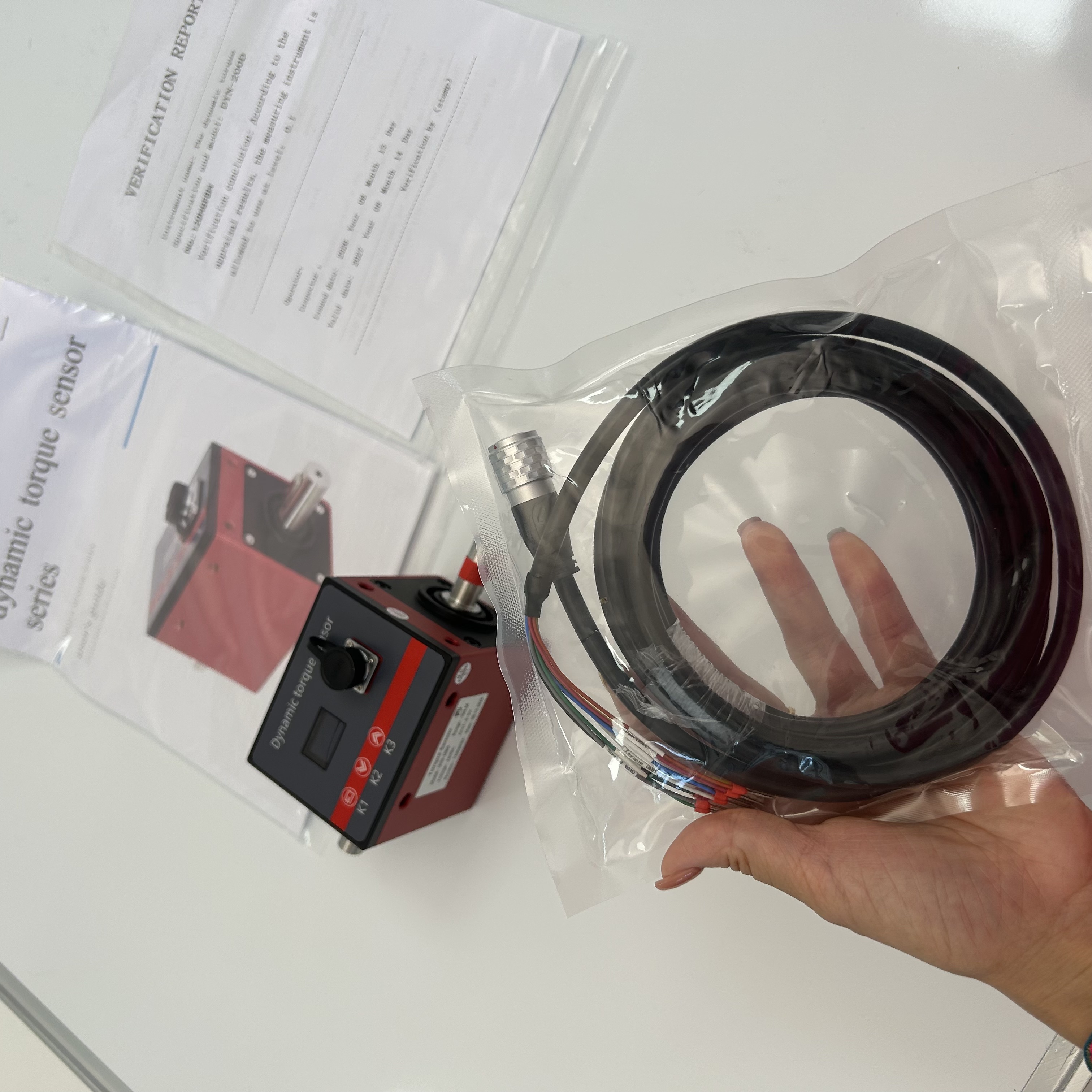
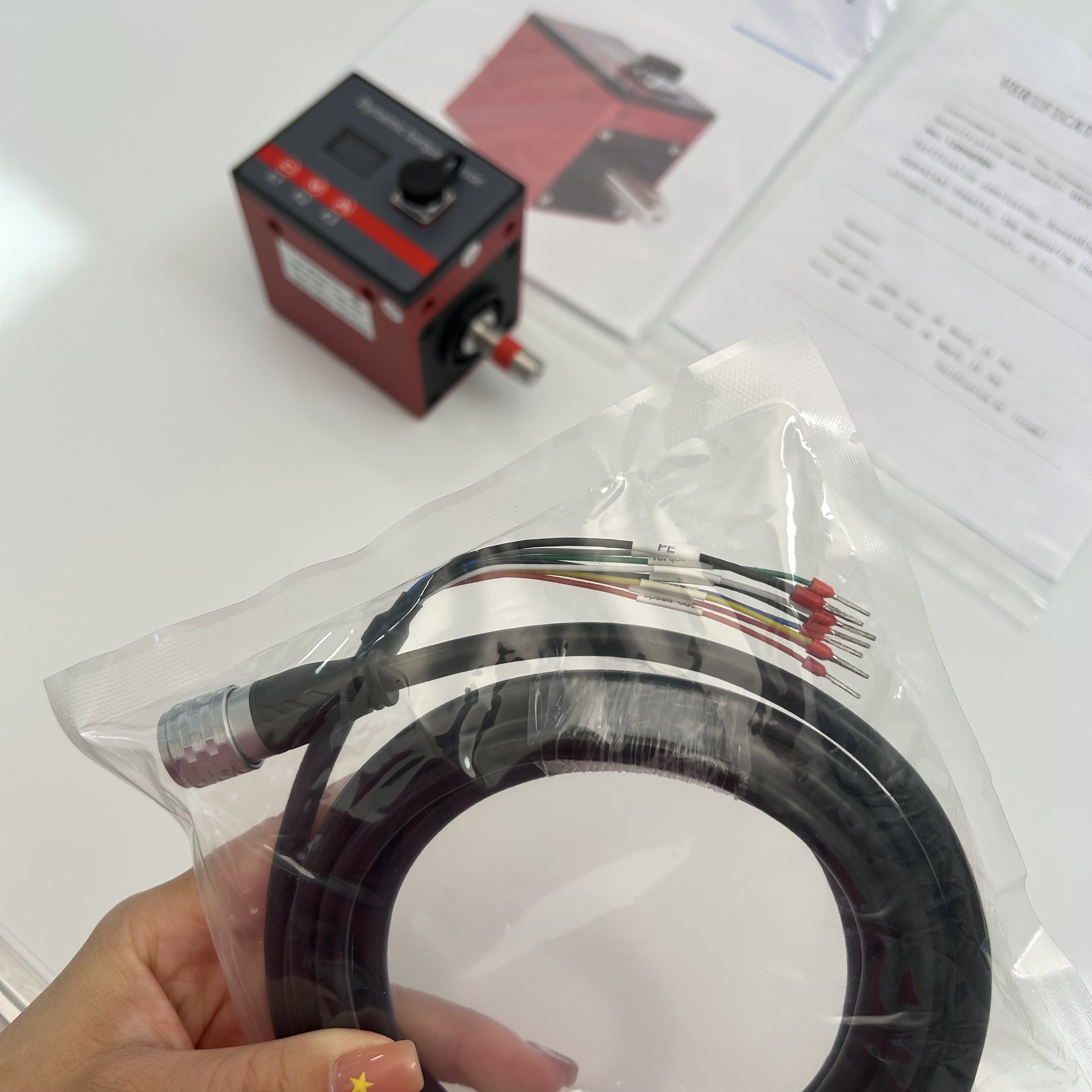
In addition, it is vital to secure electrical  connections correctly. Loose  or faulty connections can lead to noise interference,  distorting the output signal. Use high-quality cables and connectors  designed for  the  specific torque transducer and ensure they are rated for the intended  operating environment.

Finally, if using the torque transducer in a dynamic application,  such as testing rotating  components, ensure that it is adequately shielded from external electromagnetic interference. This shielding is crucial for maintaining signal integrity  during operation.

Tips and Insights

When purchasing torque transducers,  keeping a few  practical tips  in mind can help  streamline the process. First, always request samples before  committing to  a bulk order. Testing samples under actual operating conditions can reveal potential issues that  may not be apparent from specifications alone.

Secondly, engage in open dialogue with your supplier about your application requirements. A knowledgeable supplier, like JIANGXI JINGCE SENSING TECHNOLOGY CO., LTD., can provide valuable insights  into which product variations will best  suit your needs.

Lastly, don’t  overlook the importance  of after-sales support. Reliable manufacturers  should  offer technical assistance and warranty services.  Understanding their support structure can provide peace of mind and ensure  continued performance of the torque transducers  in  your operations.

By considering these factors, buyers can make  informed decisions  that enhance their operational efficiency and reliability when  using torque transducers.

How to Evaluate the Quality of Torque Transducers for Purchase

When assessing the  quality of  torque transducers, several  key specifications should be considered. First, accuracy is paramount. A torque transducer should provide precise measurements within a specified range. Typical accuracy ratings are expressed as a percentage of full scale and can significantly impact operational  efficiency. Buyers should request calibration certificates to verify  these claims.

Another critical specification is the transducer's  sensitivity, which indicates how much the  output signal changes  in response to changes in torque. A higher  sensitivity means more precise readings,  making it more suitable for applications requiring fine measurements. Additionally, it is important to choose the right type of Encoder for your system to achieve accurate results.


Additionally, the material used in the construction of the torque transducer can influence its  durability and suitability for specific environments. Common  materials include stainless steel  and aluminum, each offering different  benefits in terms of corrosion resistance and weight.  Buyers should also ensure that the transducer can withstand the specific environmental conditions of their application, such  as temperature fluctuations or  exposure to chemicals.

Finally, consider the certification and compliance standards that the torque transducer  meets. For example, CE and RoHS certifications ensure that the product adheres  to safety and environmental regulations, making them more reliable choices for industrial applications.

Frequently Asked Questions

What is a torque transducer?

A torque transducer measures rotational force (torque) applied to a shaft, converting mechanical torque into an electrical signal for monitoring, testing, and control in industrial applications.
Our torque transducers serve lifting, weighing, automation, and new energy sectors, providing precise torque measurement for testing, quality control, and system monitoring.
We provide high-precision torque transducers with CE and RoHS compliance; accuracy specifications vary by model—contact us for model-specific datasheets and calibration options.
Yes. We offer OEM/ODM customization for mechanical interfaces, output signals, ranges, and integration to meet specific application requirements globally.
Installation depends on model: options include shaft-coupled or bolt-on mounting. Electrical outputs commonly include analog or digital signals; we supply installation guides and technical support.

Get a Free Quote

Our representative will contact you soon.
0/1000