Key Specifications for Tension Link Load Cells

application/tension-link-load-cell, application/tension-link-load-cell, 
Inquiry
Inquiry

tension link load cell

Tension link load  cells  are  critical components  used  to measure the force exerted on  a  structure or  object.  These  devices are especially valuable in applications  involving  lifting, weighing, and automation across various industries. B2B buyers typically prioritize accuracy, reliability,  and compatibility when sourcing load cells, as these factors directly impact operational efficiency and safety. This article will provide insights into key  specifications, purchasing tips, and sourcing  strategies  to help you make an  informed decision  when  considering tension link  load cells.

Wholesale Purchasing Tips for Tension Link Load Cells

Wholesale Purchasing Tips for Tension Link Load Cells

Purchasing tension link load cells in bulk requires careful  planning and consideration. Here are some tips to help you navigate the wholesale purchasing process effectively:

Define Your Requirements: Before reaching  out to  suppliers,  clearly define your needs, including load capacity, environmental conditions, and any specific certifications  required. This will help you communicate effectively with potential suppliers and streamline the selection process.

Request Samples: Always request samples before placing a large  order. Testing samples in real-world conditions allows you to evaluate performance, accuracy, and compatibility with your equipment.

Evaluate Suppliers: Look for suppliers with a solid reputation in the  industry.  Check for customer reviews, industry certifications, and experience in  manufacturing tension link  load cells. A  supplier with a strong quality control process is likely to provide more reliable products.

Compare  Pricing and MOQs: Understand the pricing structures of different suppliers, including minimum order quantities (MOQs). While it might be tempting to go for the lowest price, consider the overall value, including product quality and supplier support.

Negotiate Terms:  Don’t hesitate to negotiate pricing, payment terms, and delivery schedules. Establishing  a good relationship  with your supplier can lead to better  terms and support.

Plan for Lead Times: Be aware of the lead times for production and delivery, especially if you require custom specifications. Planning ahead can help mitigate delays in your operations.

By following these tips, you can enhance  your wholesale purchasing strategy for  tension link  load cells, ensuring that you get the best  products for your needs.

Where to Find Reliable Suppliers for Load Cells

Where to Find Reliable Suppliers for Load Cells

Finding reliable suppliers  for tension link load cells requires diligence and research. Here are some effective strategies:


Industry Trade Shows and  Expos: Attending industry-specific trade shows allows you to meet manufacturers and suppliers face-to-face.  You can see their products firsthand, ask questions, and establish relationships.

Online Marketplaces: Platforms such as Alibaba or ThomasNet can be excellent resources for finding suppliers. Look for manufacturers with verified credentials and positive  feedback  from past  customers.

Industry  Associations: Joining industry associations or organizations related to manufacturing and automation can provide networking opportunities  and recommendations  for reputable suppliers.

Referrals and Recommendations: Reach out to peers in your industry for recommendations. Personal experiences can  guide you toward trustworthy suppliers.

Supplier Directories: Utilize supplier  directories that specialize  in industrial products. These directories often provide detailed information about manufacturers, including their  capabilities and product offerings.

Certifications and Standards: Verify that potential suppliers hold relevant certifications, which  can indicate quality and reliability. This includes checking for  ISO certifications or compliance with  safety standards.

By employing these strategies, you can  identify and connect with suppliers that  meet your requirements  for tension link load cells.

Understanding the Cost Factors of Tension Link Load Cells

Understanding the Cost Factors of Tension Link Load Cells

The cost of tension link load cells can vary significantly based on  several factors.  Understanding these factors can help you budget appropriately for your  purchase:

Material Costs: The choice of materials directly impacts the cost. High-strength materials like stainless steel can increase the price but may offer better durability  and reliability in challenging environments.

Manufacturing Processes:  Different manufacturing techniques, such as machining, assembly, and quality assurance testing, can affect production costs. More complex designs or custom specifications typically require more extensive processes, increasing the price.

Technology  and Features: Load cells equipped with  advanced technology, such as wireless communication or  enhanced sensitivity, may have higher costs  due to the added features  and  functionalities. Consider looking into a Cost-effective Load Cell Amplifier to meet advanced operational needs.

Order Volume:  Bulk orders can  often lead to discounts, as suppliers may offer lower prices for larger quantities. Conversely, smaller orders may incur higher per-unit costs.

Lead Times and Customization:  Custom tension link load cells  that require specific dimensions or features may come with higher costs and extended lead times. Planning well in  advance can minimize rush fees and unexpected costs.

Supplier Location:  The geographical location of the supplier can also affect pricing due to shipping costs, tariffs, and local labor costs. Consider sourcing from suppliers that optimize shipping efficiency to keep costs  down.

Understanding  these cost factors  will help you make more informed purchasing decisions and manage your budget effectively.

What You Need to Know

When considering tension link load cells,  it's essential to arm yourself with the right knowledge  to ensure a successful purchase. Here  are critical points to  remember:

Application Suitability: Assess whether the load  cell is suitable for your specific application. Factors like load capacity,  environmental conditions, and mounting  configuration should align with your  operational needs.

Quality Control  Measures:  Inquire about the supplier's quality control processes. Reliable manufacturers will  have stringent testing procedures in place to ensure each load cell meets performance standards before  shipment.

Installation and Maintenance: Understand the installation requirements and any maintenance needed to ensure optimal performance. Proper installation is crucial; even minor discrepancies can affect accuracy and reliability.

Technical Support: Ensure that the supplier provides adequate technical  support, including documentation and customer service. This support  can be  invaluable for troubleshooting and installation assistance.

Long-Term Partnership: Consider potential suppliers not just for  a one-time order but  as long-term partners. Building a relationship with a reliable supplier can lead to better pricing, support, and product consistency in the future.

By keeping these points in mind, you can  enhance your  purchasing strategy  for tension link load cells, ensuring that you select the right product for your operational needs.

Key Specifications to Consider When Sourcing Load Cells

When sourcing tension link load cells, several key  specifications should be taken into  account to ensure optimal performance for your application:

Load Capacity: This is the maximum load that the load cell can  measure. It's essential to select a load cell with  a  capacity that exceeds  your application's maximum expected load  to avoid damage.

Accuracy and Sensitivity: Accuracy  is typically expressed as a percentage of full scale and indicates how close the measurement  is to the actual value. Sensitivity, often measured in mV/V, shows how much output signal is produced per unit of load. Higher sensitivity means  better performance in intricate applications.

Material and Environmental Considerations: Load cells are often made  from high-strength materials  like stainless steel or aluminum,  which can affect durability and weight. Additionally, environmental factors such as  temperature, humidity, and potential chemical exposure should be considered, as these can impact the load cell's performance. For more robust applications, consider using a High Performance 100Nm Static Torque Sensor Load Cell.

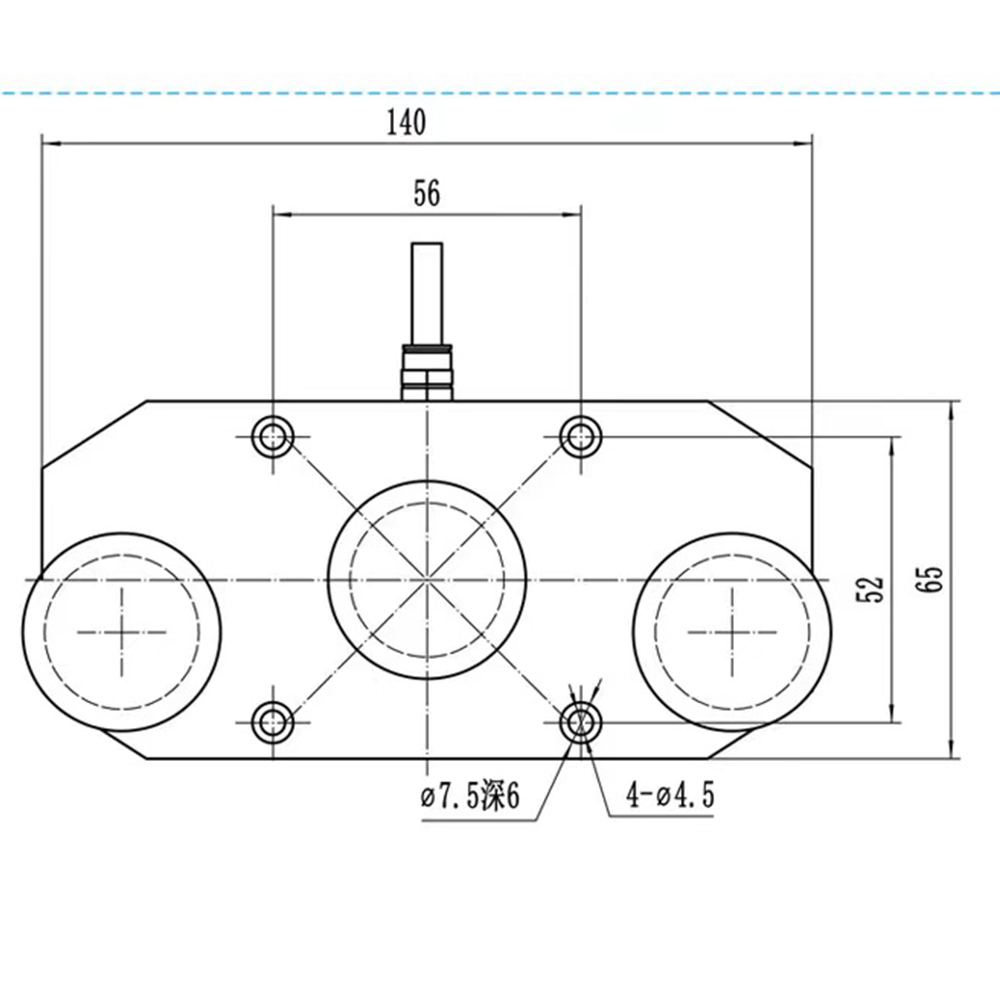
Dimensions and Mounting Options: The physical dimensions of the load cell and its mounting options must align with  your equipment to  ensure compatibility. For instance, a load cell designed for a specific mounting configuration may not function correctly if improperly installed.

Electrical Specifications: Understanding the electrical requirements, including power supply and output signal type (analog or digital),  is crucial for integration into  your existing systems.

Certifications: Ensure that the load cells meet relevant industry  standards and certifications, such as CE or  RoHS, which indicate compliance with safety and environmental regulations.

By focusing on these specifications, you can better evaluate the suitability of a tension link load cell for your specific application.

Frequently Asked Questions

What is a tension link load cell used for?

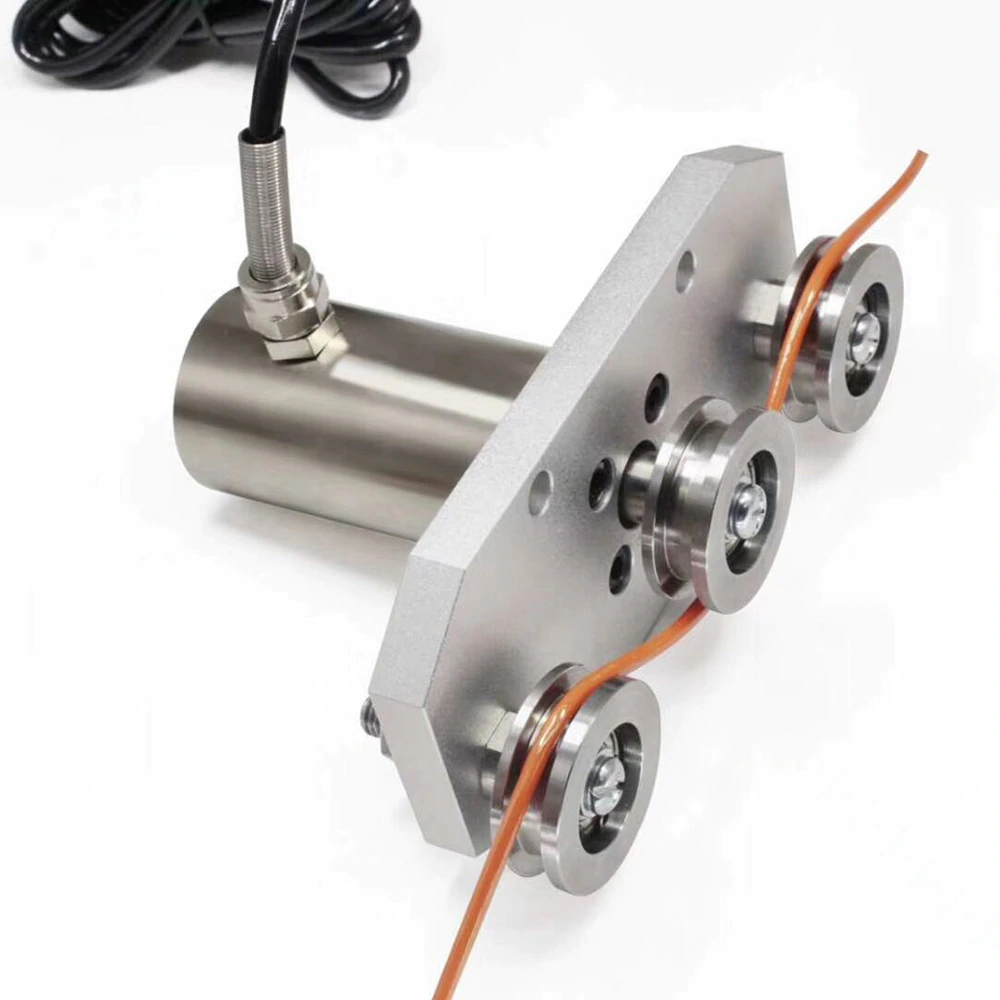
A tension link load cell measures tensile force in lifting, weighing, and monitoring applications, ideal for cranes, hoists, and test rigs requiring high-precision load feedback.
Our tension link load cells provide high-precision accuracy and carry CE and RoHS certifications to meet safety and environmental standards.
Yes. We offer OEM/ODM customization for capacity, mounting, connectors, and calibration to fit lifting, automation, and new energy applications.
Capacities span from low to high tonnage to suit various industries. Specific ranges and models can be provided based on application requirements.
We supply calibration certificates, technical datasheets, installation guides, and responsive technical support to ensure correct integration and performance.

Get a Free Quote

Our representative will contact you soon.
0/1000