Top Load Cell Manufacturers for Your Business Needs

application/best-load-cell-manufacturers, application/best-load-cell-manufacturers, 
Inquiry
Inquiry

best load cell manufacturers

Load  cells are  critical  components in various industries,  measuring force or weight with  high precision. As businesses increasingly rely on accurate data for  operational  efficiency, selecting  the best load  cell manufacturers  becomes essential for ensuring quality and  reliability. This article  will  help B2B buyers, including  purchasing  managers and  engineers, understand key  factors  to consider  when sourcing load cells, addressing specifications, common issues, and  applications across industries.

Key Specifications to Consider When Sourcing Load Cells

Key Specifications to Consider When Sourcing Load Cells

Several  technical specifications are  critical  when sourcing  load cells.  These  include:

Load Capacity: This refers to the maximum force or  weight the load cell can accurately  measure.  Buyers should ensure that the load capacity aligns with their application needs.

Accuracy and Precision: Accuracy is often expressed as a percentage of the full-scale output. High accuracy is essential for  applications where precise measurements impact operational  decisions.

Material and Environmental Resistance: Depending on the application, materials used in load cell construction can vary. For instance, stainless steel may be necessary for corrosive  environments, while aluminum might be sufficient for less demanding applications.

Output Signal Type: Load cells can provide different types of output signals, such as  analog (voltage or current) or  digital signals. Buyers should choose according to the compatibility with their existing  systems.

Temperature  and Pressure Ranges: It's important to confirm that the load cell can operate efficiently within the expected temperature and pressure ranges of the application to avoid performance degradation.

Understanding these  specifications will help buyers select a load  cell that best suits their operational needs and ensures reliability.

What Buyers Should Know

What Buyers Should Know

Before purchasing load cells, buyers should gather  comprehensive information  to facilitate an  accurate RFQ  (Request for Quotation). Key information includes:

Application Details: Specify the intended use of  the  load cell, including  any unique environmental  conditions.  Required Specifications: Clearly outline the load capacity, accuracy, and  output  signal type required for your application. Customization Needs: If standard models do not meet your requirements, discuss customization  options with the manufacturer. Quantity and Lead Time: Determine the quantity needed and any urgency in delivery  timelines to ensure the manufacturer can meet  your expectations. Budget Constraints: Be prepared to discuss  budget  considerations, as this can influence material  choices and  customization options.

Additionally, buyers should verify the manufacturer’s ability to provide support and service post-purchase,  as this can be crucial for long-term operational  success.

Common Installation Issues with Load Cells and Their Solutions

Common Installation Issues with Load Cells and Their Solutions

Installing load cells can present several challenges. Common  issues include improper alignment, environmental factors, and electrical connections. Here  are  some solutions to these problems:

Improper Alignment: Misalignment during installation can lead to  inaccurate measurements. It is vital to ensure that the load  cell is correctly  aligned with the load it will measure.  Using alignment tools  and fixtures can help achieve  precise positioning.

Environmental Influences: Factors such  as temperature fluctuations, moisture, or  vibration can affect  load cell performance. Buyers  should consider using  protective enclosures or selecting load cells with environmental ratings suitable  for their application.

Electrical Connections: Faulty connections can result in signal interference or loss  of accuracy. Ensure that  all connections are secure and  consider using shielded  cables to minimize electromagnetic interference.

By addressing these common installation issues, buyers can enhance the performance and reliability  of their load cell systems.

Applications of Load Cells Across Different Industries

Load cells  find  applications in various sectors, including:

Manufacturing  and Automation: Load cells are integral to conveyor systems, ensuring  accurate  weight measurements for quality control  and production efficiency.

Medical Equipment:  In healthcare, load cells are used in weighing scales and patient monitoring systems to ensure accurate data collection for patient care.

Aerospace and Defense: These industries utilize load cells in testing and measurement applications,  where precision is critical for safety and compliance.

Construction: Load cells  help in monitoring the  weight of  materials during transport and in construction equipment, improving safety and project management.


Agriculture: Load cells  are used in weighing systems for livestock and crop yields, aiding in precise resource management. Moreover, Hanging Scale solutions can also be beneficial in agricultural applications.


Understanding the  diverse applications of load cells can help buyers identify solutions tailored to their specific industry needs, enhancing operational  efficiency and reliability.

Selecting  the best load cell manufacturers involves careful consideration of specifications,  potential installation issues, and application suitability. By focusing on these factors, B2B buyers  can make informed decisions  that lead to successful outcomes in their operational processes.

What to Look for in Quality Load Cell Manufacturers

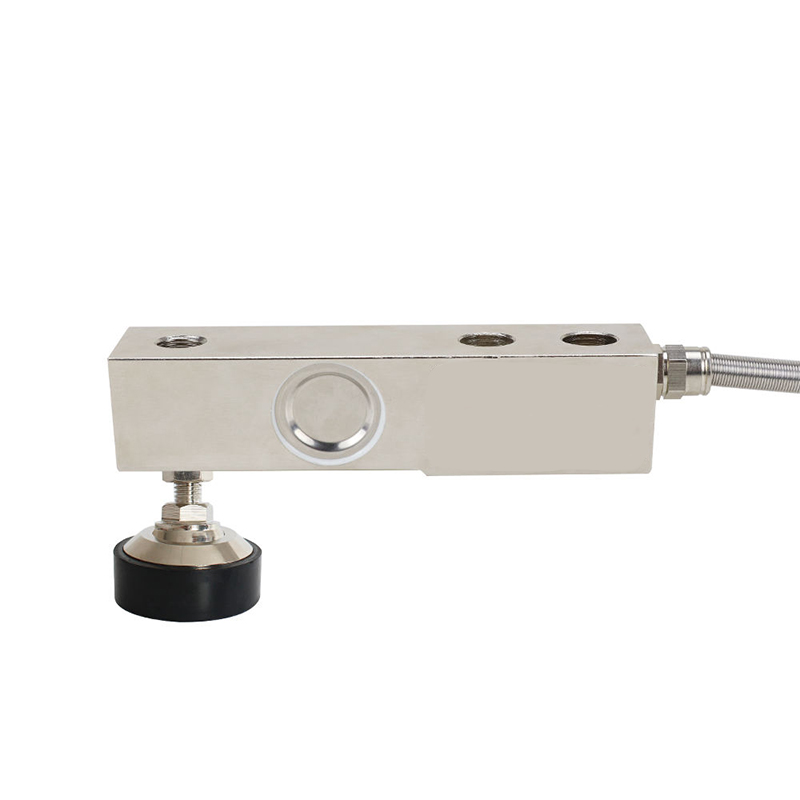
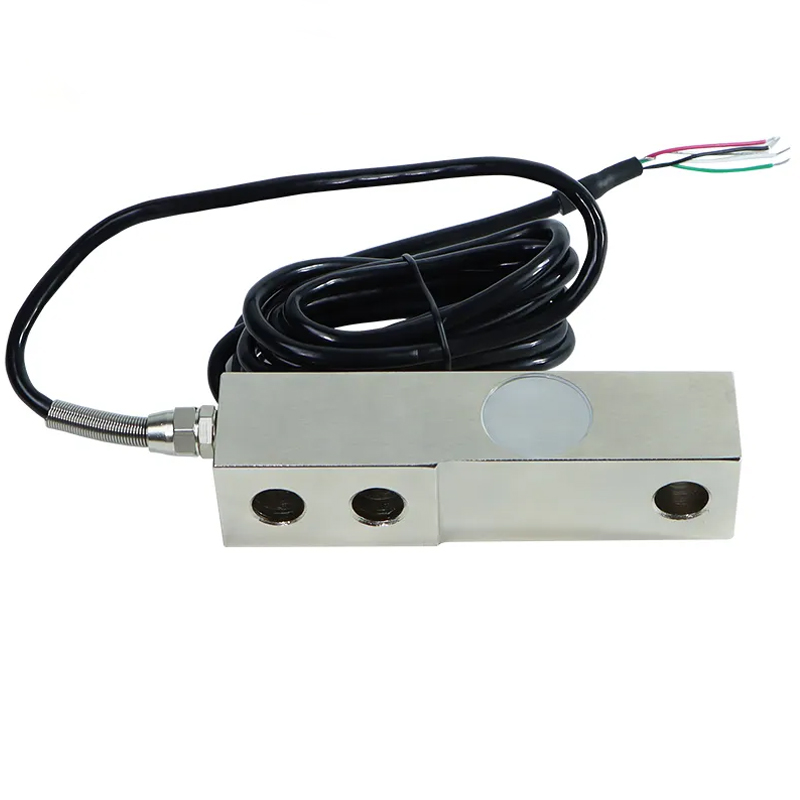
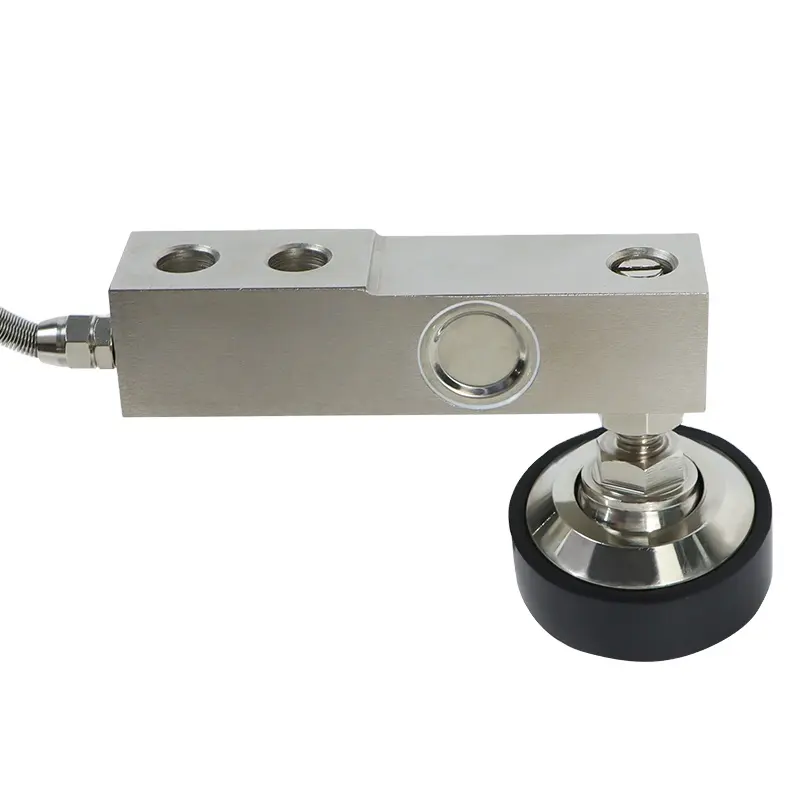
When evaluating  load  cell manufacturers,  buyers should prioritize  experience, product range, and customization  capabilities. Look  for manufacturers with a  proven track  record in producing high-precision load cells and force sensors. A reputable manufacturer should also offer OEM/ODM solutions tailored to  specific industry needs, ensuring that  the product meets unique operational requirements. For instance, manufacturers may offer solutions like Load Cell options to meet diverse needs.


Certifications like  CE and RoHS are also crucial, as  they indicate compliance with international safety and quality standards. Buyers should assess the manufacturer’s quality  control processes, such as  inspections and  testing methods, to ensure consistent product  performance. Additionally, consider their production capacity and lead times, as  these factors  can significantly affect project timelines.

Frequently Asked Questions

What types of load cells do you manufacture?

We produce high-precision load cells, force sensors, and wireless dynamometers for lifting, weighing, automation, and new energy applications.
Yes. Our products carry CE and RoHS certifications, ensuring compliance with safety and environmental standards.
Yes. We offer OEM and ODM services, tailoring sensor specifications, form factors, and interfaces to your application needs.
We serve lifting, weighing, automation, and new energy industries globally, supplying sensors for industrial and commercial use.
Contact our sales team with project details, required specs, and quantities. We provide technical support, quotes, and lead-time estimates.

Get a Free Quote

Our representative will contact you soon.
0/1000