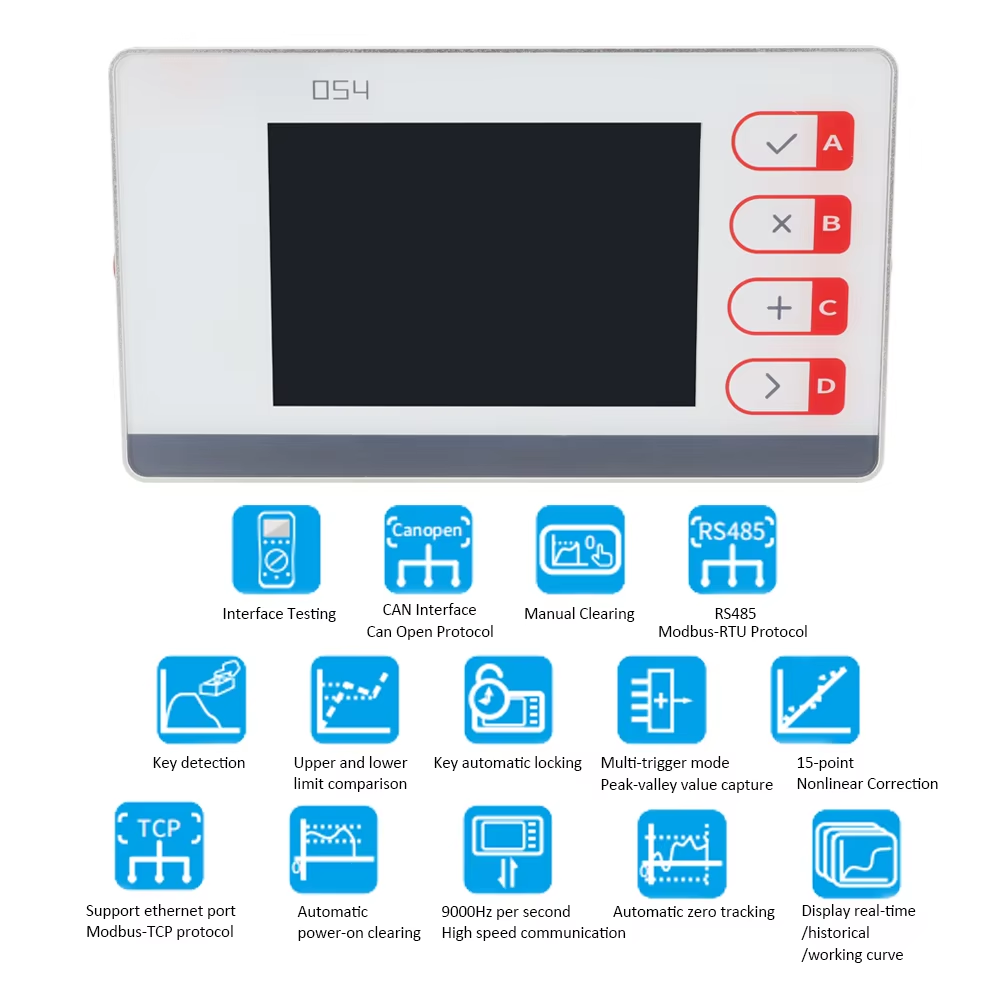
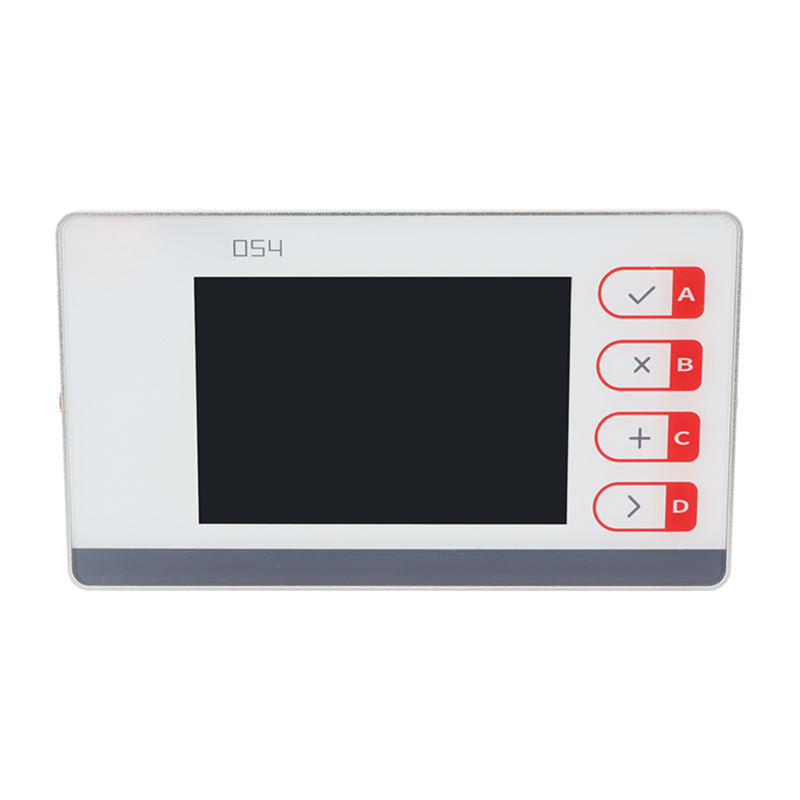
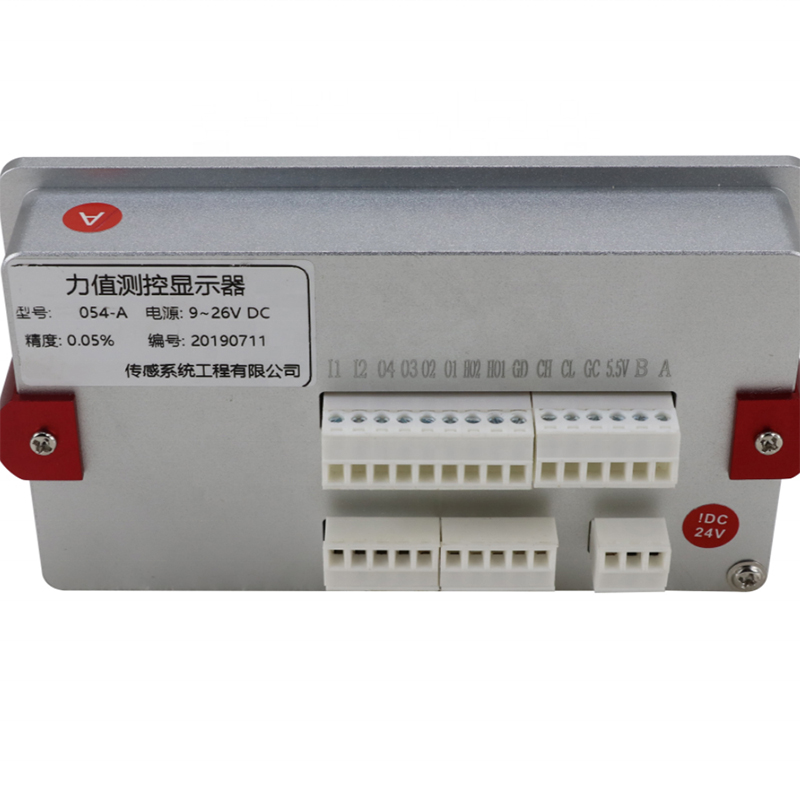
Choosing the Right Weight Indicator Load Cell

application/weight-indicator-load-cell, application/weight-indicator-load-cell, 
Inquiry
Inquiry

weight indicator load cell

Weight indicator load cells play a crucial role  in providing  accurate measurements  of weight and force in various  industrial applications.  As  a B2B buyer, understanding  the intricacies  of these devices is  essential  to ensure  you choose the right solution  for your  specific needs. This  article will guide  you through the  process of selecting a weight indicator load cell, evaluating  key specifications, identifying reliable suppliers, and understanding installation and operational considerations, all aimed at enhancing  your purchasing decisions in this critical  area.

 
Key Specifications to Evaluate When Sourcing Load Cells

Key Specifications to Evaluate When Sourcing Load Cells

When sourcing weight indicator load cells, several key specifications should be evaluated:

Capacity: The maximum load the cell can  measure. This should exceed your typical operational needs  to  avoid overloading.

Accuracy Class: Indicates the precision of  the load  cell, typically expressed as a percentage of full scale. Higher accuracy is crucial for applications where small weight variations can lead to significant consequences.

Material:  Load cells are often constructed from materials like aluminum or stainless steel, each offering different benefits  in terms of strength, corrosion resistance, and weight.

Output Signal: Know whether you  require analog  or  digital output. Digital  output allows for easier  integration with modern  control  systems and can provide more detailed data.


Temperature Range: Ensure the load cell can function effectively within the temperature range of your application environment.

Protection Class  (IP Rating): This indicates the load cell's resistance to dust and  moisture. A higher IP rating is essential  for harsh environments.

Understanding these specifications ensures that you select a load  cell that meets both your operational needs  and industry standards.

Where to Find Reliable Suppliers for Load Indicator Solutions

Where to Find Reliable Suppliers for Load Indicator Solutions

Finding reliable suppliers for weight indicator load cells is  critical for ensuring quality and performance.  Start  by researching manufacturers  with a proven track  record in the load cell industry. Look for suppliers with relevant certifications,  such  as CE or  RoHS, as  these signify adherence to quality standards.

Utilize online industry directories and trade associations to compile  a list of potential suppliers. Reading customer testimonials and  case  studies can provide insights into the reliability of a supplier  and the performance  of their products in real-world applications. Additionally,  attending industry trade shows or  conferences can facilitate direct interactions with manufacturers, allowing for discussions about  specific needs and customization options. For more information on various types of load cells, check out our section on Tension Load Cell.

Establishing a relationship with suppliers who offer OEM/ODM solutions can also be beneficial, as they can tailor products  to your  specific requirements. This is particularly important if  your application demands unique specifications or features.

Installation Guidance for Weight Indicator Load Cells in Various Applications

Installation Guidance for Weight Indicator Load Cells in Various Applications

Proper installation of weight indicator load cells is  vital to ensure accurate measurements and optimal performance. Begin by  reviewing the manufacturer's installation guidelines, as each load cell may have specific requirements.

Mounting: Ensure the load  cell is mounted securely and aligned correctly.  Misalignment  can lead to measurement errors. Use appropriate mounting hardware and follow torque specifications provided by the  manufacturer to prevent  stress on the load cell.

Wiring: Pay close attention to electrical connections. Incorrect wiring  can lead to inaccurate readings  or even damage the load cell. If using  a digital load cell, ensure compatibility with your indicator or control system.

Calibration: After installation, calibration is essential. This process adjusts the load cell output to  match known weights, ensuring  accuracy. Regular calibration checks should be part of your maintenance routine, especially if the load  cell is frequently used or exposed to varying environmental conditions.

Environmental Considerations: If the load  cell  operates in a harsh environment, additional protective measures, such  as  weatherproofing or shielding from dust and moisture, may  be necessary to maintain performance.


Following these installation guidelines will help ensure the longevity and  accuracy of your weight indicator load cell.

Benefits of Using High-Precision Load Indicator Cells in Manufacturing

Incorporating high-precision load indicator cells in manufacturing processes offers several significant advantages:

Enhanced  Accuracy: High-precision load cells provide more accurate weight measurements, which is critical for quality control in industries such as pharmaceuticals and food production. This reduces the risk of over- or under-filling products, ensuring  compliance with regulations and standards.

Increased Productivity: Accurate measurements streamline operations, reducing the time  spent on manual checks and adjustments. This efficiency can lead to faster production  cycles and lower operational costs.


Improved Data Collection: High-precision load cells often come with advanced digital output capabilities, facilitating  better data logging and analysis. This data can support continuous  improvement initiatives by  identifying trends and areas for optimization.

Reduced Waste: By ensuring that the correct amount of materials is used in each process,  high-precision load cells help minimize waste, leading to cost savings and a lower environmental impact.


Customization Options:  Many manufacturers, such as JIANGXI JINGCE SENSING TECHNOLOGY CO., LTD.,  offer customizable solutions to meet specific operational needs,  allowing you to tailor load cells to fit unique manufacturing processes.

Investing in high-precision weight indicator load cells  can significantly enhance your manufacturing processes by improving accuracy, efficiency, and overall product  quality. 

By following the  guidance provided  , you can  make informed decisions regarding  the selection and sourcing of weight indicator load cells, ensuring that your operations remain efficient and competitive in the market.

How to Choose the Right Weight Indicator Load Cell for Your Project

Selecting the right weight indicator load cell involves a thorough understanding of your application requirements. First,  consider the load capacity  needed for your project. Load cells are available  in various capacities, so it’s  vital  to select one capable of handling the maximum weight  you expect. Also, think about the environment  where the load cell will operate.  Factors such as temperature,  humidity, and potential exposure to chemicals can influence performance and durability. For more detailed information, you can refer to our article on Load Cell.

Next,  assess the accuracy and precision levels required  for your application. High-precision load cells are essential for processes that demand strict adherence to weight specifications, such as in pharmaceutical manufacturing  or food processing. Additionally, consider  whether you need a load  cell with built-in indicators or if  a standalone weight indicator will suffice. Finally,  evaluate the compatibility with your  existing systems, ensuring that  the load cell  can integrate seamlessly with your measurement  and automation systems.

Frequently Asked Questions

What is a weight indicator load cell?

A weight indicator load cell is a high-precision sensor that converts force or weight into an electrical signal for accurate weighing and monitoring in industrial applications.
Our load cells provide high precision with CE and RoHS certifications, ensuring compliance and reliable performance for industrial weighing tasks.
Yes. We offer OEM and ODM solutions to tailor load cell specifications, interfaces, and housings to your lifting, weighing, automation, or new energy needs.
Suitable industries include lifting and hoisting, industrial weighing, automation systems, and new energy applications requiring precise force measurement.
We provide technical consultation, installation guidance, calibration support, and warranty services to ensure long-term performance and customer satisfaction.

Get a Free Quote

Our representative will contact you soon.
0/1000