Wholesale Options for High-Quality Hanging Scales

application/hanging-scale, application/hanging-scale, 
Inquiry
Inquiry

hanging scale

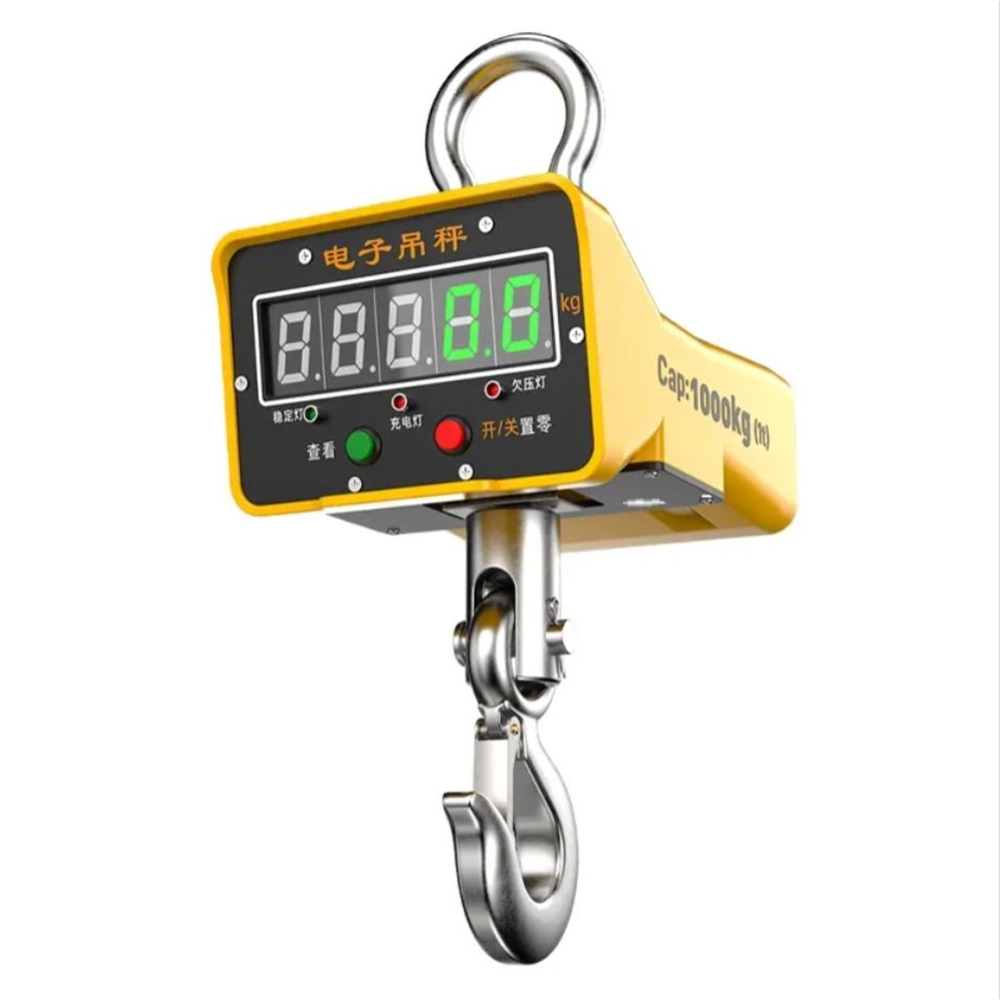
Hanging scales are precision instruments designed to measure weight by suspending an  object from a  hook  or platform. In the manufacturing  and industrial sectors, these scales are essential  for ensuring accurate  weight measurements for various applications, from shipping and logistics to quality control and production processes. B2B buyers, including  purchasing managers and engineers, are often concerned with the accuracy, durability, and  overall  quality of  hanging scales,  as these factors can significantly impact operational  efficiency  and cost-effectiveness. This article  will provide  insights into  wholesale options, evaluation criteria, applications, installation tips, and key  features of hanging  scales to empower  informed purchasing decisions.

 
How to Evaluate the Quality of Hanging Scales for Purchase

How to Evaluate the Quality of Hanging Scales for Purchase

Evaluating the quality of hanging scales involves examining several key specifications and features. First and foremost, accuracy  is paramount; buyers should look for scales with a clear tolerance specification, typically expressed  as a percentage of the full-scale value. For instance,  a scale with ±0.1% accuracy is suitable for applications  where precise measurements are  critical.

Material selection also plays  a significant role  in durability. High-quality hanging scales are often constructed from robust materials such as stainless steel or aluminum, which provide resistance to  environmental factors like moisture  and corrosion. Additionally, it's  advisable to check the load rating to ensure the scale can handle the maximum  weight anticipated in your application.

Another critical aspect is the scale's calibration  process.  Buyers should inquire  if the manufacturer provides calibration services  or guidelines,  as regular calibration is necessary to maintain accuracy over time. Lastly, reviewing customer feedback and case studies can offer insights into  the performance of the  scales in real-world applications, helping buyers make a more  informed decision.

 
Top Applications for Hanging Scales in Various Industries

Top Applications for Hanging Scales in Various Industries

Hanging scales are widely used across various industries due  to their versatility and precision. In the logistics sector, they are  essential  for weighing shipments and ensuring compliance with shipping regulations. Additionally, they  are commonly  found in warehouses where goods need  to be weighed before storage  or  distribution.

In manufacturing, hanging scales play a crucial role in quality control processes. They can be used  to measure raw materials before production, ensuring that the  right quantities are used to maintain  product quality. Similarly, in the  agricultural sector, these  scales are used for weighing produce  or livestock, providing accurate  data for pricing  and inventory management.

Another growing application is in the energy sector, where hanging scales help measure  the weight of  components during assembly and maintenance of equipment. The ability to provide precise weight  measurements can significantly impact  efficiency and safety in operations.

Installation Tips for Optimal Use of Hanging Scales

Installation Tips for Optimal Use of Hanging Scales

Proper  installation is  vital for  the optimal performance of hanging scales. First, ensure the scale is mounted securely to prevent any movement, which could lead to inaccurate readings. If the scale is designed to be portable,  make sure it is  placed  on a stable surface that can accommodate  the weight being measured.

Next, consider the environmental  conditions where the scale  will operate. If the scale will  be exposed to  moisture or dust, selecting a  model with appropriate environmental ratings  or enclosures is essential.  It’s also advisable to  provide adequate space around the scale to allow for proper airflow, especially for models with electronic components.

Calibration should occur after installation to ensure accuracy. Follow the manufacturer's guidelines for calibration procedures and consider using certified calibration weights  for the best results. Regular maintenance checks should be scheduled to confirm the  scale's  performance over time, particularly in high-use  environments.


Features and Performance Insights

When selecting  a hanging scale, various features can  enhance usability and performance.  Digital displays  with backlighting are particularly useful in low-light conditions, while models with Bluetooth or Wi-Fi connectivity allow for remote monitoring and data logging, improving operational efficiency.

Another important feature to consider is the  scale's battery life, especially for portable models. Scales with rechargeable batteries can reduce operational  costs associated with constant battery replacements. Additionally, some models offer overload protection, which can prevent damage to  the scale when  exceeding its capacity,  a critical factor for maintaining longevity and accuracy.

Performance insights such as response time and stability under  load are  also essential. Buyers should look for scales that provide  quick readings without fluctuations, as this can affect the overall reliability of the measurements taken. Testing  the scale under  typical operational  conditions before final approval is recommended to ensure it  meets  the necessary performance standards.

By understanding  these aspects of  hanging scales, B2B buyers can make more informed decisions that align with  their operational needs and enhance their overall productivity.

Wholesale Options for High-Quality Hanging Scales

When considering wholesale options for hanging scales, companies like JIANGXI JINGCE SENSING TECHNOLOGY CO., LTD.  offer a range of high-precision load  cells and force sensors suited for various industries. Buyers should consider factors  such as  minimum order quantities (MOQ), customization capabilities, and pricing when selecting a supplier.

A reputable manufacturer  typically  provides  OEM/ODM solutions, which allow buyers to tailor specifications to meet  specific operational needs. For instance, when reaching out  to suppliers, it's  essential to communicate details like desired capacity,  accuracy requirements, and any special features  needed, such as wireless connectivity or multi-unit weighing  capabilities.

Additionally, understanding the supplier's production  capacity and lead times can  help buyers plan  their inventory  effectively and avoid  delays in their operations. A  reliable supplier should also have a proven track record of quality control processes, ensuring that the scales meet necessary certifications such as CE or RoHS, which can be critical  for certain applications.

Frequently Asked Questions

What is the load capacity range of your hanging scale?

Our hanging scales pair with high-precision load cells covering capacities from a few kilograms to several tons, customizable to your application and accuracy requirements.
Yes. Our products meet CE and RoHS standards, ensuring compliance with safety and environmental requirements.
Yes. We offer OEM/ODM services including custom calibration, housing, communication interfaces, and mounting to fit lifting, weighing, and automation needs.
Using precision load cells, the hanging scale achieves high accuracy and fine resolution; specific specs depend on model and range—contact us for exact performance data.
Yes. We provide wireless dynamometer integrations and remote telemetry options for real-time data transmission and system integration in industrial settings.

Get a Free Quote

Our representative will contact you soon.
0/1000