Choosing the Right Digital Hanging Weighing Scale

application/digital-hanging-weighing-scale, application/digital-hanging-weighing-scale, 
Inquiry
Inquiry

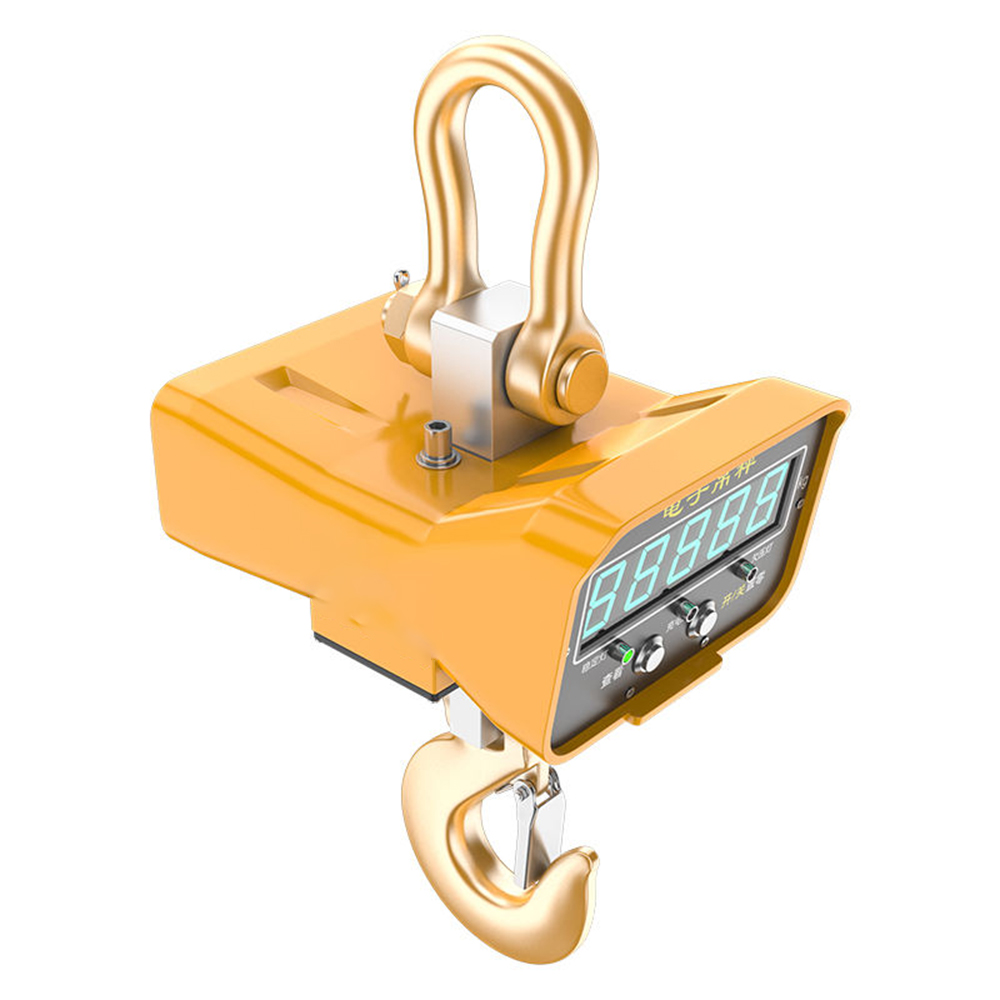
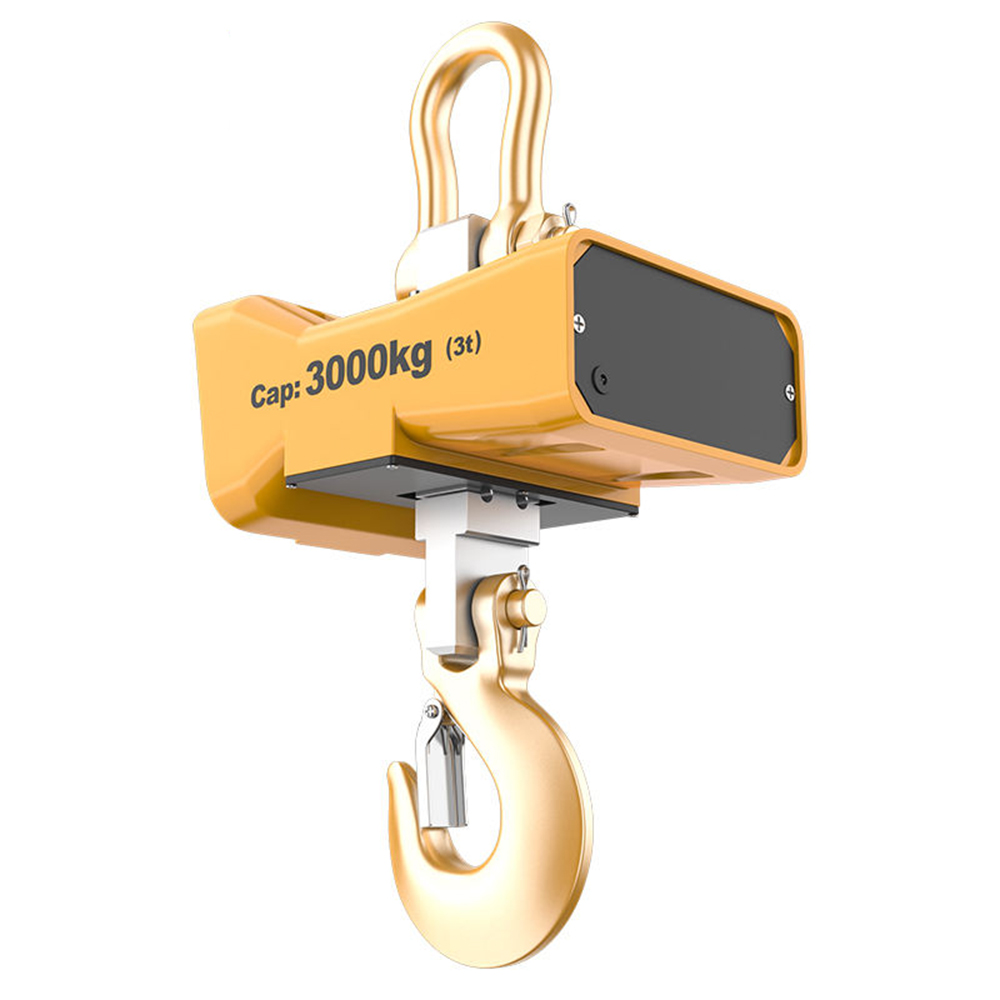
digital hanging weighing scale

Digital  hanging weighing  scales are  essential  tools  for  various industrial applications, providing precise measurements for lifting  and  weighing tasks. As a B2B buyer,  your main concerns likely revolve  around accuracy, load capacity,  durability, and ease of use.  This article will guide you  through  selecting the right digital  hanging  weighing scale  for your needs, focusing on key  specifications, quality evaluation, application scenarios, and essential considerations for  a successful  purchase.

Key Specifications to Consider When Sourcing Digital Hanging Weighing Scales

Key Specifications to Consider When Sourcing Digital Hanging Weighing Scales

When sourcing digital hanging  weighing scales, several key specifications  must be prioritized:

Load Capacity: Ensure the  scale can support the maximum weight of your intended applications. Scales  with higher capacities often maintain accuracy better under load.

Accuracy and Resolution: Look for scales with a low margin  of error, typically expressed as a percentage of the  weight measured. Resolution indicates  how finely a scale can  measure weight, with lower values providing greater precision.


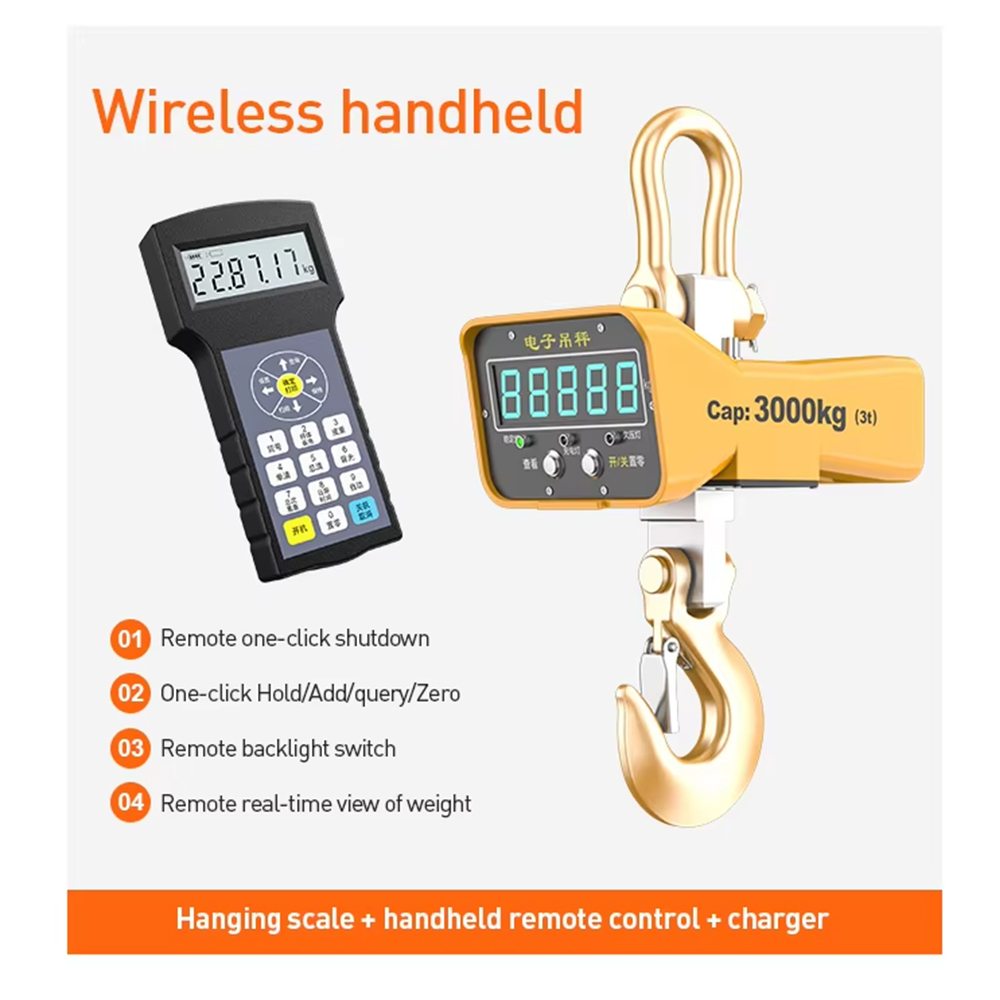
Display Type and Readability: A large, backlit display can enhance visibility in various lighting conditions, making it easier to read weights  from a distance.

Power Source:  Consider  whether the scale  operates on batteries or a direct power supply. Battery-operated scales offer greater portability, while plug-in models may provide consistent power for longer use.

Durability and  Material:  The material used in the scale’s construction affects its durability.  Look for scales made from robust materials that can withstand harsh environments, especially in industrial settings.

Calibration and  Certification: Ensure the  scale is calibrated and  certified for accuracy. Look for CE/RoHS certifications, which indicate compliance with international safety standards.

 
Evaluating the Quality of Digital Hanging Weighing Scales for Bulk Orders

Evaluating the Quality of Digital Hanging Weighing Scales for Bulk Orders

When ordering digital hanging weighing scales in bulk, evaluating quality is paramount to ensure consistent  performance. Here are some essential steps:


Request Samples: Before placing a bulk order, always request samples to assess the scale's functionality and accuracy firsthand. This allows  you to test the scale in real-world conditions  relevant to your operations.

Check Certifications:  Verify that  the scales have the necessary  certifications, such as CE or RoHS, as these indicate compliance with safety and environmental  regulations. This can also assure you of  the manufacturer's commitment to quality.


Review Quality Control Processes: Understand the manufacturer’s quality  control measures. A reputable supplier should have stringent  QC processes in place, including routine testing of  scales during  production and before shipping.

Assess Warranty and Support: Consider the warranty offered by the  manufacturer. A longer warranty period usually reflects confidence  in product durability. Additionally, check if the supplier provides reliable customer support for troubleshooting and  maintenance.

Compare  Manufacturers: Don’t hesitate to compare multiple suppliers. Evaluating their production capabilities, lead times, and customer reviews can provide insights into  their reliability and product quality.

 
Application Scenarios for Digital Hanging Weighing Scales in Industry

Application Scenarios for Digital Hanging Weighing Scales in Industry

Digital hanging weighing scales  are versatile tools  that  find applications  across various industries. Here are some common scenarios:

Logistics and Shipping: In logistics, these scales are used to weigh  packages and containers before  shipping, ensuring  compliance with weight regulations and  optimizing freight costs.

Manufacturing: In  manufacturing environments, they help in monitoring raw material weights, ensuring  accurate proportions  in batching processes.

Agriculture:  Farmers  and agricultural businesses use hanging scales to weigh livestock or produce, aiding in inventory management and sales.

Construction and Heavy Equipment: In construction,  these scales assist in weighing  materials  like concrete or metals, ensuring  accurate load distribution and safety compliance.

Laboratories and  Research: Digital hanging scales  are used  in laboratories for precise measurements in experiments, where accuracy is critical.

What to Know

Before making a decision on  purchasing digital hanging weighing scales, keep the following considerations in mind:

Customization Needs: If your operations require  specific functionalities or adaptations,  discuss customization options with your supplier. Many manufacturers, like JIANGXI JINGCE  SENSING TECHNOLOGY CO.,  LTD., offer OEM/ODM solutions tailored to unique applications.

Minimum Order Quantity (MOQ): Understand the MOQ for bulk orders.  This  impacts  your purchasing strategy and inventory  management. Some manufacturers may offer  flexibility based on your  needs.

Lead Time and  Shipping: Confirm the lead time for production and shipping.  Depending on your urgency, this  can influence your choice of supplier.

Maintenance and After-Sales Support: Finally,  inquire about the maintenance requirements and after-sales  support  available. Reliable support can  save you time and costs  in the long run, ensuring the  scales perform optimally throughout their lifespan.

By carefully considering these factors, you can select a digital hanging weighing scale that meets your operational needs, enhances productivity, and ensures accurate measurements across various applications.

How to Choose the Right Digital Hanging Weighing Scale for Your Needs

Selecting  the appropriate digital  hanging weighing scale involves understanding your specific  requirements. Start by assessing the maximum load capacity needed for your  applications. Scales are available in various capacities, so ensure the model  you choose can  handle your heaviest loads without compromising accuracy. For more insights on how to select the right equipment, consider checking our guide on Incremental encoder.

Next, consider the scale's precision.  Look for models that provide high-resolution measurements, as this can be critical for  tasks requiring exact weight readings.  Additionally, think about the scale's ease of use—features such as  a clear display,  intuitive  controls, and portability can significantly enhance  your workflow.

Finally, evaluate any additional features  that may be beneficial for  your operations. For example, some scales  come with wireless connectivity for data  transfer  or built-in memory for storing measurements. Determine  which  features align with your operational needs to make an informed choice. You might also want to explore the benefits of using a Hanging scale for specific applications.

Frequently Asked Questions

What is the load capacity range of the digital hanging scale?

Our digital hanging weighing scale supports a wide range of capacities from small to heavy loads; contact us with your required range for precise model recommendations and customization.
Yes. We offer OEM/ODM customization for sensor calibration, display options, connectivity, and branding to meet industry-specific requirements.
The scale and our sensors are CE and RoHS compliant, manufactured under strict quality controls to ensure high-precision performance and reliability.
Yes. Designed for lifting, weighing, and automation applications, the scale integrates with rigging and hoisting equipment and withstands typical industrial conditions.
We provide various interfaces including wired outputs and wireless dynamometer options; consult us to specify required protocols, data rates, and integration needs.

Get a Free Quote

Our representative will contact you soon.
0/1000