Choosing the Right Digital Hanging Scale for Your Needs

application/digital-hanging-scale, application/digital-hanging-scale, 
Inquiry
Inquiry

digital hanging scale

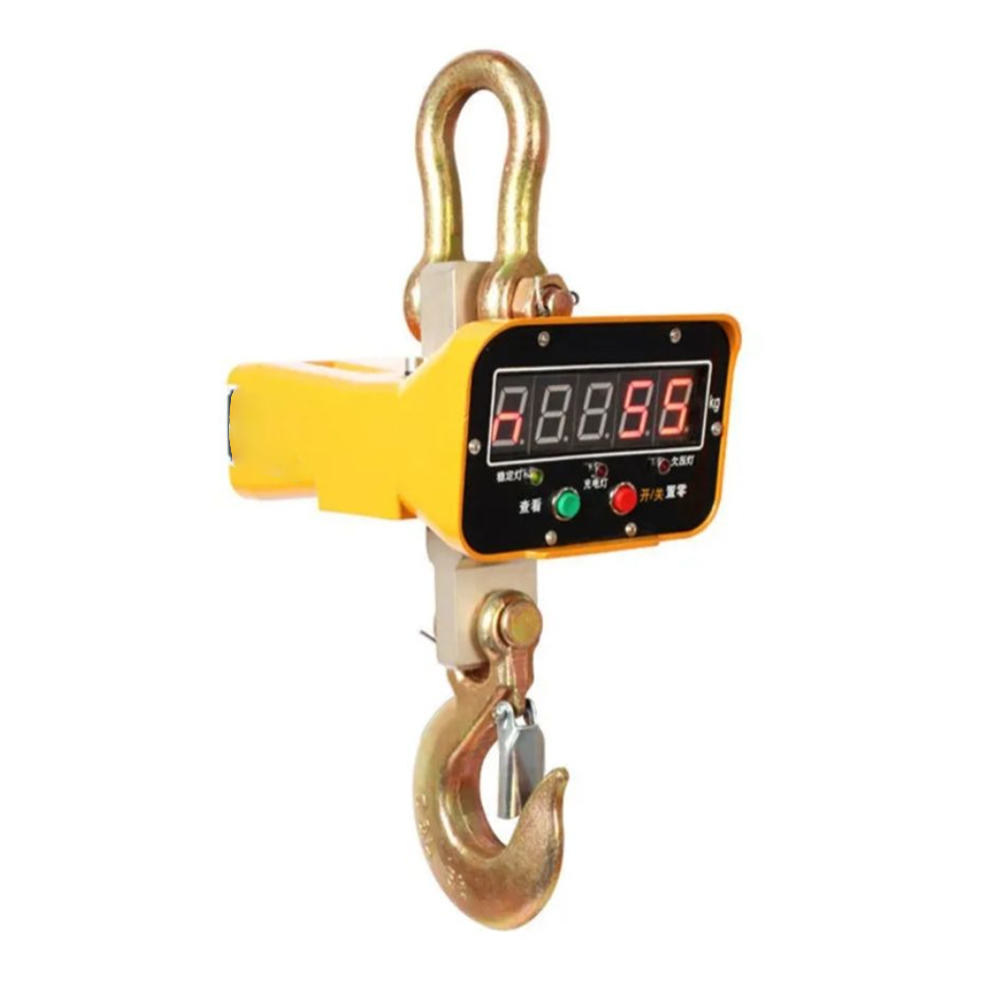
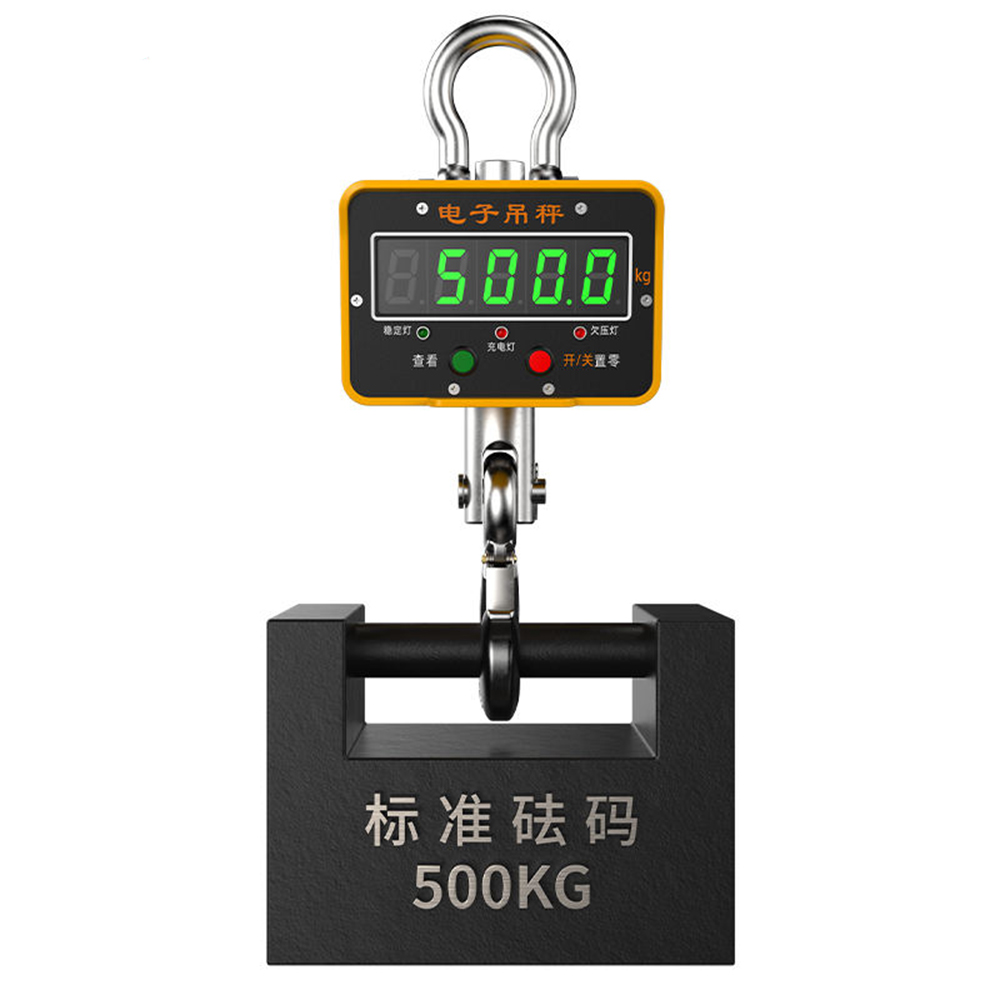
Digital hanging scales are crucial  tools  used across various industries to  measure the weight  of suspended loads with precision.  For B2B buyers, such as purchasing managers and  engineers, understanding the specifications  and  applications of these scales  is vital for making informed  purchasing decisions. This  article provides  practical insights into  selecting the  right digital hanging scale, key specifications to consider, common installation challenges,  applications in different  industries, and expert  tips  for effective  purchasing.

 
Key Specifications to Compare in Digital Hanging Scales

Key Specifications to Compare in Digital Hanging Scales

Understanding key specifications is crucial when comparing digital  hanging scales. Here are  essential factors to  consider:

Load Capacity: This  is  the maximum weight the scale can handle. Ensure that the scale's capacity exceeds the heaviest  load you will be weighing to prevent damage or inaccurate readings.

Accuracy and Resolution: Accuracy is often expressed as a percentage of the  full scale. A scale with high accuracy (e.g.,  ±0.1% of reading) is essential for critical applications. The resolution  refers to  the smallest weight increment the  scale can  measure; higher resolution allows for more detailed weight readings.

Power Supply: Digital hanging scales may be powered by batteries  or mains electricity. Battery-operated scales offer portability but require regular battery changes, while mains-powered scales are suited for fixed installations.

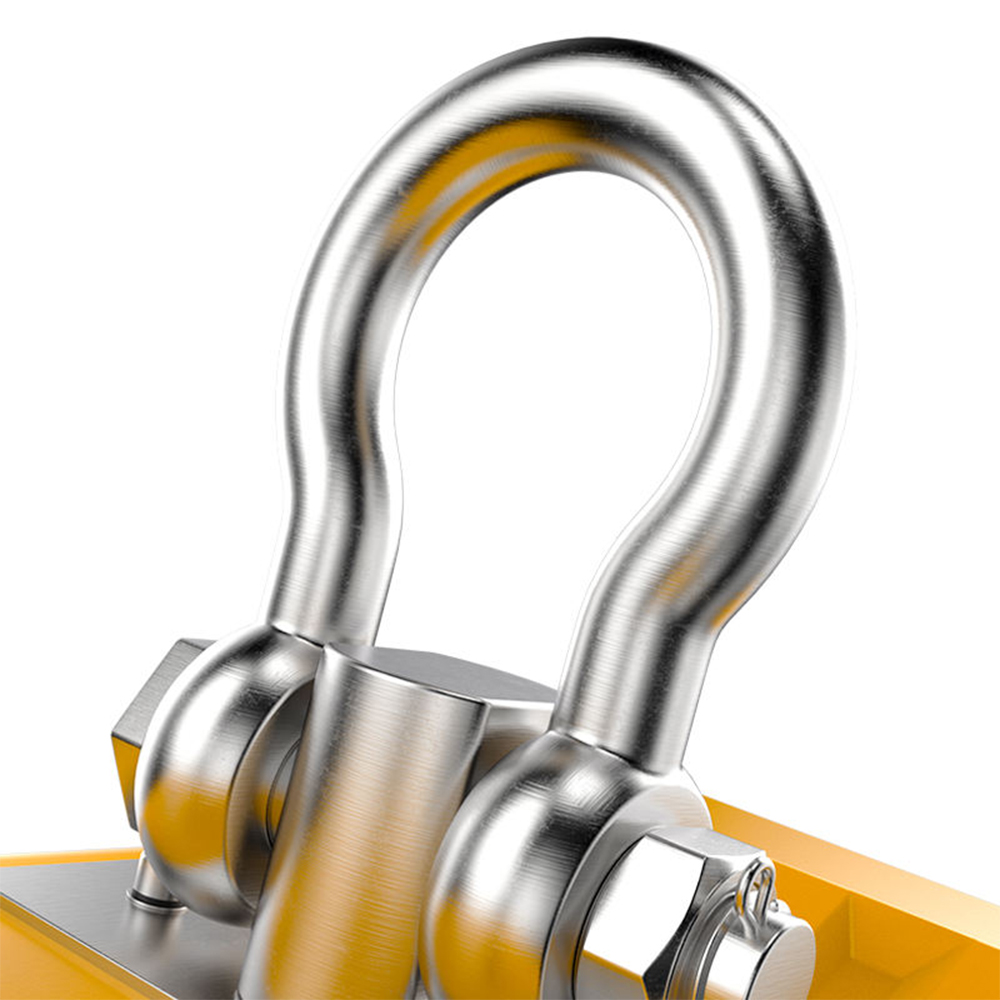
Material Construction:  The scale's body and  load cell should be made from durable materials, such as stainless steel, to withstand environmental stressors and ensure longevity.

Connection Options: Some digital hanging scales offer  wireless  capability, allowing for remote monitoring and data collection. This  feature can be beneficial in applications where the scale is positioned in hard-to-reach places.


By comparing these specifications, buyers can ensure they select a scale that  fits their operational demands and budget constraints.

Common Installation Problems with Digital Hanging Scales and Solutions

Common Installation Problems with Digital Hanging Scales and Solutions

Installing digital hanging scales can present unique challenges that, if not  addressed, may affect  performance.  Here are some common problems  and their solutions:

Misalignment:  If the scale is not  aligned properly,  it can lead to inaccurate readings. Ensure the scale is mounted vertically and secured to avoid tilting.  Using  a spirit level during installation can  help achieve proper alignment.

Overloading: Exceeding the scale's load capacity can cause permanent damage. Clearly label the maximum  load and train operators to respect these limits. Additionally, consider using overload protection features available in some models.


Electrical Interference: Digital scales may be sensitive to electromagnetic interference from nearby equipment. Installing the scale away from heavy machinery or using shielded  cables can  reduce this risk.

Environmental Factors: If the scale is  used outdoors or  in damp conditions, ensure it  has appropriate IP (Ingress Protection) ratings. Scales designed for outdoor use typically have better moisture  resistance.

By anticipating these installation issues, buyers can minimize downtime and enhance the reliability of  their digital hanging scales.

 
Applications of Digital Hanging Scales in Various Industries

Applications of Digital Hanging Scales in Various Industries

Digital hanging scales find utility across  multiple sectors, each with  unique requirements:

Manufacturing: In manufacturing environments, these  scales are essential  for weighing raw materials, ensuring that parts meet specifications  before assembly. Accurate measurements can prevent production errors and  material waste.


Logistics and Shipping: In logistics, digital hanging scales are vital for weighing packages before shipping. This ensures  compliance with shipping regulations and helps optimize freight costs based on accurate weight assessments.


Construction: Construction sites often use digital hanging scales to weigh heavy materials such as steel beams or concrete blocks. Accurate weight  measurements are crucial for crane operations and safety assessments.

Agriculture: Farmers and distributors use digital hanging  scales to  weigh produce, livestock, and feed. This helps in managing inventory and ensuring fair  trade practices.

Retail:  In retail environments,  especially for bulk items, digital  hanging scales help ensure customers receive accurate weights, enhancing  customer  satisfaction and trust.  In this context, integrating systems with devices like the Hanging scale can further streamline operations.


Understanding these applications  allows buyers to identify the right scale for their specific industry needs.

Expert Tips for Purchasing Digital Hanging Scales for Your Business

When purchasing digital  hanging scales  for your business, consider the following tips to ensure you  make a well-informed decision:

Identify Your Needs: Clearly define the  maximum weight  you need  to measure, the environment in which the scale will be used, and any specific features required for your  applications.


Request Samples: Before finalizing an order, request samples to evaluate the scale's performance under actual working conditions. This  step  can help identify potential issues that may not be apparent in product specifications alone.

Check  for Certifications: Ensure the scales meet necessary industry standards and certifications, such as CE and RoHS.  These certifications can be indicators of quality and reliability.

Evaluate Customization Options:  If your  application  requires specific features or modifications,  discuss customization  options with the manufacturer. Many suppliers, including JIANGXI JINGCE SENSING TECHNOLOGY CO.,  LTD., offer OEM/ODM solutions tailored to specific needs.

Consider After-Sales Support: Reliable after-sales support is crucial for troubleshooting and maintenance. Verify the manufacturer’s warranty and support services  to ensure you have assistance if issues arise.

By following these tips, buyers can enhance their purchasing strategy  and select digital hanging scales that provide long-term value for their operations.

Choosing the Right Digital Hanging Scale for Your Project Needs

When selecting a digital  hanging scale, consider the specific requirements of your application. The capacity of the scale should match or exceed the maximum  weight  you intend  to measure. For  instance, if  you’re involved in heavy lifting operations, a scale with a capacity of  several  tons may be  necessary. Additionally, look for features such as:

Accuracy: Precision is critical, especially in industries where weight measurements impact safety and compliance. Display: A  clear, easy-to-read digital display can  enhance usability, particularly  in low-light conditions. Durability: Depending on the  environment,  scales may need to withstand moisture, dust,  or other harsh conditions. Selecting  a scale with appropriate weatherproofing can prevent operational failures.

By aligning  these factors with your  specific project needs, you  can choose a digital hanging scale that not only meets functional requirements but also enhances operational efficiency. Additionally, understanding the role of various types of Encoder technology can further improve the performance of these scales.


Frequently Asked Questions

What is the maximum capacity of the digital hanging scale?

Our digital hanging scales are available in multiple capacities up to industry-standard ranges. Contact us with your required capacity and application for precise model recommendations and customization options.
Yes. Our products carry CE and RoHS certifications, ensuring compliance with relevant safety and environmental standards for industrial weighing and lifting applications.
Yes. The digital hanging scale supports standard output interfaces and can be customized for analog, digital, or wireless data transmission to integrate with automation and monitoring systems.
We provide OEM/ODM services including sensor calibration, housing, capacity ranges, and communication options to match your specific lifting, weighing, or energy industry requirements.
We offer manufacturer warranty and technical support for calibration, troubleshooting, and spare parts. Contact our sales team with serial and application details for prompt assistance.

Get a Free Quote

Our representative will contact you soon.
0/1000