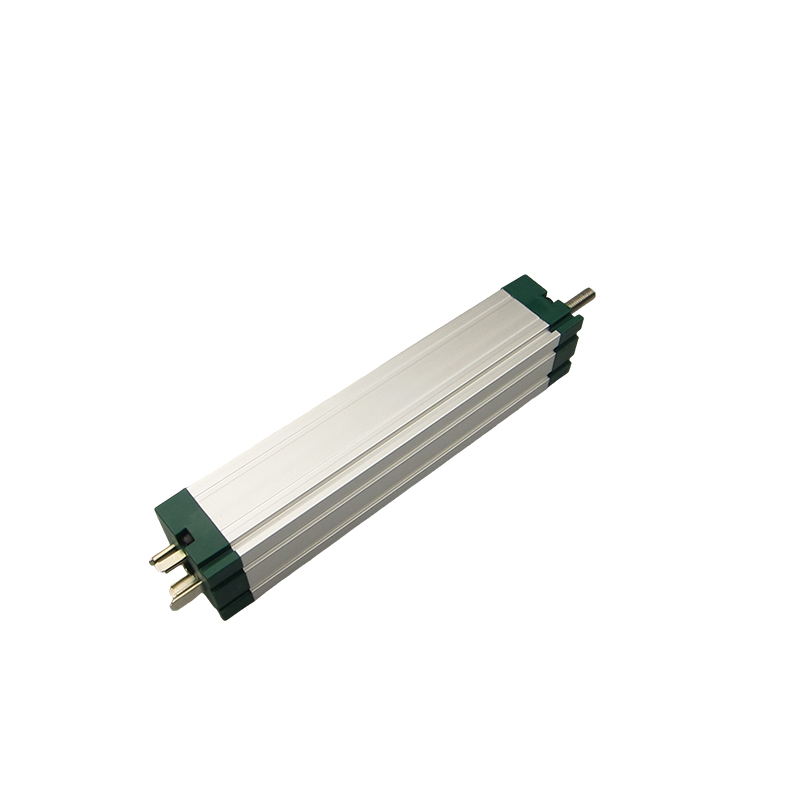
Choosing the Right Linear Displacement Transducer

application/linear-displacement-transducer, application/linear-displacement-transducer, 
Inquiry
Inquiry

Linear displacement transducer

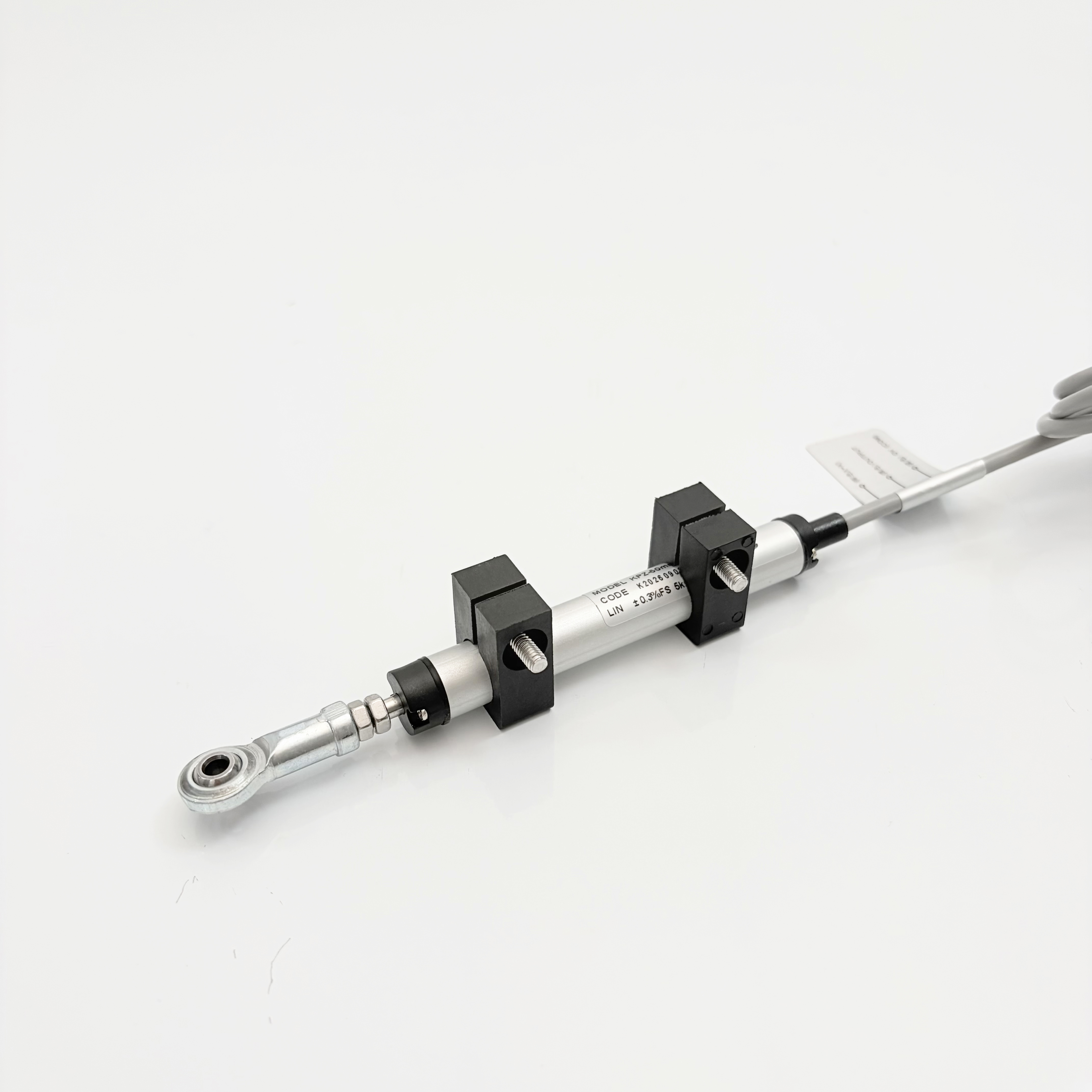
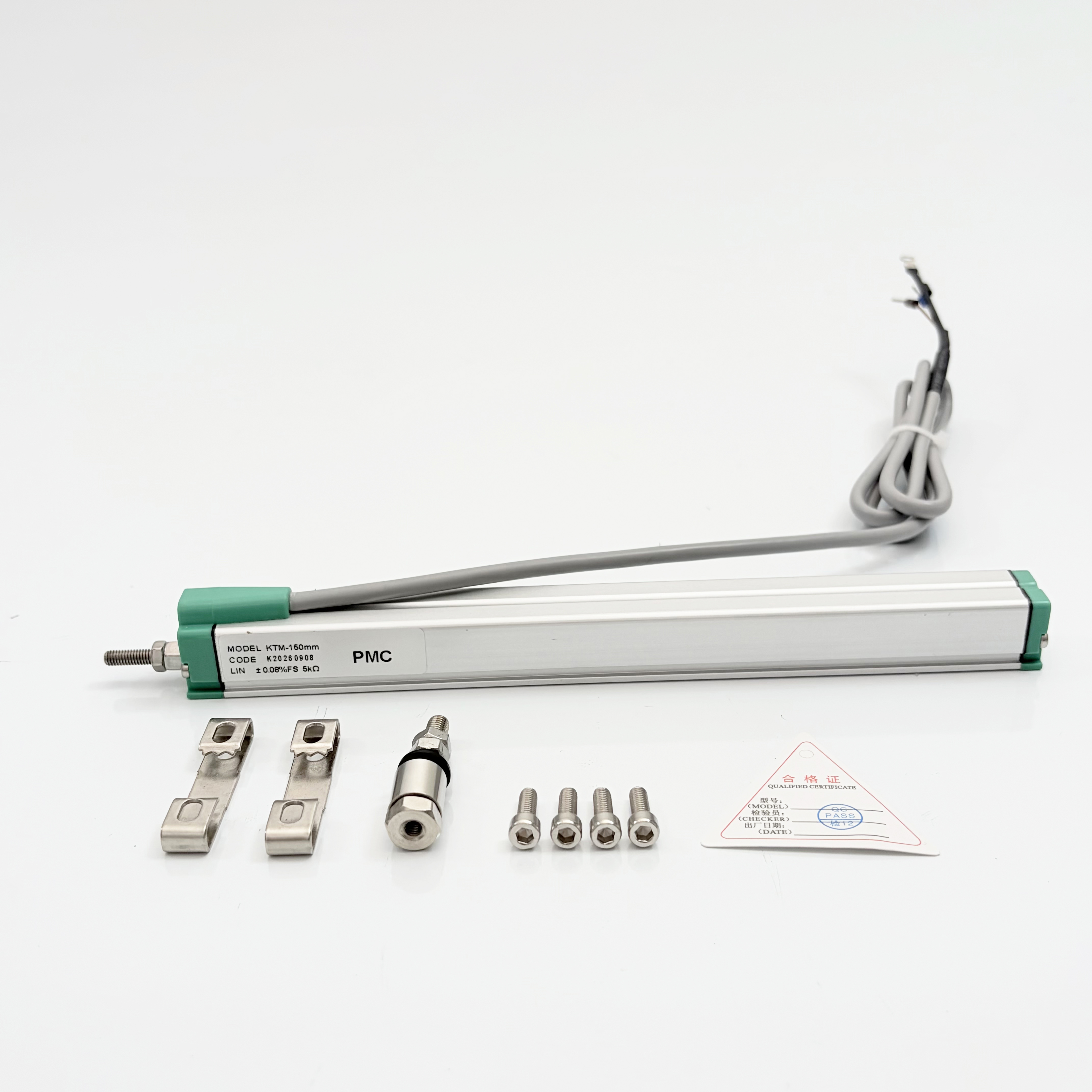
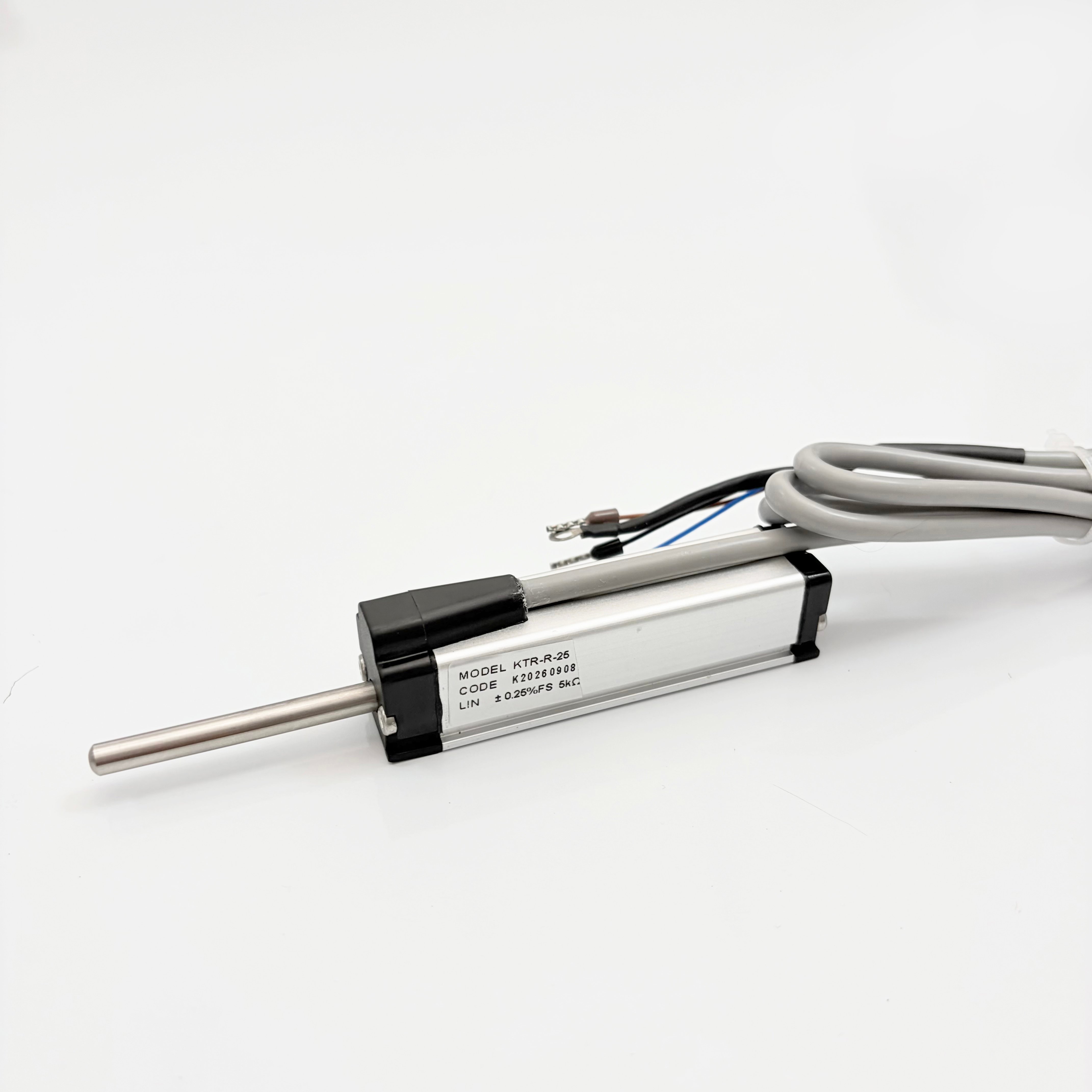
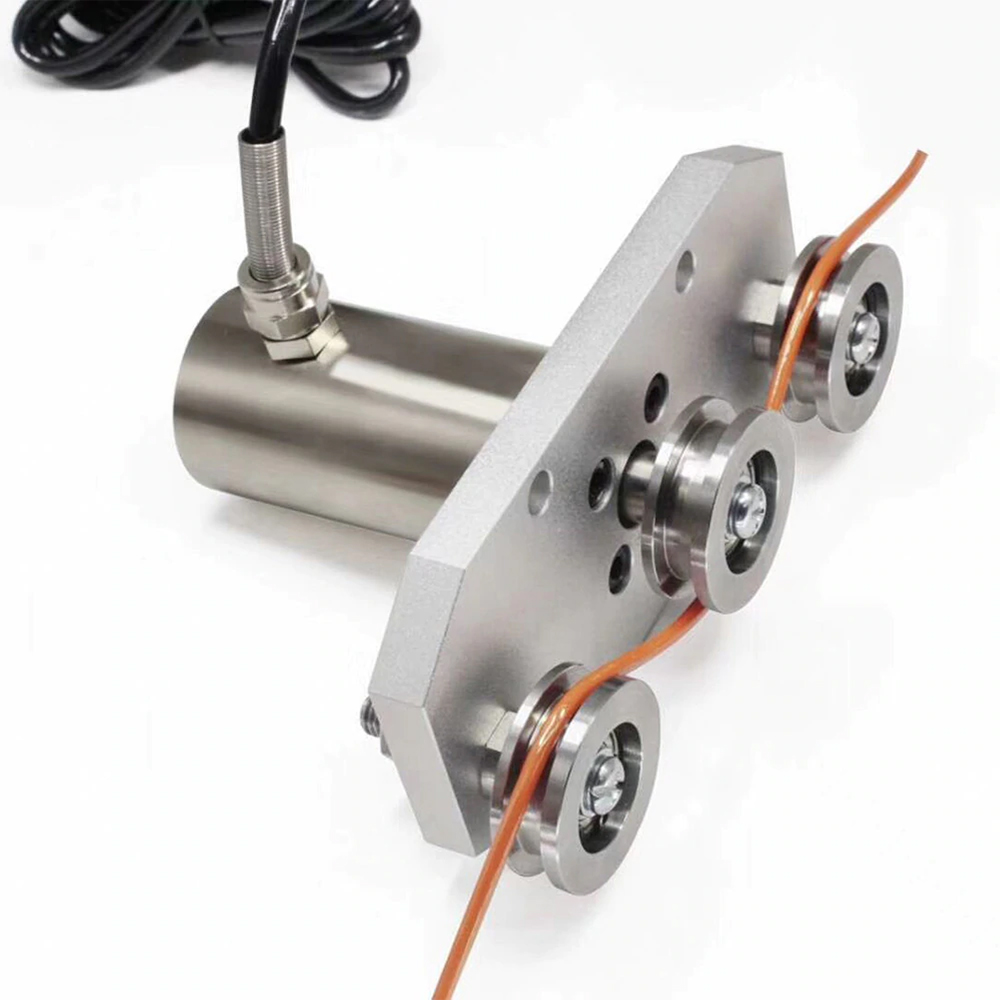
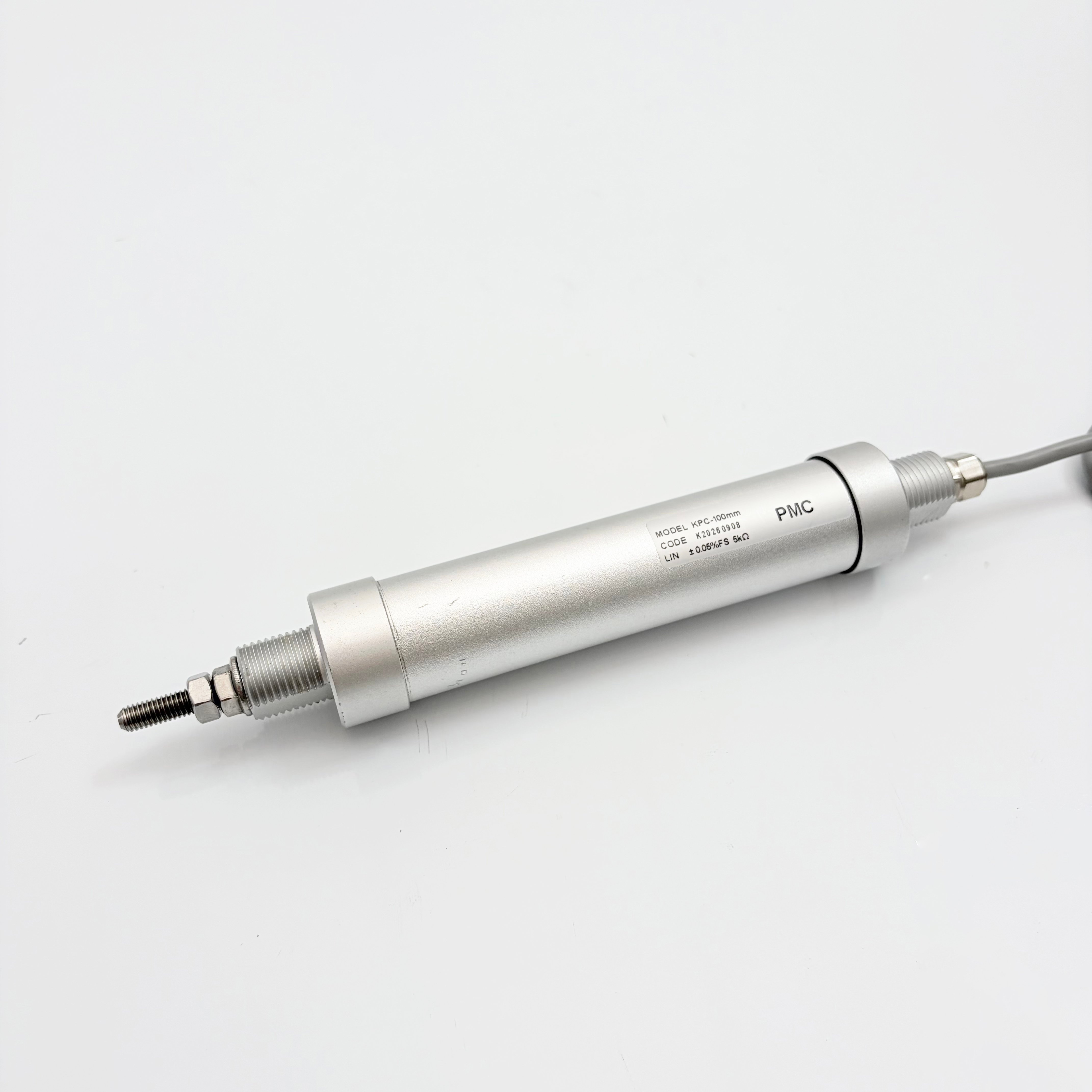
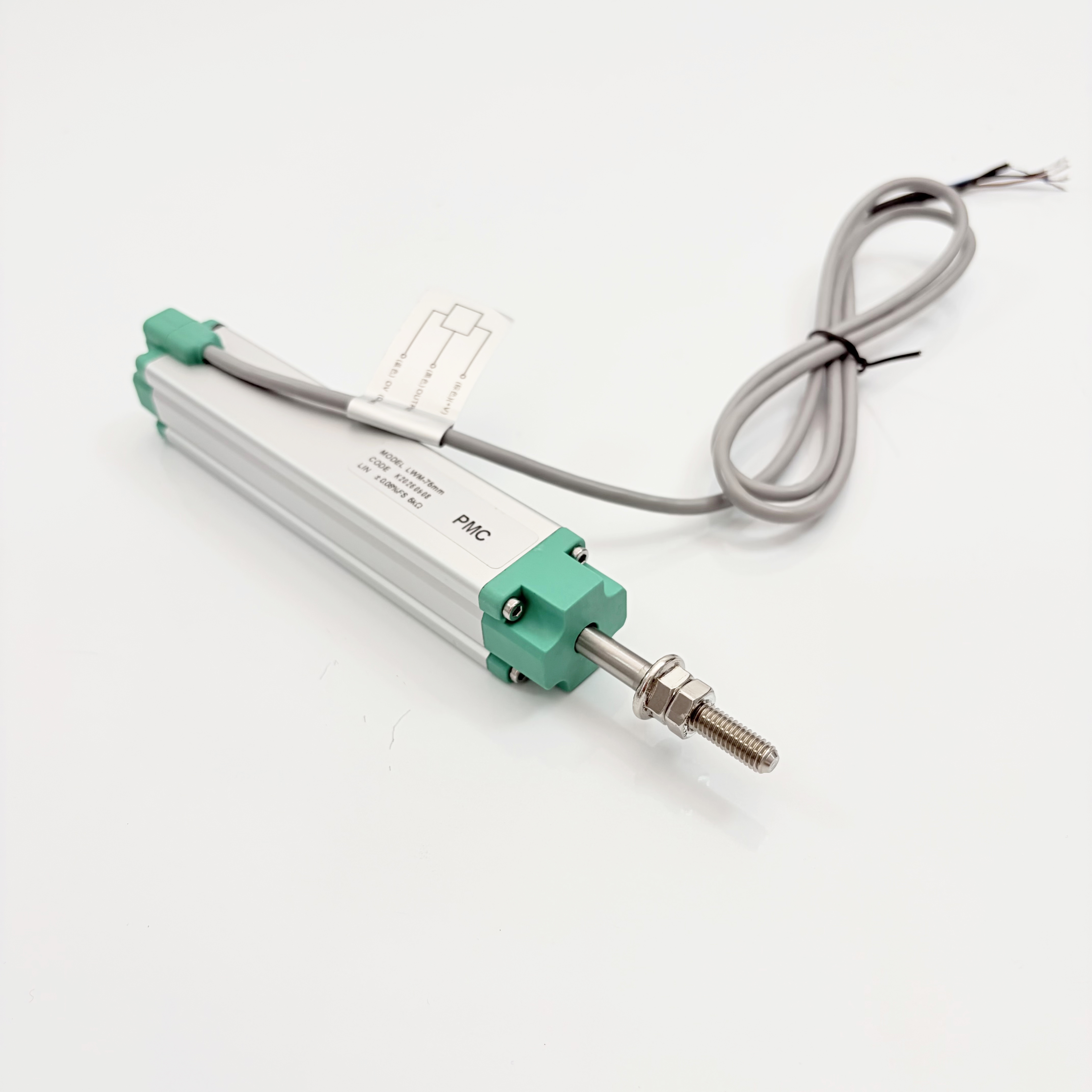
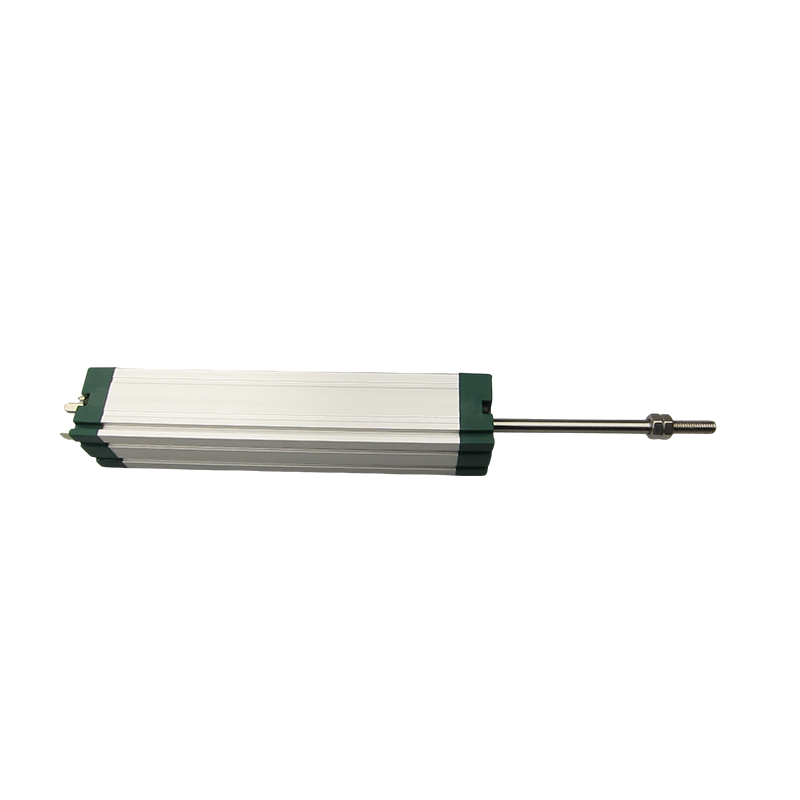
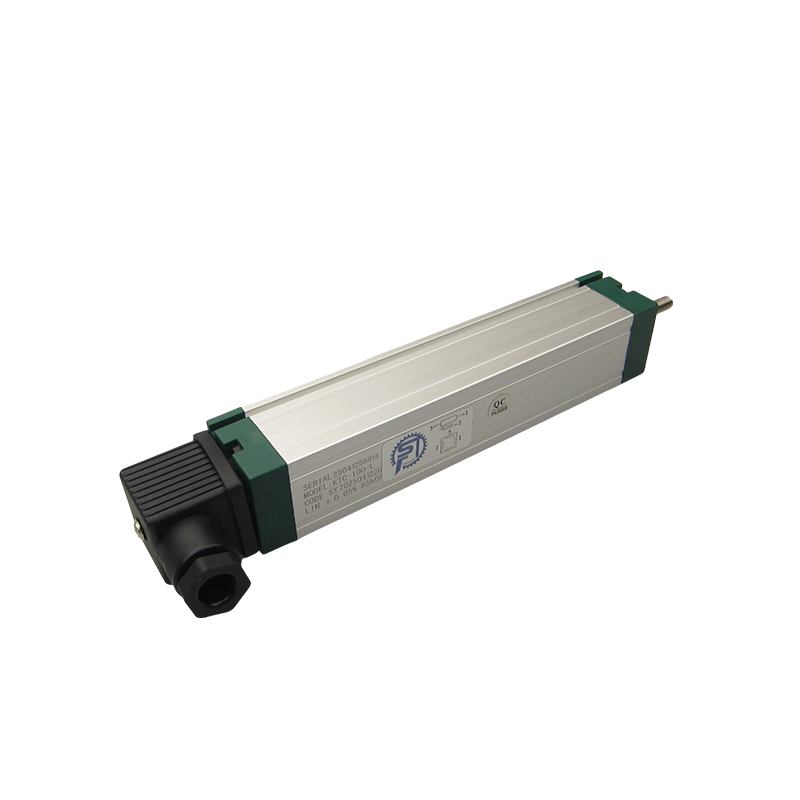
Linear displacement transducers are pivotal components used in various industrial applications to measure the linear position of an object with high precision. They convert linear motion into an electrical signal, enabling accurate monitoring and control. For B2B buyers, understanding the nuances of selecting the right linear transducer sensor is crucial. This article will address key considerations in selection, quality control measures, cost factors, installation guidance, and the features and benefits of these essential devices.

Key Quality Control Measures for Linear Displacement Transducers

Key Quality Control Measures for Linear Displacement Transducers

Quality control measures are vital to ensure the reliability and accuracy of PST linear displacement transducers. A well-defined quality assurance process should include several critical stages: 

Material Inspection: Ensure that the materials used in the linear displacement transducer construction meet industry standards for durability and performance. This is especially important for components exposed to extreme conditions. 

Calibration: Each linear displacement transducer should undergo calibration before delivery. This process verifies that the unit measures accurately against known standards, ensuring reliable performance in the field. 

Functional Testing: Perform functional tests under actual operating conditions. This step helps identify any potential issues that might arise during use, such as signal noise or drift. 

Final Inspection: A comprehensive final inspection should review all aspects of the linear displacement transducer, including physical dimensions, electrical performance, and sealing integrity. This step is crucial for identifying defects before shipment. 

By implementing these quality control measures, manufacturers can assure buyers of the reliability of their linear displacement transducers, minimizing the risk of operational failures.

Understanding the Cost Factors of Linear Displacement Transducers

Understanding the Cost Factors of Linear Displacement Transducers

The cost of linear displacement transducers can vary significantly based on several factors. Understanding these elements can help buyers make informed purchasing decisions: 

Specifications: Higher precision and specialized features often come at a premium. For instance, linear displacement transducer designed for high temperature or corrosive environments may require more expensive materials or advanced technology. 

Customization: Custom solutions tailored to specific applications typically incur additional costs. Buyers should assess whether standard models can meet their needs before seeking custom options, which may involve higher minimum order quantities (MOQ) and longer lead times. 

Volume Discounts: Purchasing in bulk can lead to significant savings. Buyers should consider their projected usage to negotiate pricing effectively with suppliers. 

Lead Time: Shorter lead times may come at a higher cost. Buyers should weigh the urgency of their needs against budget constraints when considering production schedules. 

By being aware of these cost factors, buyers can better evaluate supplier quotations and make strategic purchasing decisions.

Installation Guidance for Linear Displacement Transducers

Installation Guidance for Linear Displacement Transducers

Proper installation of linear displacement transducers is crucial for achieving optimal performance. Here are key considerations to ensure successful installation: 

Mounting Orientation: Follow the manufacturer’s recommendations for mounting orientation to avoid misalignment, which can affect measurement accuracy. Ensure the linear displacement transducer is securely fastened to prevent movement during operation. 

Electrical Connections: Ensure that electrical connections are made according to the provided wiring diagrams. Poor connections can lead to signal loss or interference. 

Environmental Protection: Consider installing protective housings or covers if the linear displacement transducer will be exposed to dust, moisture, or extreme temperatures. This protection can extend the life and reliability of the device. 

Initial Testing: After installation, conduct initial testing to verify the load cell s beam responds correctly to movement. This testing will help identify any installation issues that may need adjustment. 

By following these installation guidelines, users can minimize potential problems and ensure accurate performance from their linear displacement transducers.

Key Features and Benefits

Linear displacement transducers come equipped with various features that enhance their functionality and usability. Understanding these features can help buyers make informed choices: 

High Precision: Many linear displacement transducer offer sub-millimeter accuracy, making them ideal for applications requiring stringent measurement standards in sectors like automation and aerospace. 

Durability: Constructed from robust materials, these sensors can withstand harsh environments, including extreme temperatures and corrosive elements, ensuring longevity and reliability. 

Variety of Output Signals: Linear displacement transducers can provide different output types (e. g., voltage, current, digital), allowing for compatibility with various control systems. 

Customization Options: Many manufacturers, including PST, offer customization to meet specific application requirements, allowing buyers to obtain solutions tailored to their needs. 

By understanding these key features and benefits, buyers can select linear displacement transducers that not only meet their current requirements but also adapt to future needs, providing a valuable investment for their operations.

Choosing the Right Linear Displacement Transducer for Your Needs

Selecting the appropriate linear displacement transducer involves several critical factors, including the required range of motion, accuracy, and environmental conditions. Buyers should first determine the measurement range necessary for their specific application. Transducers come in various lengths, and selecting one that accommodates the maximum travel distance is paramount. 

Accuracy is another vital consideration. Transducers are typically rated by their resolution and repeatability. For applications requiring high precision, such as in automation or manufacturing processes, choosing a model with a tight tolerance is essential. Additionally, buyers must evaluate environmental factors like temperature, humidity, and potential exposure to chemicals, which can affect the linear displacement transducer performance. For instance, a linear measurement sensor used in a harsh, corrosive environment should be constructed from durable materials that resist deterioration. 

Finally, compatibility with existing systems is crucial. Ensure the electrical output type (e. g., analog, digital) and communication protocols align with the equipment being used. Consulting with manufacturers like PST can provide insights on suitable options that meet specific operational requirements.

Frequently Asked Questions

What is a linear displacement transducer?

A linear displacement transducer measures linear position or movement, converting displacement into an electrical signal for precise monitoring and control in industrial applications.
Common industries include lifting, weighing, automation, and new energy where accurate position feedback and high precision are required.
Our transducers offer high precision with CE and RoHS compliance; specific accuracy depends on model—please request datasheets for exact specifications.
Yes. We offer OEM and ODM solutions to tailor measurement range, mounting, output signal, and environmental protection to your application.
Supported outputs include analog (mV/V, 0-10V, 4-20mA) and digital options; contact us with required interface and we will recommend the suitable model.

Get a Free Quote

Our representative will contact you soon.
0/1000