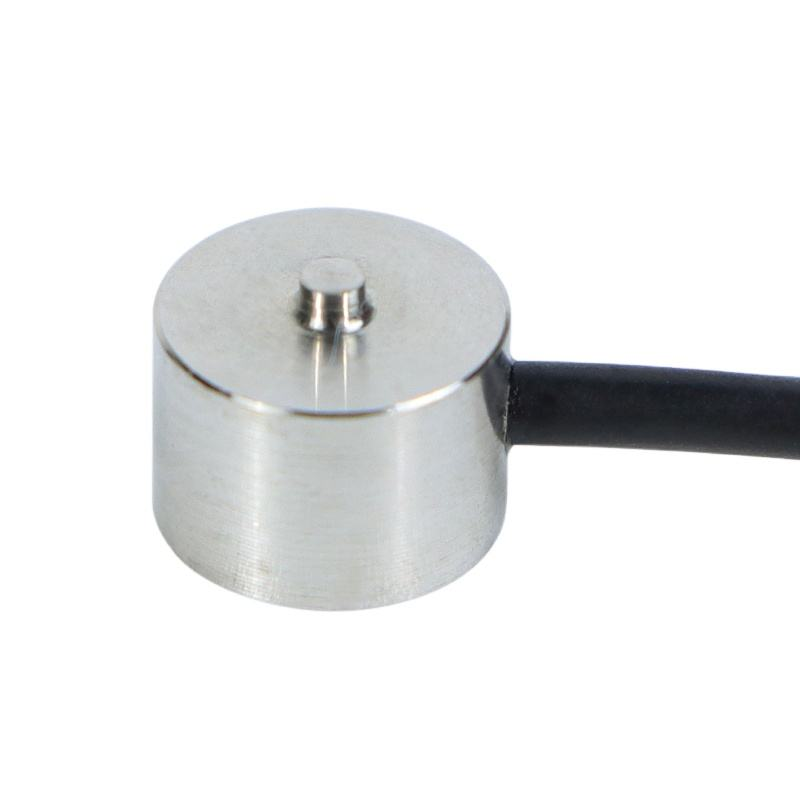
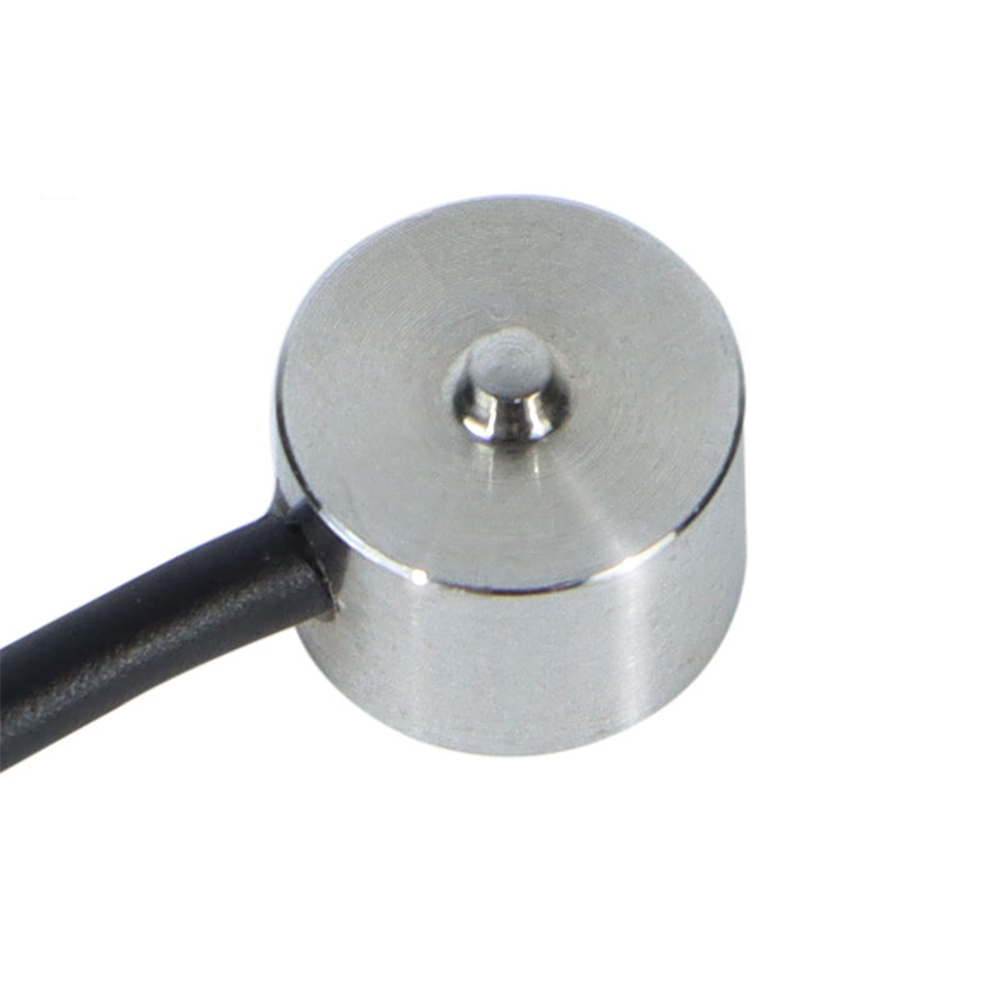
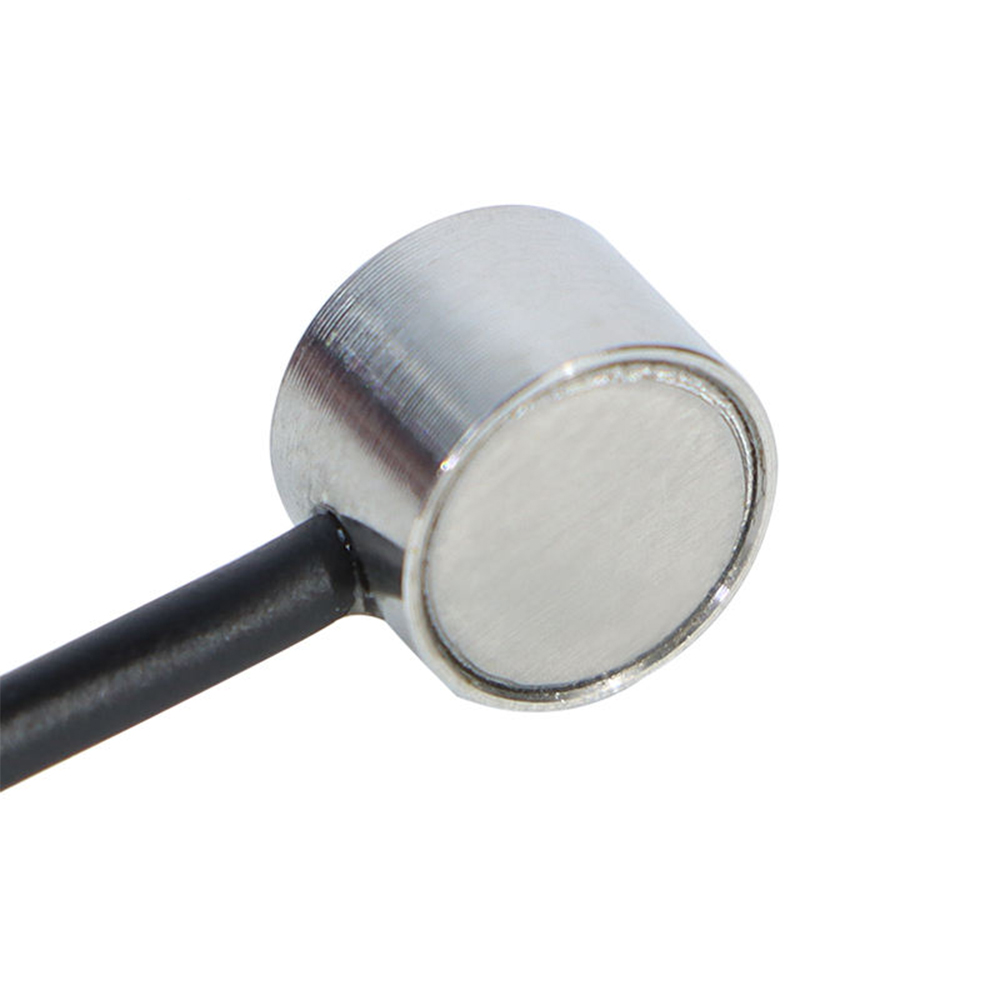
Miniature Tension Load Cells for Precision Measurement

application/miniature-tension-load-cell, application/miniature-tension-load-cell, 
Inquiry
Inquiry

miniature tension load cell

Miniature tension load cells are specialized  sensors designed to  measure  force or  weight  in tight spaces, making them essential  in various industrial applications. When  sourcing these components, B2B buyers often have concerns regarding specifications,  material choice,  and application  compatibility. This article  will provide  insights into selecting  the right miniature  tension load  cells, comparing specifications,  understanding  cost  factors, exploring  diverse applications, and recognizing the benefits  of using high-precision models in automation.

Comparing Specifications of Miniature Tension Load Cells for Wholesale Buyers

Comparing Specifications of Miniature Tension Load Cells for Wholesale Buyers

When comparing miniature tension load cells,  wholesale buyers should focus on critical specifications:

Specification Description Importance Rated Capacity  Maximum  load the  cell can measure Avoids exceeding limits, ensuring  safety  Sensitivity Output signal per unit  of load Affects resolution and accuracy of measurements Non-linearity Deviation from a straight line over the range  Influences reliability  and precision Temperature Range Operating temperatures  for accurate performance Ensures accuracy in  varying conditions Output Signal Type  of  signal (analog or digital)  Compatibility with monitoring systems

Understanding  these specifications allows buyers  to  make informed decisions, ensuring they select  the load cells  that best  fit their operational needs.

Cost Factors to Consider When Purchasing Miniature Tension Load Cells

Cost Factors to Consider When Purchasing Miniature Tension Load Cells

Several cost factors influence the pricing  of miniature tension load cells:

Material  Costs: The choice  of materials directly impacts price. Stainless steel models may cost  more  than aluminum but offer  better durability in harsh environments.

Technology and Features: Load cells equipped with advanced features, such as  wireless capabilities or specialized calibration,  will typically incur higher costs. Buyers should weigh the benefits against their specific needs. For instance, a Mv Signal Amplifier for Load Cell Transmitter can enhance functionality significantly.

Production Volume: Bulk orders may  qualify for discounts, reducing  the  per-unit cost. Understanding the minimum order quantity  (MOQ) can help buyers manage budgets effectively.

Customization Requirements: Custom manufacturing to meet specific  application needs can increase costs. Buyers should evaluate whether off-the-shelf solutions suffice or if custom options are necessary.

Shipping and Handling: Consider  logistics  costs, especially for international shipments. Shipping methods, packaging, and destination  can significantly affect overall  expenses.

By analyzing these  factors, buyers  can better understand their budget and make strategic purchasing decisions.

Applications of Miniature Tension Load Cells in Various Industries

Applications of Miniature Tension Load Cells in Various Industries

Miniature tension load cells find applications  across multiple sectors:

Manufacturing: Used for quality control  and material testing, these load  cells  help ensure  that products meet specified weight and strength requirements.

Aerospace: In the aerospace industry, load cells are essential for testing components under simulated operational conditions, ensuring safety and reliability.

Automotive: Miniature load cells help in the development and testing of  vehicle components, ensuring they meet performance and safety standards.

Medical Devices: These load  cells are crucial  for applications requiring precise  weight measurements, such  as  in scales for medical equipment.

Robotics  and  Automation: In automated systems, load cells provide feedback for load  management, improving efficiency and safety in operations.

Understanding  these applications can guide buyers in selecting the  appropriate load cells for their specific industry  requirements.

Benefits of Using High-Precision Miniature Tension Load Cells in Automation

High-precision miniature tension load cells offer numerous advantages in  automation:

Enhanced Accuracy: High-precision models provide more accurate measurements, leading to better control and efficiency in automated processes.

Improved Efficiency: By delivering real-time data on load conditions, these sensors enable prompt adjustments in automated systems, reducing downtime and enhancing productivity.

Space Efficiency: As  their name implies, miniature load cells  can fit into tight spaces, making them ideal for  applications where size  constraints are a concern.

Durability  and Reliability: Many high-precision load cells are designed to withstand harsh environments, ensuring  long-term  performance and reliability in demanding applications.

Cost-Effectiveness: While initial costs  may be higher, the precision and reliability of high-quality  load cells can lead to long-term savings by reducing waste and improving product  quality.

By leveraging the benefits of high-precision miniature tension load cells, businesses can enhance their  operational capabilities, leading to improved outcomes in automation processes. 

In  summary, selecting the right miniature tension  load cell requires careful consideration of  specifications, material suitability, cost factors, and application requirements. By understanding these elements, buyers can make informed decisions  that  enhance their operational  efficiency and  product quality.

What to Consider When Choosing Miniature Tension Load Cells for Your Project

When selecting miniature tension  load cells, buyers should focus on several key factors:

Capacity and Range: Determine the maximum load the load  cell will measure. Selecting a load cell with an appropriate capacity is crucial; exceeding the limit can lead to inaccurate readings or  permanent damage.

Accuracy and Precision: Look for specifications related to accuracy, typically expressed  as a percentage of full-scale output. Higher accuracy is essential in applications  requiring  precise measurements, such as quality control in manufacturing.

Material and Environmental Suitability: Consider  the operating  environment. Load cells made from stainless steel or aluminum are common; however, certain  applications may require materials  that resist corrosion, humidity, or extreme temperatures. For example, the High Performance 100Nm Static Torque Sensor Load Cell is designed for such demanding environments.

Installation  and  Compatibility: Assess the installation space and compatibility with existing machinery. Miniature load cells should fit seamlessly into the  design without requiring extensive modifications to  equipment.

Calibration and Certification: Ensure that the load  cells come  calibrated and meet necessary industry standards, such as CE or RoHS certifications.  This guarantees reliability and compliance  with regulatory requirements.

By taking these factors into account, buyers can select load cells that meet  their specific needs and application requirements.

Frequently Asked Questions

What is a miniature tension load cell used for?

A miniature tension load cell measures tensile forces in compact spaces, ideal for lifting, weighing, automation, and new energy applications requiring high-precision force monitoring.
Our miniature tension load cells offer high-precision accuracy with capacities from grams to several kilonewtons. Specific ranges and tolerances are provided per model on request.
Products comply with CE and RoHS certifications. We follow strict quality control and testing protocols to ensure reliable performance in industrial environments.
Yes. We offer OEM/ODM options including tailored mounting, signal outputs, calibration, and housing to meet application-specific requirements.
We support common analog outputs (mV/V), amplified voltage/current, and digital options. Wiring, connectors, and signal conditioning are configurable per project.

Get a Free Quote

Our representative will contact you soon.
0/1000