Choosing the Right Cable Tension Load Cell

application/cable-tension-load-cell, application/cable-tension-load-cell, 
Inquiry
Inquiry

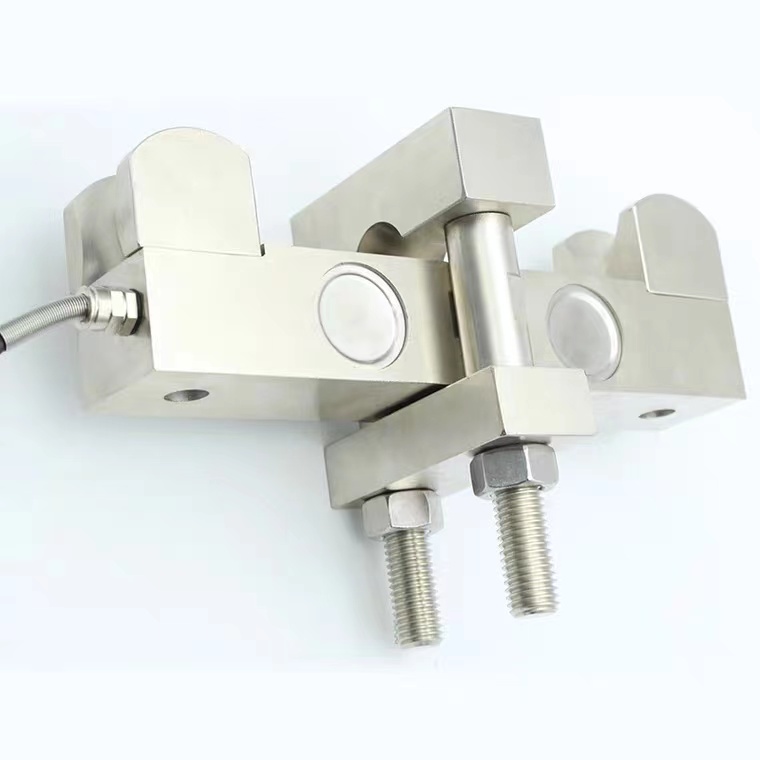
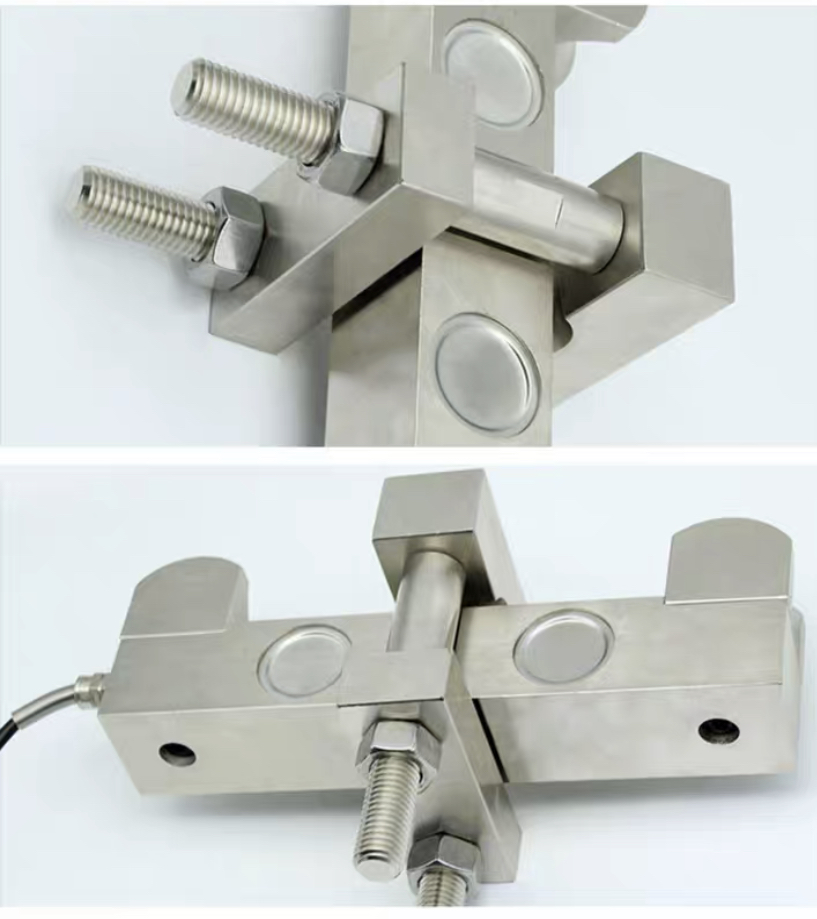
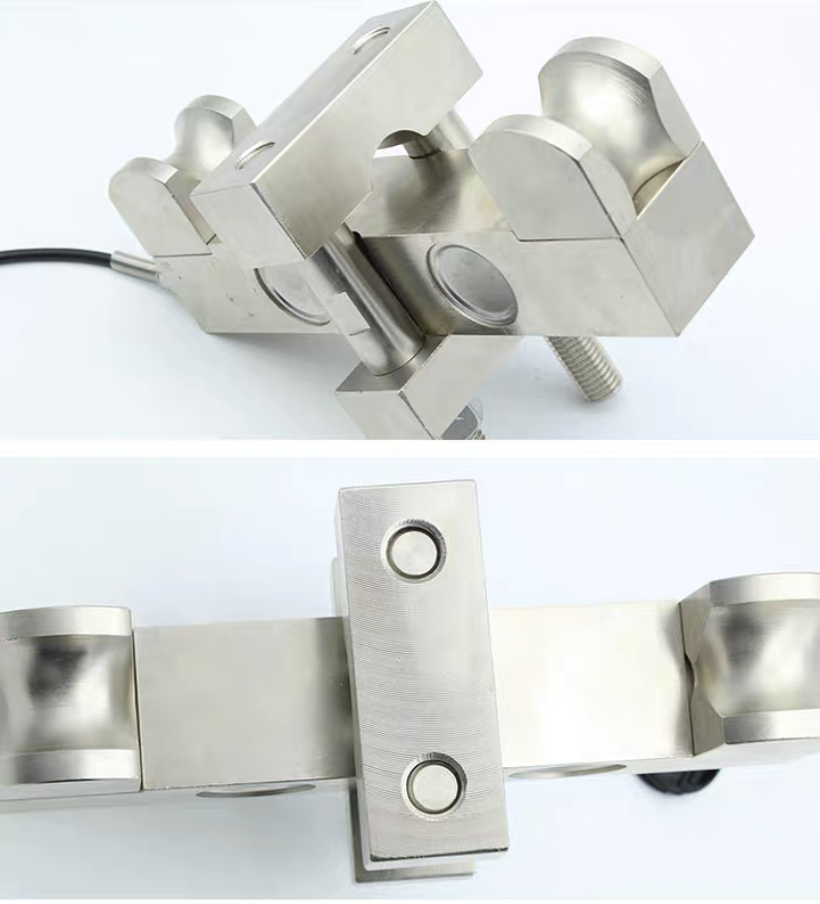
cable tension load cell

Cable  tension  load cells are critical  devices used  to measure  the tension in cables and their applications span various industries, including construction, manufacturing,  and energy. When  considering  a purchase, B2B buyers often  have concerns  about accuracy,  reliability, and compatibility with existing systems. This  article will guide  you  through selecting the right cable tension load cell, sourcing  them in  bulk, understanding key specifications, evaluating  cost  factors,  and comparing different models to meet  your project requirements.

Where to Source Reliable Cable Tension Load Cells in Bulk

Where to Source Reliable Cable Tension Load Cells in Bulk

When  sourcing cable tension load cells, especially in  bulk, it's vital  to consider suppliers with proven reliability and quality assurance measures. Start by identifying manufacturers that specialize  in load cells and have  robust certifications like CE and RoHS, indicating compliance with international safety and environmental standards.

Establishing a strong  relationship with an  OEM/ODM  supplier can provide benefits  such as customization options, which can be tailored to meet  unique project specifications.  Evaluate suppliers based on their production capacity, lead times, and flexibility in  order quantity. A reputable manufacturer, like JIANGXI JINGCE SENSING TECHNOLOGY  CO., LTD., can offer not only bulk purchasing options but also insights  into  the  latest  technology trends in  load  cell applications, ensuring you  make informed decisions. This includes understanding various types of load cells, such as the Tension load cell, which may suit specific needs.

Key Specifications to Consider for Cable Tension Load Cells

Key Specifications to Consider for Cable Tension Load Cells

Understanding the key specifications of cable tension load cells is crucial for ensuring they meet your operational needs. Here are some critical parameters to evaluate:

Capacity: The maximum load the cell  can measure.  It's essential to select a  load cell with a capacity that exceeds the  expected maximum load to ensure safety and accuracy. Accuracy: This indicates how precise the measurements  will be. Look  for load cells  with high accuracy ratings, often expressed as a percentage  of the full scale. Output Signal: This determines how the  load cell communicates with  your data acquisition system. Common outputs include analog  signals (e.g., mV/V) and digital signals (e.g., RS-232, RS-485).  Ensure compatibility with your  system. Temperature Range: Operating temperature can  significantly affect performance. Choose load cells designed for the specific temperature range of your  application. Material:  The construction material influences durability and suitability  for  specific environments. Stainless steel is a common choice due to  its corrosion resistance.

Buyers should confirm these specifications against their application requirements to avoid issues during  installation and operation.

Cost Factors to Consider When Purchasing Load Cells Wholesale

Cost Factors to Consider When Purchasing Load Cells Wholesale

Several  cost factors  can influence the pricing of cable tension load cells, making it crucial for buyers to evaluate each aspect  carefully. Here are a  few key considerations:

Quantity: Larger orders  often benefit from bulk discounts, but  it’s essential to verify if the supplier’s pricing  structure supports this. Customization: Custom specifications may  increase the cost.  Determine  if the additional features or modifications align with  your budget and  project requirements. Material  and Design: More robust materials or complex designs typically come at a higher price due to increased manufacturing costs. Lead Time: If expedited shipping is required, this  may incur additional charges. Plan your project timeline accordingly to minimize costs.  Warranty and  Support: Consider the long-term value of warranty terms and post-purchase support. A slightly higher upfront cost may be justified by better service and support.

Understanding these factors  will help you make a more informed  decision when negotiating  prices with suppliers.


Comparing Different Cable Tension Load Cells for Your Needs

When comparing various cable tension load cells, it’s important to evaluate their performance metrics and suitability for your specific applications.  Start by gathering data sheets from  multiple suppliers  to conduct a side-by-side comparison of specifications such as:

Load Capacity: Ensure the models considered can handle the required load without risk of failure. Response Time: For dynamic applications, a load cell with  a faster response time may  be necessary to capture  real-time data accurately. Environmental Ratings: Assess IP ratings or other environmental certifications that indicate the  load cell's resilience to dust, moisture, or temperature extremes. Ease of Installation: Look for  designs that simplify integration into your existing systems. Features such as pre-drilled mounting holes or built-in connectors can save time and labor costs. Brand Reputation: Review feedback and case studies from  other users to gauge reliability  and  performance in real-world applications.

By carefully comparing these aspects, you can select a cable tension load  cell that best meets your operational needs  while ensuring reliability and accuracy in your measurements.

In summary, the selection and procurement of cable tension load cells involve a detailed understanding of specifications, sourcing strategies, cost considerations, and comparative  analysis.  By leveraging the expertise  of established manufacturers like JIANGXI JINGCE SENSING  TECHNOLOGY CO., LTD.,  buyers can  ensure they make well-informed purchasing decisions that align with their  operational requirements.

Choosing the Right Cable Tension Load Cell for Your Projects

Selecting  the appropriate cable tension load cell involves understanding the specific application it will serve.  Consider the range of tension measurement required; load cells come in various capacities, so it’s essential to choose one that accommodates max load without compromising accuracy. Additionally, assess the environmental conditions where the load cell will be used,  such as temperature fluctuations, humidity, and exposure to chemicals.

For  instance, if the  load cell is used in an offshore application, ensure it has adequate protection against  corrosion and can function optimally in marine environments. Another  factor to consider is  the integration with existing systems; compatibility with your current data acquisition systems can significantly streamline  operations. JIANGXI JINGCE SENSING TECHNOLOGY CO.,  LTD. specializes  in high-precision load  cells that  can be  customized to meet  specific operational  needs, ensuring optimal  performance in diverse  applications. If you are interested in enhancing such capabilities, you might want to explore our Load cell options.


Frequently Asked Questions

What is a cable tension load cell used for?

A cable tension load cell measures tensile forces in cables, wires, and guy lines for lifting, weighing, tension monitoring, and safety control in industrial and energy applications.
We offer high-precision models with various rated capacities from low to high tons and accuracy classes suitable for lifting, weighing and automation needs.
Yes. Our cable tension load cells have CE and RoHS certifications and meet industry standards for safety and environmental compliance.
Yes. We offer OEM/ODM customization for specifications, mounting, connectors, and calibration to fit specific lifting, weighing, or automation requirements.
We provide technical support, calibration, testing reports, and after-sales service to ensure performance, integration guidance, and long-term reliability.

Get a Free Quote

Our representative will contact you soon.
0/1000