Choosing the Right Load Cell Display and Controller

application/load-cell-display-and-controller, application/load-cell-display-and-controller, 
Inquiry
Inquiry

load cell display and controller

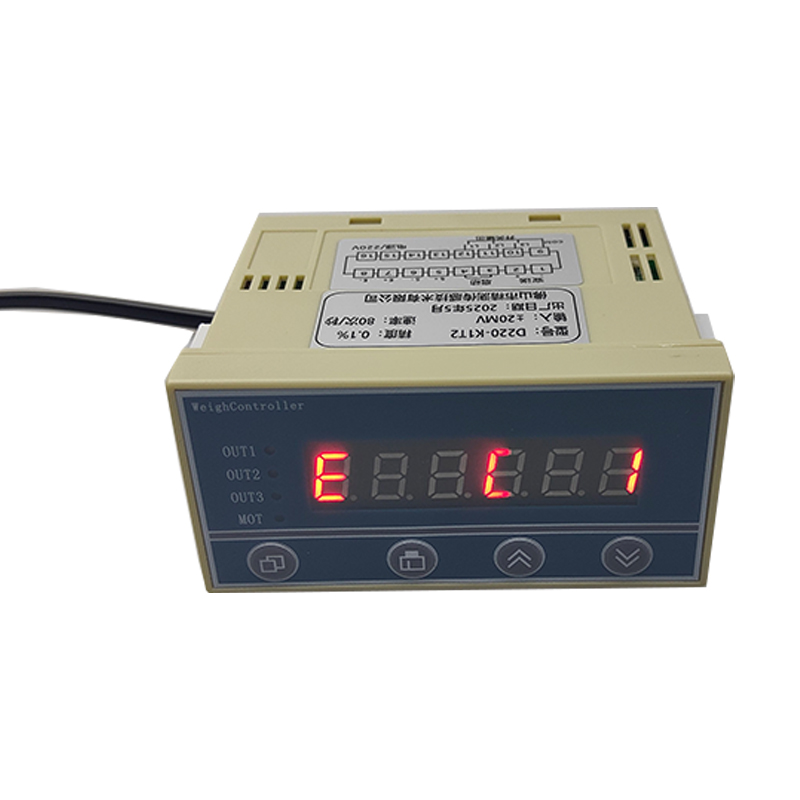
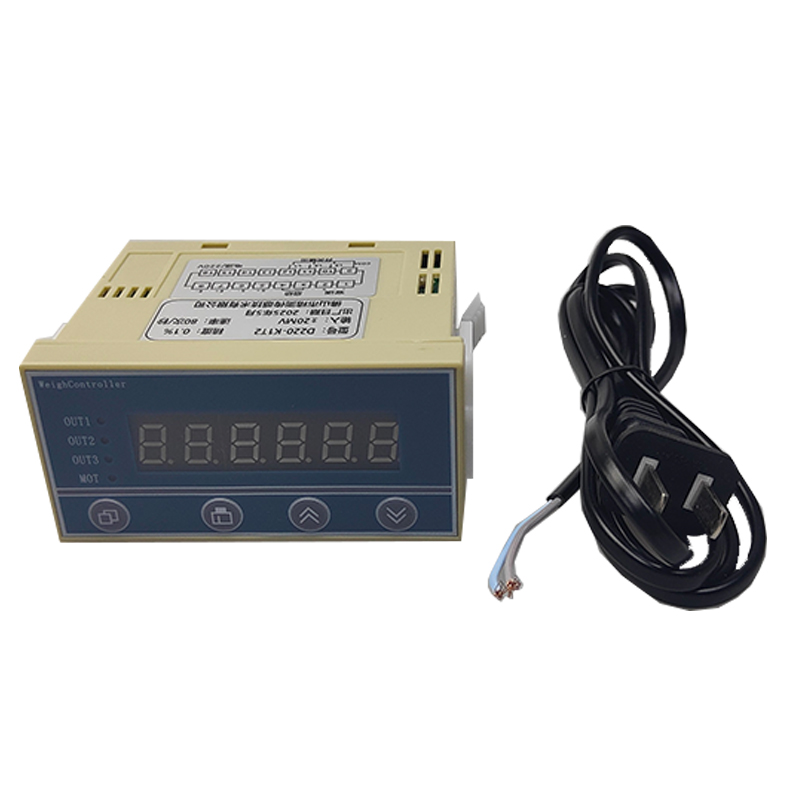
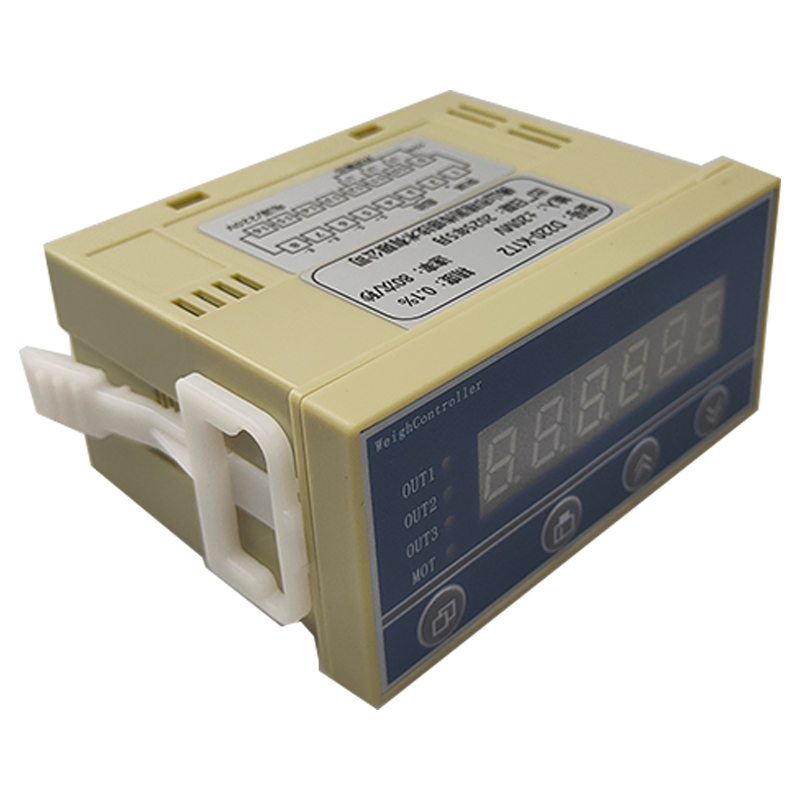
Load&nbps; cell displays&nbps; and controllers are essential components in various industrial applications, including&nbps; weighing, lifting, and automation. These devices convert the electrical signals from&nbps; load cells&nbps; into readable data, allowing&nbps; for&nbps; precise monitoring&nbps; and&nbps; control of weight and force. For B2B buyers,&nbps; understanding the&nbps; features and specifications of load cell displays and controllers&nbps; is&nbps; crucial to ensure compatibility with their&nbps; systems and&nbps; to meet their operational needs. This article will&nbps; guide you through selecting the&nbps; right load cell display&nbps; and controller, the key specifications to&nbps; consider, cost factors, installation guidance, and how to find reliable suppliers.

&nbps;
Key Specifications to Consider for Load Cell Controllers

Key Specifications to Consider for Load Cell Controllers

Understanding the specifications&nbps; of load cell controllers is pivotal for making informed&nbps; decisions. Here are some key specifications to evaluate:

Input&nbps; Signal Range: This indicates the range of signals the controller can accept from the load cells. Choosing a controller with an appropriate input signal&nbps; range ensures accurate readings without signal distortion.

Accuracy and Resolution: Accuracy&nbps; is&nbps; typically expressed as&nbps; a percentage of the&nbps; full-scale output, while resolution refers to&nbps; the&nbps; smallest change that&nbps; can be detected. For critical applications,&nbps; higher accuracy and resolution are vital.  

Environmental Ratings: Depending on where the display and&nbps; controller will be used, ensure that they have suitable environmental ratings, such as IP ratings for water&nbps; and dust resistance. This is particularly important in&nbps; industrial settings where exposure to harsh conditions is common.

Communication Protocols: Evaluate the&nbps; communication&nbps; interfaces available, such as USB, Ethernet, or wireless options, especially if the system&nbps; needs to interface with other equipment or software.

Power Supply Options: Consider whether the controller needs to operate on AC or DC power, and check for available&nbps; power&nbps; supply options to ensure compatibility with existing systems.

Understanding the Cost Factors of Load Cell Displays

Understanding the Cost Factors of Load Cell Displays

The cost of load cell displays and&nbps; controllers can vary significantly based on&nbps; several factors:

&nbps;

Technology and&nbps; Features:&nbps; Advanced&nbps; displays with features such as touch-screen interfaces, data logging, and connectivity options generally come at&nbps; a premium. Assess which features are essential for your application&nbps; to avoid unnecessary costs.

Customization: Custom solutions tailored to specific requirements may&nbps; incur&nbps; additional costs. It’s crucial to weigh the benefits of customization against standard offerings.

Volume and MOQ: Many manufacturers have minimum order quantities (MOQ) that can affect pricing. Ordering in larger&nbps; quantities may reduce the per-unit cost but requires careful planning&nbps; regarding inventory and demand.

&nbps;

Warranty and Support:&nbps; A product that includes a more&nbps; extended warranty or better&nbps; customer support may have a higher upfront cost but can lead to lower total costs over time due to reduced downtime and&nbps; support needs.

Shipping and Handling: If sourcing&nbps; from&nbps; overseas suppliers, consider shipping costs and lead times, as these can impact the overall cost and availability of the product.

&nbps;
Installation Guidance for Load Cell Displays in Various Applications

Installation Guidance for Load Cell Displays in Various Applications

Proper installation of&nbps; load cell displays and controllers is crucial for optimal&nbps; performance. Here&nbps; are some key installation&nbps; tips:

Mounting Considerations: Ensure that the display is mounted securely, following the&nbps; manufacturer's&nbps; guidelines. The installation location should allow for easy visibility and accessibility&nbps; for operators.

&nbps;

Wiring and Connections: Follow electrical schematics for proper wiring&nbps; and&nbps; ensure that all connections are secure. Proper grounding is essential to minimize&nbps; interference and ensure accurate readings.

Calibration: After installation, calibrate the load cell display&nbps; and controller according to the&nbps; manufacturer’s instructions. Calibration&nbps; ensures&nbps; that the system provides accurate&nbps; readings and operates within&nbps; specified parameters.

Testing: Conduct&nbps; thorough testing of the system post-installation. Load testing can&nbps; help verify that the system&nbps; functions correctly under various conditions and that all components work harmoniously.

Documentation: Keep all installation and calibration documentation accessible for future reference, as this will be critical for maintenance and troubleshooting.

Where to Find Reliable Suppliers for Load Cell Displays and Controllers

Finding reliable suppliers for load cell&nbps; displays and controllers involves several strategies:

Industry Research: Start by researching manufacturers with&nbps; a proven track record&nbps; in the industry, such as JIANGXI JINGCE SENSING TECHNOLOGY CO., LTD. Look for companies that specialize in high-precision sensors and have&nbps; experience serving your specific industry needs.

Certifications and Standards: Verify&nbps; that suppliers have relevant certifications, such as CE or RoHS, which can indicate compliance with quality and safety standards.  This is&nbps; particularly important when sourcing for sectors like automation and new energy.

Customer Reviews and Case Studies: Examine customer testimonials and case studies to gauge the reliability and performance&nbps; of the supplier’s products. This can provide insight into the supplier's reputation and the performance of their products in real-world applications.

Supplier Communication:&nbps; Engage with potential suppliers to assess their&nbps; communication and support capabilities. A supplier that&nbps; is responsive and knowledgeable can&nbps; greatly&nbps; enhance the purchasing experience.

Sample Requests: Before making a bulk purchase, request samples to assess quality and compatibility with your systems. This step is essential for verifying that the product&nbps; meets&nbps; your specifications and performance&nbps; criteria.

In summary, selecting the right load cell display and controller requires&nbps; a&nbps; careful assessment of application needs, specifications, cost factors, and reliable suppliers. By following&nbps; the guidance provided , B2B buyers can make informed decisions that&nbps; enhance their operational efficiency and product reliability. Consider exploring options like the Customizable PMC Sensors Load Cell Transmitter for tailored solutions.

Choosing the Right Load Cell Display and Controller for Your Needs

When selecting a load cell display and controller, first consider the specific application requirements. Different industries may require varying levels of precision, connectivity options, and features. For example, in&nbps; automation and process control,&nbps; a display with advanced communication protocols (like&nbps; RS-232 or RS-485) may be essential for integration with existing systems.

Another critical aspect is the display type: digital or analog. Digital displays provide more accurate readings and are easier to read, especially in low-light&nbps; environments. Additionally, consider whether&nbps; the controller will&nbps; need&nbps; to handle&nbps; multiple load cells simultaneously, as some models support multiple inputs, which&nbps; can be beneficial&nbps; in more complex&nbps; setups. For advanced solutions, you might want to explore Mv Signal Amplifier for Load Cell Transmitter Signal Converter.

&nbps;

Customization&nbps; is also a&nbps; factor. Many manufacturers, including JIANGXI JINGCE SENSING&nbps; TECHNOLOGY CO., LTD., offer OEM/ODM solutions that can tailor the&nbps; load cell display&nbps; and&nbps; controller to fit&nbps; specific operational needs, such as custom housing or unique interface&nbps; requirements.

Frequently Asked Questions

What is the load cell display and controller used for?

It displays and controls signals from load cells and force sensors for weighing, lifting, automation, and testing applications, enabling real-time readout, calibration, and output control.
Compatible with high-precision load cells, force sensors, and wireless dynamometers providing standard analog or digital outputs; custom OEM/ODM interfaces available on request.
Our products carry CE and RoHS certifications and are manufactured under strict quality controls to meet industrial accuracy and safety requirements.
Yes. We offer OEM/ODM customization for display layout, input types, communication protocols, and mounting to match lifting, weighing, automation, or new energy needs.
Typical options include analog outputs, RS232/RS485, and configurable relay or alarm outputs; specific interfaces can be tailored per project requirements.

Get a Free Quote

Our representative will contact you soon.
0/1000