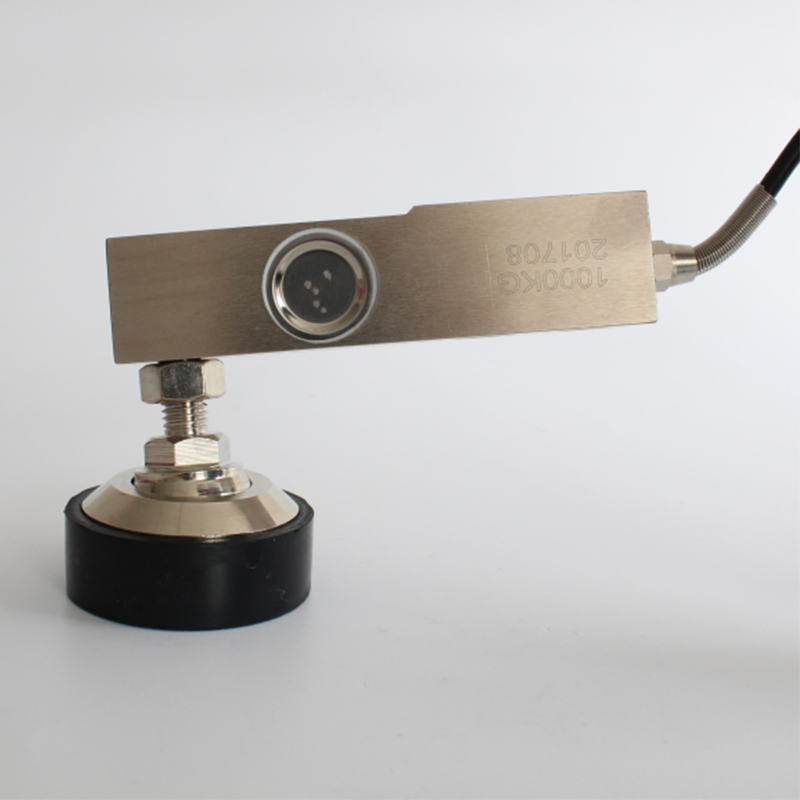
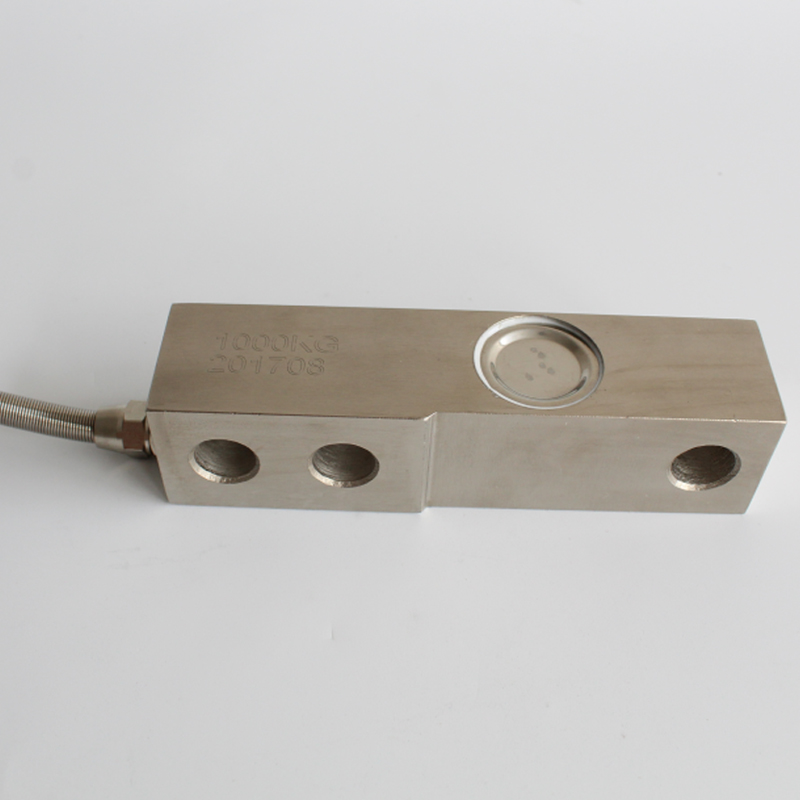
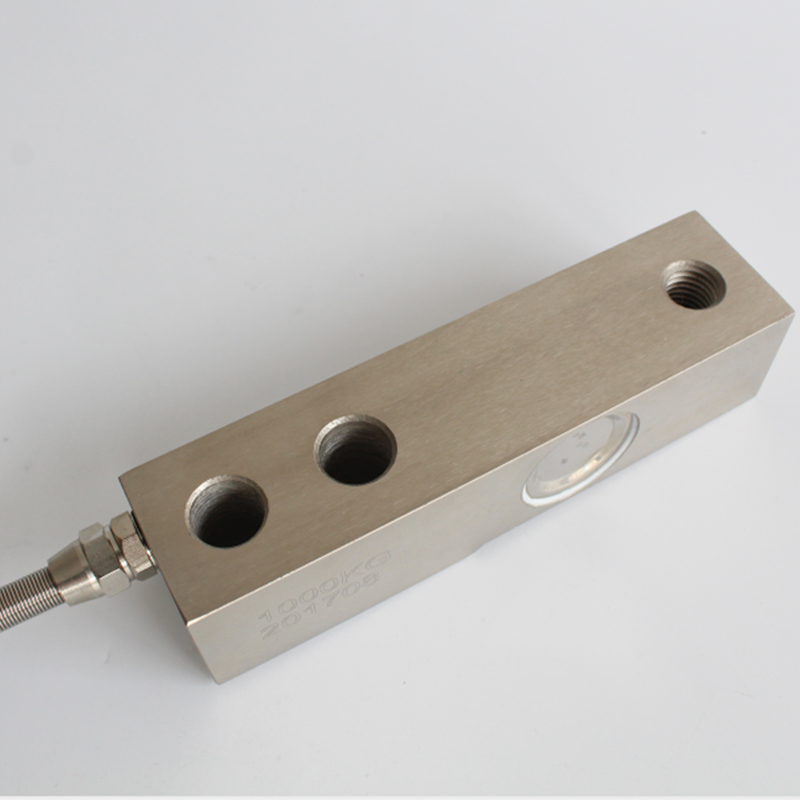
Key Specifications for Industrial Weighing Scales

application/industrial-weighing-scale, application/industrial-weighing-scale, 
Inquiry
Inquiry

Industrial weighing scale

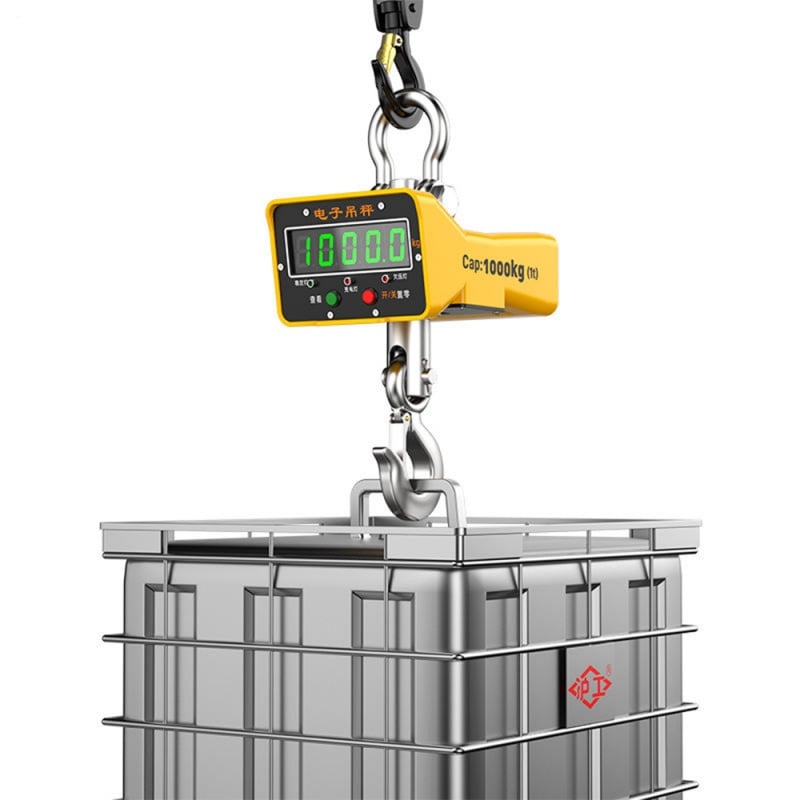
Industrial weighing scales are essential tools in various sectors, particularly manufacturing, logistics, and automation.  These scales ensure precise weight measurements crucial for compliance, quality control, and operational efficiency.  Buyers often face concerns regarding accuracy, suitability for specific applications, and the reliability of suppliers. This article will guide B2B buyers through key considerations when evaluating industrial crane weighing scales, helping them make informed purchasing decisions from PST.

Where to Source Reliable Industrial Weighing Scales in Bulk?

Where to Source Reliable Industrial Weighing Scales in Bulk?

Sourcing industrial weighing scales in bulk requires careful consideration of both suppliers and product quality. Here are some tips:  

Evaluate Suppliers: Conduct thorough research on potential suppliers, focusing on their reputation, experience, and customer feedback.  Suppliers with a long history in the industry, such as PST, often have established quality control processes that ensure product reliability. 

Request Samples: Before placing bulk orders, request samples to assess the quality and performance of the heavy duty hanging scale.  Verify that the samples meet the required specifications and perform as expected under real operational conditions. 

Understand MOQ and Pricing: Be aware of the Minimum Order Quantity (MOQ) a supplier may require.  Additionally, inquire about pricing structures, including volume discounts, to optimize your purchasing budget. 

Review Customization Options: Many suppliers offer OEM/ODM solutions, which can be advantageous if you need specific features tailored to your operations.  Discuss customization capabilities early in your supplier evaluation process to ensure that your needs can be met. 

Common Problems with Industrial Weighing Scales and Solutions

Common Problems with Industrial Weighing Scales and Solutions

Industrial weighing scales can encounter several common issues that may affect their performance.  Understanding these challenges can help buyers implement effective solutions: 

Calibration Drift: Over time, scales may drift from their calibrated settings, leading to inaccurate measurements.  Regular calibration checks should be scheduled, and having a reliable service provider for recalibration can mitigate this issue. 

Environmental Factors: Temperature fluctuations and humidity can impact scale performance.  It’s crucial to install scales in controlled environments when possible. If this isn’t feasible, consider scales with built-in features to compensate for environmental variations. 

Mechanical Wear: Frequent use can lead to mechanical wear, especially in heavy-duty environments.  To combat this, select scales designed for high usage and ensure routine maintenance checks are in place to identify wear early. 

Power Supply Issues: For electronic scales, power fluctuations can affect accuracy.  Using an uninterruptible power supply (UPS) can help maintain consistent performance in environments with unstable power sources. 

Benefits of High-Precision Industrial Weighing Scales in Manufacturing

Benefits of High-Precision Industrial Weighing Scales in Manufacturing

Investing in high-precision industrial weighing scales offers several advantages in manufacturing:

Enhanced Accuracy: High-precision scales provide more reliable measurements, which is critical for quality control. This precision helps reduce material waste and ensures product consistency.  

Improved Efficiency: Accurate weighing reduces the time spent on rework and minimizes errors in production. This efficiency can lead to significant cost savings over time.  

Regulatory Compliance: Many industries require adherence to strict regulations regarding weight measurements.  High-precision scales help ensure compliance, reducing the risk of legal issues or fines. 

Data Integration: Many high-precision scales come equipped with advanced data management systems, allowing for better tracking and reporting of weights.  This integration supports overall operational efficiency and decision-making.  

Installation Guidance for Industrial Weighing Scales in Your Facility

Proper installation of industrial weighing scales is crucial for optimal performance. Here are key considerations:

Location: Choose a stable, level surface for installation to prevent measurement inaccuracies. Avoid areas with excessive vibrations, temperature fluctuations, or direct exposure to elements that could affect performance. 

Calibration After Installation: Once installed, scales should be calibrated to ensure accuracy in their new environment.  This calibration should ideally be conducted by a qualified technician. 

Training Staff: Ensure that personnel responsible for operating the scales are adequately trained. They should understand how to use the scales properly, interpret the data, and perform basic troubleshooting. 

Regular Maintenance: Establish a maintenance schedule to check the scale's accuracy and condition regularly. This proactive approach will help identify potential issues before they affect operations. 

By focusing on these aspects, businesses can enhance their procurement processes for industrial weighing scales, ensuring they select the right products that meet their operational needs effectively.

Key Specifications to Evaluate in Industrial Weighing Scales

When assessing industrial weighing scales, several specifications are critical to ensure they meet operational requirements. 

Accuracy and Resolution: Accuracy is paramount, particularly in applications where even slight deviations can lead to significant issues.  The resolution, which indicates the smallest increment the scale can measure, should align with the precision required in your operations.  For instance, a higher resolution is necessary for laboratory settings compared to general warehouse use. 

Capacity and Operating Range: Buyers must confirm the maximum capacity of the scale and its operational range.  Scales from PST designed for heavy-duty applications, such as those in manufacturing or shipping, should handle high weights effectively without compromising performance.  It’s advisable to select a scale with a capacity exceeding your highest expected weight to prevent overload. 

Construction and Material: The materials used in the construction of the scale can influence its durability and suitability for specific environments.  Corrosion-resistant materials like stainless steel are ideal for harsh environments, while scales used in clean rooms may require specific surface treatments to prevent contamination.  

Calibration and Compliance: Regular calibration is essential for maintaining accuracy.  Ensure the scale complies with relevant industry standards and regulations, such as CE or RoHS certifications.  This compliance not only ensures accuracy but also builds trust in the quality of your operations. 

Interface and Connectivity: Modern industrial digital hanging weighing scale often come equipped with various interfaces, including USB, Ethernet, or wireless connectivity options.  These features facilitate better data integration into existing systems, enhancing overall operational efficiency. 

Frequently Asked Questions

What industries use your industrial weighing scale?

Our scales serve lifting, weighing, automation, and new energy industries worldwide, suitable for factories, warehouses, and R&D applications requiring high-precision measurement.
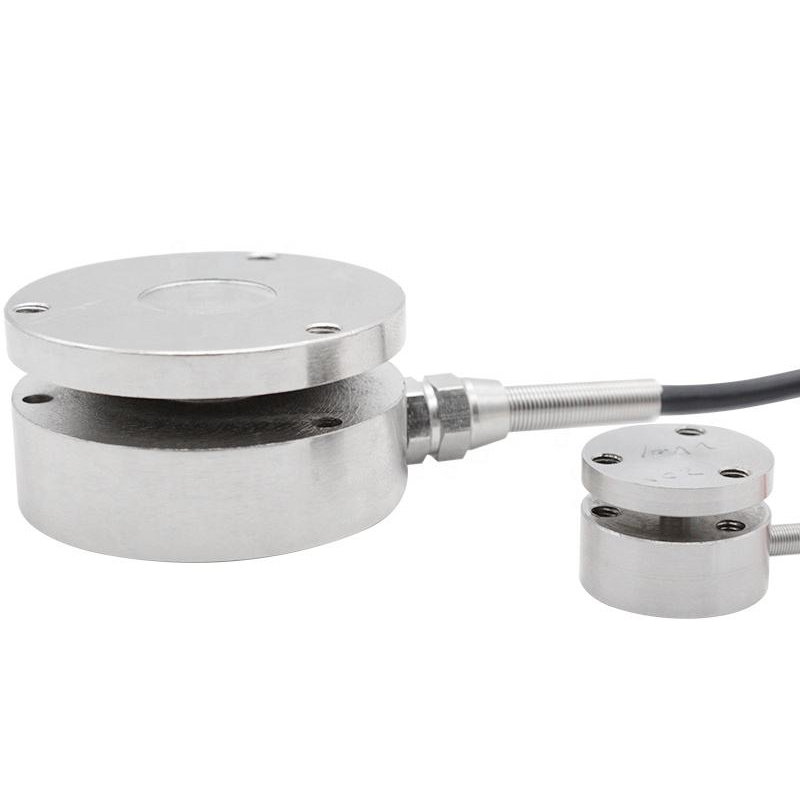
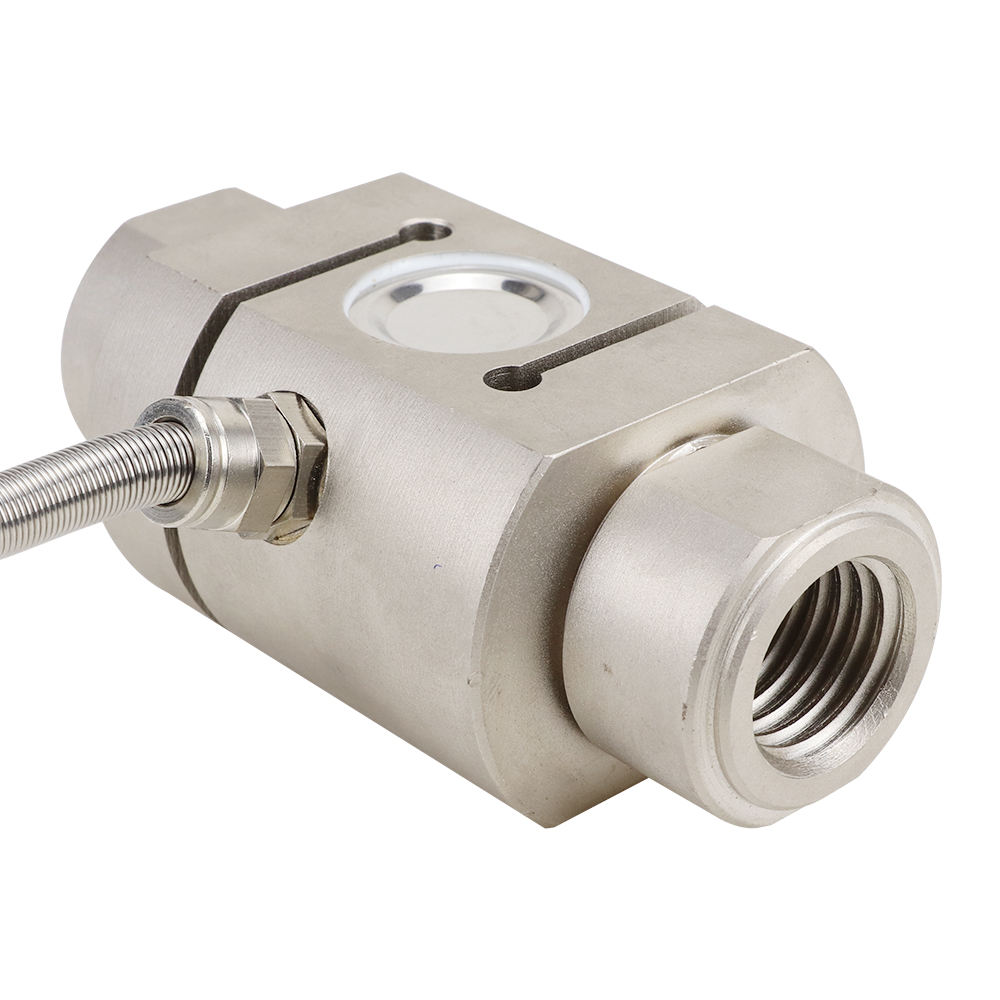
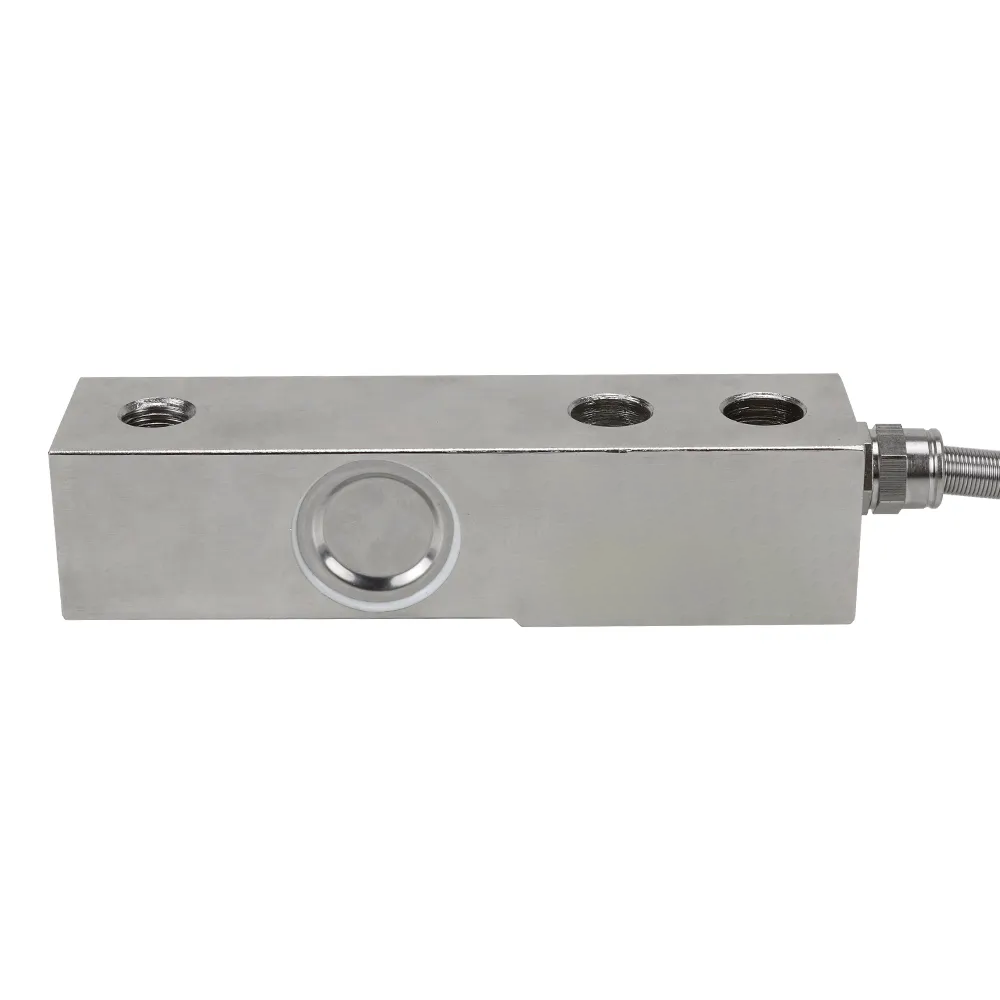
We offer high-precision load cells with various capacity ranges from low to heavy loads; specific accuracy and ranges are customizable based on application needs.
Yes. Our products hold CE and RoHS certifications, ensuring compliance with essential safety and environmental standards for industrial use.
Yes. We deliver OEM/ODM customization for load cells, force sensors, and wireless dynamometers to meet specific design, interface, and performance requirements.
We provide technical consultation, installation guidance, calibration assistance, and warranty support to ensure reliable performance and integration into customer systems.

Get a Free Quote

Our representative will contact you soon.
0/1000