Load Cell Indicator Manufacturer for Your Needs

application/load-cell-indicator-manufacturer, application/load-cell-indicator-manufacturer, 
Inquiry
Inquiry

load cell indicator manufacturer

Load cell indicators are  essential devices used in various industrial  applications to measure and display weight or force. As a  load cell indicator manufacturer, JIANGXI JINGCE SENSING TECHNOLOGY  CO., LTD.  specializes  in high-precision solutions that cater  to the needs of industries such as lifting, weighing, automation, and new energy. Understanding the right  specifications, application suitability, and pricing factors is crucial for  B2B  buyers, including  purchasing managers and  engineers, as they seek reliable solutions for their projects. This article  aims  to equip you  with essential information on selecting the right load cell  indicator,  understanding cost factors, best  practices,  applications, and common  issues you may encounter during your purchasing journey.

Understanding Cost Factors for Bulk Orders of Load Cell Indicators

Understanding Cost Factors for Bulk Orders of Load Cell Indicators

When planning to purchase load  cell indicators in  bulk, several cost factors come into play. First  and foremost, the  unit price typically decreases with larger  order quantities due to  economies of scale. However, factors like customization requests or  special features may affect the  overall cost.

Material selection is another critical cost  component. Load cell indicators can be fabricated from various materials, each impacting durability, weight, and price. For instance,  stainless steel indicators may cost more than  plastic alternatives but offer  better corrosion resistance and longevity, which may be essential for certain  applications.

Additionally, consider the total cost of ownership. This includes not only the purchase price but also maintenance, calibration, and potential downtime costs. Investing in high-quality indicators from a reputable manufacturer can minimize long-term  expenses related to replacement and  repairs. For high-quality options, explore our Original Factory High Quality Precision Load Cell Force Sensors.

Lastly, shipping  and handling costs should not be overlooked, especially if your order  requires international shipping. Ensuring that you account for these expenses  in your budget will help you make more informed purchasing  decisions.

Best Practices

Best Practices

To ensure the  successful integration of load cell indicators into your operations, several  best practices should  be followed. First,  always conduct thorough research and  comparisons between different suppliers to evaluate their product offerings, certifications, and customer reviews. This will help you select a trustworthy manufacturer that meets your quality standards.

Before finalizing  your order, request samples of the  load cell indicators you are considering. Testing these samples in your specific application can reveal potential compatibility issues and confirm  that the  specifications meet your requirements. Remember, a sample should be evaluated under actual operating conditions to ensure accurate performance.

Documentation is  also crucial;  ensure  that you receive complete technical  specifications, installation guidelines, and maintenance instructions with your order. This information will be invaluable for your team  when setting up  the systems and conducting  any necessary troubleshooting.

Lastly, maintain open lines of communication with your supplier. Discuss any  concerns or requirements during the order process to minimize misunderstandings and ensure  that your needs are met.

Applications of Load Cell Indicators in Various Industries

Applications of Load Cell Indicators in Various Industries

Load cell indicators are utilized across a broad spectrum of industries, each  with unique requirements.  In the manufacturing sector, they play  a critical  role in quality control by providing accurate weight  measurements during the  production process. This ensures that  products  meet regulatory  standards and reduces waste.

In the construction  and  lifting industries, load cell indicators are essential  for monitoring loads on cranes and hoists. They help prevent  overloads, ensuring both safety and operational efficiency. Accurate load monitoring can also be crucial  for compliance with  safety regulations.

In the agricultural  sector, these  indicators assist in the precise measurement of materials such as feed or fertilizer, optimizing resource  management  and enhancing productivity. Additionally, in the medical industry, load cell indicators are used in scales for patients, ensuring accurate weight  measurement for health assessments.

The versatility of load cell indicators makes them indispensable tools in various applications, and understanding their specific uses can help buyers select the right products for their needs.

Common Problems with Load Cell Indicators and Effective Solutions

Despite their  reliability, load cell indicators can encounter several common issues that buyers should be aware of.  Calibration drift is  one such problem, where the accuracy of the indicator may degrade  over time.  To mitigate this, regular calibration checks are essential, and maintaining a log of these calibrations can help track performance over time.

Another issue is environmental interference. Factors such as temperature fluctuations, humidity, and electromagnetic interference can  affect measurement accuracy. When selecting load cell indicators, consider those  designed to operate within your  specific environmental conditions. For instance, indicators with robust  housing and sealing  may be necessary for outdoor or industrial settings.

Additionally, improper installation can lead  to operational  problems. Ensure that the load cell indicator is installed according to the  manufacturer's guidelines, paying attention to mounting positions and alignment to avoid  measurement errors.

Lastly, communication errors can arise when integrating load cell indicators with  other systems. Ensure that the  chosen indicators support the required communication protocols, and consider conducting thorough testing  with your existing  systems before full deployment.

By understanding these common challenges and implementing proactive solutions, buyers can enhance the longevity  and performance of their load cell indicators.

How to Choose the Right Load Cell Indicator for Your Projec

Selecting the appropriate load cell indicator for your project involves several critical considerations. First, assess the  intended application:  will it be used in a weighing system, force measurement, or automation process? Different applications may require specific  features such  as digital or analog output, display size, or communication protocols.

Next, consider the load capacity and accuracy requirements. Load cell indicators come  with  various specifications, typically measured in pounds or kilograms, and often provide accuracy ratings. For  instance, if your  application involves high precision, look for indicators with tighter accuracy tolerances, as this directly impacts  measurement quality.

Compatibility is also vital. Ensure that  the load cell indicator is compatible with your existing load cells and other equipment. If you are  unsure, collaborating with  a manufacturer like JIANGXI  JINGCE SENSING TECHNOLOGY can provide insights into suitable combinations that  optimize performance. For more options, you might also consider our Customizable PMC Sensors Load Cell Transmitter to meet specific needs.

Finally, consider customization options.  Many manufacturers offer OEM/ODM  solutions that allow modifications to fit your specific needs, such as housing materials, display formats, or output types. Discussing these  requirements  early in the process can streamline production and ensure the  final  product aligns with your expectations.

Frequently Asked Questions

What is a load cell indicator and its purpose?

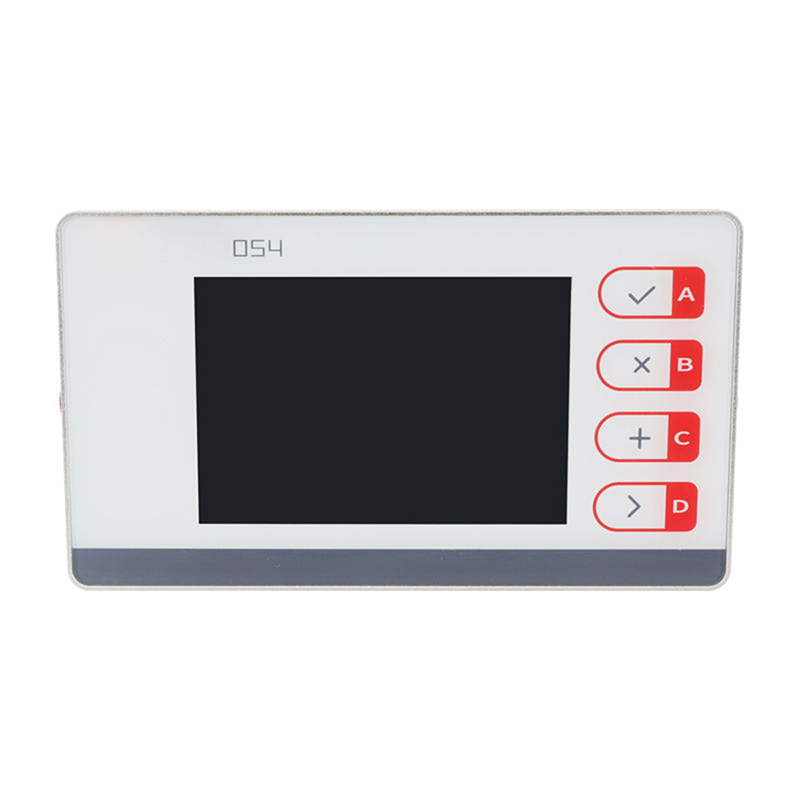
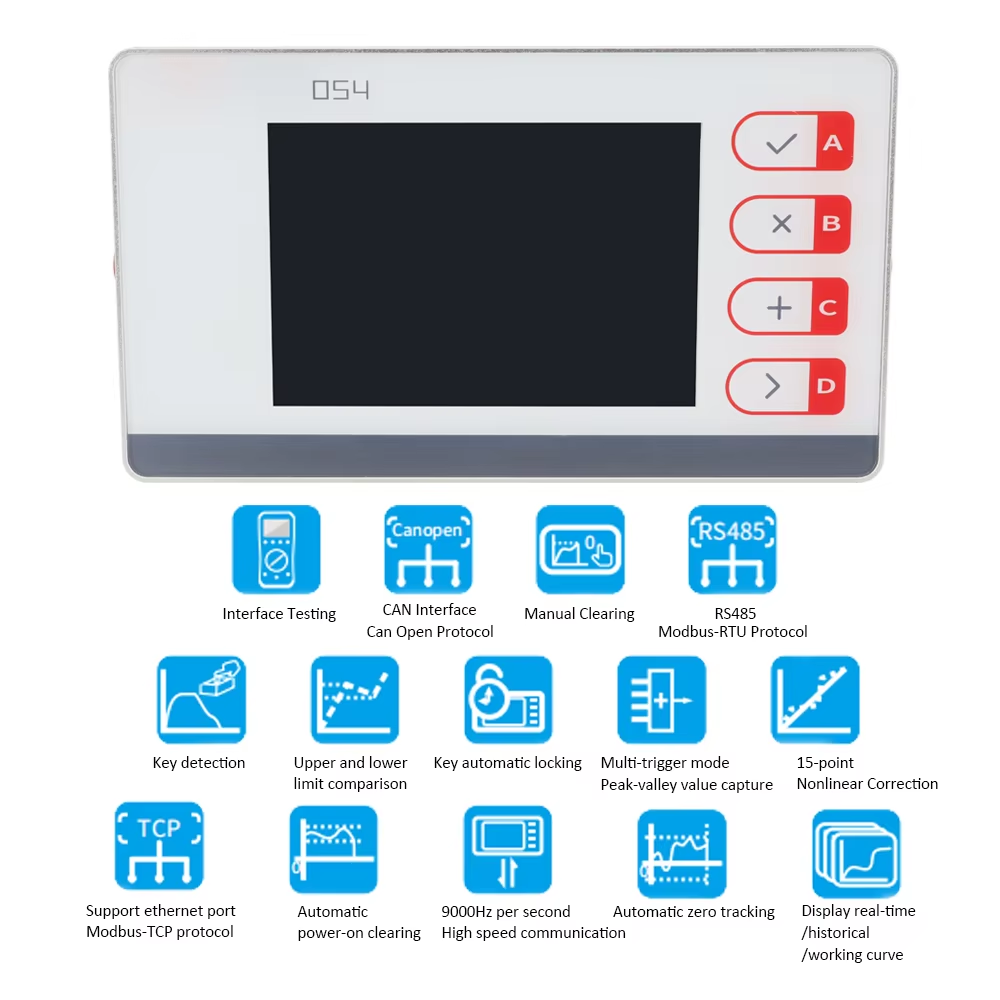
A load cell indicator displays and processes signals from load cells or force sensors, providing accurate weight, force readings, calibration, and output options for control systems in lifting, weighing, automation, and new energy applications.
Our products carry CE and RoHS certifications, ensuring compliance with European safety and environmental standards for reliable and safe industrial use.
Yes. We provide OEM/ODM customization including calibration, interface options, enclosures, communication protocols, and branding to meet specific industrial requirements.
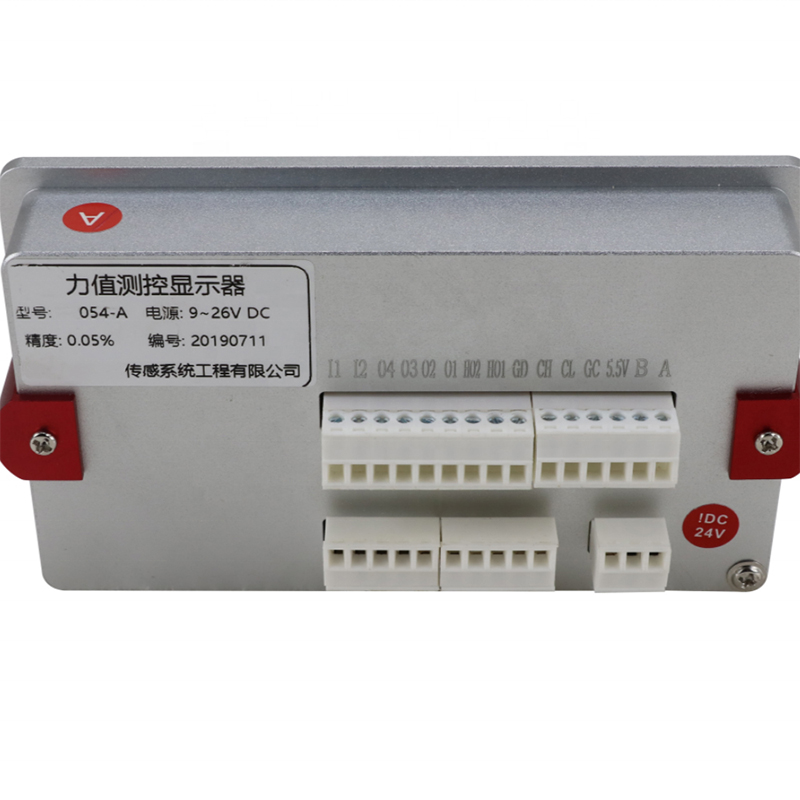
Indicators support common industrial interfaces such as 4-20mA, RS232/RS485, Modbus, and analog/digital I/O, with wireless options available for remote monitoring.
We offer factory calibration procedures, calibration certificates, technical documentation, and global after-sales support including troubleshooting, spare parts, and firmware updates.

Get a Free Quote

Our representative will contact you soon.
0/1000