Digital Load Cell Indicators for B2B Applications

application/digital-load-cell-indicator, application/digital-load-cell-indicator, 
Inquiry
Inquiry

digital load cell indicator

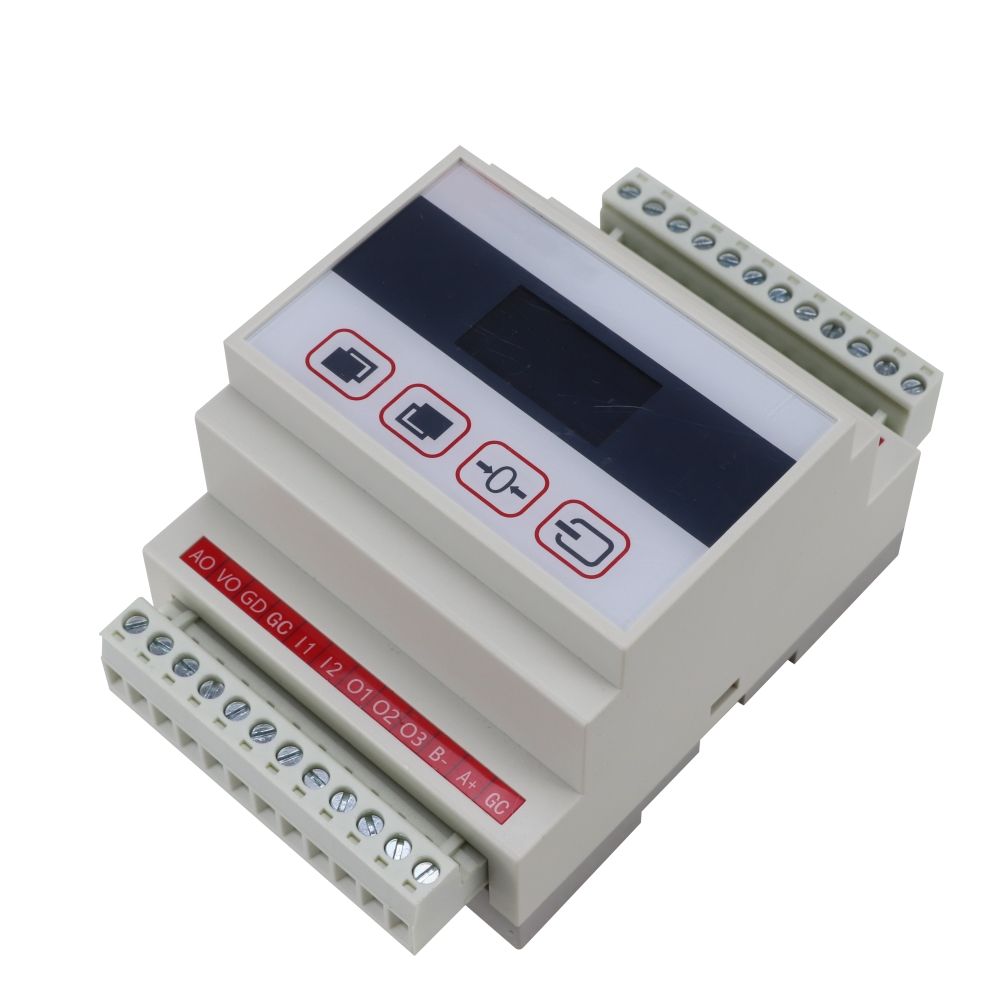
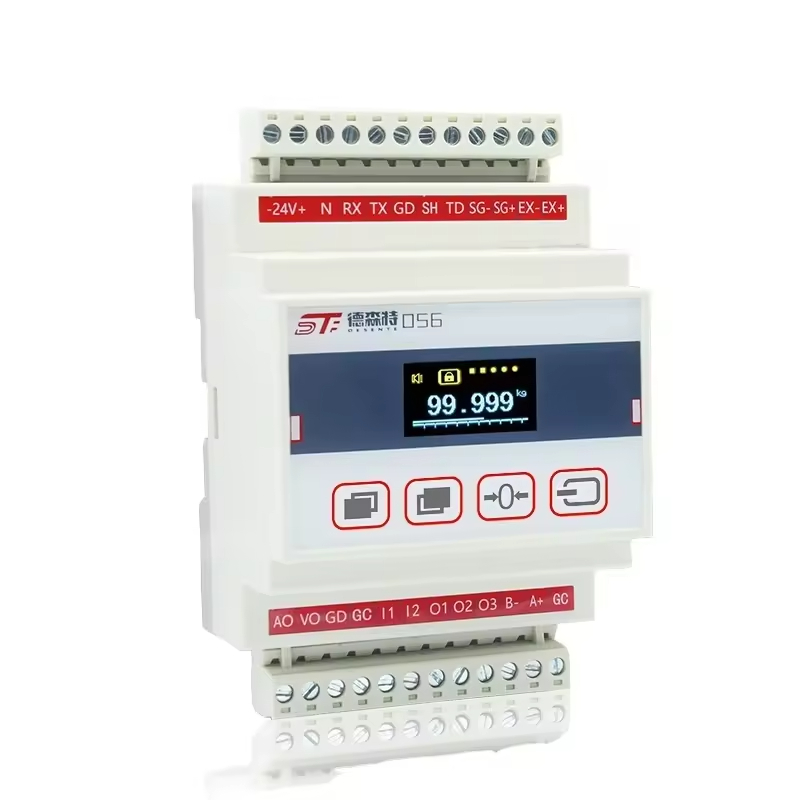
Digital load cell  indicators are essential devices that provide  precise measurements  of weight and force in various applications, including  manufacturing, automation, and lifting operations.  For B2B buyers  such as purchasing  managers,  engineers,  and product managers,  understanding the specifications and capabilities  of digital load  cell indicators is crucial. This article will  explore key  specifications to evaluate, sourcing  options  for wholesale purchases, cost factors,  common issues  and solutions, and the diverse applications of these indicators to aid in  making informed purchasing decisions.

 
Where to Source Reliable Digital Load Cell Indicators Wholesale

Where to Source Reliable Digital Load Cell Indicators Wholesale

Sourcing  digital load cell indicators wholesale  requires careful consideration of suppliers to  ensure reliability and quality.

Manufacturer  Direct: Companies like JIANGXI JINGCE SENSING TECHNOLOGY  CO., LTD. offer OEM/ODM solutions  and can provide tailored indicators to meet your specific requirements.  Buying directly from manufacturers can  often reduce costs and streamline communication.

Distributors and Wholesalers: Established  industrial distributors often carry a range of indicators from multiple manufacturers, allowing for comparison and evaluation. Ensure that these distributors have a good reputation and provide after-sales support.

Online Marketplaces: While platforms like Alibaba or Global  Sources  can provide access to numerous suppliers, it’s essential to vet these companies carefully. Look for verified suppliers  with good customer feedback and check their compliance with quality standards.

Industry Trade Shows: Attending trade shows  and exhibitions can provide firsthand experience with various products and direct interaction with  manufacturers and suppliers. This  is  also an excellent opportunity to discuss  customization options and gain insights into  the latest technological advancements.


Professional Networks: Engaging in industry forums or networks can lead to recommendations for reliable suppliers. Peer reviews and experiences can guide you toward trustworthy sources.

By utilizing these channels, you can  secure high-quality digital load cell indicators that meet your operational needs.

Understanding the Cost Factors of Digital Load Cell Indicators

Understanding the Cost Factors of Digital Load Cell Indicators

The cost of  digital load cell indicators can vary widely based  on several factors:

Specifications and Features: Higher accuracy, advanced communication options, and additional features such as  data logging  capabilities will typically increase  the price. Determine which features are necessary for your application to avoid overspending.

Quantity Ordered: Bulk purchasing often results in lower prices per unit. Discuss minimum  order quantities (MOQs) with suppliers to optimize  your budget.

Customization Needs: If you require customized indicators, be prepared for additional costs.  Customization can include specific input types, display  formats, or housing designs  tailored to your operational environment.

Shipping and Import Duties: If sourcing from overseas suppliers, consider shipping costs and any applicable  import duties that may affect  the final price. Ensure to factor in these costs when budgeting for your purchase.

Warranty and Support: Suppliers may offer different warranty periods and levels of technical support. Investing in  a product with a robust support structure  can save costs on troubleshooting and repairs in  the  long run.

Understanding these cost factors will help you make more informed decisions  and avoid unexpected expenses  when purchasing digital load  cell  indicators. Additionally, consider the option of sourcing from manufacturers who provide specialized products like Incremental encoder for enhanced functionality.

Common Problems with Digital Load Cell Indicators and Their Solutions

Common Problems with Digital Load Cell Indicators and Their Solutions

While digital  load  cell indicators are reliable, common issues  can arise. Being aware of these problems and their solutions can save time and resources:

Calibration Errors: Over time, indicators may require recalibration due to environmental changes or component wear. Regular  calibration  checks can ensure accuracy. Always follow the manufacturer’s guidelines for calibration procedures.

Display Malfunctions: Issues with  the display, such as flickering or lack  of visibility, often result from environmental factors or electrical issues. Ensure indicators are installed in  suitable environments and check connections periodically.

Signal Interference:  In industrial settings, electromagnetic  interference can affect performance. Use shielded cables and ensure proper grounding to minimize interference and enhance signal integrity.


Software Bugs: Problems with  data logging or communication interfaces can occur due to software issues. Keep firmware updated and  consult the manufacturer  for troubleshooting support.

Load Cell  Compatibility: Using incompatible load cells can lead to  inaccurate  readings. Always ensure  that the load cell specifications match those of  the indicator for optimal performance.

By  proactively addressing these common issues, buyers can maintain the performance of their digital load cell indicators and minimize downtime in their operations.

Applications of Digital Load Cell Indicators in Various Industries

Digital load cell indicators find applications across a  variety of industries, enhancing processes and ensuring accuracy:

Manufacturing: In production lines, these indicators facilitate precise measurements  for quality  control, ensuring products meet specified weight and  force requirements.

Logistics and Shipping: They are used to weigh packages accurately, ensuring compliance with shipping regulations and optimizing freight costs by  preventing overloading.


Construction: In lifting  operations, digital load cell  indicators help monitor loads on cranes and hoists,  preventing accidents due to overloading and ensuring safety standards are met.

Food  and Beverage: Accurate measurement is crucial in food processing to ensure compliance with industry standards and maintain product consistency.  Digital load cell indicators  help in batching and portion control.

Pharmaceuticals: Precise measurement  is essential for dosage accuracy. These indicators  support the pharmaceutical industry in ensuring compliance with  regulatory  standards  and maintaining product integrity.

Understanding the diverse applications of digital load cell indicators allows B2B  buyers to  identify the right solutions for their  specific industry needs, ensuring operational efficiency and safety.

Key Specifications to Evaluate in Digital Load Cell Indicators

When assessing  digital load cell indicators, several key specifications are vital to ensure they meet your operational  needs. 

Accuracy and Resolution:  Look for indicators that provide high accuracy (usually within ±0.1% of full scale) and  sufficient resolution. This ensures precise weight or force readings critical for quality  control processes in manufacturing.

Display Type and Size: The display should be easy  to read under various lighting conditions. Consider whether a  digital LED  or LCD display is more suitable,  and ensure the size is appropriate for your working environment.

Input Compatibility: Ensure the indicator is compatible with the load cells you plan to use. Check for input specifications like the number of load cells supported and the  required voltage.

Communication Interfaces: Common interfaces include RS-232, RS-485, and USB, which allow for easy data transfer to computers or other systems. This feature is important for automated applications where  data logging is essential.

Environmental Ratings:  Depending  on your application, consider indicators with appropriate IP  ratings for dust and moisture resistance. This is crucial in harsh environments, such as manufacturing facilities.

Calibration  and Certification: Check if the indicators are calibrated before shipment and whether  they have  necessary certifications such as CE or RoHS, which indicate compliance with safety and environmental standards.

Choosing the right specifications ensures that the digital  load cell indicator performs optimally in  your specific application, reducing the risk of errors and improving overall efficiency. For example, using a reliable Load cell is essential for ensuring accurate readings.

Frequently Asked Questions

What is a digital load cell indicator?

A digital load cell indicator is an electronic display and signal processor that reads and shows load cell or force sensor output in real time, providing accurate weight/force values for weighing, testing, and automation applications.
It supports high-precision load cells and force sensors using standard mV/V or digital outputs, compatible with our range of load cells, force sensors, and wireless dynamometers for OEM/ODM systems.
The indicator is designed for high-precision measurement, and models are available that comply with CE and RoHS certifications to meet regulatory and quality requirements.
Yes. It provides analog/digital outputs and communication interfaces for easy integration into lifting, weighing, automation, and new energy control systems and PLCs.
We provide OEM/ODM customization, configuration guidance, calibration support, and technical assistance to adapt the indicator to specific application needs worldwide.

Get a Free Quote

Our representative will contact you soon.
0/1000