Choosing the Right Wireless Compression Load Cell

application/wireless-compression-load-cell, application/wireless-compression-load-cell, 
Inquiry
Inquiry

wireless compression load cell

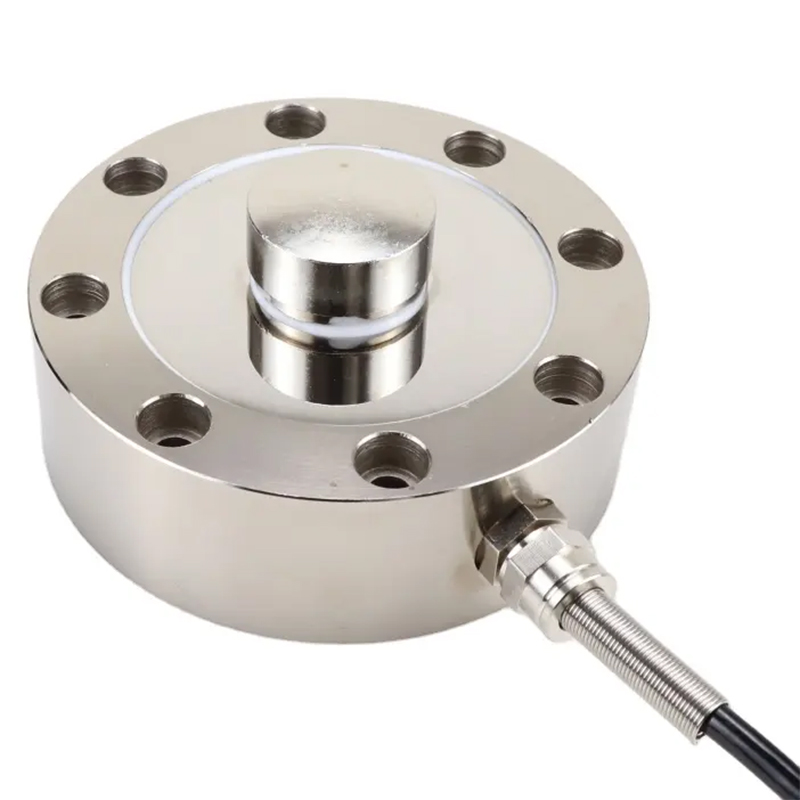
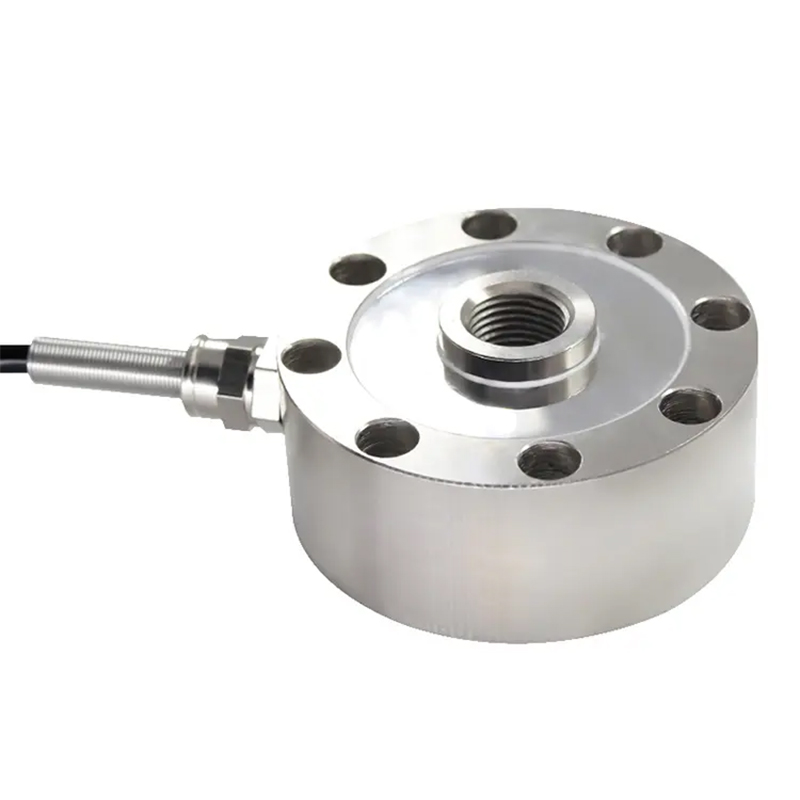
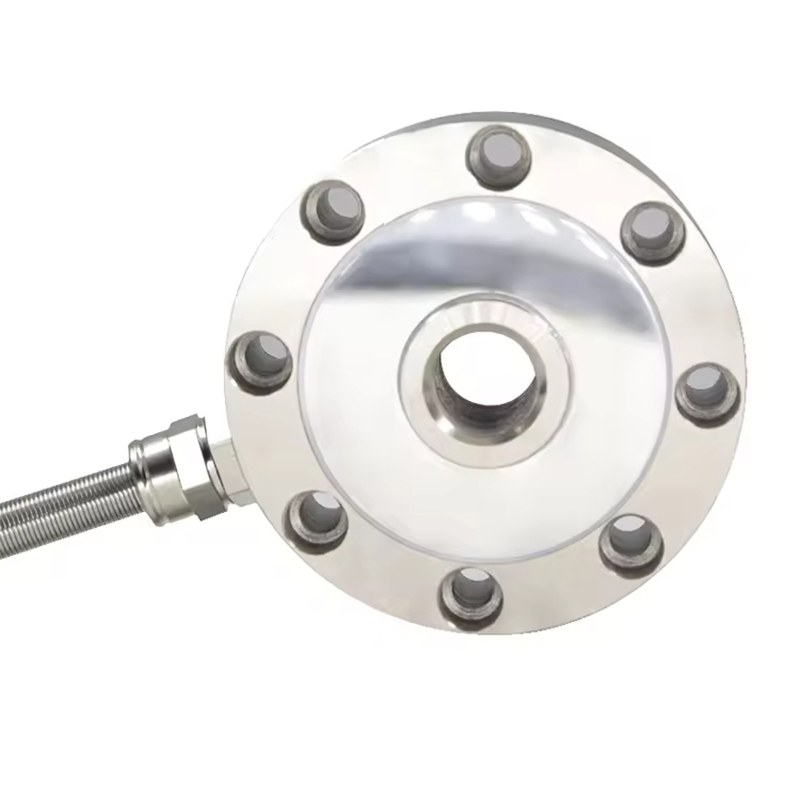
Wireless compression load cells are  essential devices that accurately measure force or  weight  in various industrial applications.  By utilizing  wireless technology, these  load cells eliminate  the need for cumbersome  wiring systems, improving  installation flexibility  and reducing  setup time. As a purchasing manager or engineer,  your main concerns  may include product accuracy, durability,  compatibility with existing  systems, and supplier reliability. This  article  will  guide you through the critical aspects of  choosing the right wireless compression load cell for your needs, helping you make an informed purchasing  decision.

Key Specifications to Consider When Sourcing Load Cells

Key Specifications to Consider When Sourcing Load Cells

When sourcing wireless  compression load cells, several key specifications must be assessed to ensure optimal performance:


Load Capacity: This defines the  maximum weight the load cell can measure. It is critical that the load cell's capacity exceeds the anticipated loads to prevent damage  and ensure accurate readings.

Accuracy:  Look for specifications that  indicate the load cell's precision, often expressed as a percentage  of the full-scale output. Higher accuracy is essential for applications requiring precise measurements.

Material: The construction material impacts durability and  resistance to environmental factors. Stainless steel is commonly used for its strength and  corrosion resistance, while aluminum may be lighter and suitable for less demanding applications.

Wireless Technology: Ensure the load cell utilizes reliable wireless  technology (such as Bluetooth or Wi-Fi)  that meets your data transmission  needs, including  range and frequency  stability.

Calibration and Hysteresis: Understanding how the load cell maintains accuracy over time is crucial. Calibration procedures and hysteresis specifications  help ensure the device remains reliable after  repeated use.

Environmental Ratings: Consider IP  ratings that indicate the load cell’s resistance to dust and moisture, especially for outdoor  or harsh environments.

By  carefully evaluating these specifications, you can select a  wireless compression load cell tailored to your requirements. For example, Customizable PMC Sensors Load Cell Transmitter 15-30V DC Weighing Signal Converter is designed to meet various application needs.

Where to Find Reliable Suppliers for Load Cell Solutions

Where to Find Reliable Suppliers for Load Cell Solutions

Finding a reliable supplier  for wireless compression load cells involves researching manufacturers with a proven track record in the industry.  Start  by verifying  the supplier’s certifications, such as  CE or RoHS, which indicate  compliance with safety and environmental standards.

Look for suppliers that offer  OEM/ODM solutions, as they can provide  customized products tailored  to your specific needs. Industry reputation  is also important; consider reaching out to other businesses  in your  field for  recommendations or case studies  that  demonstrate the supplier's reliability and product quality.

Moreover, evaluate the  supplier’s  customer service and support. A responsive supplier can assist with technical questions, provide guidance on installation, and offer support during the product's lifecycle. This relationship is essential, especially  if you  require after-sales  support or troubleshooting.

Applications of Wireless Compression Load Cells in Various Industries

Applications of Wireless Compression Load Cells in Various Industries

Wireless compression load cells are versatile devices used across multiple  industries, including:

Construction and Lifting: They  are critical in  monitoring loads  on cranes and hoists, ensuring safety  and compliance with regulations.

Manufacturing: Load cells  are integrated  into production lines for quality control, ensuring that products meet  weight specifications before packaging.

Logistics: In warehouses,  wireless load cells  help monitor the weight of goods during loading and unloading processes, optimizing space and ensuring safe handling.

Research and Development: Engineers use load cells in laboratories  to  measure forces in  material testing and product  development.

Renewable  Energy: They are utilized in monitoring the structural integrity of wind turbines and solar panels, ensuring  longevity and  performance.

Each of  these applications requires specific features from the load cells,  emphasizing the importance of selecting the right device for your industry  needs.

Expert Tips for Comparing Wireless Load Cell Products Before Purchase

When comparing  wireless load cell products, consider the following expert tips  to facilitate your decision-making process:

Request Samples: Before  making  a bulk  purchase, obtain samples to test their performance in your specific  application. This allows you to evaluate accuracy, ease of  use, and compatibility with  your existing systems.

Check Reviews and Case Studies: Research customer feedback and case studies to understand how the load cells have performed in real-world applications.  This can provide insights into potential issues and the effectiveness  of after-sales  support.

Evaluate Total Cost  of Ownership: Look beyond the initial purchase price. Consider factors such as installation costs, maintenance requirements, and expected lifespan. A slightly higher upfront cost may be justified by lower long-term expenses due to durability and reliability.

Ensure Technical Support is Available: Confirm that the supplier  offers robust technical support and training resources. This can be invaluable during installation and  troubleshooting, making the transition to using the new equipment smoother.


Compare Warranty  and  Return Policies: Understanding the warranty terms and return policies can protect your investment. A solid warranty indicates the manufacturer’s confidence in their product and provides peace of mind.

By following these tips,  you can make a more informed decision when  selecting wireless compression load cells for your  applications.

Choosing the Right Wireless Compression Load Cell for Your Needs

Selecting the right wireless  compression load cell involves understanding your  specific  application requirements. Factors such as load capacity, accuracy, and environmental  conditions play a crucial role. For instance, if  your  application  involves heavy lifting,  you need a  load cell with a suitable load rating to ensure safety and performance. Additionally,  consider the operating environment:  if the load cell will be used in  extreme temperatures  or exposure to moisture, it should be designed to  withstand these conditions. High Performance 100Nm Static Torque Sensor Load Cell with 0.1% Accuracy IP65 Waterproof for Elevator/Lifting and Scale Use is a good example of a product that meets such standards.

Another aspect to evaluate is the wireless communication  range. Depending on your setup, you may require a  load cell that can transmit data over long distances without signal loss. Understanding your system’s integration  needs is  also vital, as  compatibility with  existing equipment or software can streamline operations and reduce costs.

Frequently Asked Questions

What is a wireless compression load cell?

A wireless compression load cell measures compressive force and transmits data wirelessly for remote monitoring. It is designed for high-precision weighing and force measurement in lifting, automation, and energy applications.
Ideal for lifting equipment, industrial weighing, automation systems, and new energy setups where precise compressive force data and wireless monitoring are required.
Our wireless compression load cells carry CE and RoHS certifications, ensuring compliance with European safety and environmental standards and high manufacturing quality.
Yes. We provide OEM and ODM services to customize calibration, output protocols, mounting, and enclosure options to meet specific application needs.
Range and battery life depend on model and environment; typical wireless range is up to several hundred meters line-of-sight, with battery life from weeks to months under normal sampling intervals. Contact us for model-specific data.

Get a Free Quote

Our representative will contact you soon.
0/1000