Choosing the Right Hanging Crane Scale for Your Needs

application/hanging-crane-scale, application/hanging-crane-scale, 
Inquiry
Inquiry

hanging crane scale

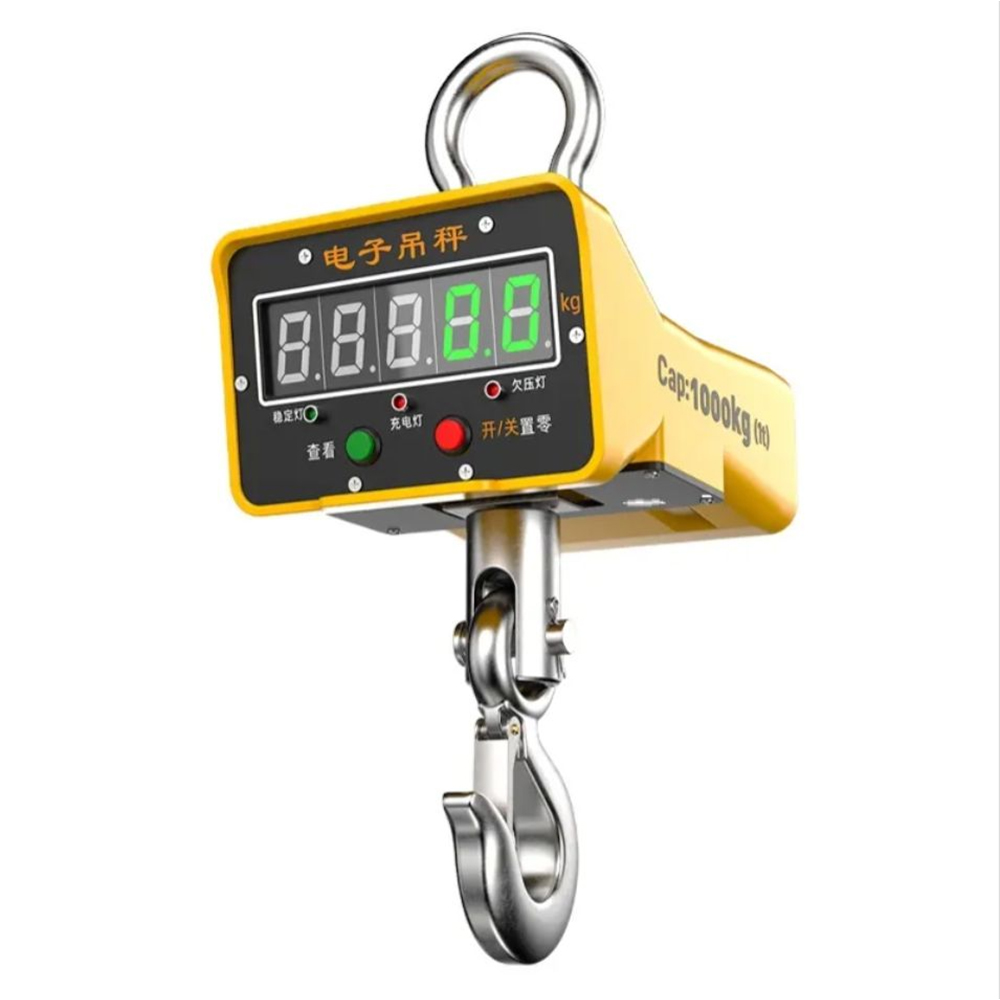
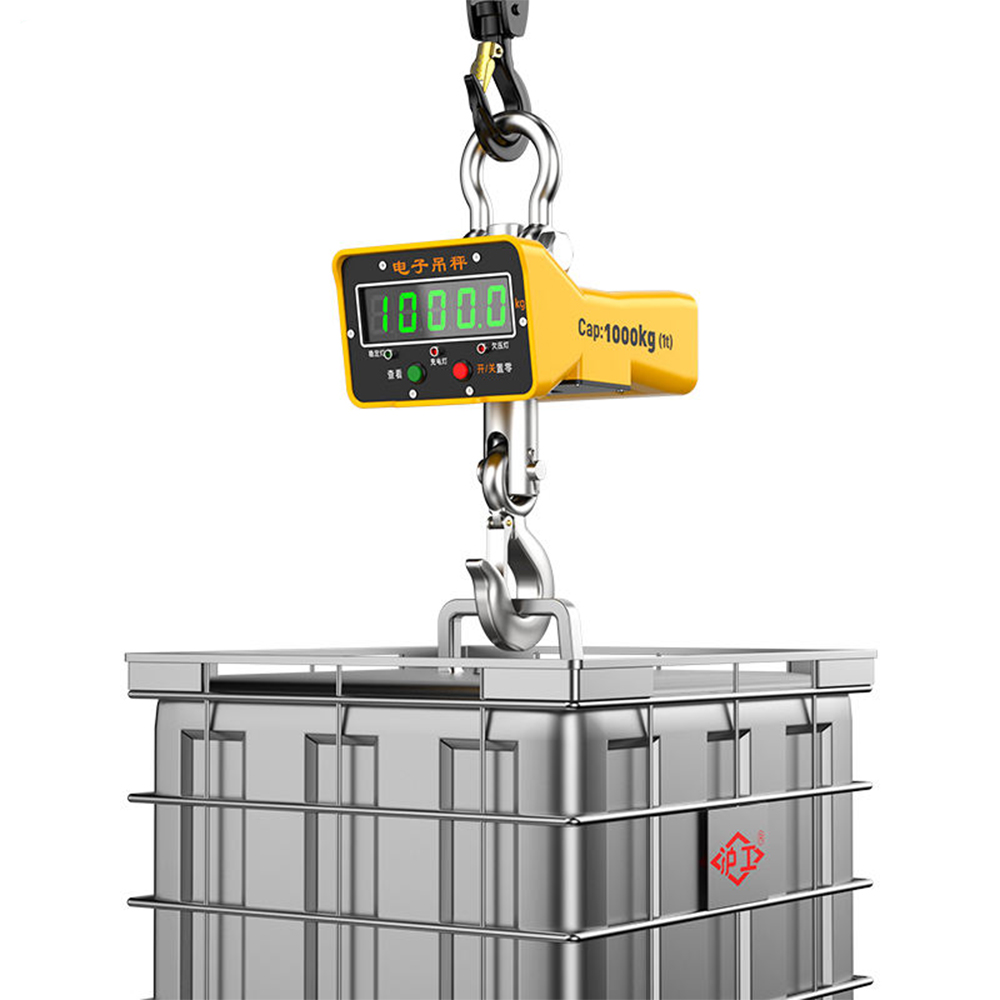
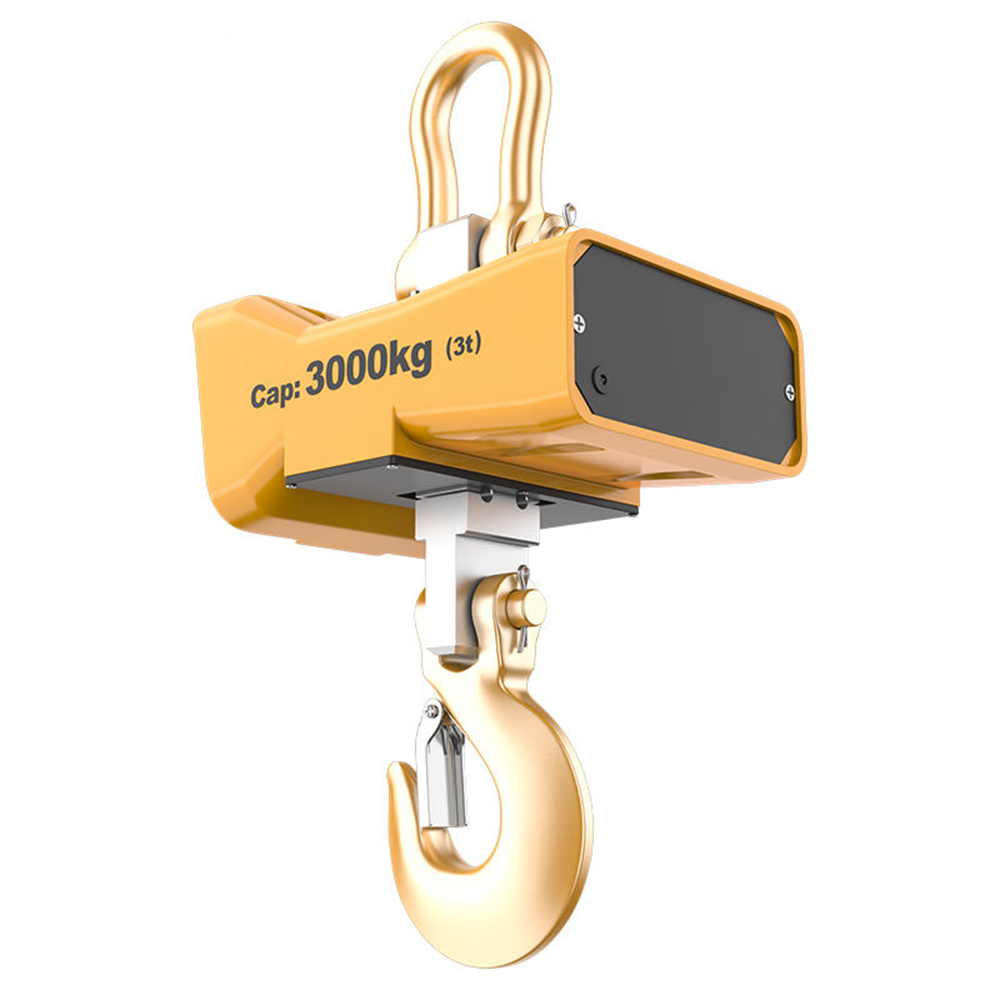
A  hanging  crane scale is  a  precision instrument used in various industries to  measure the weight of suspended loads. For  B2B buyers, particularly  those in  manufacturing, logistics, and warehousing, understanding  the right  specifications, cost  benefits,  and  common issues associated with hanging crane scales  is  essential. This article will guide you through selecting the  ideal hanging crane scale, exploring cost  advantages, identifying potential problems  and solutions, providing installation guidance, and discussing  quality control measures  in manufacturing.

Cost Benefits of Hanging Crane Scales

Cost Benefits of Hanging Crane Scales

Investing in a hanging  crane scale  can lead to significant cost  savings over time. Here are some key financial advantages:


Improved Efficiency: Accurate weight  measurements reduce the time spent on manual weighing processes, enhancing productivity. This is particularly  beneficial in high-volume operations  where  time savings  can translate into substantial cost reductions.

Minimized Damage: Using a scale that is correctly calibrated and rated for your load capacity helps prevent equipment damage and product loss. This not only saves costs associated with repairs but also minimizes  downtime.

Enhanced Inventory Management: Accurate weighing can improve  inventory accuracy, reducing excess stock and associated costs. This is vital  for  companies relying on  just-in-time inventory systems.

Reduced  Labor  Costs: Automated weighing decreases the need for manual labor in weighing processes, allowing staff to focus on more value-added activities within the company.

Long-Term Durability: Quality hanging  crane scales, like those manufactured by JIANGXI JINGCE SENSING TECHNOLOGY CO., LTD., often come with a longer lifespan, reducing the need  for frequent replacements and  thus lowering long-term expenses.

Common Problems with Hanging Crane Scales and Their Solutions

Common Problems with Hanging Crane Scales and Their Solutions

While hanging crane scales are reliable, users may encounter some common issues. Here are potential problems and their solutions: 


Calibration Issues: Over time, scales  may lose  accuracy. Regular calibration is  essential. Buyers should establish a routine  calibration schedule, ideally performed by a certified technician, to maintain accuracy.

Environmental Effects: Exposure to temperature fluctuations and humidity can affect scale performance. Ensure the scale is rated for your specific environment, and consider protective covers if necessary.

Battery Failure: Wireless scales rely  on batteries, which  can  lead to unexpected downtime. Opt for models with low-battery indicators and consider an alternative power source if your operation requires continuous usage. 


Mechanical Wear: Moving  parts can wear out, leading  to inaccuracies. Regular  inspections  can  identify wear before it affects  performance, allowing  for  timely repairs  or replacements.

User Error: Improper use can lead to inaccurate readings. Providing training for staff on the correct operation of the scale can minimize this risk.

 
Installation Guidance for Efficient Use of Hanging Crane Scales

Installation Guidance for Efficient Use of Hanging Crane Scales

Proper installation is  crucial  for maximizing  the performance of your hanging crane scale. Consider these guidelines: 


Location: Install  the scale in a stable location, free from vibrations or obstructions. Ensure that the area is  adequately lit for visibility, especially if the scale has a digital  display.

Mounting: Follow the manufacturer’s instructions  for mounting. Ensure that  the hooks or harnesses used are rated for the load capacity of the scale. Check that  the scale  is level, as an unlevel installation can lead to inaccurate readings.

Calibration: Before  use, calibrate the scale according to  the manufacturer’s instructions. This  often involves testing the scale with known weights to ensure accuracy.

Connections: If using a wireless  model, ensure that all connections are secure and that the device is properly  synchronized with any  data management systems you may use.

User Training: Educate staff on the installation and operation  of the scale. Understanding how to properly use the device can help avoid common  mistakes and ensure accurate measurements.

Quality Control Measures for Hanging Crane Scale Manufacturing

Quality control is vital in the manufacturing process of hanging crane scales to ensure reliability and performance. Here are key measures  to consider: 

Material Selection: The materials used in construction should be robust and suitable for the intended  environment. For instance, stainless steel might be  preferred for  its corrosion resistance  in wet environments.

Testing Procedures: Comprehensive testing should be  conducted during and after production. This includes load tests to verify accuracy and durability tests  to ensure the scale can withstand expected operational conditions.

Certification Compliance:  Ensure that the manufacturing  process adheres to relevant industry standards and certifications, such as CE and RoHS. This not only guarantees quality but  also enhances customer trust.

Traceability:  Implement a traceability system that allows manufacturers to track each unit back  to the production batch. This can be critical in case of product  recalls or quality inquiries.

Feedback Loop: Establish a feedback mechanism from users to continuously improve product design and functionality. Customer  input can help identify areas for enhancement  and innovation.

By understanding these aspects of hanging crane scales, B2B buyers can  make  informed decisions about their purchases, ensuring that they  select the right product for  their  specific operational needs while maximizing efficiency and minimizing costs.

How to Choose the Right Hanging Crane Scale for Your Needs

Selecting  the right  hanging crane  scale involves understanding your specific application requirements. Key factors include load capacity, accuracy, and environmental conditions. 

Load Capacity: Determine  the maximum  weight you will lift. Hanging crane scales come in various capacities, typically ranging from  a few hundred grams  to several tons. Ensure that the scale you choose exceeds your maximum expected  load to prevent damage and ensure longevity. For example, if you are considering a Load cell, it's important to match its specifications with your needs.

Accuracy and Precision: Look for scales offering high accuracy, generally  specified as ±0.1% or better. Depending on your application, such as quality control in manufacturing or logistics, precision may be critical.

Environmental Considerations: Consider the operating environment. If the scale will be exposed to  harsh conditions  like moisture or dust, opt for models with adequate IP ratings  (Ingress Protection) to ensure durability.

Features and Connectivity: Modern  hanging crane scales may come equipped with wireless connectivity, allowing  for easy data transfer to management systems. Features like overload protection, tare functions, and digital displays  can increase usability.  For instance, some models integrate with Digital output systems for enhanced functionality.

Certification and  Compliance: Ensure that the hanging crane scale meets regulatory standards relevant  to your industry, such as CE and RoHS certifications. This guarantees that the product adheres to safety and environmental  guidelines.

Frequently Asked Questions

What is the load capacity range of the hanging crane scale?

Our hanging crane scales support multiple capacities, typically from a few hundred kilograms up to several tons. Specific ranges are available on request to match lifting and weighing requirements.
Yes. Our hanging crane scales comply with CE and RoHS standards, ensuring safety, electromagnetic compatibility, and restricted hazardous substances compliance.
Yes. We offer OEM/ODM customization, including sensor calibration, housing, display, and communication protocols to meet your integration and branding needs.
Wireless and wired options are available, including digital outputs for integration with automation systems and remote monitoring via compatible wireless dynamometer modules.
We provide technical support, calibration guidance, spare parts, and after-sales service worldwide to ensure accurate performance and long-term reliability.

Get a Free Quote

Our representative will contact you soon.
0/1000