Tension Load Cell Manufacturers: Key Considerations

application/tension-load-cell-manufacturers, application/tension-load-cell-manufacturers, 
Inquiry
Inquiry

tension load cell manufacturers

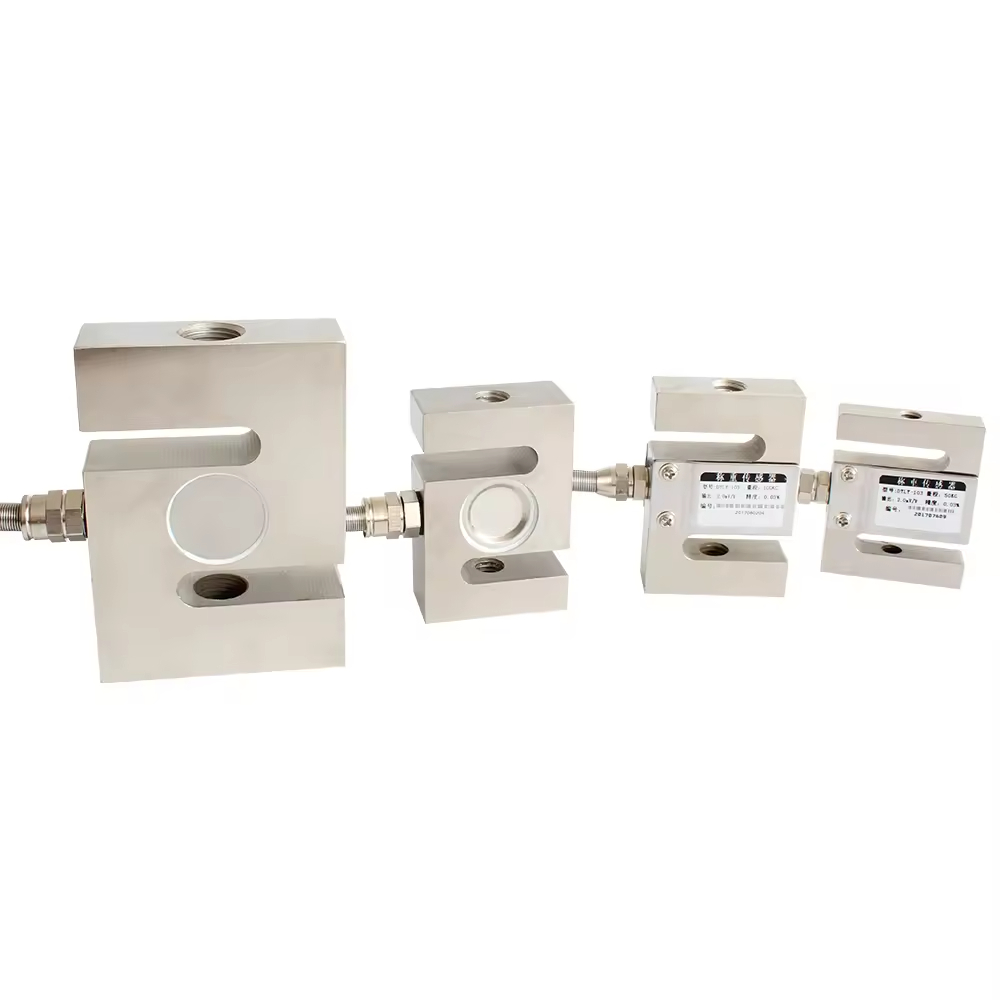
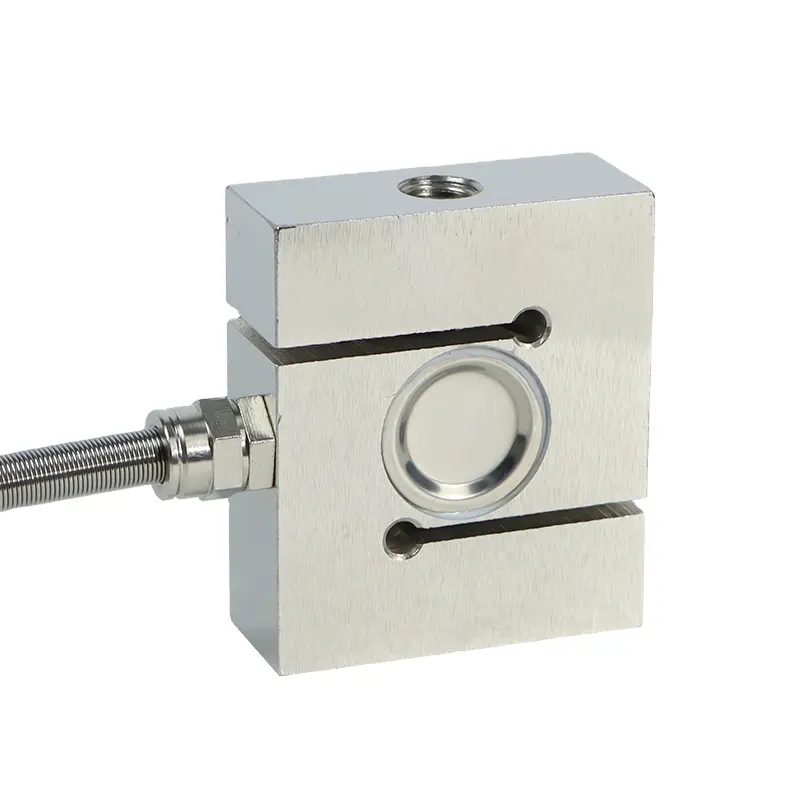
Tension  load  cells are critical components used in  various  industries to  measure force and weight accurately. As a B2B  buyer  looking  for tension  load  cell  manufacturers, your primary concerns include product performance,  reliability,  and supplier trustworthiness.  This  article  will guide  you through the essential aspects of selecting the right tension load cell for your project, including specifications, supplier evaluation,  quality control in  manufacturing, and  applications across different industries. For instance, if you're looking for a high-performance option, consider our High Performance 100Nm Static Torque Sensor Load Cell.

Top Specifications to Consider When Sourcing Tension Load Cells

Top Specifications to Consider When Sourcing Tension Load Cells

When sourcing tension load cells, it is vital to evaluate several key specifications:

Load Capacity: This is  the maximum  load the load cell can measure. Ensure that this capacity exceeds your operational requirements to account for unexpected overloads.

Accuracy and Resolution: Look for load cells with high accuracy, typically expressed as a percentage of full-scale output. Resolution indicates the smallest change in load that can be  detected. Both factors  are  crucial  for applications requiring precise measurements.

Material Construction: The materials used in the load cell affect its durability and suitability for specific environments. Common materials include  aluminum and stainless steel, with stainless steel being preferred  for corrosive environments due to  its higher resistance.

Input and Output Signal: Understand the type  of  signal your application requires (e.g., analog, digital). The compatibility of the load cell's output  with your  existing systems is essential for seamless integration.

Temperature Range: Ensure that the load cell can operate effectively within the temperature range of your application. Extreme temperatures can affect measurement accuracy and lead to premature failure.


Protection Rating: The Ingress Protection (IP) rating indicates the  load cell's resistance to dust  and moisture. For  environments with potential exposure to water or dust, select a  load cell with a suitable IP rating.

Each of these specifications plays a crucial role in ensuring the tension load cell functions optimally within your specific application  context. 

Evaluating Reliable Tension Load Cell Suppliers

Evaluating Reliable Tension Load Cell Suppliers

Finding a reliable tension load  cell  manufacturer is critical to ensuring product  quality and performance. Start by examining  the supplier's experience in the industry. Established manufacturers, such as JIANGXI JINGCE SENSING TECHNOLOGY CO.,  LTD., often have the  expertise to deliver high-precision products tailored to various applications.

Verify the supplier's certifications, such as CE and RoHS, which indicate  compliance with international safety and environmental standards. This not only ensures quality but also helps in assessing the manufacturer's commitment to maintaining industry best practices.

Request references or case studies from the supplier to  understand  their previous work and  customer satisfaction levels. Engaging with  existing clients can  provide insights  into the supplier's reliability,  responsiveness, and support throughout the  purchasing process.


Finally, consider the supplier's customization capabilities. A manufacturer that offers OEM/ODM solutions can provide  tailored products that align closely with your specific requirements, enhancing  the  overall value of your  purchase.

Understanding Quality Control in Tension Load Cell Manufacturing

Understanding Quality Control in Tension Load Cell Manufacturing

Quality control is paramount  in the manufacturing of tension load cells, as  even minor defects can lead to significant measurement errors.  A robust quality control process should  include:

Material Inspection: All raw materials  used in the construction of load cells should undergo rigorous testing to ensure they meet specified standards  for strength and durability.

In-Process  Testing: Throughout the manufacturing process, periodic checks should be  performed to  ensure each component meets the required specifications. This includes verifying dimensions,  weight, and other critical parameters.

Final Testing: Before shipment, every load cell should undergo a final  inspection and calibration to ensure it operates within specified tolerances. This typically includes testing under simulated loads  to verify  accuracy and response.

Documentation: Suppliers should  provide detailed documentation of the testing and quality control processes, including certificates of conformity and calibration  reports.  This transparency builds trust and allows buyers to verify product quality before  making a purchase.

A well-implemented quality control process not only minimizes defects but also assures buyers  of  the reliability and performance of  their tension load cells.

Applications of Tension Load Cells in Various Industries

Tension load  cells are widely used across numerous industries, each with unique requirements. Some common applications include:

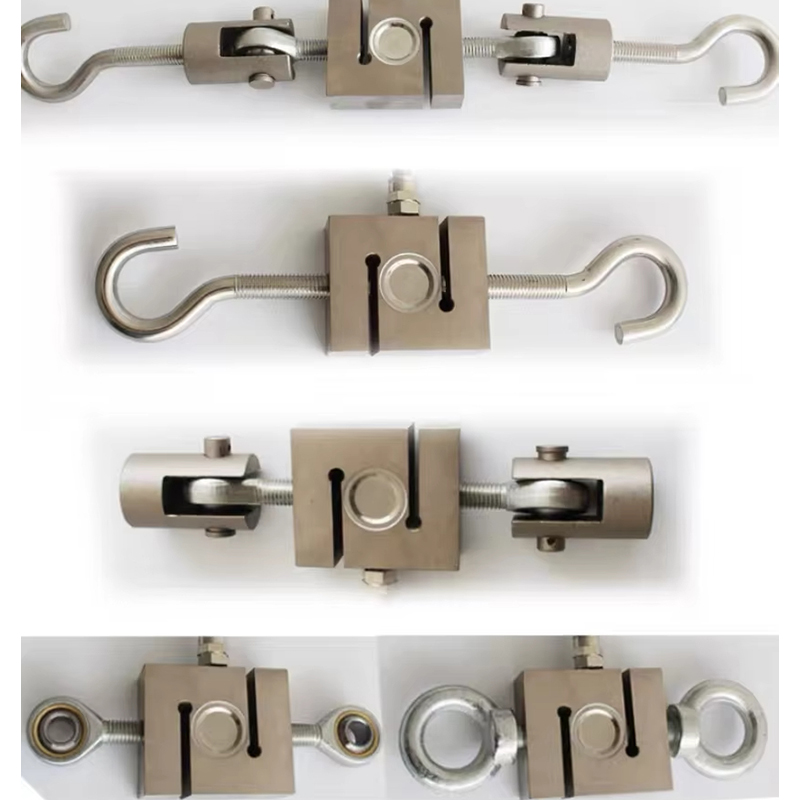
Lifting and Weighing: In construction  and logistics, tension load cells are essential for  weighing loads during lifting operations,  ensuring safety and compliance with regulations.

Automation: In automated  systems, tension load cells serve as feedback mechanisms. They provide accurate load data to control systems,  enhancing operational efficiency.

Manufacturing: Tension load cells are used in various manufacturing  processes, including tensile testing of materials, ensuring product quality and performance standards.

New Energy: In the renewable energy sector,  tension load cells  are used in wind and  solar power applications to measure forces on support structures, contributing to safer and more efficient designs.

Choosing the right tension load cell  for these applications requires understanding  the  specific demands of the industry  and ensuring the selected product meets those requirements effectively.

By considering these factors when sourcing tension load cells, buyers can make informed  decisions that contribute  to the success  of their projects and  operational efficiency. As you move forward, ensure that you gather detailed specifications, evaluate potential suppliers carefully, and engage  in thorough quality assurance processes to secure reliable products for  your applications.

How to Choose the Right Tension Load Cell for Your Projec

Selecting the appropriate  tension load cell depends on several factors related to your specific application.  Start by understanding the  load capacity required; this dictates the range of load cells you should consider. Tension load cells come in various capacities, so it is essential  to select one that can handle the  maximum  load your application will encounter without compromising accuracy.

Additionally, consider the operating environment. Factors  such as  temperature fluctuations, humidity, and potential  exposure to chemicals can affect  the performance  of load cells.  For instance, if your application involves outdoor use or exposure to  harsh  conditions, you may require load  cells with enhanced environmental protection. You might find options such as the Large Capacity 2T-150T Wireless Shackle Load Cell suitable for such environments.

Customization is another critical aspect. Many manufacturers offer  OEM/ODM  solutions, allowing you to tailor the load  cell to your specific needs. This can  include adjustments to dimensions, materials, or features like integrated wireless technology for remote monitoring. Engaging with your supplier early in the selection process can facilitate a more efficient  design that meets your requirements.

Frequently Asked Questions

What types of tension load cells do you offer?

We provide high-precision tension load cells, force sensors, and wireless dynamometers in various capacities and form factors for lifting, weighing, automation, and new energy applications.
Yes. Our products carry CE and RoHS certifications, ensuring compliance with European safety and environmental standards.
Yes. We offer customized OEM/ODM solutions including design, calibration, and branding to meet specific project requirements.
They serve lifting, weighing, automation, and new energy industries worldwide, supporting both industrial and research applications.
We offer technical support, calibration guidance, warranty services, and assistance with installation and integration to ensure optimal performance.

Get a Free Quote

Our representative will contact you soon.
0/1000