Load Cell Transmitter: Key Specifications and Solutions

application/load-cell-transmitter, application/load-cell-transmitter, 
Inquiry
Inquiry

load cell transmitter

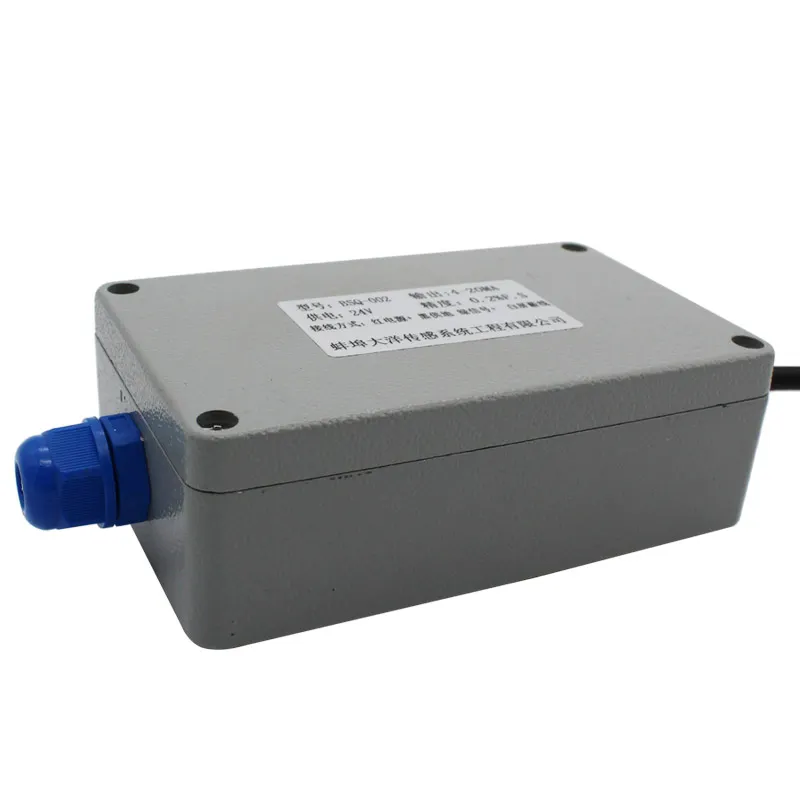
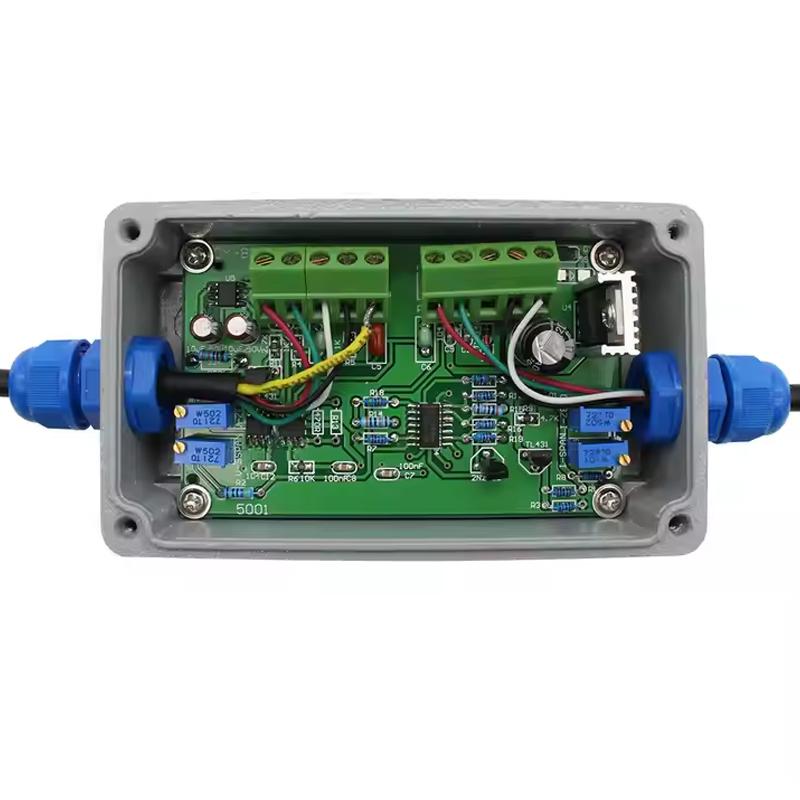
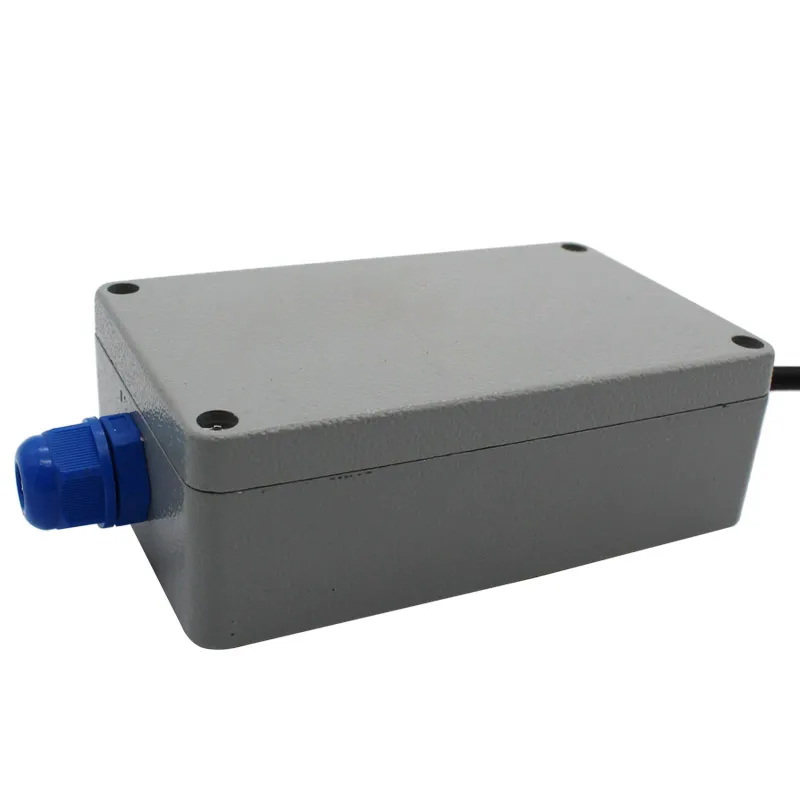
Load cell  transmitters are essential devices in various industrial applications,  serving as the bridge between load cells and control systems. These transmitters convert  the analog signals from load cells into digital  signals for accurate  weight measurement  and monitoring. For B2B buyers, the primary concerns  typically revolve  around ensuring  compatibility,  precision, and  reliability in demanding  environments. This  article  aims to  provide a comprehensive understanding of  load  cell transmitters, helping purchasing managers and engineers make informed decisions  tailored to  their specific project  needs.

Wholesale Options for High-Quality Load Cell Transmitters

Wholesale Options for High-Quality Load Cell Transmitters

When looking for wholesale load cell transmitters, it's vital to prioritize quality and reliability.  Sourcing from  reputable manufacturers ensures that you receive products that meet industry standards,  such as CE and RoHS certifications.  This not only guarantees product safety but also assures compliance with international  regulations, which is particularly important for buyers working on projects with stringent quality requirements.

Moreover, consider the minimum order quantity (MOQ) when selecting  a supplier. Some  manufacturers may offer flexible MOQs, enabling you to  procure the right amount without excessive inventory costs. Additionally, inquire about  bulk pricing and shipping options to optimize your  procurement process.


Establishing a long-term relationship with a  manufacturer can also provide advantages such as consistent quality, favorable pricing, and access to new  technologies.  For large-scale projects, exploring wholesale  options  can lead to significant cost savings while ensuring you receive  high-quality load cell  transmitters  that meet  your specifications.

Evaluating Load Cell Transmitter Manufacturers

Evaluating Load Cell Transmitter Manufacturers

Choosing a reliable load cell transmitter manufacturer  requires thorough evaluation. Start  by  reviewing their experience and expertise in the industry. A manufacturer with a strong track record  in producing  high-precision load cells and transmitters is likely to deliver superior products. Look for customer testimonials  and case studies that highlight successful projects  relevant to your application.

Next, assess the manufacturer’s quality control processes. Quality  assurance is crucial  in ensuring that  load cell transmitters perform consistently.  Ask about their testing procedures, certifications, and the standards they adhere to during production. For instance,  manufacturers  like  JIANGXI JINGCE SENSING  TECHNOLOGY CO., LTD. implement stringent quality  checks,  which can significantly reduce the risk of product failure in the field. Additionally, consider utilizing a Mv Signal Amplifier for Load Cell for enhanced performance.

Additionally, consider the level of customer support offered by  the manufacturer. A responsive support team can assist  with technical inquiries, troubleshooting, and after-sales service, ensuring you have the necessary assistance throughout the product  lifecycle.

Key Specifications to Consider for Load Cell Transmitters

Key Specifications to Consider for Load Cell Transmitters

When evaluating load cell transmitters, several key specifications should  be taken into account:

Load Range: Understand the maximum and minimum  loads the transmitter  can  handle. This specification is crucial for ensuring accuracy in your specific application.

Output Signal Type: Determine the output  format required for your  control systems (e.g.,  analog, digital). Ensure compatibility with existing equipment to avoid integration issues.


Power Supply Requirements:  Check the voltage and current specifications needed for the transmitter to function correctly. Some transmitters may require different power sources depending on their design.

Temperature  Range: Consider the operating temperature range of the transmitter. Extreme temperatures can affect  performance, so choose a model designed for  your specific environment.

Protection  Rating: The ingress protection (IP) rating indicates the transmitter's ability to resist dust and moisture. For outdoor or harsh environments, select a transmitter with  a high IP rating.

By closely examining these specifications, buyers  can  ensure  they  select a load cell transmitter that meets  their operational requirements and minimizes the risk  of malfunction.

Common Load Cell Transmitter Problems and Effective Solutions

Despite their  reliability, load cell transmitters can encounter issues that affect performance.  Understanding common problems and their solutions is essential for maintaining operational efficiency.

Calibration Issues: If a transmitter displays inaccurate  readings, recalibration may be necessary. Regular calibration ensures  that the  device maintains  precision over time. It is advisable to follow the manufacturer's guidelines for calibration  frequency.

Signal Interference: Electromagnetic  interference (EMI) can disrupt the  signals transmitted from  load cells. To mitigate this, ensure proper grounding of the equipment and consider using shielded cables to reduce interference.

Environmental Damage: Exposure to moisture, dust, or corrosive substances can impair transmitter functionality.  Utilizing models with appropriate environmental  protection (IP ratings) can prevent damage in harsh conditions.

Wiring Errors: Incorrect  wiring  can cause  signal loss or erratic readings. Always refer to the manufacturer’s wiring  diagrams during installation to avoid mistakes.

By proactively addressing these issues, buyers can enhance the longevity and reliability  of their load cell  transmitters, ensuring consistent  performance in  critical applications.

Choosing the Right Load Cell Transmitter for Your Project Needs

Selecting the appropriate load cell  transmitter is  critical for achieving accurate measurements in your application. Start by considering the load capacity required for your specific task. Different transmitters  are designed to accommodate varying load ranges, so ensure the  one you choose aligns with the expected weight or force to be  measured. For enhanced compatibility, consider using a Customizable PMC Sensors Load Cell Transmitter that fits your specific requirements.

Next, assess  the output signal type  that is compatible with your existing systems—common options include  4-20 mA,  RS-232, or RS-485. Additionally,  consider  environmental factors such as temperature, humidity, and exposure to chemicals, as these can affect the  transmitter's performance. For instance, if  your application is in a  corrosive  environment, a transmitter with a robust  enclosure or protective coating may be necessary.

Lastly, think about customization options. Many manufacturers, including  JIANGXI JINGCE SENSING TECHNOLOGY CO., LTD., offer OEM/ODM solutions tailored to specific industrial needs. Custom features can  enhance functionality and ensure seamless  integration into your  systems.

Frequently Asked Questions

What is a load cell transmitter?

A load cell transmitter converts load cell signals into standardized output (4-20mA, 0-10V, RS485) for remote monitoring and control in weighing and force measurement systems.
Our transmitters support 4-20mA, 0-10V, RS485/Modbus and configurable analog or digital outputs for integration with PLCs and data loggers.
Yes. They are compatible with most strain gauge and high-precision load cells; input sensitivity and excitation options are configurable to match cell specifications.
Our products carry CE and RoHS compliance and are manufactured under strict quality controls to meet industrial weighing and safety requirements.
Yes. We provide OEM/ODM solutions including housing, calibration, communication protocols, and firmware customization for lifting, weighing, automation, and new energy projects.

Get a Free Quote

Our representative will contact you soon.
0/1000